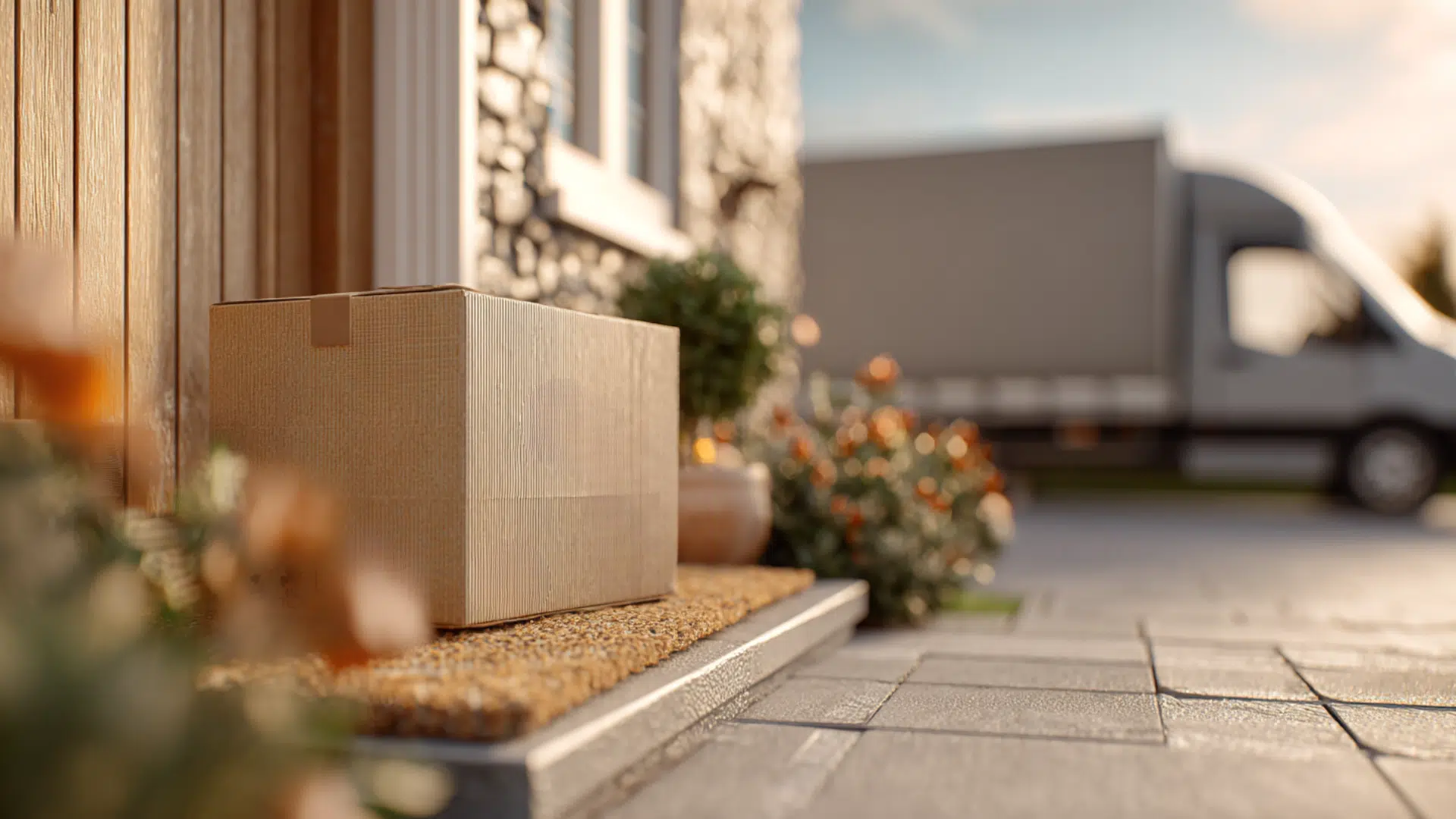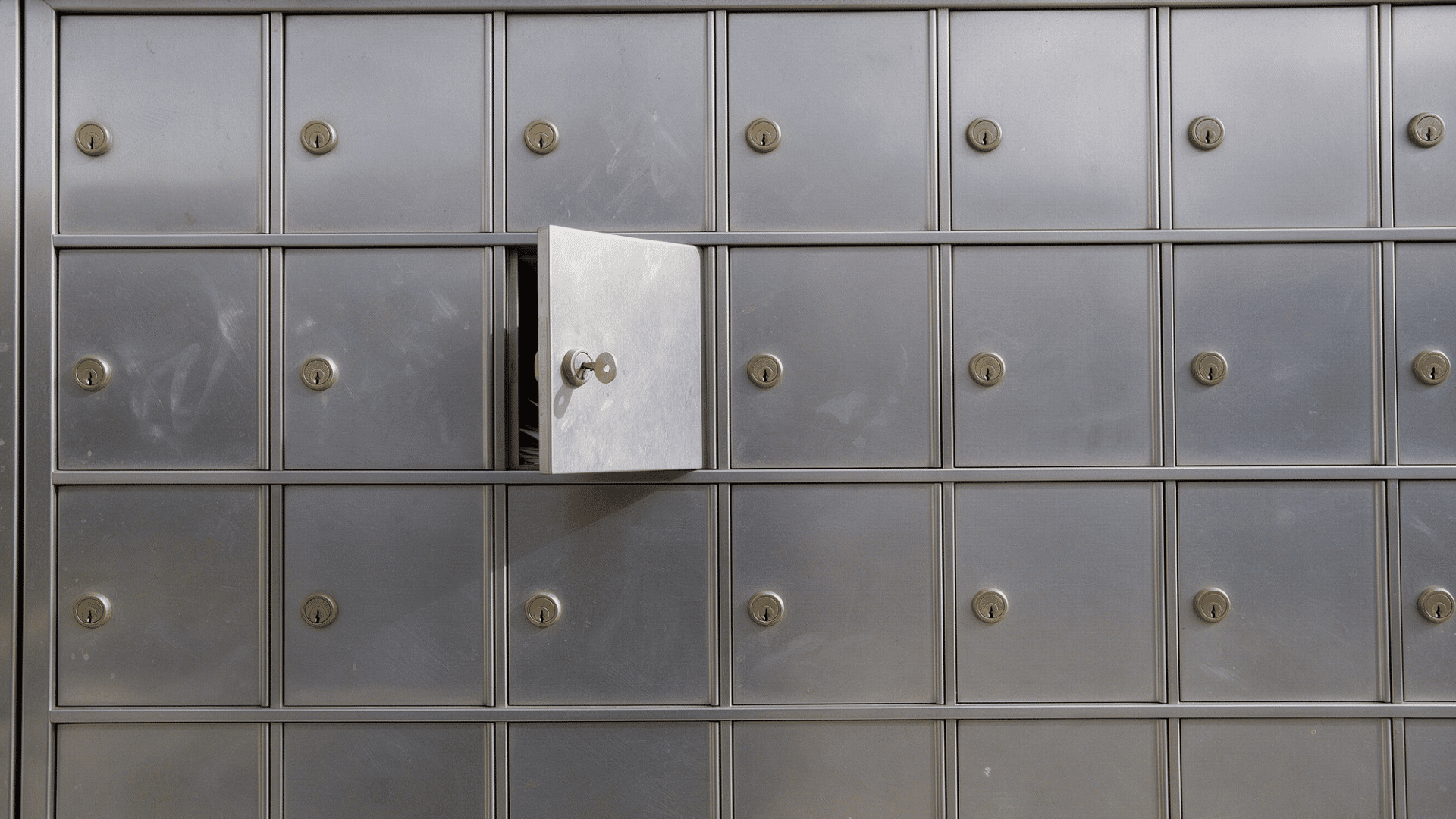
A PO Box can solve a surprisingly specific problem: you need a dependable place for mail, but your home address is not always the best option.
Privacy, moving frequently, business correspondence, or unreliable home delivery can all make one worth considering. The part that usually causes confusion is cost, because rates change by box size, rental term, and location.
This guide explains those differences, plus fees, sizing, delivery rules, and eligibility.
What Is a PO Box?
A PO Box is a secure mailbox located at a USPS Post Office. Instead of having mail sent to your home, you use the box number as part of the address. USPS holds the mail there until you collect it.
People use PO Boxes for several reasons. Some prefer the extra privacy of not sharing a home address. Others use one to keep personal mail separate from business letters, bills, or other regular correspondence.
A PO Box can also give you a steady mailing address if you move often or travel for long periods. That can make it easier to keep receiving important mail without updating the address every time your living situation changes.
It may also be helpful when home delivery is limited in your area. In that case, your mail stays at the Post Office until you are ready to pick it up. Access hours can vary by location, so pickup may depend on the branch you choose.
PO Box Cost Breakdown
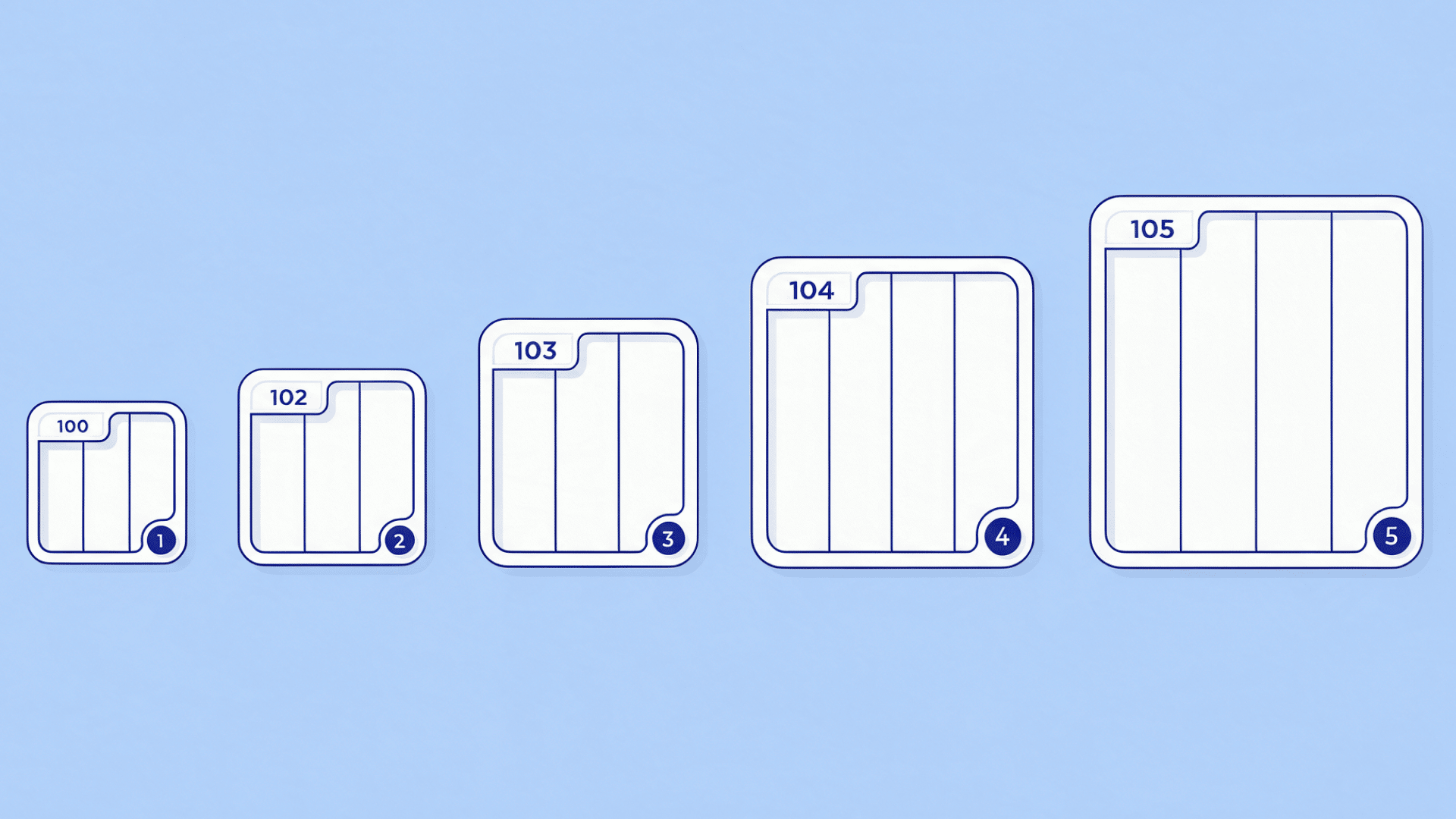
If you are wondering how much a PO Box costs, there is no single rate across the country. USPS pricing changes based on the box size, rental term, and Post Office fee group. Current paid rates start at $21 for 3 months and can reach $677 for 6 months, according to USPS Notice 123.
1. Extra Small PO Box Cost
An extra small PO Box is the lowest-cost size and works best for light mail. It is usually enough if you mostly receive letters, cards, and a few small envelopes. USPS lists this as its smallest standard PO Box option.
- 3-month range: $21 to $98
- 6-month range: $31 to $170
- Space: Limited room for magazines or bulky mail
2. Small PO Box Cost
A small PO Box gives you more room while still staying near the lower end of the price range. It can handle regular letters, magazines, and lighter household mail. This size may work well if you collect mail often and do not expect many packages.
- 3-month range: $26 to $130
- 6-month range: $41 to $225
- Mail volume: Better for light to moderate use
3. Medium PO Box Cost
A medium PO Box gives you more space for larger mail items. It can hold flats, catalogs, and a higher weekly mail volume without filling as quickly as smaller boxes. USPS offers medium boxes at participating Post Office locations.
- 3-month range: $38 to $228
- 6-month range: $60 to $395
- Useful for: People who do not collect mail every day
4. Large PO Box Cost
A large PO Box suits households or businesses that receive a lot of mail. It provides extra room for thick envelopes and some smaller packages. Availability can vary by Post Office, so this size may not be offered at every location.
- 3-month range: $55 to $259
- 6-month range: $90 to $452
- Availability: Depends on the local Post Office
5. Extra Large PO Box Cost
An extra large PO Box offers the most space among the standard USPS options. It is generally more useful for heavy mail volume, frequent deliveries, or small business use. It also carries the highest rental rates.
- 3-month range: $96 to $389
- 6-month range: $156 to $677
- Price level: Highest among the five standard sizes
Why Can the Same PO Box Cost More In Another ZIP Code?
- USPS fee group: Different Post Offices fall into different fee groups. USPS Notice 123 shows that each group has its own rates.
- Local market: USPS has market-dominant and competitive PO Box locations with different pricing structures.
- Availability: Your chosen Post Office may not offer every size. Your options depend on what is available there.
- Nearby branches: Rates can differ between locations. You can use the USPS PO Boxes page to search by ZIP code and compare nearby options.
Choosing the Right PO Box Size
The right box depends more on your mail habits than the size name alone. Think about how often you check your mail and what usually arrives.
Your Mail Habit | Better Size Choice | Why It May Work Better |
|---|---|---|
You check mail almost daily | Extra Small or Small | Mail has less time to build up |
You check mail once a week | Small or Medium | Gives you more room between pickups |
Mail often piles up | Medium | Helps reduce frequent overflow |
You receive steady business mail | Medium or Large | Handles more regular volume |
You often receive bulky items | Large or Extra Large | Gives larger mail more room |
Extra Fees to Check Before You Rent
The rental rate may not be the only cost tied to a PO Box. USPS lists several extra charges, though not every fee applies at every location. Check the terms at your selected location before you pay.
- Key deposit: In some cases, USPS lists a $6 deposit per key. The first two keys at competitive locations may be exempt.
- Extra or replacement key: A duplicate or replacement key costs $14 after the first two keys.
- Lock replacement: USPS lists a $30 fee if the lock needs replacement.
- Late payment: A $30 charge may also apply if you pay after the due date.
- Optional services: Some Post Offices offer added services such as Street Addressing or Signature on File. USPS notes that availability varies by location.
Can Private Carriers Deliver to a PO Box?
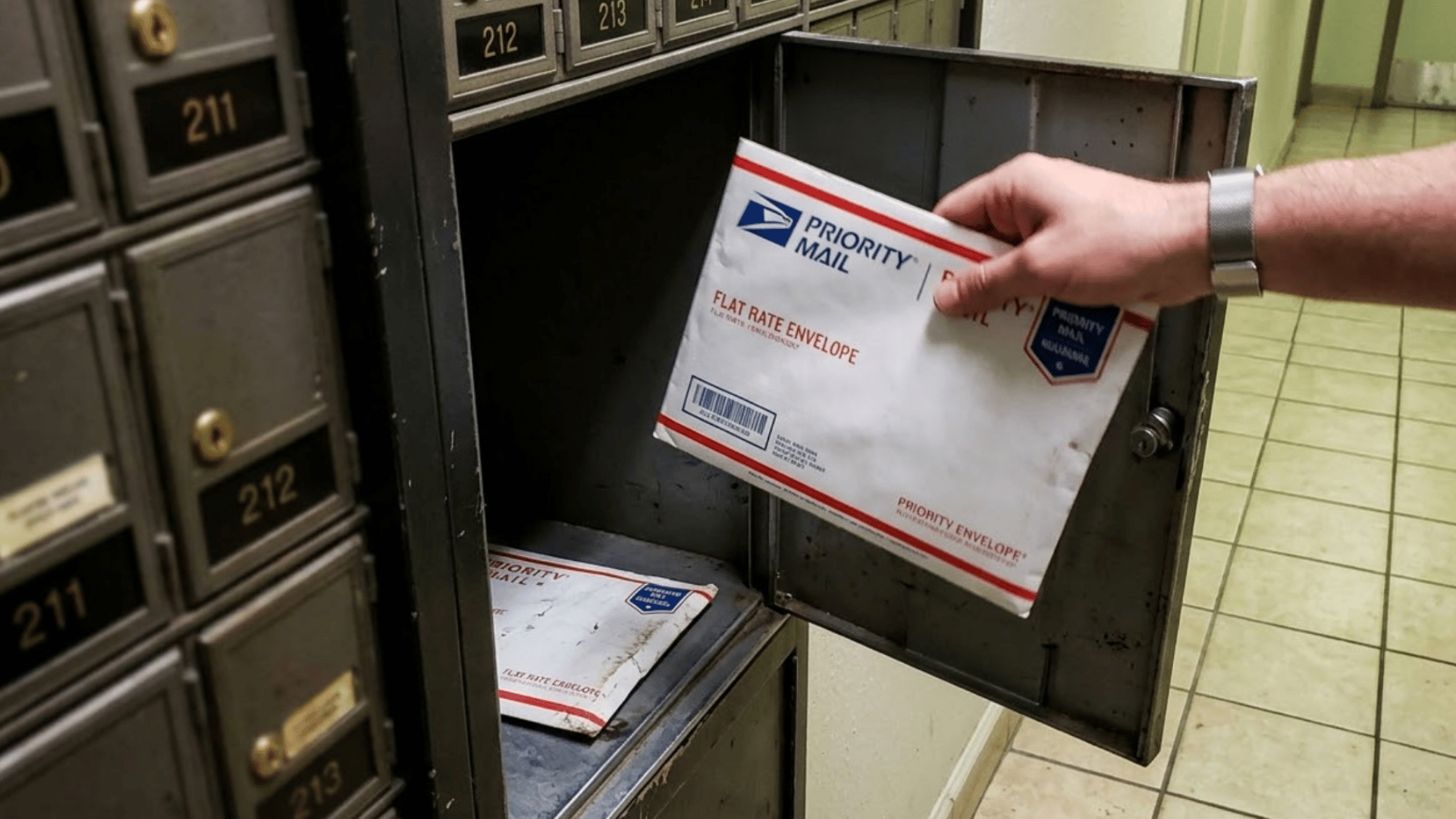
Private carriers do not usually deliver to a standard PO Box address. Some Post Offices offer Street Addressing, which lets eligible customers use the Post Office street address with their PO Box number.
According to the USPS Premium PO Box Services agreement, this service may allow packages from UPS, FedEx, DHL, and Amazon at participating locations. However, the service does not turn your PO Box into a home or business street address.
Carrier rules and USPS restrictions can still apply, so confirm Street Addressing with your Post Office before using it for a private-carrier delivery.
What Do You Need to Open a PO Box?
Opening a PO Box is fairly simple, but USPS does require a few things before you can use it. According to the USPS Domestic Mail Manual, you need to prove your identity and complete the required application steps.
- Two valid forms of ID: USPS requires two current forms of identification before the box can be issued.
- Proof of physical address: At least one form of ID must show your current physical address.
- Application method: You can reserve a PO Box online or apply in person at a Post Office.
- Form 1093: USPS uses Form 1093 as the official PO Box application when required.
- Keys or access details: After approval, you may need to visit the Post Office to receive your keys or other access information.
Can You Get a PO Box for Free?
Yes, but only in limited cases. Some customers may qualify for free Group E PO Box service when USPS does not provide carrier delivery to their eligible physical address.
According to the USPS Domestic Mail Manual, this service depends on specific delivery rules. USPS checks the address before deciding if the customer qualifies.
Group E service is not a general discount. It also does not let you avoid regular PO Box fees when standard delivery options are available. If you think your address may qualify, contact your local Post Office. Staff can check your delivery status and explain if Group E service applies.
Final Thoughts
A PO Box works best when it solves a clear mail problem rather than adding another monthly expense.
Before renting one, think about how often you collect mail and what usually arrives. Then compare nearby USPS locations, check availability, and choose only the size and services you are likely to use.
Frequently Asked Questions
How Long Can You Keep a PO Box?
You can keep a PO Box as long as you continue renewing it and follow USPS rules.
Can Two People Use the Same PO Box?
Yes, you can usually allow other people to receive mail at your PO Box if they are listed properly.
What Happens if a Package Does Not Fit in a PO Box?
USPS may place it in a parcel locker or hold it at the counter for pickup.
Can You Use a PO Box as Your Legal Address?
A PO Box is a mailing address and may not qualify as a legal or residential address for every purpose.