A food shipment can travel through several hands before it reaches a store, restaurant, or customer. Along the way, a late delivery, poor storage conditions, or missed temperature check can create waste and added costs.
That is why food and beverage logistics requires careful planning at every stage, from transportation and warehousing to inventory and final delivery.
I find the supply chain especially interesting because small delays can affect products with limited shelf life. Good logistics keeps food at the right temperature, tracks inventory, meets delivery schedules, and maintains product quality.
Understanding these processes makes it easier to see what goes into moving food safely and efficiently.
What is Food and Beverage Logistics?
Food and beverage logistics, guided by core logistics management functions, moves and stores food and drink products from suppliers to distribution centers, retailers, restaurants, and customers.
It involves more planning than general freight because many products are perishable, have specific temperature needs, limited shelf lives, and strict food-safety requirements.
Lot and batch tracking can also help businesses manage inventory and respond to recalls. Delivery timing matters because delays can affect product quality and retailer requirements.
Specialized logistics providers, including third-party logistics (3PL) companies, can manage transportation, warehousing, inventory, distribution, and fulfillment as part of one supply chain service.
What Services Do Food and Beverage Logistics Providers Offer?
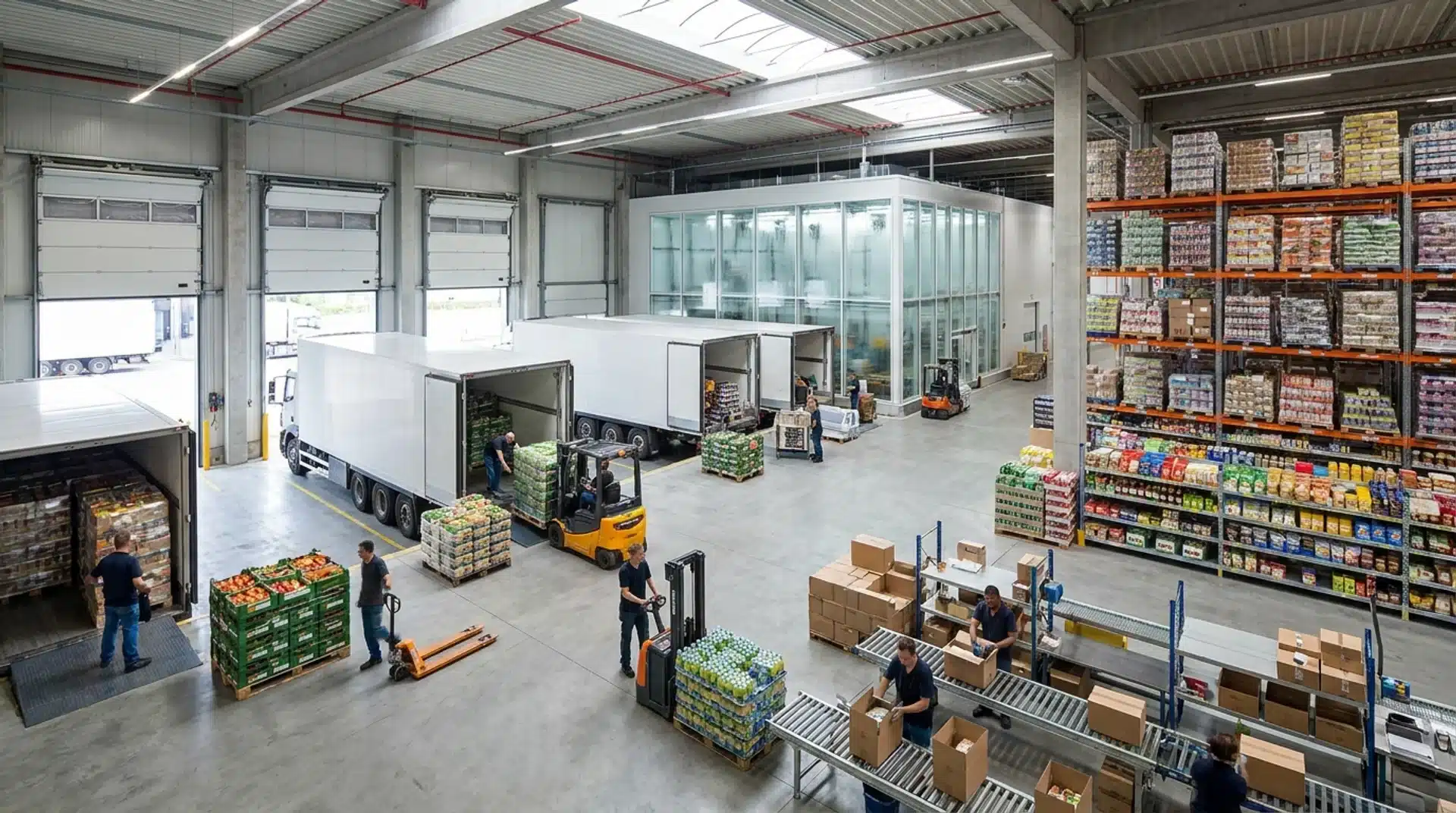
Food and beverage logistics providers manage several parts of the supply chain, including transportation, warehousing, inventory management, distribution, and fulfillment.
They may also provide refrigerated or frozen storage and transport while meeting food-safety requirements.
1. Food and Beverage Transportation
Food and beverage transportation moves products between suppliers, manufacturers, warehouses, retailers, restaurants, and other destinations.
Providers may arrange full truckload (FTL), less-than-truckload (LTL), refrigerated, frozen, ambient, or expedited shipments based on the product and delivery needs.
They can also coordinate carriers, routes, loading requirements, and delivery schedules. For foods requiring temperature control for safety, transportation equipment must maintain suitable conditions.
2. Food and Beverage Warehousing
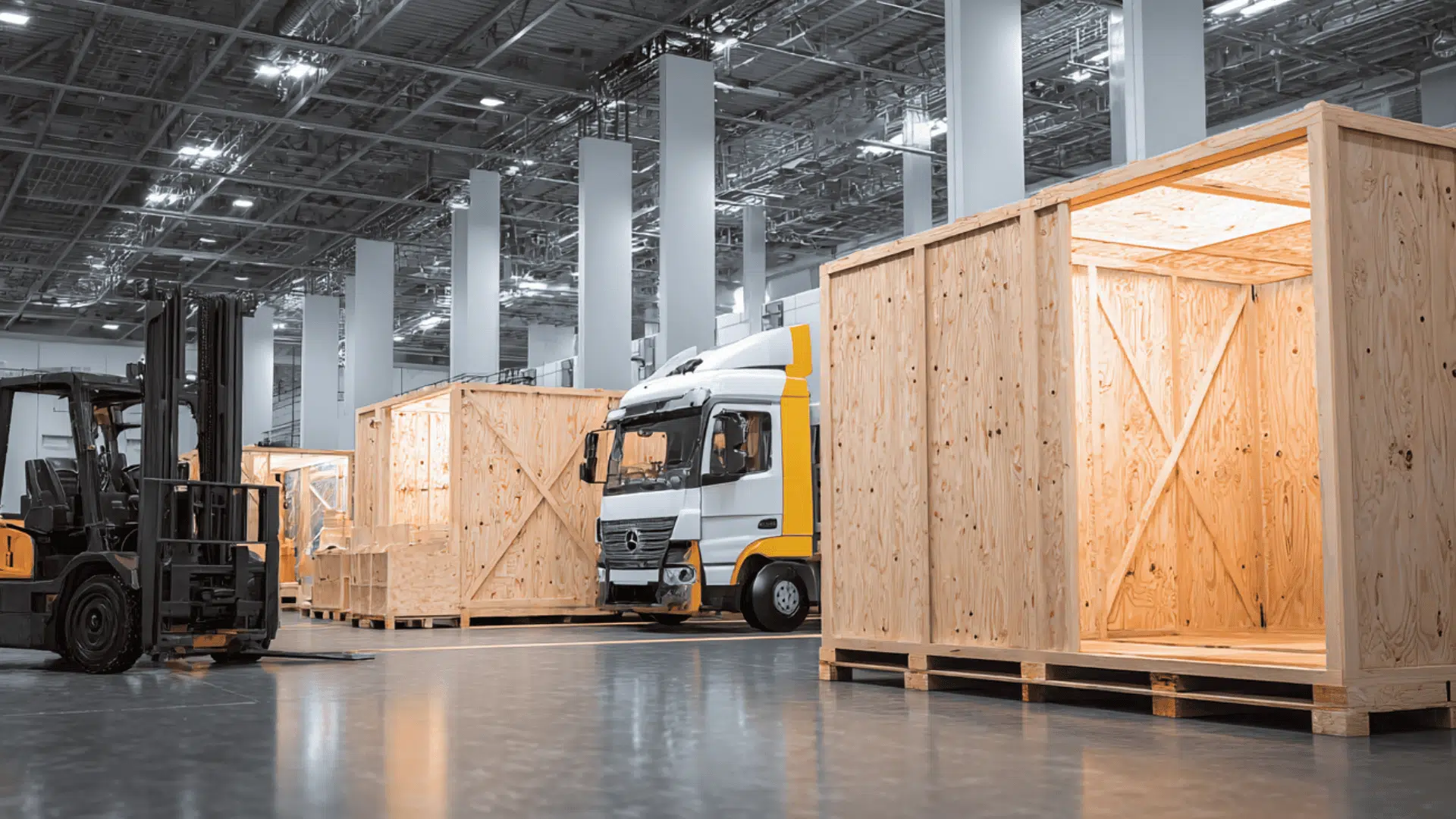
Food and beverage warehousing provides storage and handling space for products before they move to the next destination.
Depending on the products, facilities may offer ambient, refrigerated, or frozen storage. Common activities include receiving shipments, checking and putting away inventory, pallet handling, order staging, and cross-docking.
Food warehouses also need suitable sanitation and handling practices to help prevent contamination and keep products safe during storage and movement.
3. Inventory Management
Inventory management helps businesses keep track of what products they have, where they are stored, and when they need to move.
Food logistics providers may track lot or batch information, expiration dates, and stock levels while supporting FIFO or FEFO rotation methods. Accurate records can also help businesses identify affected inventory during a recall.
For perishable products, good inventory control can reduce waste and help maintain available shelf life.
4. Distribution and Fulfillment
Distribution and fulfillment cover the steps involved in getting customer orders from stored inventory to their final destinations. Services may include order processing, picking and packing, retail or foodservice distribution, and last-mile delivery.
Some providers may also handle returns or reverse logistics when needed.
By combining these services with transportation, warehousing, and inventory management, a logistics provider can support multiple stages of the food and beverage supply chain instead of handling transportation alone.
How Does Cold Chain Logistics Work for Food and Beverages?
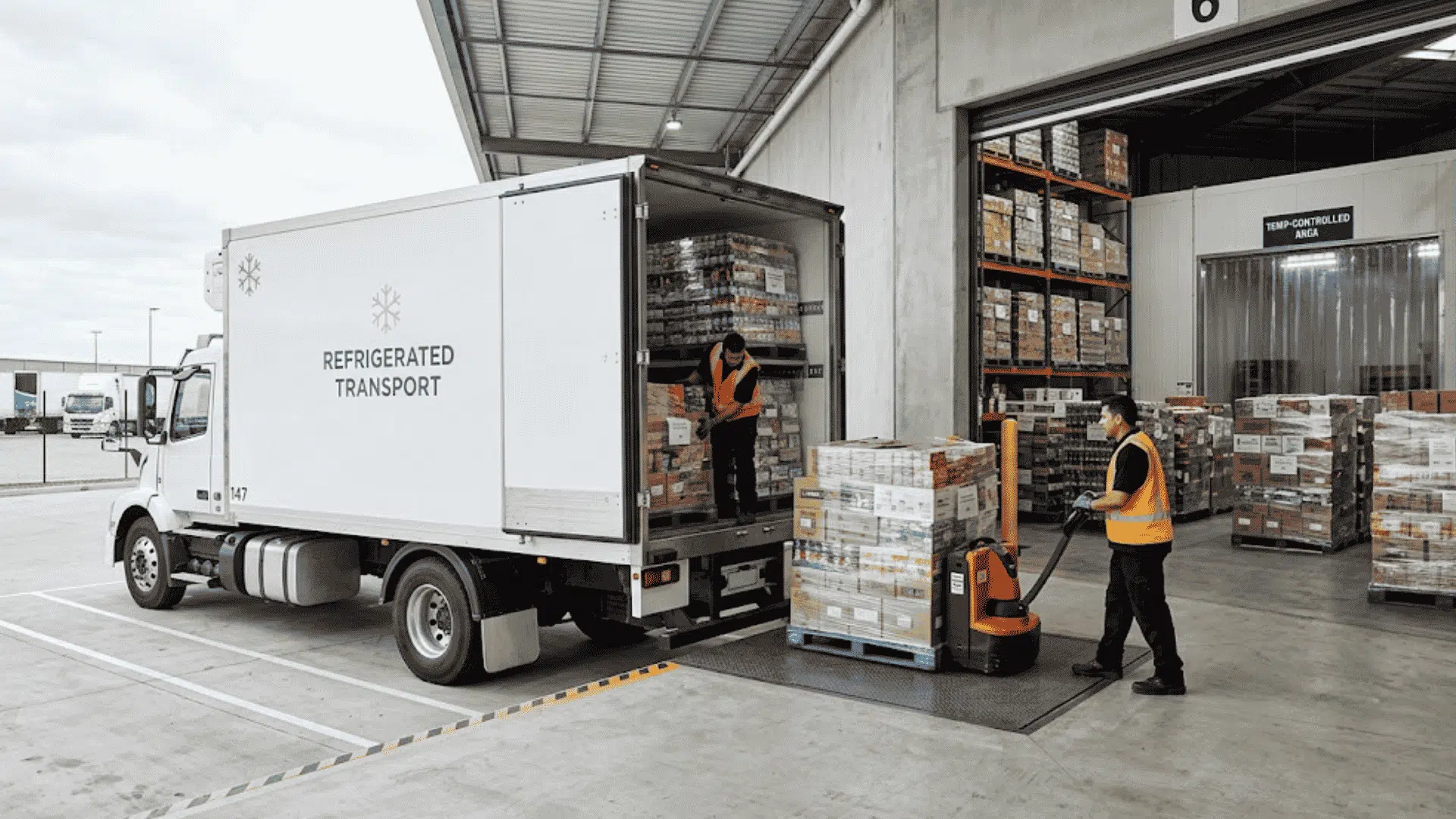
Cold chain logistics keeps food at the required temperature during storage, loading, transportation, unloading, and delivery. The right conditions depend on the product, so frozen, refrigerated, chilled, and ambient foods may need different handling.
Refrigerated trucks and cold storage facilities help maintain these conditions, while temperature monitoring can track changes during storage and transport.
Sensors or data loggers may record temperatures, and some systems can send alerts when readings move outside set limits.
If a temperature problem occurs, teams can assess the shipment and take corrective action before the product is released. Poor temperature control can lead to spoilage, quality loss, or food-safety risks.
How Does Food and Beverage Supply Chain Management Work?

Food and beverage supply chain management coordinates the movement of products, information, and inventory from suppliers and manufacturers to retailers, restaurants, foodservice businesses, or consumers.
The exact process varies by product and company, but the main stages generally work together as follows.
- Sourcing and Production: Food products or ingredients come from farms, suppliers, manufacturers, or other producers.
- Inbound Transportation: Raw materials or finished products are moved to processing facilities, warehouses, or distribution centers.
- Receiving and Storage: Facilities receive shipments, check inventory, and store products under suitable conditions.
- Inventory Management: Businesses track stock levels, lot information, expiration dates, and product movement to maintain availability and reduce waste.
- Order Processing: Orders are received, inventory is allocated, and products are picked and packed for shipment.
- Distribution and Delivery: Products move through distribution networks to retailers, restaurants, foodservice businesses, or other customers.
- Final Sale or Consumption: Products reach stores, restaurants, foodservice operations, or consumers for purchase or use.
Logistics providers can coordinate transportation, warehousing, inventory, fulfillment, and distribution.
Shipment data, scheduling, and communication help keep products moving on time. This is especially important for perishable foods, where delays or poor handling can reduce shelf life, increase waste, or affect quality.
What Regulations Govern Food and Beverage Logistics?
Food and beverage logistics must follow food-safety and transportation rules designed to prevent contamination and protect products during storage and delivery. The requirements depend on the food, facility, and activities involved.
Key areas include sanitary transportation, food-safety controls, facility registration, and traceability.
1. FSMA and Sanitary Transportation
The Food Safety Modernization Act (FSMA) includes rules for the sanitary transportation of food. Covered operations must use appropriate sanitary conditions and, when needed, maintain adequate temperature control during transportation.
Shippers and carriers may divide responsibilities through written agreements. Depending on the shipment, carriers may also need to demonstrate that required temperature conditions were maintained.
2. HACCP and Food Safety Programs
HACCP, or Hazard Analysis and Critical Control Points, is a preventive system that identifies food-safety hazards and establishes controls.
It applies to certain food operations under specific FDA requirements.
HACCP differs from FDA facility registration, a separate requirement for facilities that manufacture, process, pack, or hold food unless exempt. Registration does not mean FDA has approved the facility.
3. Traceability and Recall Readiness
Lot and batch traceability helps businesses track food as it moves through the supply chain and identify affected products during a recall. Receiving records are important because they connect products to suppliers, lots, and other key details.
The FDA Food Traceability Rule adds recordkeeping requirements for certain foods on the Food Traceability List. FDA is directed not to enforce the rule before July 20, 2028.
How Do Warehouses Manage Freshness and Reduce Spoilage?
Warehouses manage food freshness by storing products under suitable conditions, tracking shelf life, and rotating inventory at the right time, following warehouse operations efficiency insights to reduce waste.
Accurate lot and expiration-date records help teams know which products should move first.
FEFO is often useful for perishable foods because it prioritizes products with the earliest expiration dates, while FIFO prioritizes products that arrived first. The right method depends on the product and inventory requirements.
| METHOD | HOW IT WORKS | BEST FOR |
|---|---|---|
| FIFO | Ships older received inventory first | Products where arrival date is a useful rotation measure |
| FEFO | Ships products with the earliest expiration date first | Products with different or limited shelf lives |
Using the right rotation method can reduce unnecessary waste and help businesses meet shelf-life requirements set by retailers or customers. Good inventory tracking is essential for both methods.
What are Retailer Compliance and OTIF Requirements?

OTIF means On Time, In Full, a measure used by many retailers to check if suppliers deliver orders within the agreed time and quantity.
Retailers may also set specific delivery appointments, labeling rules, documentation requirements, and pallet or packaging standards.
Missing these requirements can lead to rejected shipments, rescheduling, chargebacks, or other penalties, depending on the retailer’s terms.
Accurate inventory records and careful transportation planning help reduce these problems.
Logistics providers can support compliance by coordinating delivery schedules, checking order quantities, and preparing shipments according to retailer requirements.
What Should You Look for in a Food and Beverage Logistics Provider?
The right logistics provider should offer services that match your products and supply chain needs. Look for experience with food and beverage products, suitable storage and transportation, reliable inventory controls, and strong communication.
- Industry Experience: Choose a provider familiar with food handling, temperature requirements, shelf life, and retailer standards.
- Storage and Transportation: Check for food-grade warehousing and suitable refrigerated, frozen, or ambient transportation when needed.
- Inventory and Visibility: Look for lot and expiration tracking, inventory visibility, shipment updates, and clear communication.
- Distribution and Fulfillment: Make sure the provider can handle order processing, picking, packing, distribution, and other required services.
- Scalability and Coverage: Choose a provider with suitable geographic coverage and the capacity to support seasonal demand or business growth.
The best fit depends on your products, temperature needs, shelf life, sales channels, delivery requirements, and the level of logistics support needed to keep your supply chain running smoothly.
Closing Thoughts
Food and beverage logistics involves much more than moving products from one location to another.
Transportation, warehousing, inventory management, cold chain control, distribution, fulfillment, and retailer requirements must all work together.
I believe strong coordination matters most when products are perishable or have strict delivery windows. The right logistics provider can help businesses reduce waste, maintain product quality, track inventory, and keep orders moving on schedule.
When these areas are managed properly, the supply chain becomes more reliable and easier to control.
What part of food and beverage logistics do you think creates the biggest challenge for businesses? Share your thoughts in the comments below.
Frequently Asked Questions
What Temperature Should Food Be Transported At?
Food transport temperatures vary by product and safety requirements. Refrigerated, frozen, and ambient products may require different conditions, so there is no single temperature for all foods.
How Can Food Logistics Companies Reduce Spoilage?
Companies can reduce spoilage through proper temperature control, accurate inventory tracking, FEFO rotation, suitable storage, shipment monitoring, and quick action when problems occur.
Why is Refrigerated Capacity Important in Food Logistics?
Refrigerated capacity helps protect temperature-sensitive products during storage and transportation. Limited reefer availability can make shipment planning harder and increase pressure on delivery schedules.
What are the Biggest Challenges in Food and Beverage Logistics?
Common challenges include temperature control, limited shelf life, delivery deadlines, changing demand, inventory waste, compliance requirements, and maintaining reliable transportation capacity.