The logistics industry is in the middle of a quiet power shift, and I don’t think most people see it coming yet.
What I keep coming back to is how consolidation is rewriting who controls global supply chains, and in my experience, most shippers won’t feel the full weight of it until they wake up one day and find their options have already narrowed.
Here’s what worries me: this isn’t just big companies getting bigger. It’s a cycle that feeds itself, and it’s moving faster than I think most people realize.
Let me start with what consolidation actually means in this context, because I’ve found the term causes more confusion than it should.
Understanding Logistics Sector Consolidation
Logistics sector consolidation refers to two different things depending on who is using the term, and the confusion is worth resolving before anything else.
- Corporate consolidation: Mergers, acquisitions, and strategic partnerships reduce the number of independent logistics companies in the market. Large 3PLs and freight forwarders buy smaller competitors to expand their reach, increase scale, and offer end-to-end supply chain services.
- Operational consolidation: Multiple smaller shipments are combined into one full load, or several warehouses are reduced to fewer, larger facilities. This improves supply chain efficiency but does not change the market structure.
They share the same name because the underlying logic is identical in both cases: fragmented units are combined into fewer, larger ones to lower the cost of handling each unit.
The corporate version does this at the level of companies and networks. The operational version does it at the level of freight and floor space.
Common Misconceptions About Logistics Consolidation
When I first look at logistics consolidation, the obvious argument is easy to accept. Bigger providers should mean better efficiency, stronger networks, improved technology, and lower costs for shippers. That framing is partially true. It’s also incomplete.
The part I think gets missed most often is what happens after consolidation goes too far. The remaining providers do not always compete harder.
In some cases, competition decreases because pricing power becomes concentrated and rate pressure starts to soften.
Another thing to notice is that people often treat consolidation like a single event. They picture large companies buying smaller ones and the market eventually settling. But in reality, it works in a way that keeps creating the conditions for more consolidation.
From what I’ve seen, larger networks can bring better coverage, but they can also create slower decisions and less personal accountability.
Shippers often expect consolidation to simplify logistics by reducing providers. That can happen, but relying on fewer companies also increases dependency and reduces negotiating power when conditions change.
What Actually Drives Consolidation in The Logistics Sector, and Why Do These Forces Compound?
Logistics sector consolidation is driven by these well-documented forces: fragmented markets, shipper demand for end-to-end capability, the cost of technology, and economies of scale.
How Fragmented Markets Lead to More Acquisitions
Logistics consolidation often starts in fragmented markets where small operators compete on thin margins and lack buying power.
- Freight forwarding and regional trucking include thousands of small providers with limited market share.
- Private equity firms acquire these operators and combine them into larger networks.
- Greater shipment volume helps consolidated providers negotiate lower carrier rates.
- Lower costs improve margins and make it harder for independent operators to compete.
- Smaller providers may exit the market or accept acquisition offers.
- Each deal reduces competition and makes the remaining businesses more attractive targets.
This repeats, causing consolidation to accelerate rather than slow down.
Why Technology Is Driving Logistics Consolidation
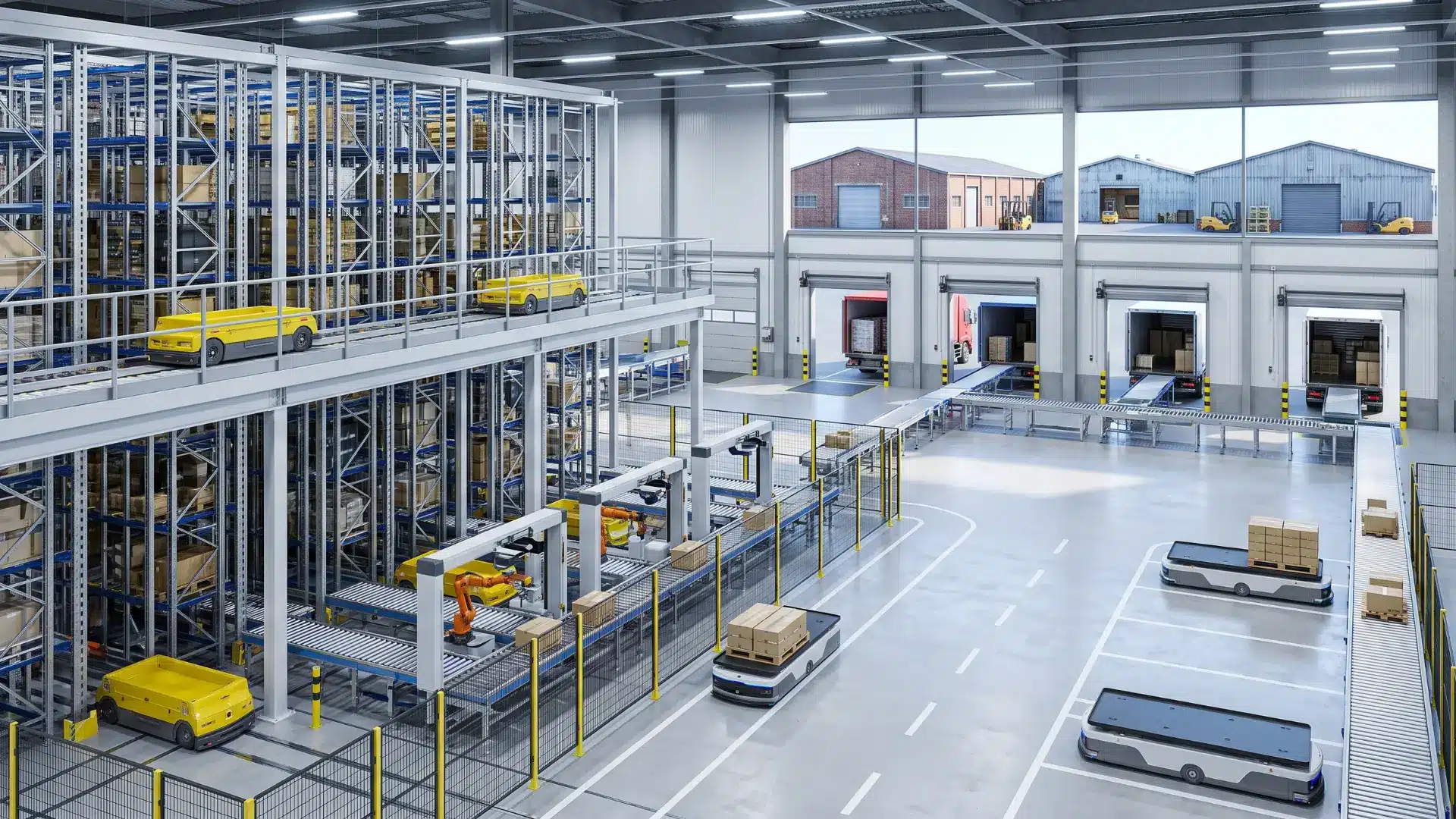
Technology has become a major reason logistics companies acquire competitors instead of relying only on internal growth.
- Warehouse systems, shipment visibility tools, and AI routing platforms require major investment.
- Mid-sized operators often cannot afford to build or maintain these systems on their own.
- Large 3PLs can develop technology internally, but acquisitions are often faster and cheaper.
- Technology companies gain immediate access to larger customer networks after an acquisition.
- A platform serving hundreds of clients can quickly expand across thousands of shipments.
Each technology deal increases the capability gap between large providers and smaller competitors.
How Shipper Expectations Push Consolidation Forward
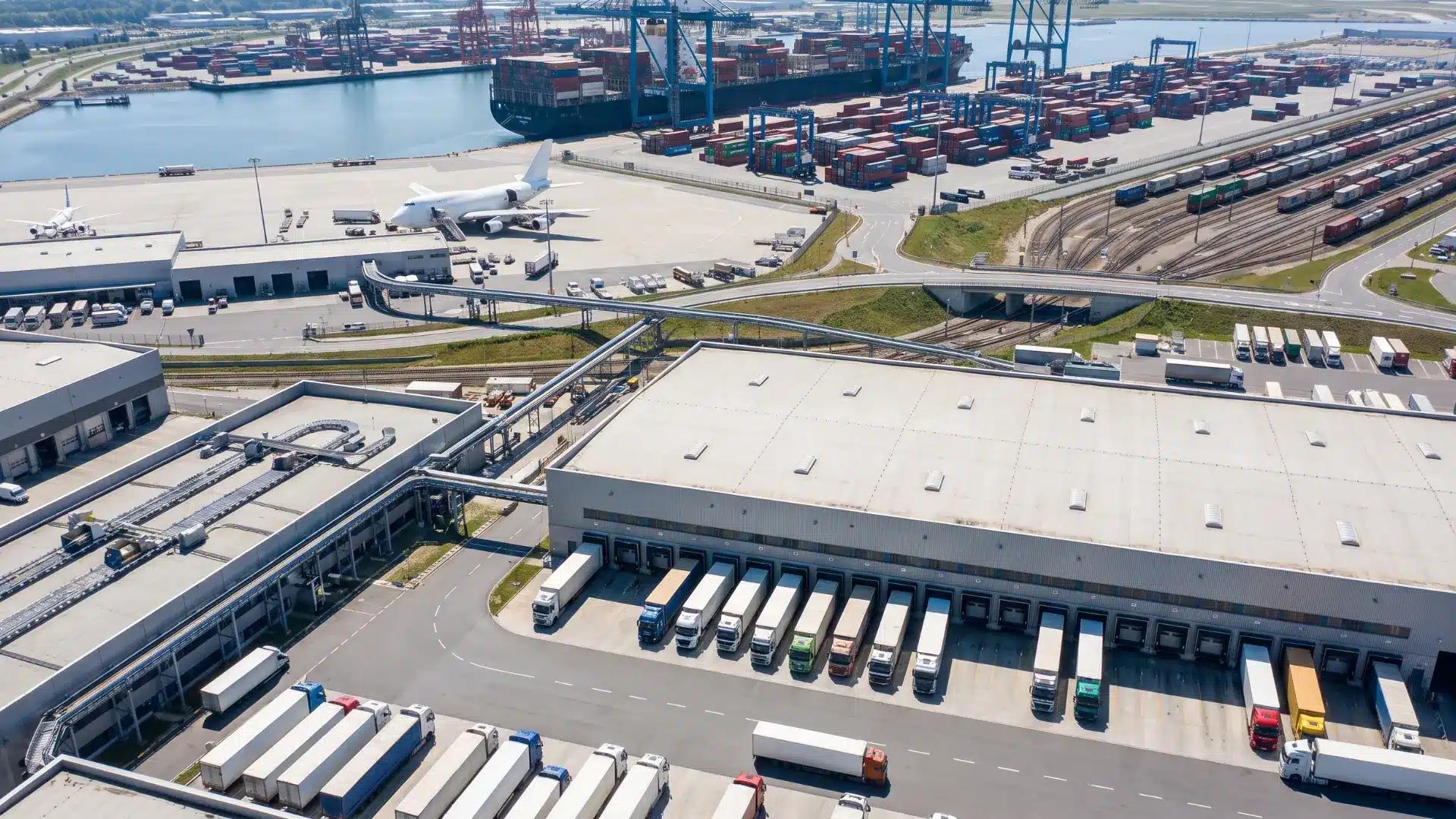
Shippers are also encouraging consolidation by asking fewer providers to handle more parts of their supply chains.
- Businesses are reducing large carrier lists to a small group of strategic 3PL partners.
- Fewer providers mean simpler billing, easier integrations, and clearer accountability.
- Shippers increasingly expect one provider to cover air, ocean, ground, and warehousing.
- A 3PL without full-service capabilities may lose contracts to a larger competitor.
- Providers respond by acquiring missing services, technology, or regional coverage.
- Large shippers reward companies that consolidated early and can already offer wider support.
Together, fragmented markets, technology costs, and shipper demand create a cycle where every acquisition makes the next one more likely.
Why Scale Creates a Competitive Advantage in Logistics
The reason scale produces these advantages isn’t arbitrary. Logistics networks have high fixed costs: trucks, terminals, warehouse facilities, and staff that exist regardless of how much freight moves through them.
When two networks merge and freight concentrates across fewer assets, the fixed cost of each asset is now spread over more shipments. That’s what lowers the cost floor.
A terminal handling 10,000 containers a month costs roughly the same to operate as one handling 6,000, but the per-container cost is 40% lower.
This is why consolidation doesn’t just benefit the companies involved; it structurally disadvantages anyone outside the network who is still absorbing those fixed costs across lower volume.
Organic growth can eventually reach the same place, but acquisition gets there faster and eliminates a competitor in the process.
Operational Consolidation: Freight, Shipment, and Warehouse Consolidation
Corporate consolidation changes who controls logistics markets, while operational consolidation is a supply chain technique used by shippers and providers. Understanding them separately helps avoid confusing the two.
Freight and Shipment Consolidation
Freight consolidation combines multiple less-than-truckload (LTL) shipments from different shippers or suppliers into a single full truckload (FTL) or full container load (FCL) for the main transport leg.
A logistics provider acting as a consolidator collects partial loads heading to the same destination or region, fills the vehicle, and moves them together. The cost logic is straightforward.
A full truckload costs roughly the same to move whether it carries one shipper’s freight or six. By filling the truck, the fixed transport cost is divided across more cargo, and each shipper pays a fraction of what a dedicated vehicle would cost.
The difference between LTL and consolidation is largely one of control: LTL is a carrier-managed service where the carrier decides how loads combine; consolidation is a deliberate strategy a shipper or 3PL executes, often selecting which shipments travel together and managing the timing to make it work.
Warehouse Consolidation
Warehouse consolidation reduces a company’s number of regional storage and distribution facilities in favor of fewer, larger, often more automated centers. A business running eight regional warehouses might consolidate into three strategically located fulfillment hubs.
The fixed-cost logic here mirrors freight consolidation exactly. A warehouse’s core costs lease, utilities, management systems, staff exist at a relatively fixed level regardless of throughput.
Concentrating volume into fewer facilities spreads those costs over more units shipped and makes investment in automation economically viable at a scale that smaller, distributed sites cannot justify.
The trade-off is coverage: fewer locations typically mean longer last-mile distances, which is why warehouse consolidation decisions usually come paired with an analysis of which delivery zones can absorb the additional transit time without affecting service levels.
How does consolidation change the experience for shippers?
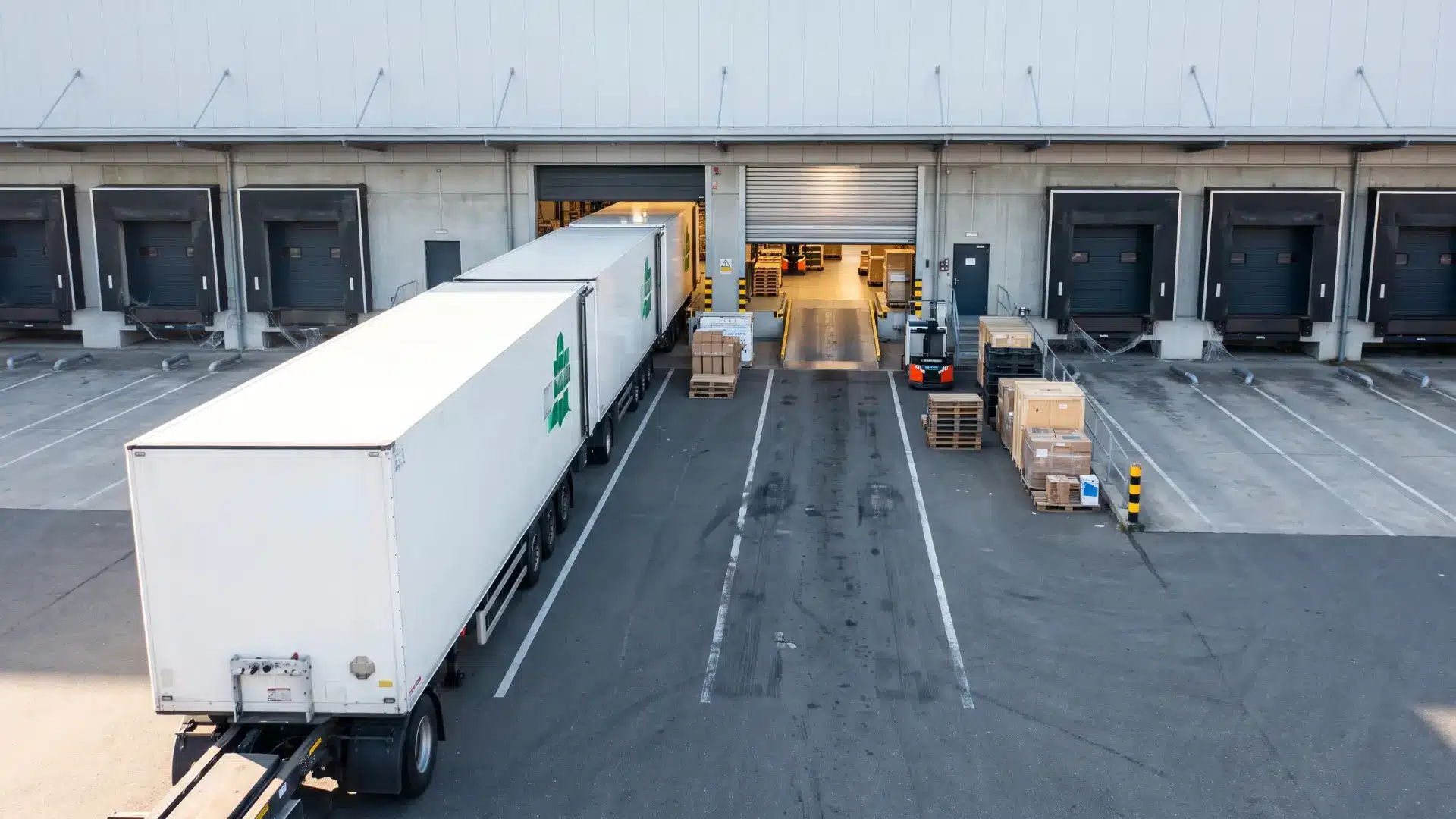
For shippers, logistics sector consolidation creates three effects: simpler operations, better access to technology, and long-term pricing risks. These impacts vary depending on business size.
Fewer Partners, but Not Necessarily Better Terms
Shippers are reducing carrier bases to simplify administration, integrations, and accountability. Consolidation encourages this shift, while the shift itself gives larger providers more influence overall.
The operational benefits are clear, but fewer carrier relationships also mean fewer alternatives when service weakens, prices rise, or contract terms become less favorable later.
As operations become tied to one consolidated provider, switching becomes harder. That dependence gradually shifts negotiating power toward the provider as the market narrows further.
Operational simplicity still has value, but shippers should understand the trade-off: less administrative work today may mean weaker leverage and higher overall switching costs.
Why Mid-Market Shippers Face the Biggest Challenges
Consolidation affects shippers unevenly, with mid-market companies facing the greatest pressure because they lack both enterprise leverage and the flexibility of micro-shippers in changing markets.
Enterprise shippers use high freight volumes to negotiate custom pricing, secure technology investment, and gain executive attention from large 3PL providers that depend on them.
Micro-shippers remain flexible by using spot markets and digital freight platforms, avoiding deep provider commitments that make consolidation less disruptive for them in practice today.
Mid-market shippers spend enough to need stable partnerships but lack the volume to demand custom terms, leaving fewer credible alternatives as consolidation advances across markets.
What Changes, Strategically and Practically, when You Understand Consolidation Correctly?
Once the self-reinforcing cycle becomes clear, shippers and logistics professionals can make earlier, better-timed decisions.
| Who It Affects | What Changes | Why It Matters | What to Watch |
|---|---|---|---|
| Shippers | Reduce the carrier base while strong alternatives still exist. | Earlier action improves leverage, supports better contract terms, and reduces dependence on a single provider. | Provider choice, switching costs, pricing terms, and service coverage. |
| Logistics professionals | Focus on fragmented sectors where consolidation may accelerate next. | Cold chain, hazmat, and last-mile delivery still offer room for private equity rollups. | PE-backed deals, regional acquisitions, and capability gaps. |
| Both groups | Treat technology acquisitions as an early market signal. | A 3PL buying WMS or AI routing firms shows which capabilities are becoming essential. | Software deals, platform expansion, and widening gaps between large and small providers. |
Understanding these signals helps businesses act before fewer providers, higher switching costs, and weaker negotiating positions limit their choices.
Conclusion
I don’t think logistics sector consolidation is something you can afford to watch from a distance anymore.
The providers are moving. The deals are accelerating. And from where I sit, the window to make deliberate decisions about your carrier base, your contract terms, and your provider relationships is a lot narrower than it was two years ago.
The shippers I expect to come out ahead won’t necessarily be the largest ones. They’ll be the ones who read the dynamic early and positioned accordingly.
So if this piece changed how you’re reading the market, I’d say the next step is straightforward: audit your current provider relationships with fresh eyes.
Frequently asked questions
What is the difference between logistics sector consolidation and freight consolidation?
Logistics sector consolidation refers to mergers and acquisitions among logistics providers, large 3PLs absorbing smaller competitors to build scale. Freight consolidation is an operational tactic in which a shipper combines multiple small shipments into a single load to reduce transportation costs. The two terms describe entirely different activities at different levels of the supply chain.
What is a consolidator in logistics?
A consolidator is a logistics provider that collects shipments from multiple shippers, combines them into full loads, and arranges transport to a shared destination or distribution hub. They act as intermediaries who make freight consolidation viable for shippers whose individual volume is too small to justify a dedicated full truckload on its own.
What is the difference between consolidation and deconsolidating in logistics?
Consolidation combines multiple smaller shipments into one larger load for the main transport leg. Deconsolidation is the reverse: splitting that combined load back into individual shipments at the destination for final delivery to separate recipients. The same logistics provider typically manages both steps as part of a single freight movement.
How does freight consolidation differ from LTL shipping?
LTL is a carrier-managed service where the carrier decides how partial loads are combined across its network. Freight consolidation is a deliberate strategy a shipper or 3PL executes, selecting which shipments travel together and coordinating timing to fill loads efficiently. Consolidation can be carried out through LTL carriers, but it can also be managed independently through a consolidator or 3PL with no direct LTL relationship involved.