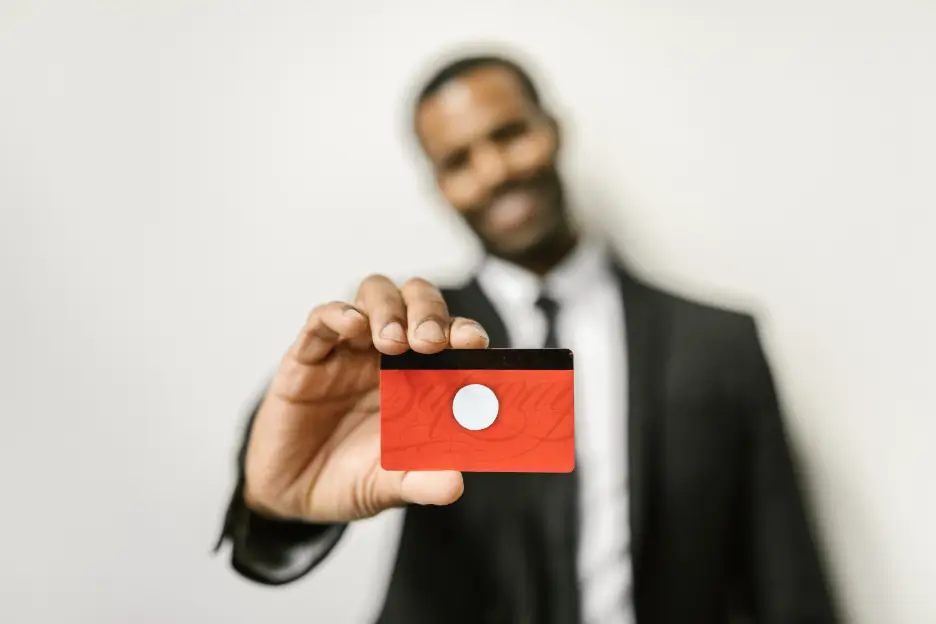
Most business cards, postcards, and event badges go into the same place – a drawer, the recycling bin, or the bottom of a bag and are forgotten within a few minutes of being exchanged.
In a world of all scrolling and short attention spans, static print just can’t grab hold.
Now, there’s one print format that frequently defies the trend — it won’t stay put. Lenticular cards move, fold, and create depth all within the eyesight of the viewer, making a handoff of a card actually worth a pause. This response is not random – it is related to the way that our brains react to movement and newness.
But before you dismiss print as “old news,” look at how these cards do it, in five points:
1. Trigger Movement-Based Attention
This is where lenticular cards stand out from all other flat print pieces in someone’s hand. Human eyes are programmed to first detect movement — and marketers know how to use that.
As a card switches between two pictures or slides into a 3D effect when it is tilted, the eye is drawn to it without conscious control. That’s nothing like the starting point of a flyer vying for a glance.
Indeed, studies on interactive and dynamic visuals have shown they can be more effective than static visuals in recall, as the increased interaction time creates deeper processing of the brand cues that are associated with them. That translates to a brand having more than a 50% chance of survival within the first few seconds.
2. Static Message Into a Multi-Image Story
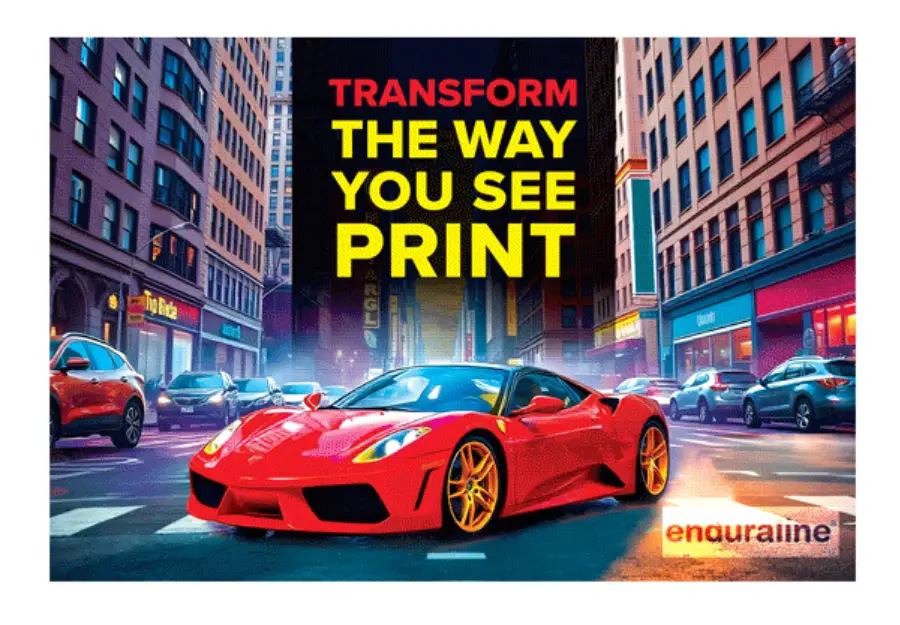
A regular card may only contain one statement. Two or three can be written on a lenticular card.
Consider a “before and after” flip, a product opening up, or a logo transforming into a tagline – all in a single object, without an app, without a scan, and without requiring any extra step.
That “intended order” provides time to actually tell a story, rather than just throw out a message, and people remember stories, not slogans. It’s a slight change in format, but it alters the whole dynamics between the card and the person playing with it, as the person is not just reading a card but watching it play out.
3. Tactile, Collectible Quality People Want to Keep
Attention is half the solution; retention is the other half – and it’s a physical challenge, not just a visual challenge. A lenticular card is not a typical cardstock print; it has weight, texture and a moderate plastic feel.
Recent studies on visual identity have shown that unconventional, tactile visual information is remembered more reliably than flat, traditional visual information. That alone is enough to cause people to view a lenticular piece not only as something to keep, but as something that isn’t trash. Some common examples of this in practice:
- A trading card that is not thrown away
- A postcard that doesn’t make it to the recycling bin but onto a fridge
- An event badge that is a desk souvenir forever after the event.
- A coaster or magnet that continues to rotate in the household for the fun of the display
As soon as a card lands in one of those locations, your brand continues to receive free, continuous impressions each time that card is found.
4. Extended Exposure Time Long After the First Glance
The visual impact is only fully effective when the card is moved, and people tend to turn and tilt it back and forth to view the two frames again. That repeated action equates to multiple exposures to your branding in one action, not just one. That’s compared to a digital ad, which may only receive a half-second look before a thumb swipes past it.
Thus, the card has served a dual purpose: it has been noticed initially, and then each time someone plays with it or displays it to a neighbor, the piece is noticed again, making it several moments of contact for one print card.
5. Make Recipients Want to Show Someone Else
When people find something unusual, they share it as a novelty. When a card gets flipped or 3D, it’s easy to say “Look at this” and suddenly become the person’s promoter – without pay – for a few seconds anyway. This is consistent with the eye-tracking studies of visual attention and recall, which identified that the longer the visual was held, the more likely it was to be recalled and mentioned afterwards.
When you’re dealing with lenticular pieces, this kind of exposure happens naturally, as the lenticular format is the “gimmick” by which you’re sharing your message. In the case of events, trade shows, or direct mail campaigns, the ripple effect can be a valuable way to reach people outside of the mailing list or handout list.
Conclusion
So, how do lenticular cards make a brand instantly memorable?
Instead of having to rely on one static image to work, they have five psychological triggers all in one little object: motion, storytelling, texture, repeated viewing, and shareability. A lot of marketing leverage in something as small as a business card.
So, if your print pieces are being seen once and never seen again, you may want to try an approach that’s designed to be grabbed, rotated, and displayed again.