Bathrooms have evolved far beyond their traditional purpose. Today, homeowners are paying closer attention to comfort, hygiene, efficiency, and technology in every corner of the home, including the bathroom. Among the most talked-about innovations is the smart toilet, a fixture that is changing expectations around personal care and convenience.
What was once considered a luxury feature found only in high-end hotels and premium homes is becoming increasingly accessible. Smart toilets combine advanced technology with practical benefits, offering a more hygienic, comfortable, and efficient bathroom experience. As homeowners continue investing in modern upgrades, these intelligent fixtures are gaining widespread attention for good reason.
What Is a Smart Toilet?
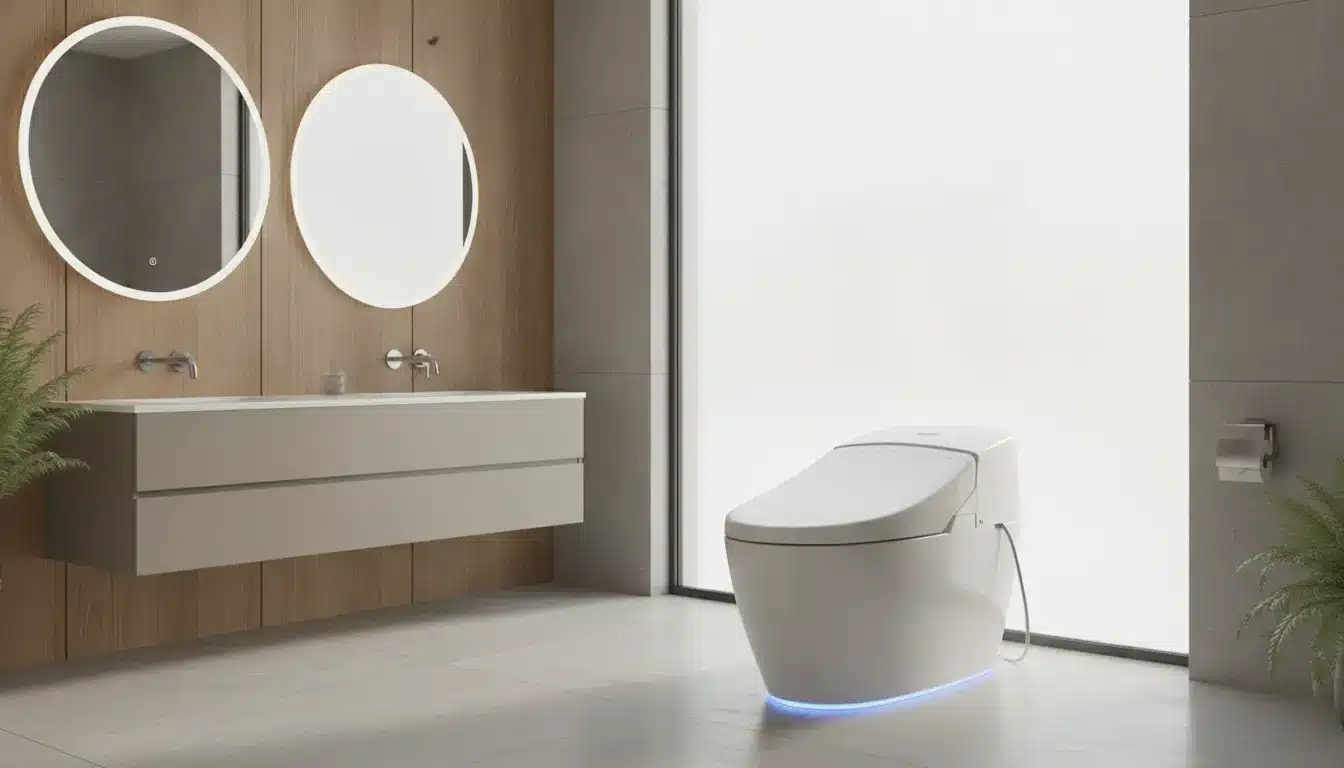
A smart toilet is a technologically enhanced toilet designed to improve comfort, cleanliness, and functionality. Unlike conventional toilets, smart models often include automated features such as heated seats, self-cleaning functions, touchless flushing, adjustable water pressure settings, air dryers, and built-in deodorizers.
Many smart toilets use sensors that detect user presence, allowing lids to open and close automatically. Some models can even remember personalized settings for multiple household members. These features create a more customized and convenient experience while reducing the need for physical contact with bathroom surfaces.
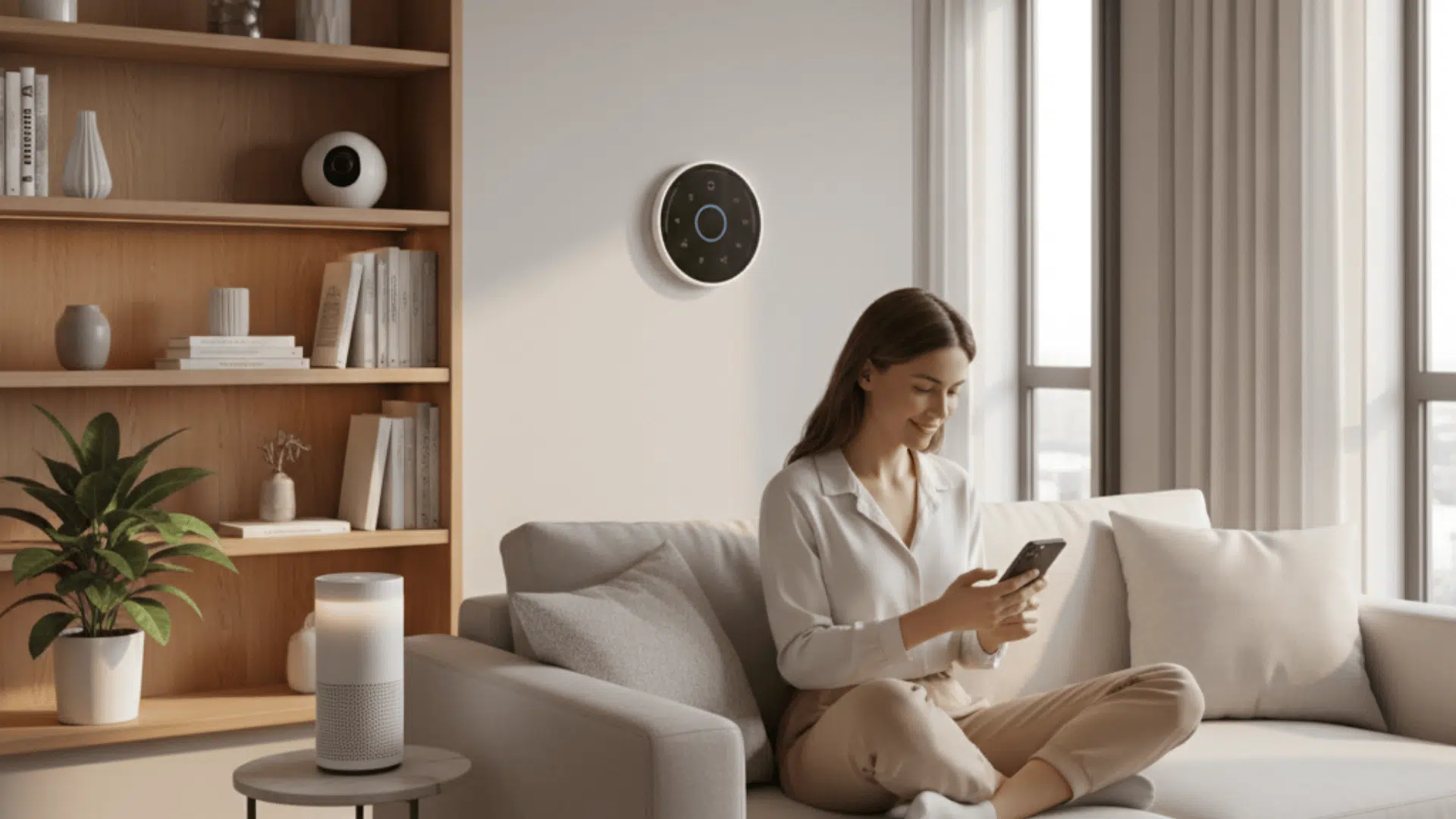
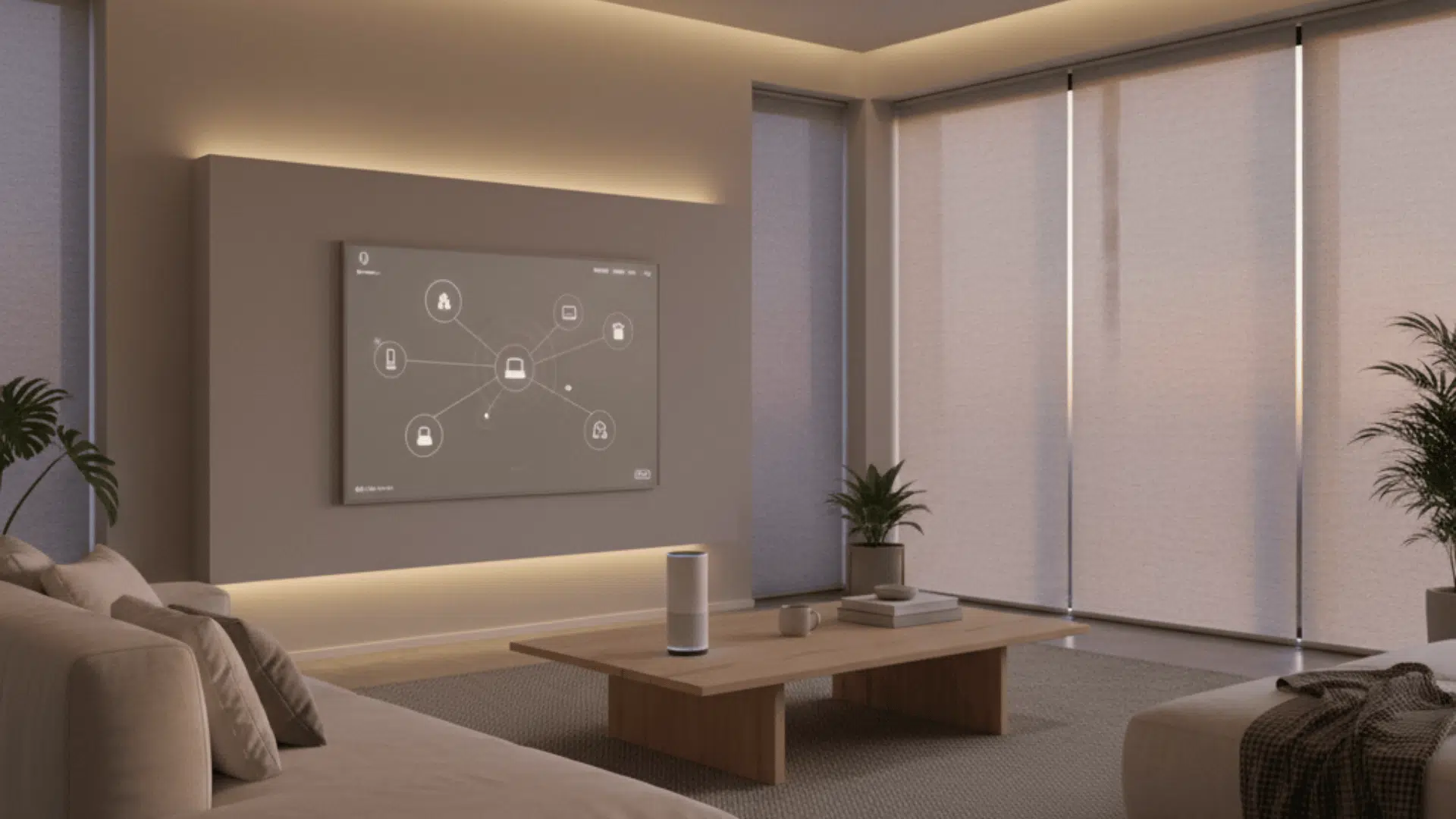
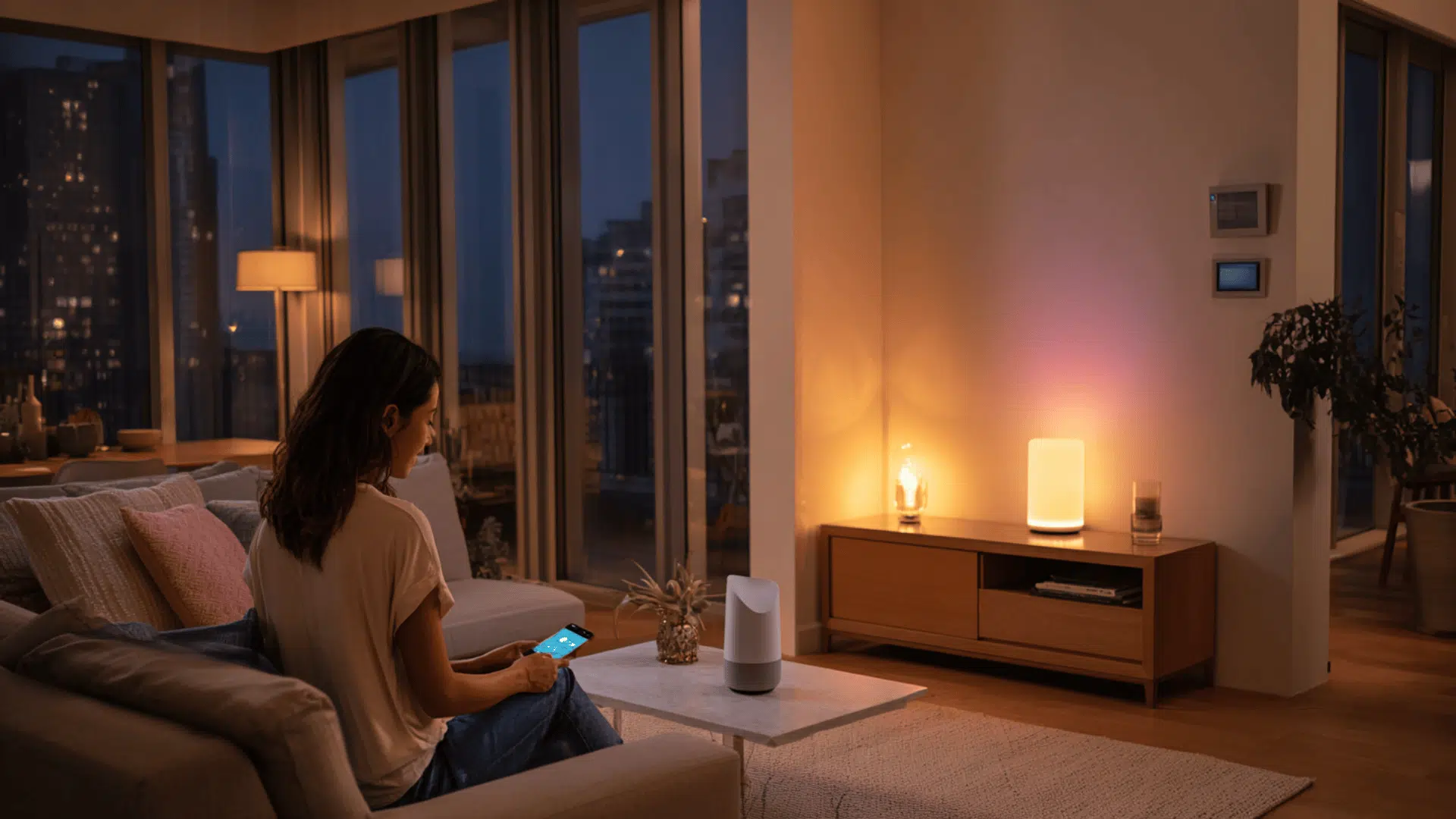
The rise of smart home technology has contributed significantly to the popularity of these fixtures. As consumers become accustomed to intelligent thermostats, lighting systems, and security devices, integrating smart bathroom technology feels like a natural next step in creating a connected and efficient living environment.
The Hygiene Benefits That Drive Interest
One of the strongest reasons people switch to smart toilets is improved hygiene. Traditional toilet paper alone may not provide the same level of cleanliness as water-based cleansing systems. Smart toilets often include integrated washing functions that offer a more thorough and refreshing experience.
Many homeowners are specifically searching for a smart toilet with bidet because it combines advanced toilet technology with the cleansing advantages of bidet functionality. Adjustable water temperature, pressure controls, and personalized washing options allow users to achieve a level of comfort and cleanliness that traditional methods cannot easily match.
The hygiene advantages extend beyond personal care. Self-cleaning nozzles, antimicrobial surfaces, automatic flushing, and touchless operation help reduce the spread of germs within the bathroom. This focus on sanitation has become increasingly important as consumers place greater emphasis on maintaining cleaner living spaces.
Comfort Features That Enhance Daily Life
Comfort is another major factor behind the growing popularity of smart toilets. Features such as heated seats can make a noticeable difference during colder months, providing a more pleasant experience every day. While this may seem like a small luxury at first, many users quickly view it as an essential convenience once they experience it.
Advanced models often include warm air drying systems, customizable settings, ambient night lighting, and quiet operation. These additions help transform a routine daily task into a more comfortable and seamless experience. For households with elderly family members or individuals with mobility challenges, these features can also improve accessibility and independence.
Personalization plays a significant role in the appeal of smart toilets. Users can adjust settings based on their preferences, creating a tailored experience that feels both modern and practical. The ability to save these preferences for different users adds another layer of convenience for families sharing the same bathroom.
Water Efficiency and Environmental Advantages
Sustainability has become an important consideration in home improvement decisions. Many smart toilets are designed with water conservation in mind, helping households reduce unnecessary water usage without compromising performance.
Modern smart toilets often feature dual-flush systems and optimized flushing technologies that use water more efficiently than older toilet models. This can contribute to lower utility bills while supporting broader environmental goals. As communities increasingly focus on resource conservation, efficient bathroom fixtures are becoming more attractive to environmentally conscious homeowners.
The reduced reliance on toilet paper can also have environmental benefits. While toilet paper remains part of many users’ routines, integrated cleansing systems often reduce overall consumption. This shift may decrease household waste and contribute to more sustainable daily habits over time.
Why Smart Toilets Are Becoming More Mainstream
The perception of smart toilets has changed significantly over the past decade. Initially viewed as a luxury product reserved for premium properties, they are now reaching a broader market thanks to increased availability and expanding product options.
Growing awareness has played a major role in this shift. Homeowners are learning more about the practical advantages these systems offer, particularly regarding hygiene, comfort, and efficiency. Positive user experiences and recommendations from friends, family members, and industry professionals continue to drive interest.
Home renovation trends have also contributed to their popularity. Modern bathroom remodels increasingly prioritize wellness, convenience, and technology integration. Smart toilets align perfectly with these goals, making them a logical addition for homeowners seeking long-term value from their renovation investments.
Important Considerations Before Upgrading
Although smart toilets offer many benefits, homeowners should carefully evaluate their specific needs before making a purchase. Different models vary widely in terms of features, installation requirements, and overall functionality. Understanding which features will provide the greatest value can help buyers make informed decisions.
Electrical access is one important consideration. Many smart toilets require a nearby power source to support their advanced functions. Homeowners planning a renovation may need to account for electrical modifications during the installation process. Working with qualified professionals can help ensure proper setup and long-term reliability.
Maintenance requirements should also be considered. While many smart toilets include self-cleaning features, routine care remains important for preserving performance and extending product lifespan. Reviewing manufacturer recommendations and understanding warranty coverage can help homeowners protect their investment over time.
The Future of Bathroom Technology
The growing popularity of smart toilets reflects a larger movement toward smarter, more personalized homes. As technology continues advancing, future models may incorporate even more sophisticated features focused on health monitoring, resource efficiency, and user convenience.
Manufacturers are already exploring innovations that could provide additional insights into personal wellness while maintaining privacy and ease of use. These developments suggest that bathroom technology will continue evolving alongside broader smart home trends.
For homeowners seeking practical upgrades that combine comfort, cleanliness, and innovation, smart toilets represent a compelling option. Their ability to enhance daily routines while supporting modern living standards positions them as one of the most influential bathroom innovations available today.
Conclusion
Smart toilets are no longer a niche luxury reserved for upscale properties. They have emerged as a practical home upgrade that addresses some of the most common concerns homeowners have about hygiene, comfort, efficiency, and convenience. By combining advanced technology with everyday functionality, these fixtures are redefining expectations for modern bathrooms.
As more households embrace smart home solutions, the bathroom is becoming an increasingly important part of that transformation. Whether motivated by improved cleanliness, greater comfort, environmental benefits, or long-term value, homeowners are discovering that smart toilets offer far more than a simple technological novelty. They represent a meaningful improvement to everyday living and a glimpse into the future of home design.