Robot lawn mowers promise a neat lawn without pushing a heavy machine in the heat. Families often ask one question first: are these devices safe for pets and kids? The idea of sharp blades moving around the garden can sound risky, yet modern models pack many smart safety features. Sensors, low-profile blades, and automatic shut-off systems work together to reduce danger. Some mowers even use AI vision and mapping to move more precisely and avoid obstacles. Check out Sunseeker S4 or more lawn mower robots for trickier layouts, which use advanced navigation to handle winding paths and layered gardens more safely.
How Safe Are Robot Lawn Mowers for Families?
Built-In Safety Features and Sensors Explained
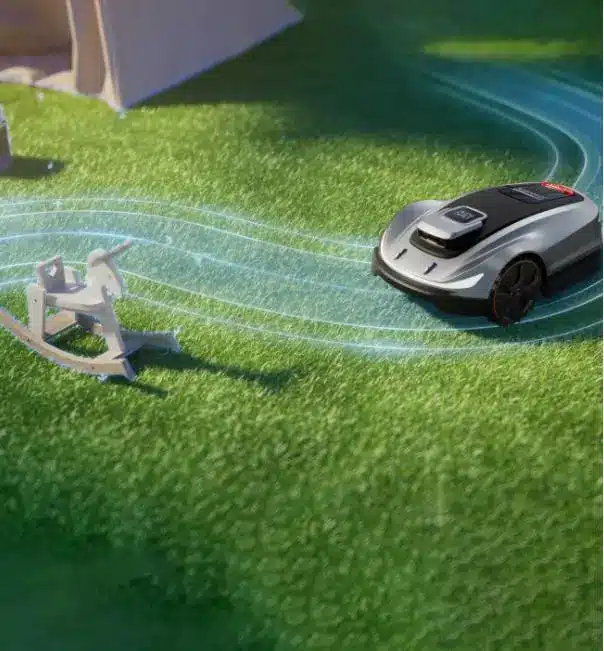
Manufacturers design robot lawn mowers with safety as a core priority, especially for homes with children and pets. Most units rely on multiple sensors to detect obstacles and change direction before making contact. Collision sensors trigger when the mower bumps a toy, shoe, or animal, prompting it to reverse and reroute. Tilt and lift sensors react if someone tries to pick up or tip the mower, usually stopping the blades immediately. Many models include rain and slope sensors, which help avoid unsafe working conditions. Advanced robots like Sunseeker S4 go further with AI vision and precise mapping, so they navigate more accurately, miss fewer spots, and avoid random wandering that could bring them closer to kids and pets.
Blade Design and Injury Prevention Mechanisms
Robot lawn mowers use blade systems that differ from traditional rotary push mowers. Many models feature lightweight, pivoting blades fixed under a protective deck, set well inside the body of the machine. This design makes it harder for small fingers or paws to reach the cutting area during normal use. The blades usually sit low and close to the ground, reducing the chance of contact with anything taller than the grass. Some mowers employ multiple small blades rather than a single heavy metal disc, which lowers impact force if contact occurs. Rounded body edges and low speeds also help prevent cuts and bruises. When combined with strict safety standards and testing, these design choices significantly reduce the risk of serious injury.
Automatic Shut-Off and Lift Detection Systems
Automatic shut-off is one of the most important safety tools in a robot lawn mower. Lift and tilt sensors monitor the mower’s position at all times. If a child tries to flip the mower or a pet nudges it onto a slope, the system detects the unusual angle and stops the blades within seconds. Many models also stop cutting when someone presses a large, clearly marked emergency button on the top. Some robots pause mowing when they detect rain or an obstacle they cannot bypass safely. Others connect to apps that let you stop the mower remotely. These layers of protection work together to ensure the blade moves only in stable, intended conditions, limiting risks around curious kids and pets.
How Can You Use Robot Lawn Mowers Safely?
Setting Boundaries and Safe Operating Zones
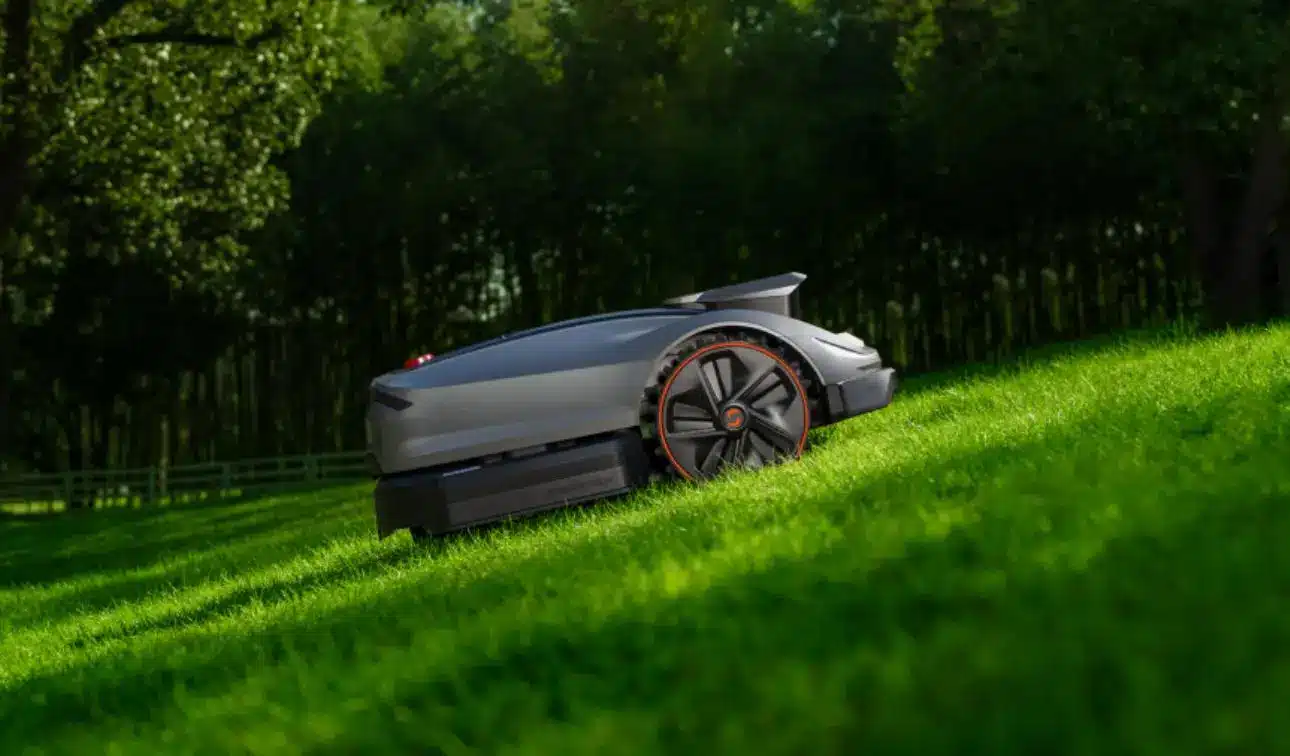
Safe use starts with clear boundaries. Most robot lawn mowers rely on a perimeter or guide wire that you install around the lawn and sensitive areas. You can keep the mower away from play zones, ponds, kennels, and flower beds. Take time to plan the boundary so the robot never needs to pass close to swings, sandpits, or pet runs. Advanced models like Sunseeker S4 can map complex, narrow passages and layered areas with AI vision and precise route planning. This reduces random movements and lets you set no-go zones more accurately. Always remove toys, balls, and garden tools before each mowing session. A tidy lawn limits unexpected obstacles and keeps your mower in the safest, most predictable paths.
Supervising Use Around Kids and Pets
Even with strong safety features, supervision still matters. Treat a robot lawn mower like any other power tool and keep young children away while it operates. Many owners schedule mowing for times when kids and pets stay indoors, such as early morning or evening. Teach older children not to sit on, ride, or play with the mower and to avoid touching it while it moves. If a pet appears nervous or curious, watch the first few runs and adjust operating times as needed. Use the app or on-board controls to pause or stop the mower when kids start playing outside. Simple rules and active supervision help the mower work smoothly without creating stress or avoidable risks.
Regular Maintenance and Safety Checks
Regular maintenance keeps your robot lawn mower both effective and safe. Before each season, check the blades for wear, bends, or damage and replace them according to the manual. Dull or broken blades can snag rather than cut, which may cause the mower to jerk or stall. Inspect the wheels, body, and underside for trapped branches, string, or toys. Test the lift, tilt, and stop buttons regularly to confirm they still react quickly. Ensure the boundary wire remains intact and firmly in place so the mower stays inside safe zones. Clean grass build-up from the housing to prevent overheating. When you update the mower’s firmware or app, review any new safety settings and enable them for extra protection.
Conclusion
Robot lawn mowers can be safe for families when you combine built-in protections with thoughtful use. Modern models include obstacle sensors, shielded blades, and rapid shut-off systems that help protect curious kids and pets. Advanced options such as Sunseeker S4 also use mapping, AI vision, and precise routes to move more predictably through complicated gardens. Your role is to set clear boundaries, plan safe mowing schedules, and keep children away while the mower runs. Regular maintenance and simple safety checks further reduce risk. With the right model and habits, a robot lawn mower can deliver a well-kept lawn while fitting safely into busy family life.