An office in a shipping container offers a practical alternative to traditional construction when flexibility and speed matter. It combines structural strength with modular design to create adaptable workspace solutions.
Today, I’ll tell you how these offices function, what they cost, and how to evaluate your real needs before committing. You’ll gain clarity on sizing, setup requirements, and long-term suitability.
By the end, you’ll understand whether this fits your needs, budget, and site conditions. Let’s help you make confident decisions without overlooking critical details.
What a Shipping Container Office Is and How It Differs from Alternatives
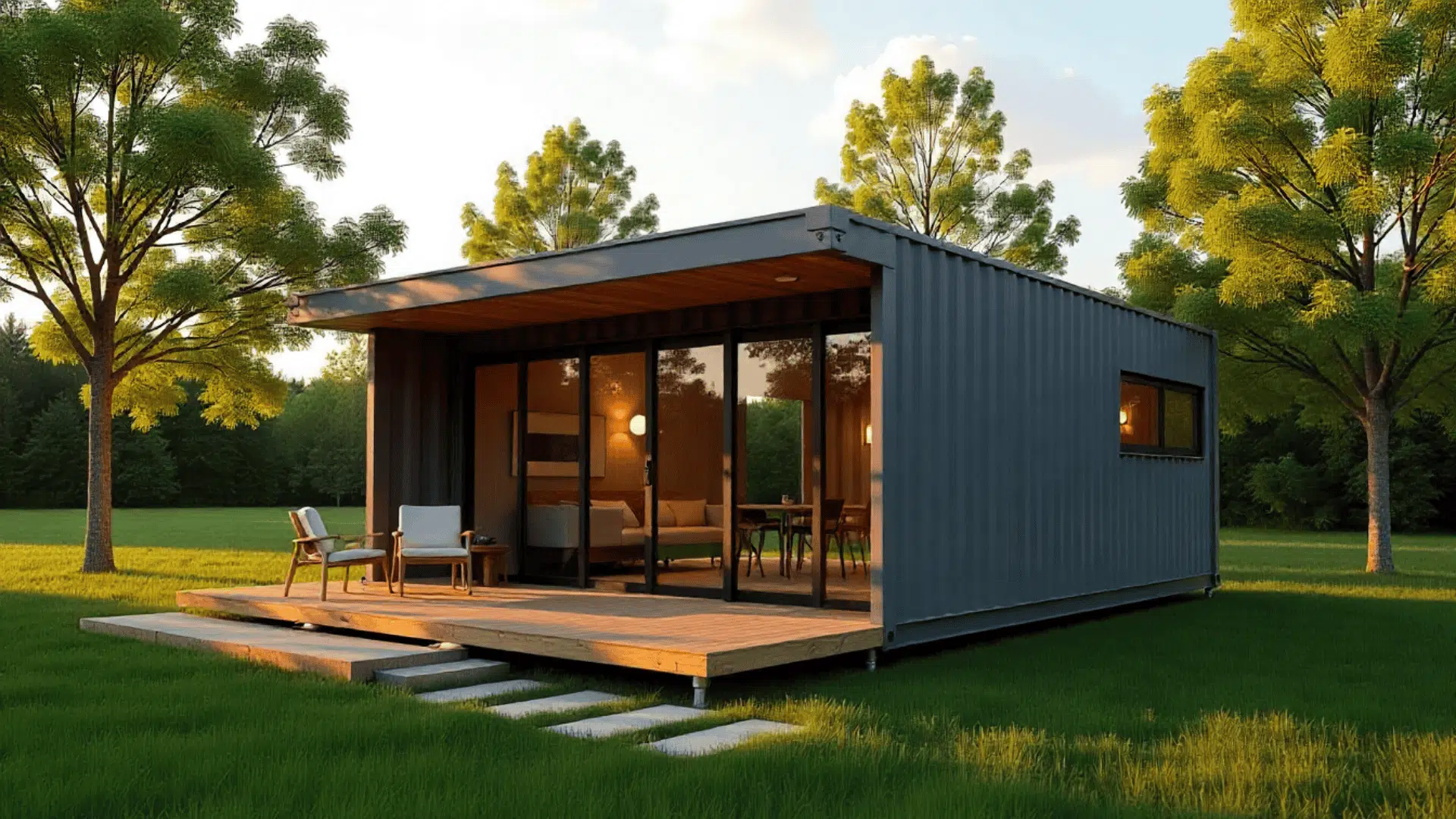
A shipping container office is exactly what it sounds like: a steel cargo container converted into a workspace. It keeps the original structure and adds systems needed for people to work inside.
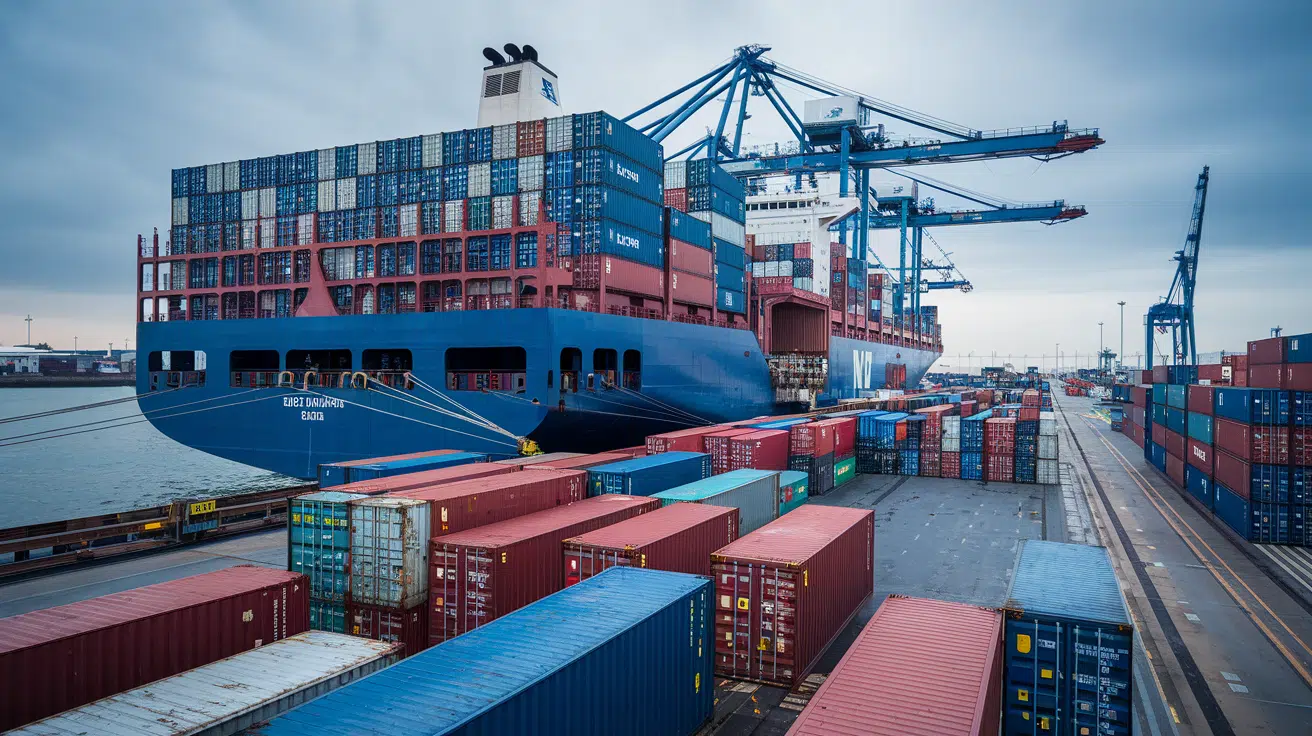
These containers are built for transport and stacking. That makes them strong, self-supporting, and easy to repurpose into offices.
Core Structure
The steel shell acts as the main frame. Everything else is added during conversion.
- Openings: Doors and windows are cut into the steel walls
- Insulation: Added to manage heat and cold
- Electrical: Wiring, outlets, and lighting installed
- HVAC: Cooling and ventilation systems for comfort
- Plumbing (Optional): Added for sinks or restrooms
Since the structure is already load-bearing, no extra frame is needed inside.
How It Compares to Other Workspace Options
These offices are often compared with office trailers and modular buildings. Each serves a different purpose.
| Feature | Shipping Container Office | Office Trailer | Modular Building |
|---|---|---|---|
| Structure | Heavy steel container shell | Light wood or steel frame | Full building-grade construction |
| Durability | High, impact-resistant | Moderate | High |
| Setup Speed | Fast | Very fast | Slower |
| Mobility | Movable, can be relocated | Easy to move | Usually fixed |
| Interior Space | Limited width | Moderate | Flexible and wider layouts |
| Foundation | Temporary or semi-permanent | Temporary | Permanent |
| Best Use | Sites needing strength and mobility | Short-term temporary use | Long-term office setup |
Why Container Offices are Used
Container offices are used in situations where both mobility and strength matter. They work well on sites that keep changing, because the entire unit can be moved when the project shifts location.
Their stacking ability also helps when space is limited. Instead of expanding outward, units can be placed on top of each other. The steel structure adds another layer of reliability, especially in environments where equipment needs protection from weather or theft.
They are also useful in remote areas where building a traditional office takes too much time or effort. Because of this mix of mobility, strength, and quick setup, they are commonly used on construction sites and temporary project locations.
Where Container Offices Fall Short
Container offices also come with some clear limits, mostly because of their steel structure and fixed size.
Temperature control can become a problem if insulation is not handled properly. Steel reacts quickly to outside conditions, which can make the interior uncomfortable.
Moisture is another issue, especially when ventilation and sealing are not planned well, leading to condensation inside the unit.
The fixed width of a container also restricts how much space you can use. Layout options remain limited unless multiple units are combined. When too many people are placed inside a single unit, the space starts to feel cramped, which affects comfort over time.
Most of these problems are not caused by the container itself but by poor planning during setup
Types of Shipping Container Offices You Wanna Know
The right configuration depends on your space requirements, mobility needs, and how long you plan to use the office. Each type is designed to solve a specific structural and operational challenge.
1. Single-Unit Offices (10ft, 20ft, 40ft)
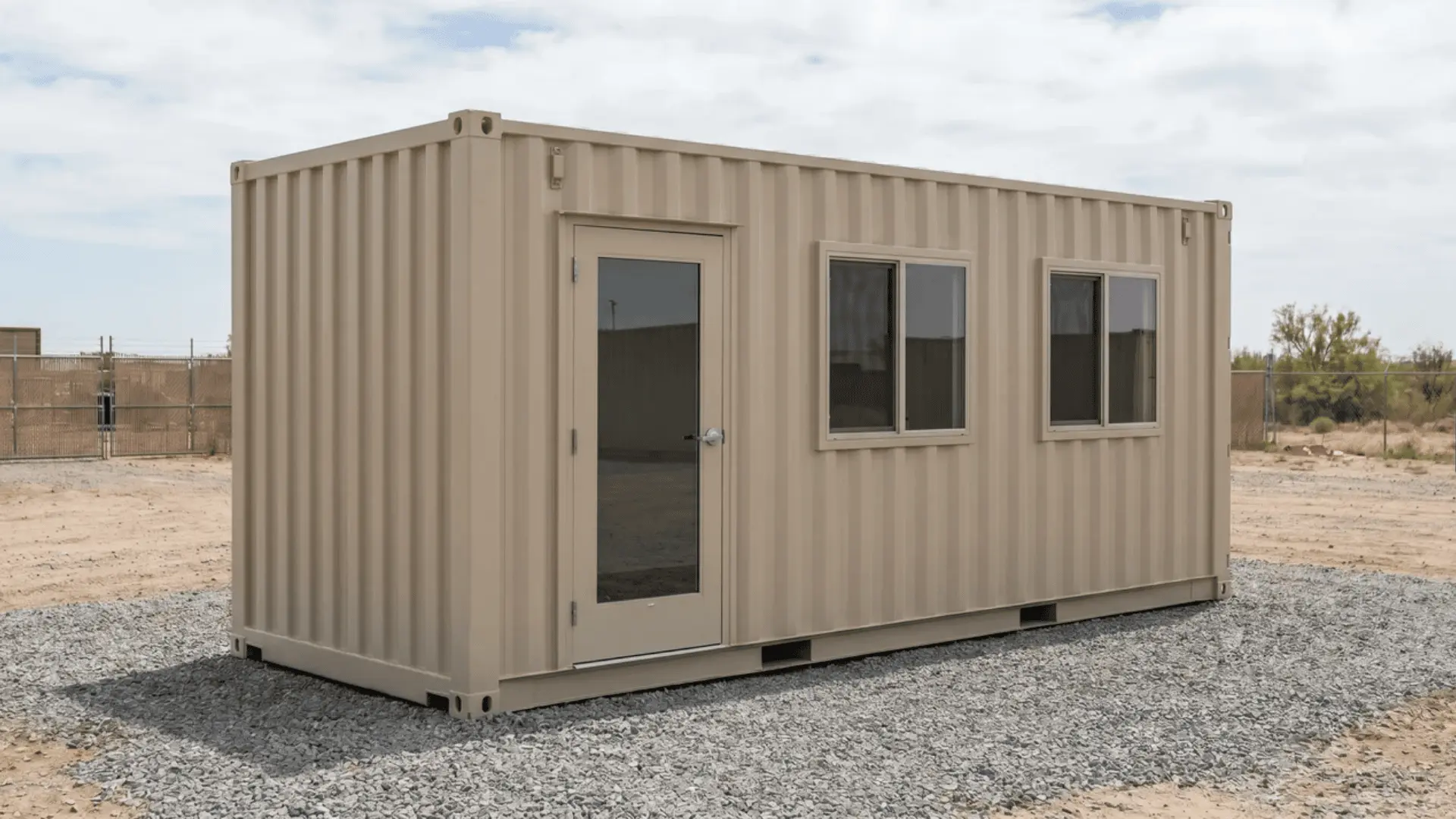
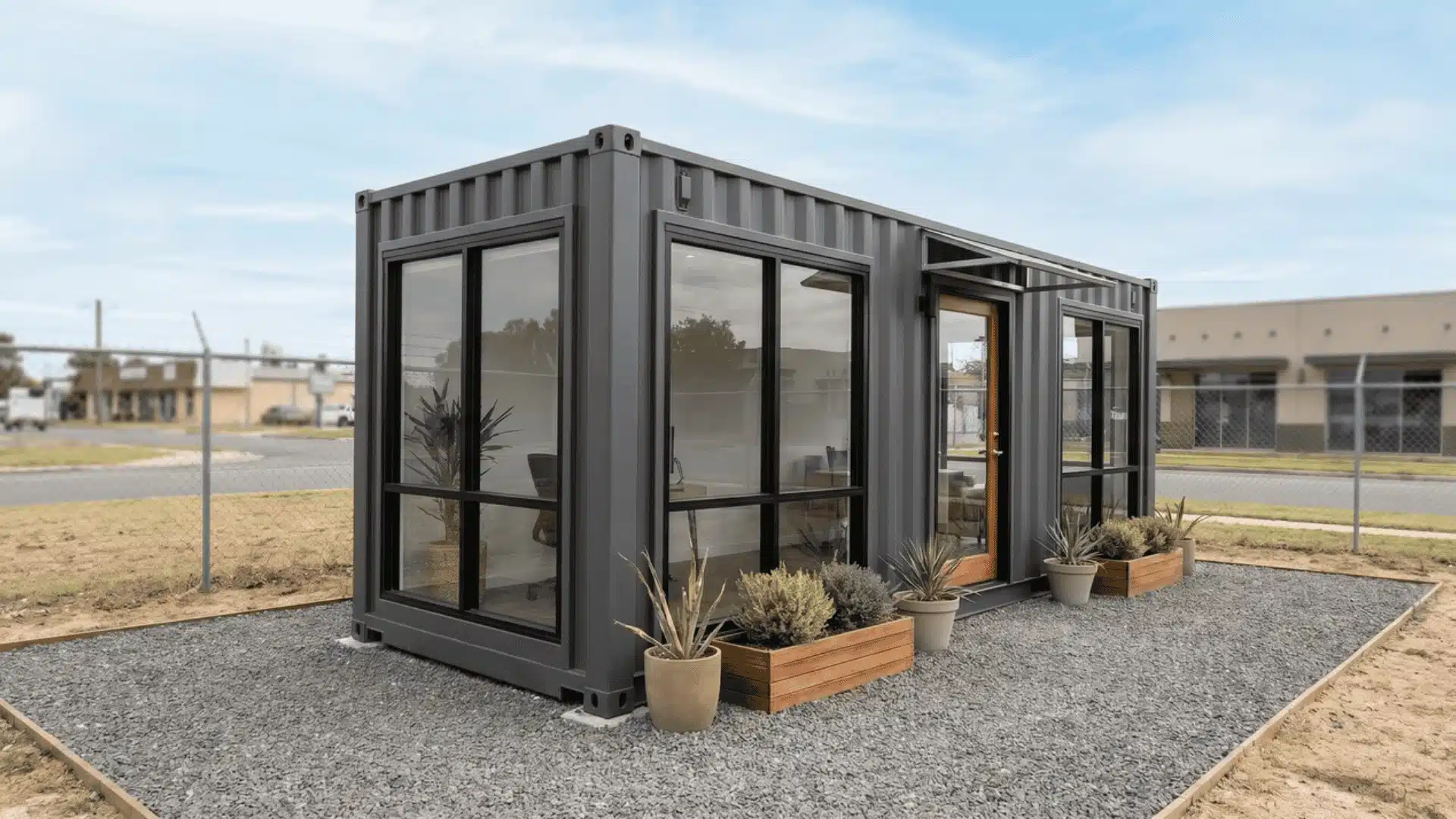
Single-unit offices use one container with basic interior upgrades while keeping the original steel frame intact. They are commonly used for small teams, site supervision, or individual workspaces.
The main limitation is the fixed width, which can feel tight if more people or equipment are added. These work best for simple setups with minimal movement.
2. Multi-Container and Modular Layouts
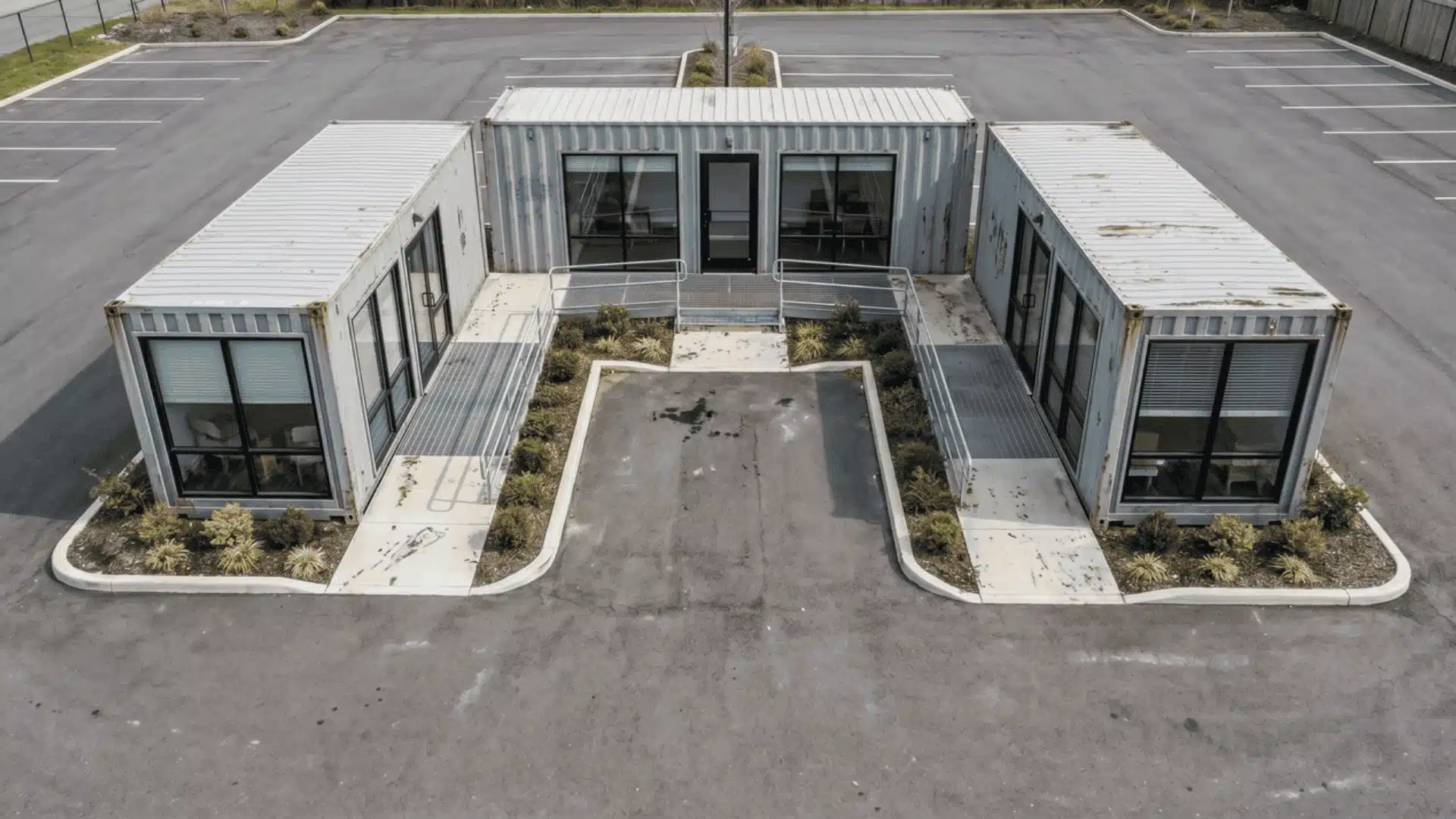
Multi-container setups combine two or more units to create a wider and more open interior space. Walls are modified to connect units and improve layout flexibility.
This allows better separation of work areas, but also requires structural reinforcement and more planning. These setups are better suited for growing teams.
3. Stacked Container Offices
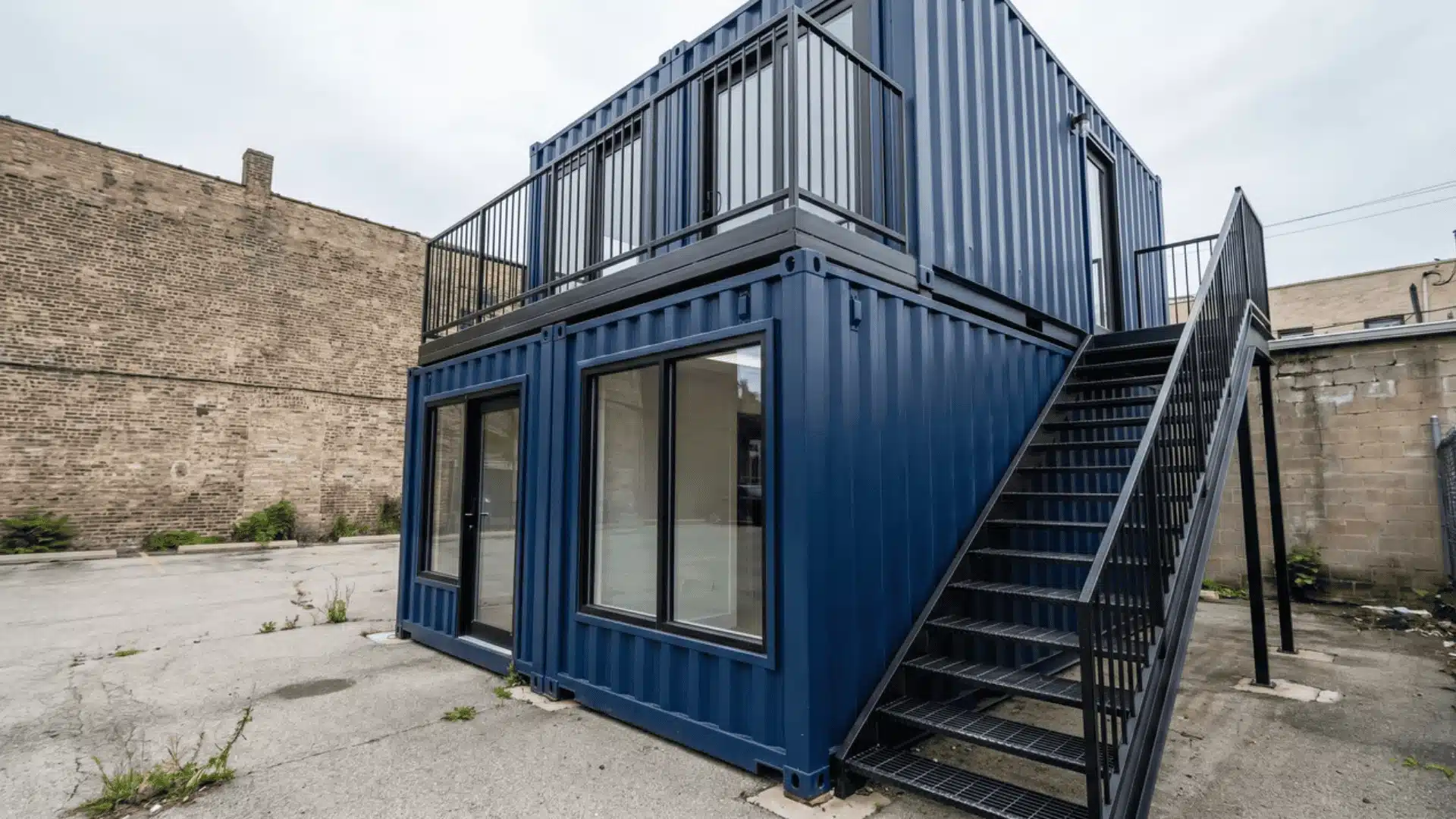
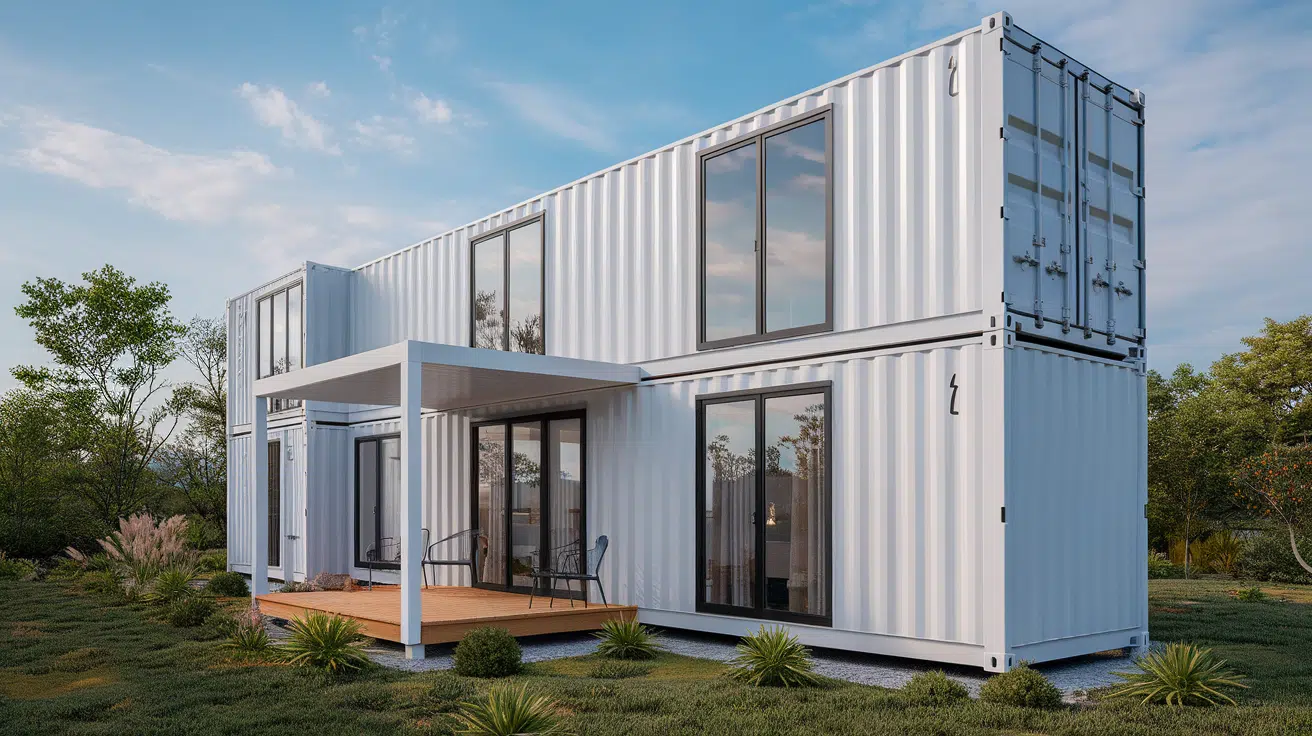
Stacked offices use vertical space by placing containers on top of each other. This helps increase usable area without expanding the ground footprint.
They work well on space-limited sites, but require proper access, safety planning, and approvals, especially for long-term use.
4. Mobile vs. Permanent Units
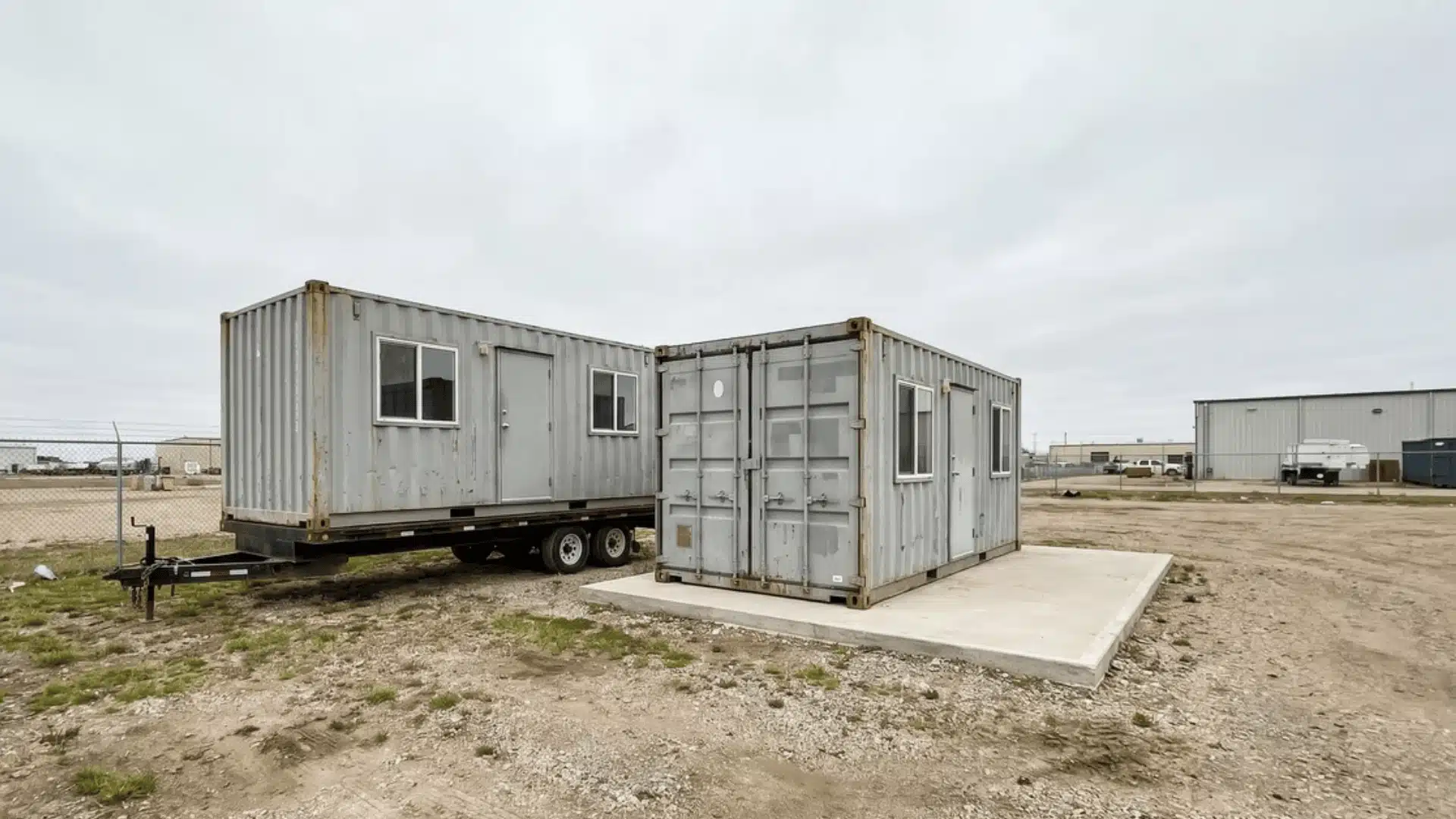
Mobile units are built for relocation and usually come with quick-connect utility systems. They are useful for short-term or shifting project sites.
Permanent units are fixed on foundations with direct utility connections. They are more stable but must follow local building rules and approvals.
Real Pricing Breakdown (Why Costs Vary So Much)
Costs vary based on the condition of the container, how much it is modified, and the level of comfort systems added. The more changes made to the steel structure and the more utilities included, the higher the total cost.
| Price Range | What You Get | Comfort Level | Typical Use | Cost Risks |
|---|---|---|---|---|
| $1,500–$5,000 | Used or lightly modified container | Basic shell with little to no insulation or electrical setup | Very short-term use or storage-office mix | Poor insulation, no cooling, hidden repairs |
| $5,000–$15,000 | Standard office conversion | Insulation, interior finish, lighting, outlets, basic HVAC | Small teams, construction sites, semi-permanent use | Delivery, setup, and permits often extra |
| $20,000+ | Custom or multi-container build | Full systems with HVAC, plumbing, reinforced structure, better finishes | Long-term offices or larger teams | Engineering, transport, and utility hookup costs |
Costs increase as more structural work is done, especially when cutting walls, joining containers, or adding systems like HVAC and plumbing. Comfort and usability depend heavily on these upgrades.
Many buyers underestimate the final cost because the base price does not include site preparation, transport, utility connections, permits, or inspections. These can add a significant amount to the total project cost.
Understanding Common Acquisition Approaches
Different acquisition approaches exist for container offices. Each follows a different setup process and level of modification.
Rental Units: These are prebuilt containers delivered to a site for temporary use. They are designed for quick setup and removal without long-term installation.
Pre-Converted Purchases: These are factory-converted units with standard features already installed. They follow a fixed design and are ready for deployment after delivery.
Custom Conversions: These involve modifying containers based on specific layout, utility, or branding requirements. The process includes design, fabrication, and installation stages.
Key Difference: The main variation between these approaches lies in how much modification is done before delivery and how the unit is intended to function on-site.
Key Features that Actually Matter Before You Decide
Before choosing an office, focus on the systems that affect daily comfort and safety. Functional performance matters more than appearance or exterior styling.
- Insulation: Controls heat transfer through the steel shell and determines whether the space is usable in hot or cold climates.
- Electrical System: Defines load capacity, outlet placement, and lighting reliability to support equipment and daily operations.
- Ventilation and HVAC: Regulates airflow and temperature to prevent overheating, condensation, and poor air quality.
- Security: Reinforced locks, steel doors, and secure windows protect equipment and reduce theft risk.
- Interior Layout: Open layouts maximize flexibility, while partitioned spaces improve privacy and workflow control.
- Plumbing (if included): Requires proper water supply and drainage planning to support restrooms or sinks safely.
People often focus too much on appearance while not investing enough in insulation, HVAC, and electrical systems, which directly affect comfort and daily usability.
Space Planning and Size Selection
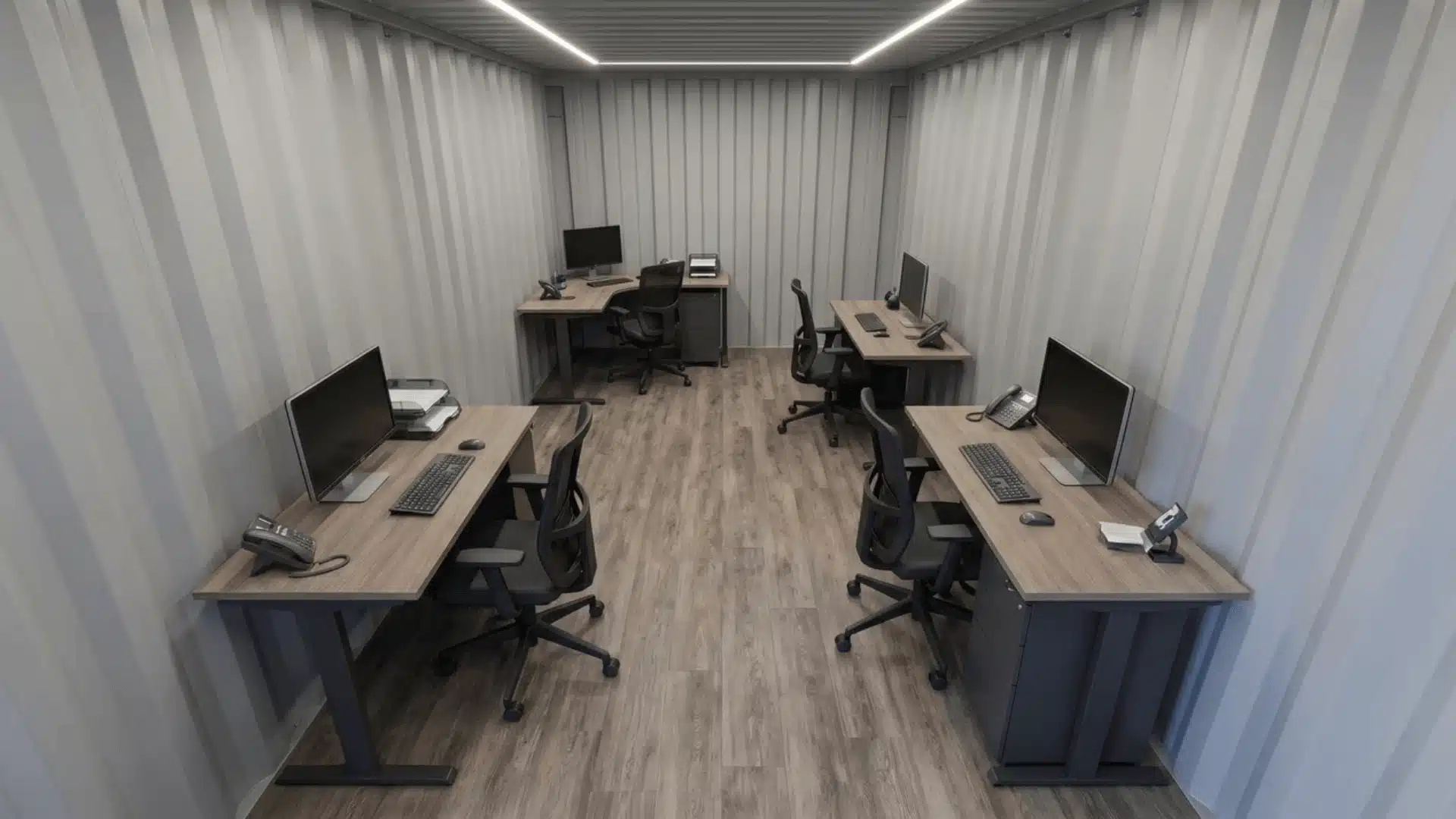
Choosing the right size depends on how many people will use the space, how long they stay inside, and how work moves across the layout. Planning this early helps avoid overcrowding, poor workflow, and costly changes later.
Standard Sizes (10ft, 20ft, 40ft)
Shipping containers are available in 10ft, 20ft, and 40ft lengths, but the width stays fixed unless structural changes are made. This fixed width is one of the biggest limits in planning.
A 10ft or 20ft unit usually works for one to three people, while a 40ft unit can handle a larger team if the layout is planned carefully. The number of users depends less on size alone and more on how the space is arranged.
Usable Interior Space vs. External Size
The outer dimensions of a container do not reflect the actual usable space inside. Insulation, wall panels, and finishes reduce the interior area.
If this is not considered early, desks, storage units, or partitions may not fit as expected. Planning should always be based on internal dimensions, not external size.
When to Expand Horizontally or Vertically
Containers can be expanded in two ways depending on site conditions.
Horizontal expansion connects units side by side to create a wider layout. This improves movement and makes it easier to organize teams on a single level.
Vertical stacking increases total space without using more land. It works well on tight sites but requires stairs, safety planning, and approvals.
Layout and Workflow Planning
A good layout follows how people move and work inside the space. Desks, storage, and access points should be placed to avoid blocking movement.
Overcrowded layouts reduce comfort and efficiency over time. Poor placement of windows and ventilation can also affect airflow and lighting, making the space harder to use throughout the day.
Set Up Requirements and Site Considerations
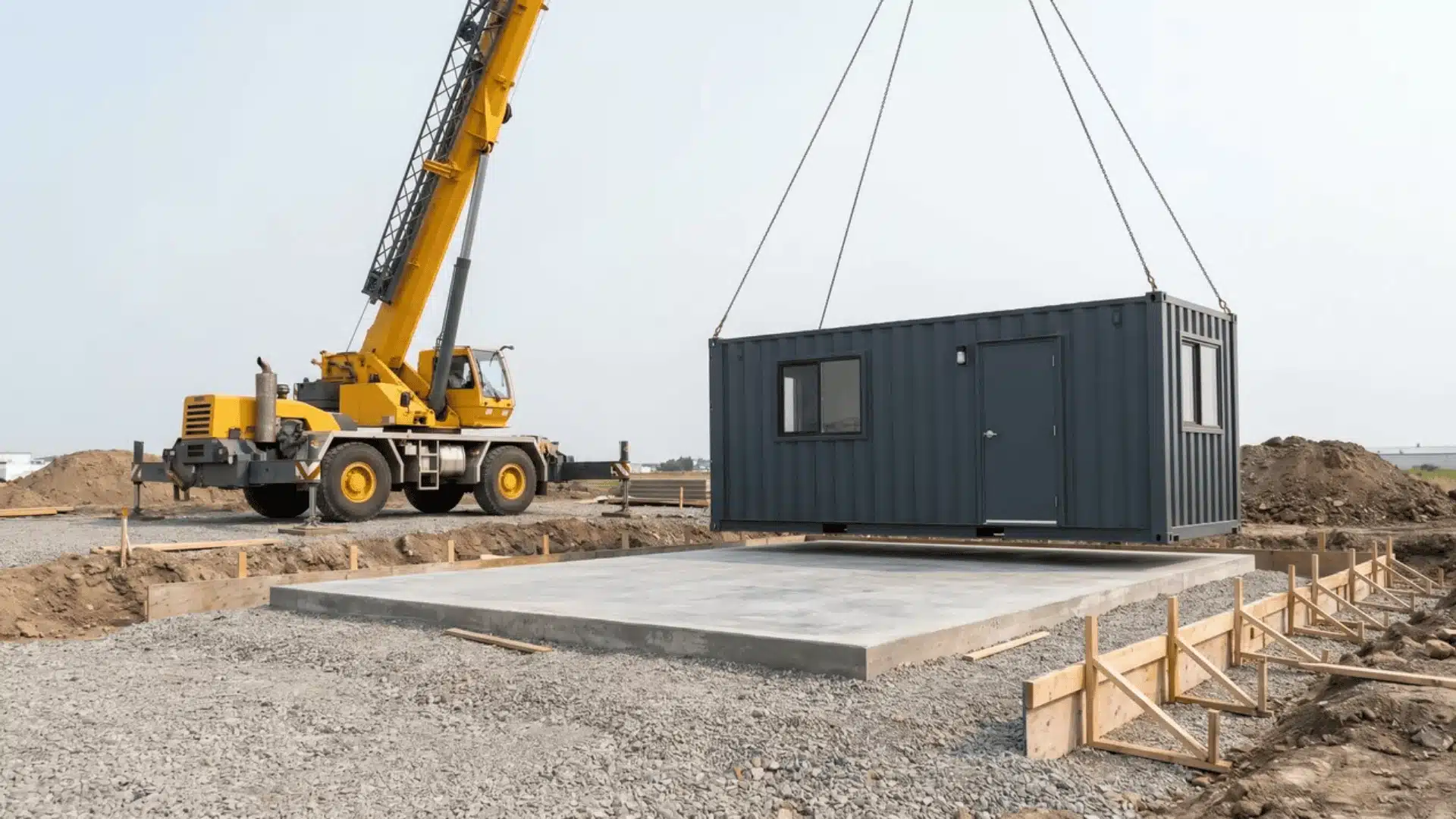
Before installing a container office, carefully review site conditions and local rules. Early planning prevents delays, fines, and structural problems.
- Foundation Options: Slabs provide permanent support, piers are suitable for semi-permanent use, and temporary blocks are for short-term use.
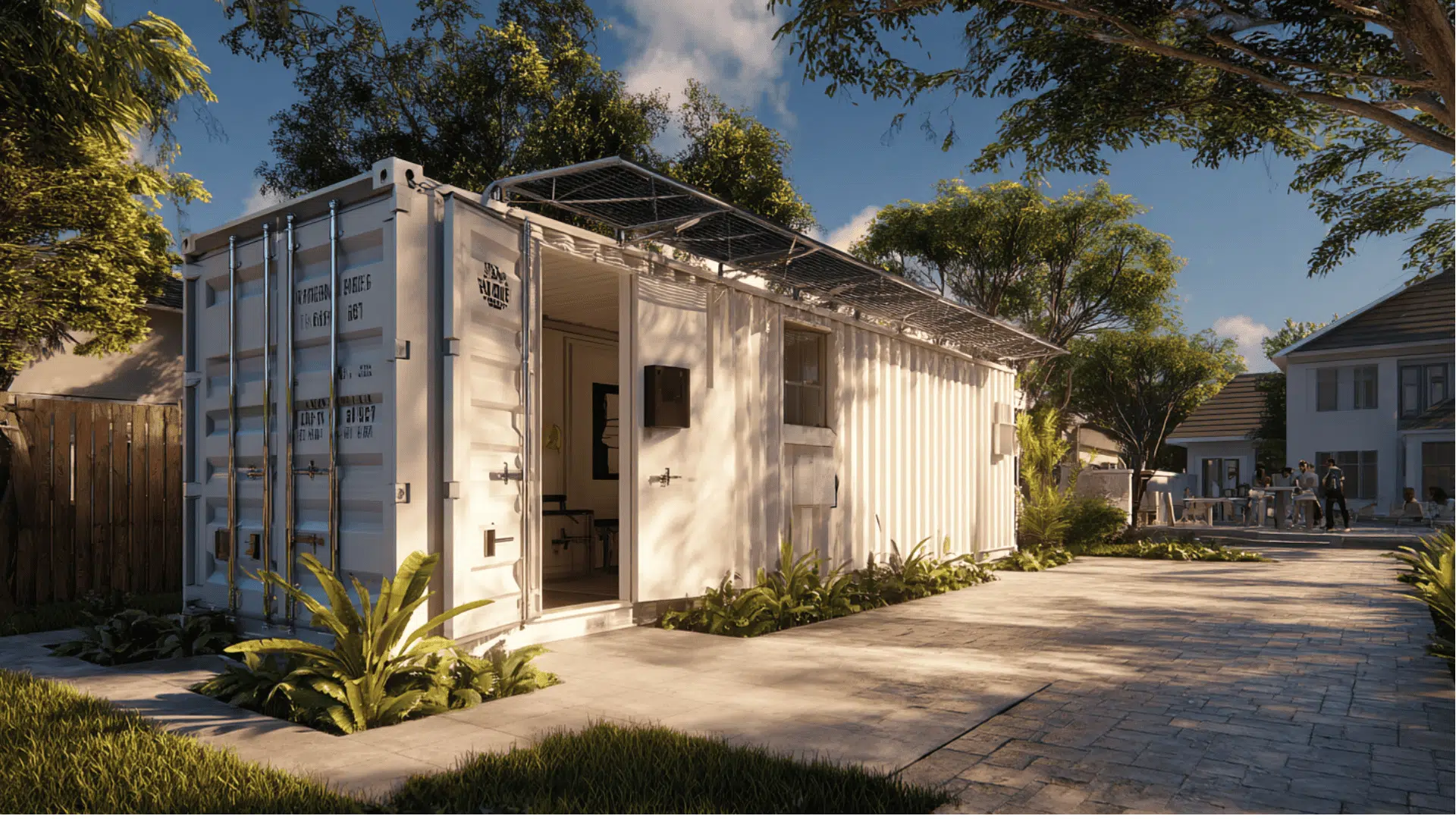
- Power Supply: Connect to the grid, generator, or solar power, depending on site access.
- Water and Drainage: Required if adding restrooms or sinks.
- Transport and Access: Trucks and cranes need clear space for delivery.
- Zoning and Permits: Rules vary by location and classification.
- Permanent Classification: Triggers stricter inspections and codes.
- Regulatory Risks: Ignoring rules can lead to fines or removal.
- Foundation Risks: Poor support can cause shifting and misalignment.
Strong site planning protects safety and compliance. Proper setup avoids costly fixes later.
When is a Shipping Container Office the Right or Wrong Choice?
This type of office works well in some situations but not in others. The difference comes down to how the space is used, how long it stays in place, and what level of comfort is expected.
| Scenario | Where It Fits Well | Where It Falls Short |
|---|---|---|
| Project Type | Construction sites, temporary setups, shifting projects | Permanent office environments |
| Location | Remote areas with limited infrastructure | Urban areas with strict building rules |
| Mobility Needs | Projects that require relocation over time | Fixed locations with no movement |
| Team Size | Small to medium teams with simple layouts | Large teams needing wide, open spaces |
| Comfort Level | Basic to moderate comfort with proper setup | High-end office expectations without upgrades |
| Budget Approach | Cost-controlled setups with faster deployment | Projects requiring full-scale building standards |
Container offices perform well when flexibility, speed, and durability are the main priorities. They allow work to start quickly without long construction timelines.
However, they become less practical when the need shifts toward permanent use, larger teams, or higher comfort standards. In those cases, modular or traditional construction often provides better long-term value.
Key Factors that Influence Container Office Selection
Several factors influence how a container office is configured and used. These variables affect size, layout, and system requirements.
- Usage Duration: Short-term use often involves minimal setup, while long-term use requires more permanent systems and infrastructure.
- Occupancy Level: The number of users directly impacts space planning, ventilation needs, and interior layout.
- Mobility Requirement: Some setups are designed for relocation, while others remain fixed in one location.
- Climate Conditions: Temperature extremes affect insulation, ventilation, and HVAC system requirements.
- Budget Scope: Total cost includes not only the unit but also transport, setup, utilities, and compliance requirements.
- Regulatory Environment: Local rules may influence placement, utility connections, and classification of the structure.
Wrapping Up
A shipping container office can deliver mobility, durability, and cost control when matched to the right use case. Understanding structure, pricing, features, and regulations prevents expensive missteps.
You now have a clear framework for evaluating size, configuration, setup requirements, and long-term viability. That knowledge allows you to choose between renting, buying, or building custom with confidence.
If you’re considering this, carefully assess your timeline, budget, and site constraints. Use this guide as your starting point, then consult a provider to move your project forward.
Frequently Asked Questions
Can a shipping container office be relocated after installation?
Yes, most units can be relocated if they are not permanently fixed to utilities or foundations. Permanent setups may require disconnection and inspection before moving.
How long does it take to convert a shipping container into an office?
Basic conversions can take a few weeks, while custom multi-container builds may take several months, depending on fabrication complexity and permitting requirements.
Are shipping container offices environmentally friendly?
They can be environmentally responsible when reused containers are insulated properly and paired with energy-efficient systems such as solar panels and high-performance HVAC units.
Can a shipping container office be financed?
Many suppliers offer financing or leasing options depending on credit approval, project size, and whether the unit is rented, purchased, or custom-built.