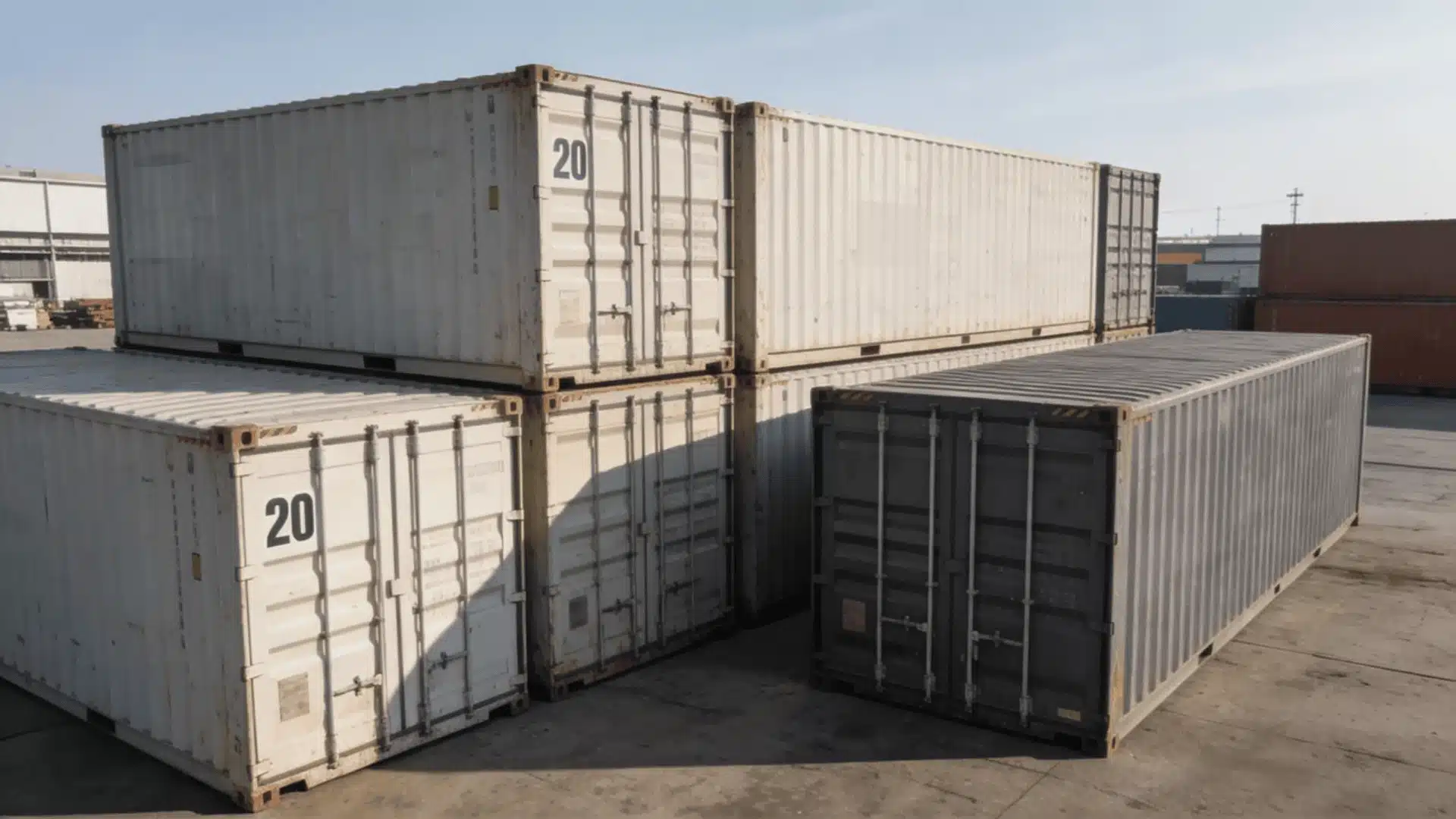
Shipping containers are no longer just for transport. Many people now use them for storage, business setups, and even building projects, turning a once-purely industrial item into a flexible, everyday solution.
If you’re trying to figure out how much a shipping container costs, the answer is not always straightforward, since prices vary widely based on multiple factors that aren’t always obvious upfront.
Size, condition, container type, and even your location can shift the final price by thousands of dollars, which makes a single ballpark figure almost meaningless without context.
This guide breaks down real pricing ranges, what affects them, and how to quickly estimate your total cost. By the end, you’ll have a clear idea of what you’re likely to pay and why.
Shipping Container Cost Range at a Glance
Before getting into sizes, conditions, and hidden costs, it helps to see a quick price snapshot. This gives you a rough idea of what people actually pay.
| Category | Price Range | Description |
|---|---|---|
| Overall Range | $1,000 – $7,000+ | Full market range depending on size, condition, and modifications |
| Typical Buyer Range | $2,000 – $5,000 | The most common purchase range for standard used containers in good condition |
| Lower End | $1,000 – $2,000 | Older “as-is” units that may require repairs or cleaning |
| Mid Range | $2,000 – $5,000 | Used containers in solid condition with minimal issues (most popular option) |
| Higher End | $5,000 – $7,000+ | New or one-trip containers and upgraded units with better durability |
Use this as your starting point, then match your needs to the right price range in the sections below.
How Much Do Shipping Containers Cost by Size
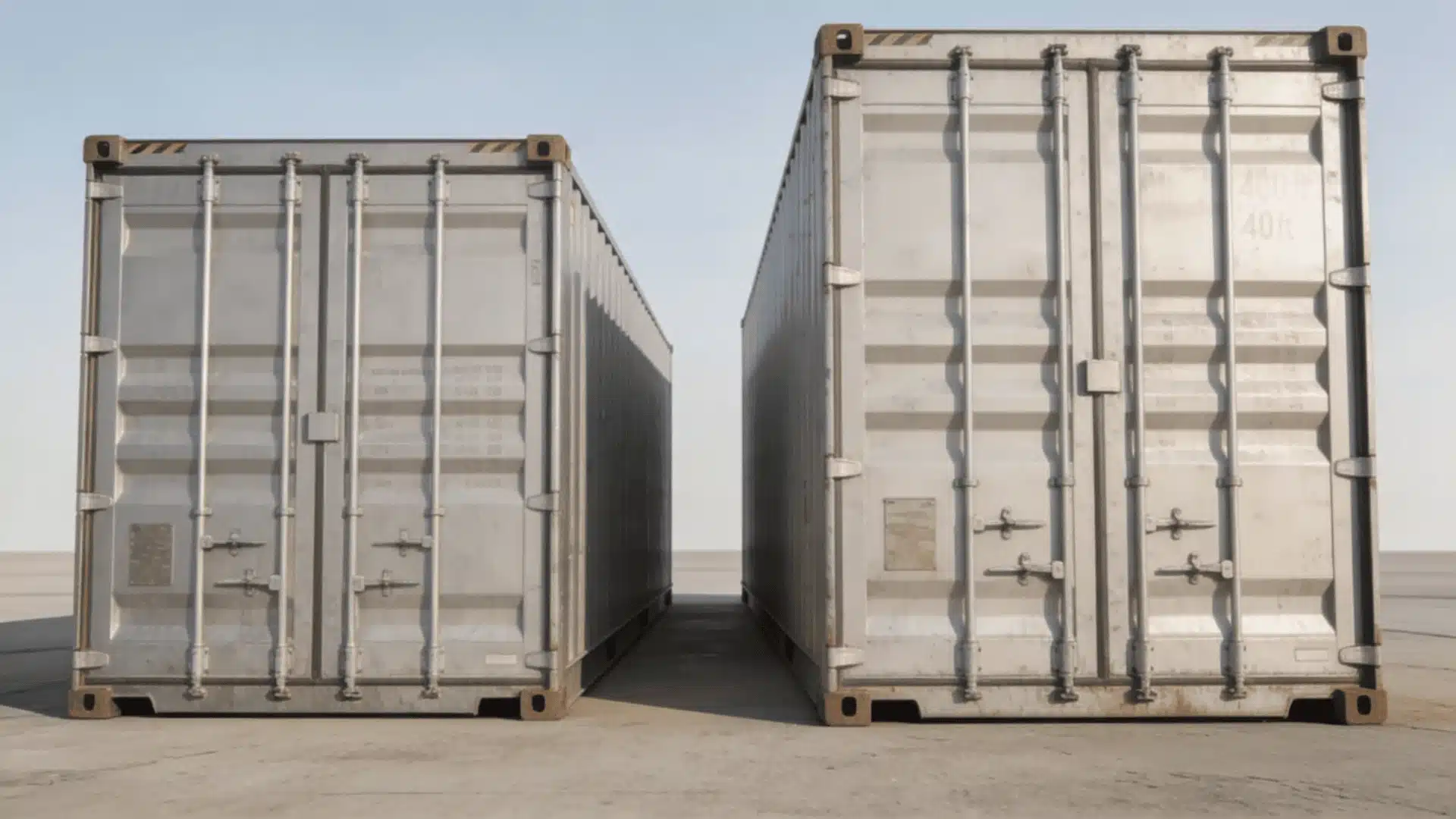
Before you choose a container, size is usually the first decision that affects your price. It directly changes how much you pay upfront and how much value you get.
20ft Shipping Container Price
20ft shipping containers typically cost about $1,300 to $3,500 for used ones and $2,500 to $5,000 for new ones, depending on condition, age, and supplier location.
The lower price comes from smaller size, less steel used in manufacturing, and cheaper transport costs compared to larger shipping containers, which makes them more affordable overall.
This size works well for small storage needs, limited spaces, or basic site use where a larger container would be unnecessary and harder to place.
40ft Shipping Container Price
Used 40ft shipping containers usually cost around $1,500 to $4,500, while new ones range from about $3,500 to $7,000 or more, depending on condition and supplier.
The higher price is mainly because a 40ft container uses more steel and requires heavier transport, which increases both manufacturing and delivery costs compared to smaller units.
Even though the price is higher, you get roughly double the space of a 20ft container, making it better value for larger storage or business needs where capacity matters.
High Cube Containers (Extra Height Cost)
High cube containers are usually 10–20% more expensive than standard 40ft containers, depending on condition, supplier pricing, and market availability.
They cost more because extra height requires additional steel, stronger structural support, and slightly higher transport and handling costs during manufacturing and delivery.
They are worth it for tall storage needs, installing shelving systems, or when you want better headroom and easier movement inside the container.
Why Bigger Containers Often Cost Less Per Foot
Container pricing depends mainly on material and transport. Larger containers require more steel and heavier logistics, which raises the base cost, but that price doesn’t rise in proportion to size, so bigger containers often end up the better deal per square foot.
In many cases, buying one 40ft container costs less than buying two 20ft units, even after factoring in total space and delivery, since transporting a smaller container often costs nearly as much as transporting a larger one.
That said, smaller containers can sometimes cost more in practice, particularly when local supply is low or demand is high in your area. Choosing the right size ultimately isn’t just about price; it’s about balancing space, value, and total cost against your actual needs.
Shipping Container Prices by Condition (Biggest Price Driver)
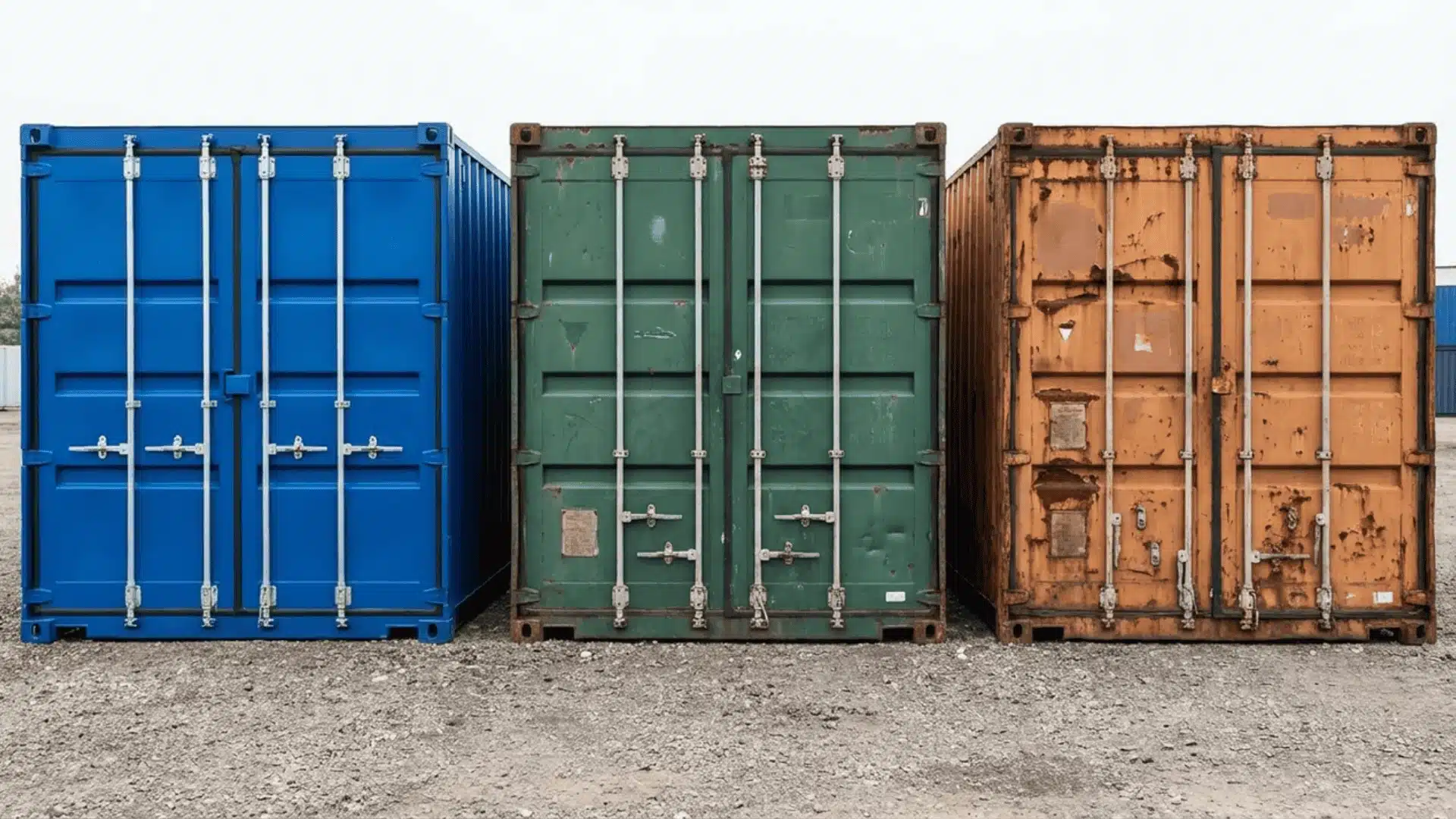
Even for the same size, container prices can vary a lot. The condition is the biggest reason behind this difference.
New (“One-Trip”) Containers
These containers have only been used once, so they are close to new and in top condition. A 20ft one-trip container typically costs $2,500 to $5,000, while a 40ft unit runs $3,500 to $7,000 or more, with higher manufacturing and import costs pushing them into the highest price range.
They make sense for long-term use, building projects, or when appearance and durability are important.
Used (Cargo Worthy, WWT) Containers
These containers have been used in shipping but remain structurally sound and usable. A 20ft used container generally costs $1,300 to $3,500, and a 40ft unit runs $1,500 to $4,500, with wear reducing resale value and making them 30–50% cheaper than new units.
They work best for storage, construction sites, or budget setups where looks are not a priority.
As-Is Containers
These are older containers with visible damage, rust, or wear, typically priced between $1,000 and $2,500 regardless of size. The risk of repairs lowers the upfront price but makes the total cost less predictable once repair costs are factored in.
They only make sense if you plan to repair or modify them and are prepared for hidden issues.
Condition is what truly defines value, lower upfront cost can save money, but only if it matches how you plan to use the container.
What Actually Drives Shipping Container Prices
After size and condition, a few key factors decide the final price you’ll pay. These explain why the same container can cost very different amounts in different situations.
1. Location and Availability
Containers closer to ports or depots are cheaper because they require less transport, while inland or remote locations push prices higher due to added trucking, fuel, and handling costs along the way.
This is why the exact same container, in the same condition, can cost noticeably more once it has to travel further from a major port city to reach you.
2. Market Supply and Demand
Container prices shift based on how many units are available locally and how many buyers are competing for them at any given time. A surge in construction activity or storage demand can pull available inventory down fast.
When supply tightens, prices rise quickly, sometimes within weeks, which is why container costs aren’t static and can vary noticeably depending on when and where you’re buying.
3. Modifications and Customization
Adding features like extra doors, insulation, windows, electrical wiring, or shelving increases the total cost, since each upgrade requires additional materials, skilled labor, and time to install properly.
In many cases, heavy customization, like converting a container into an office or livable space, can push the final price well beyond the cost of the base container itself, sometimes by several thousand dollars.
4. Delivery Distance and Access
Transporting a container involves fuel, specialized trucking equipment, and labor, all of which add to the final cost depending on how far the container needs to travel and how accessible the drop-off site is.
If the location is difficult to reach, or if special equipment like a crane or tilt-bed truck is required to place the container, delivery costs alone can range from a few hundred dollars to several thousand.
These factors don’t just add cost; they explain why two seemingly identical containers, in the same size and condition, can end up with completely different final price tags.
The Real Total Cost (What Most People Miss)
The listed price of a container is only part of what you’ll actually pay. Several additional costs can quickly increase your total budget.
- Delivery Cost: Local delivery may cost a few hundred dollars, while long-distance transport can cost $1,000+ or more, depending on the distance.
- Crane or Special Placement Costs: Difficult access or tight spaces may require cranes or equipment, adding $300–$1,000+.
- Site Preparation: Ground leveling or adding a gravel/concrete base is often needed to safely place the container.
- Permits and Zoning: Some locations require permits or approvals, which can add cost and delay setup.
- Total Cost Reality: A $2,000 container often costs $3,000–$5,000+ after delivery and setup.
Always think in terms of total cost, not just the purchase price, to avoid surprises later.
Quick Price Scenarios (Realistic Budget Examples)
These examples help you connect your situation to a realistic budget. Most final prices are a combination of container cost plus delivery and setup.
| Scenario | Setup | Estimated Total Cost | What Drives the Cost |
|---|---|---|---|
| Budget Option | Used 20ft + local delivery | $2,000 – $3,000 | Low base price + short delivery distance |
| Mid-Range Option | Used 40ft + moderate delivery | $3,000 – $5,000 | Larger size + increased transport cost |
| Premium Option | New 40ft HC + customization + crane | $5,000 – $8,000+ | New condition + upgrades + complex delivery |
Your final cost depends on how many factors you stack, so use these scenarios to quickly identify where your budget fits.
How to Estimate Your Shipping Container Cost in Seconds
If you don’t want to overthink it, you can estimate your cost in a few quick steps. This simple method helps you get a realistic number fast.
- Step 1: Choose Size: Pick between 20 ft and 40 ft, since size sets your base price range.
- Step 2: Choose Condition: Decide between used (cheaper) or new (more expensive but in better condition).
- Step 3: Add Delivery: Include $300–$1,500+, depending on distance and access to your location.
- Step 4: Add Extras: Factor in costs for setup, modifications, or special equipment if needed.
This quick method gives you a rough but realistic estimate without needing detailed quotes.
Common Misconceptions About Shipping Container Prices
Shipping container pricing is often misunderstood due to incomplete listings, hidden costs, and unrealistic expectations that lead buyers to misjudge the actual total expenses involved.
- Misleading Listings: Many price expectations stem from incomplete or misleading listings, which can lead buyers to underestimate the true container costs.
- Very Low Prices Explained: Containers listed at or below $1,000 are usually damaged or sold “as-is” and often require repairs before use.
- Size vs Cost Reality: Larger containers do not cost double; a 40ft unit is typically only about 25–30% more than a 20ft container.
- Hidden Extra Costs: Used containers may seem cheap at first, but repair, delivery, and transport fees can significantly increase the final price.
Knowing these common misconceptions helps you avoid surprises, understand real pricing factors, and plan a more accurate budget when buying shipping containers overall.
Conclusion
Understanding how much a shipping container costs goes beyond the base price. Size, condition, location, and delivery all affect the final amount you pay.
By now, you’ve seen realistic price ranges, hidden costs, and simple ways to estimate your budget. This helps you avoid surprises and make a more informed decision.
Use these insights to match your needs with the right option and plan your purchase with confidence. If you’re ready, start comparing options or request a quote to get exact pricing for your setup.
Frequently Asked Questions
How long do shipping containers last?
New shipping containers last around 20–30 years with proper maintenance, while used containers typically last 10–20 years, depending on usage, environment, and overall condition.
Are shipping containers waterproof?
Most WWT containers are waterproof and weatherproof, but older units may develop small leaks over time and require sealing or maintenance to remain fully watertight.
Can I place a shipping container on any property?
No, placement depends on local zoning laws and regulations, which may require permits or restrict usage based on land type, safety rules, and intended purpose.