If your home relies on a septic system, it’s easy to forget it’s even there. Unlike other household systems that demand regular attention, a septic tank quietly does its job behind the scenes. Unfortunately, that also means many homeowners unknowingly develop habits that put unnecessary strain on it.
The good news is that septic systems are designed to last for many years when they’re properly maintained. Simple changes to your daily routine can help prevent blockages, backups, and costly repairs. Alongside regular inspections and services such as TDG Environmental’s septic tank cleaning in Geelong, good household habits are one of the best ways to keep your system working efficiently.
Here are some of the most common mistakes to avoid.
Pouring Grease Down the Sink
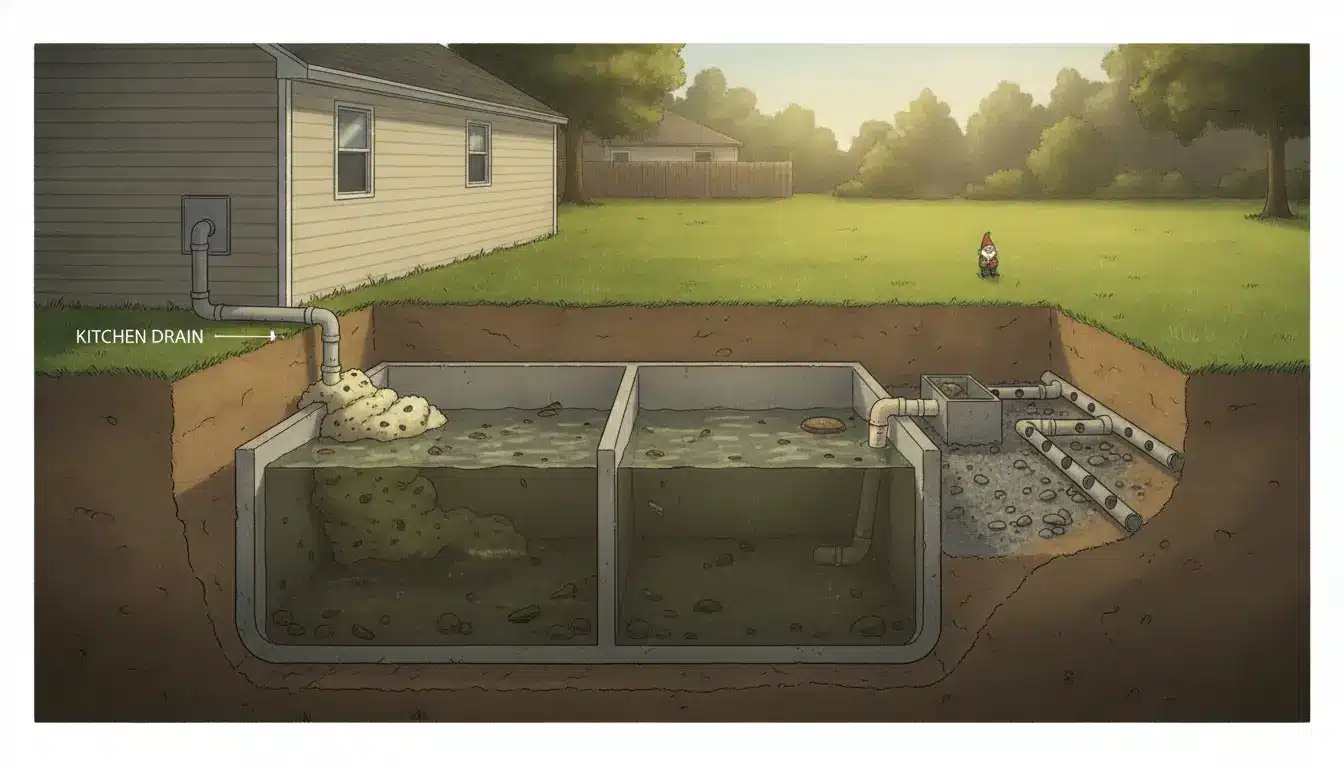
Cooking oil, grease, and fat might go down the drain as liquids, but they quickly cool and solidify inside your plumbing and septic system.
Over time, they can:
- Restrict water flow
- Contribute to blockages
- Reduce the efficiency of your septic tank
- Increase the likelihood of backups
Instead, allow grease to cool before disposing of it in the rubbish or a suitable recycling container.
Flushing Things That Don’t Belong
Toilets are designed to handle only human waste and toilet paper.
Many products labelled as “flushable” don’t break down properly inside septic systems, including:
- Wet wipes
- Paper towels
- Cotton buds
- Dental floss
- Sanitary products
- Disposable cleaning wipes
These items can accumulate inside the tank and increase the need for maintenance.
Using Too Much Water at Once
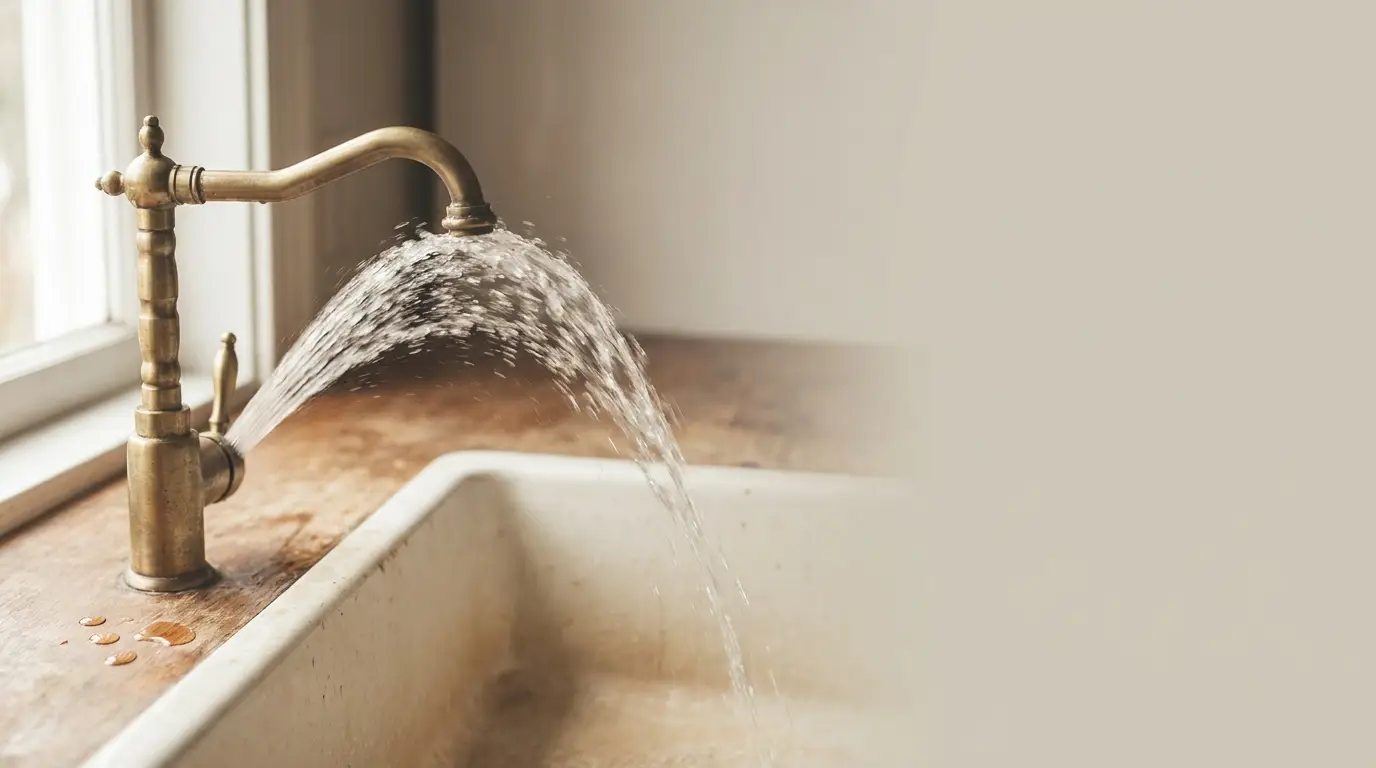
Septic systems process wastewater gradually.
Running multiple loads of washing, long showers, and the dishwasher all at the same time can overload the system, reducing its ability to separate waste effectively.
A few simple adjustments can help:
- Spread laundry across the week
- Repair leaking taps promptly
- Install water-efficient fixtures
- Avoid unnecessarily long showers
Reducing sudden water surges gives your septic system time to do its job properly.
Relying Too Heavily on Harsh Chemicals
Many cleaning products contain strong chemicals that kill bacteria.
While that may be useful when cleaning bathrooms or kitchens, your septic tank depends on naturally occurring bacteria to break down waste.
You don’t need to eliminate cleaning products altogether, but using them in moderation and choosing septic-safe options where possible helps maintain a healthy balance inside the tank.
Ignoring Slow Drains
Slow-draining sinks, showers, or toilets are often early warning signs that something isn’t right.
Rather than hoping the problem disappears, investigate it promptly. Small blockages are generally much easier and less expensive to resolve before they develop into larger issues affecting the entire system.
Parking Vehicles Over the Septic System
The area above your septic tank and drain field should remain protected.
Heavy vehicles, trailers, or construction equipment can compact the soil or even damage underground pipes and tanks.
If you’re unsure where your septic system is located, it’s worth finding out before starting landscaping projects or parking heavy vehicles.
Forgetting Routine Maintenance
Even a well-treated septic system requires occasional professional servicing.
Regular inspections can identify wear, sludge build-up, or developing problems before they lead to unpleasant surprises.
Keeping maintenance on schedule is almost always more affordable than dealing with an emergency repair or a complete system failure.
Protect Your Septic System With Simple Daily Choices
Looking after a septic system isn’t complicated, but it does require a little awareness. Small habits, repeated every day, have a significant impact on how well the system performs over time.
By disposing of waste properly, using water wisely, avoiding harsh chemicals, and arranging regular maintenance, you can extend the life of your septic system while reducing the risk of expensive repairs. A little prevention today helps ensure your system continues working reliably for many years to come.