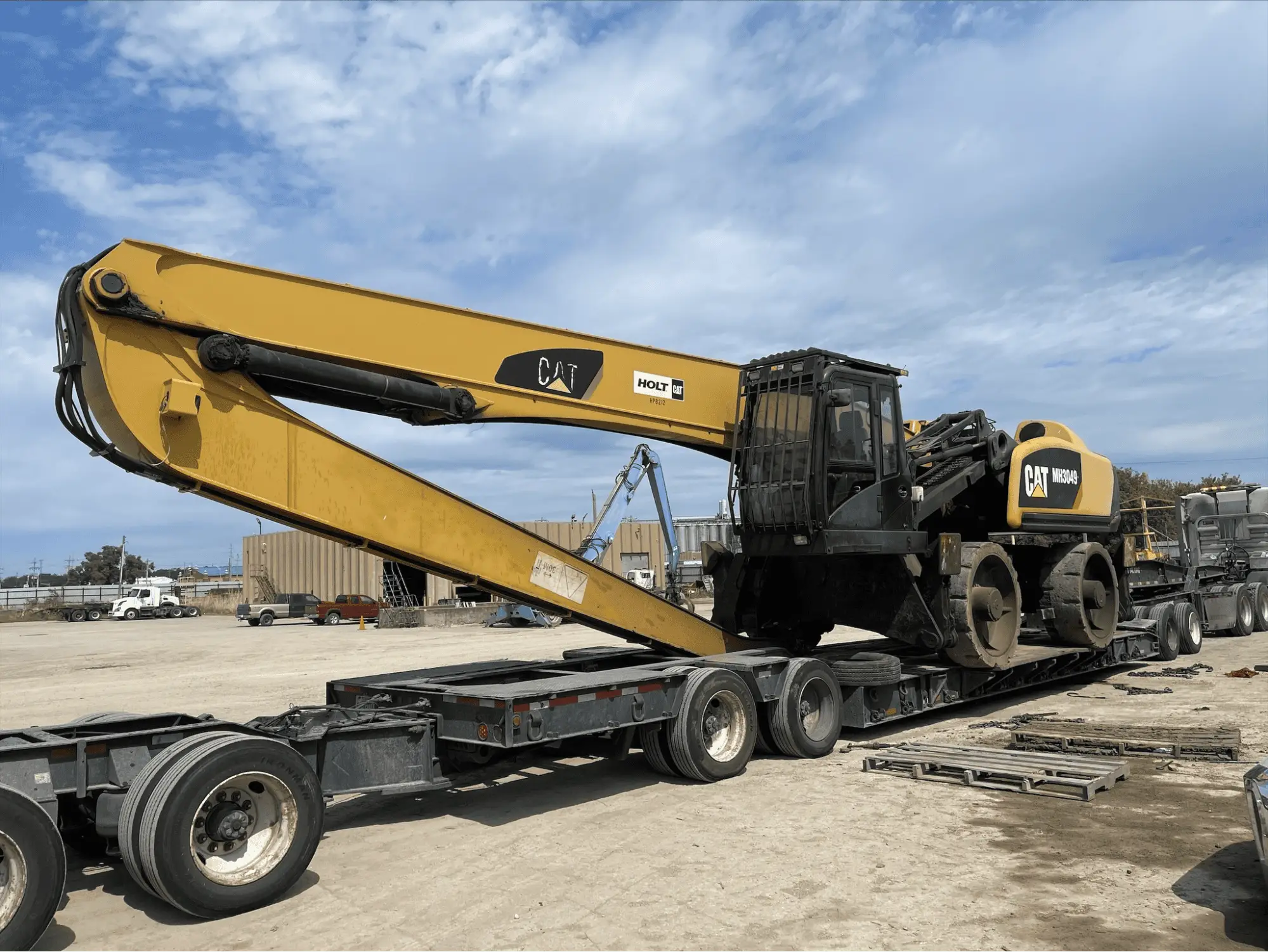
A pre-planned delivery route is one of the most overlooked variables in heavy equipment logistics. Before heavy equipment delivery day, the seven checks below covering specifications, access route constraints, carrier matching, ground preparation, site control, installation readiness, and contingency planning prevent access failures, idle installation crews, and freight damage on large commercial properties.
For coordinators managing commercial or agricultural equipment deliveries, a single gap like a gate too narrow for the trailer or a flooded access road translates directly into crane call-out fees, rescheduling costs, and delayed project timelines.
Aligning the freight type with the correct transport vehicle ensures safe transit. Simultaneously, complex water features like Everblue Pond’s large-property pond fountains for aeration require the delivery schedule to align precisely with the site’s electrical readiness. Addressing these variables early eliminates friction on arrival day.
1. Confirm Specs and Unloading Methods
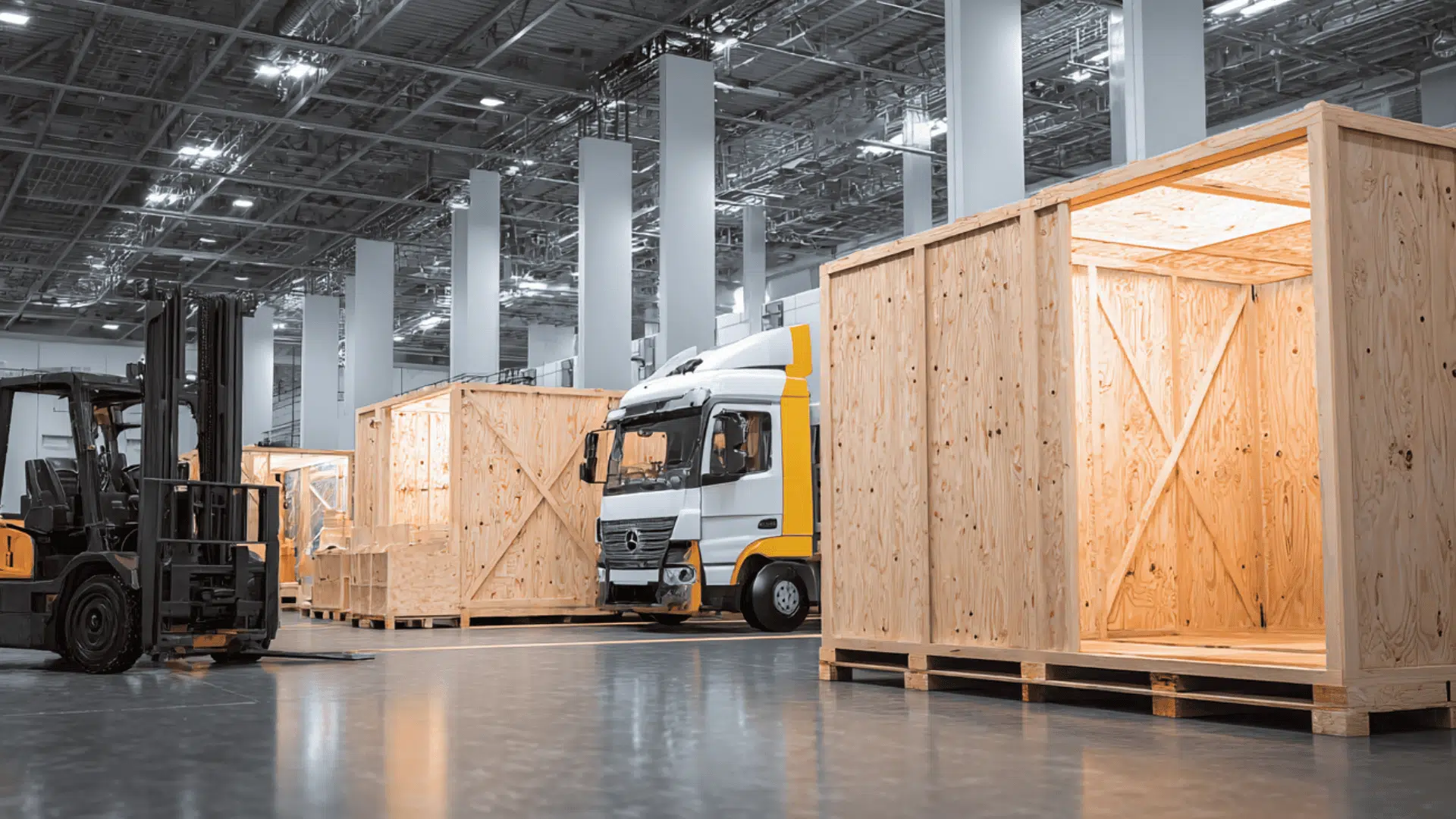
Request exact dimensions in writing before the truck is dispatched. Crated equipment often measures 12 to 18 inches wider than its standard operating footprint. That hidden discrepancy dictates whether a load clears a tight tree canopy or fits safely through a security gate.
Confirm the delivery window as a specific time range rather than a vague two-day spread. Establish whether the driver arrives with a winch or if the site must provide lifting equipment. Coordinating multiple suppliers always requires independent verification because a minor weight discrepancy easily shifts the required trailer type.
2. Walk the Full Access Route
Walk the entire route from the public road to the unloading zone to record physical constraints. Record road widths, overhead clearance under power lines, turning radii, and slope grades. Gate widths present a consistently underestimated failure point, so measure them with a tape measure.
Document buried irrigation lines and septic infrastructure that limit where outriggers can safely deploy. Capture each constraint using phone photos with location tags to build a reference log.
Route documentation requires specific measurements for widths, clearances, and surface conditions recorded at every tight constraint point.
| Pro Tip: Match carrier to load specs and route data, not to the lowest cost. A mismatched trailer produces delayed, damaged freight and rescheduling fees that exceed any savings. |
3. Match Loads to Appropriate Carriers
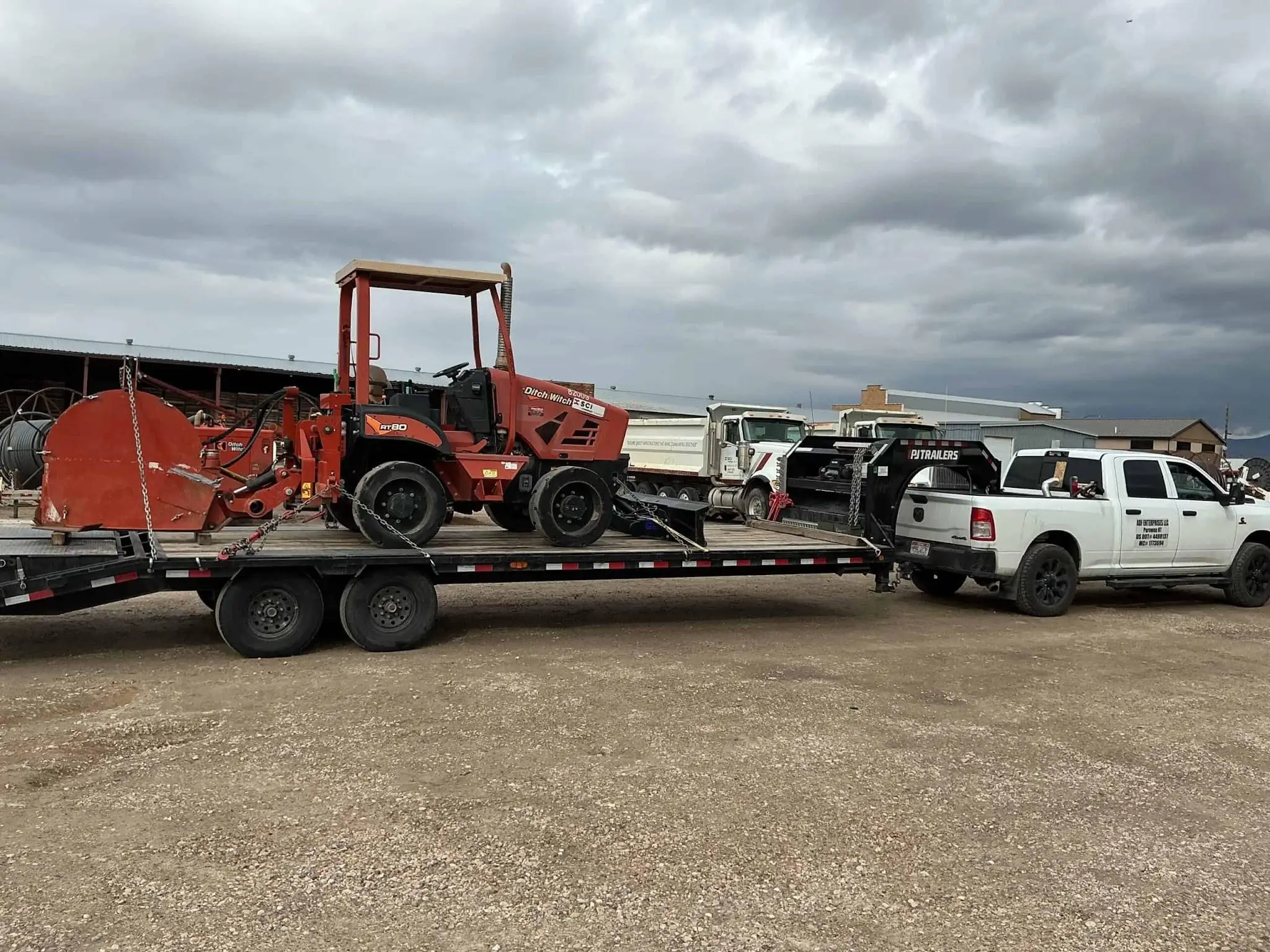
Use the route data to determine if the load requires a flatbed, lowboy, or a multi-axle configuration. A standard trailer routed down a lane with low overhead clearance guarantees damaged freight and increases accident risks.
Time-sensitive commercial components often benefit from specialized swift transport options like Titan Worldwide Logistics’ responsive hotshot trucking for urgent loads. Expediting an aeration compressor to a rural installation utilizes responsive hotshot trucking perfectly when dimensions fit standard parameters. Secure specialized carrier configurations early, as availability tightens rapidly near deadlines.
4. Reinforce Roads and Staging Areas
Calculate expected axle loads using the gross weight and distribute those assumptions across the haul route. A gravel road supporting a standard truck will collapse under a loaded lowboy if the sub-base lacks density. Identify low-bearing-capacity shoulders, then reinforce them with compacted gravel or road plates.
Prepare staging areas to remain level and properly sized for the equipment plus the operating radius of the forklift. Mark temporary overnight staging pads early so drivers know exactly where to park a held delivery.
5. Mark Zones and Confirm Communication
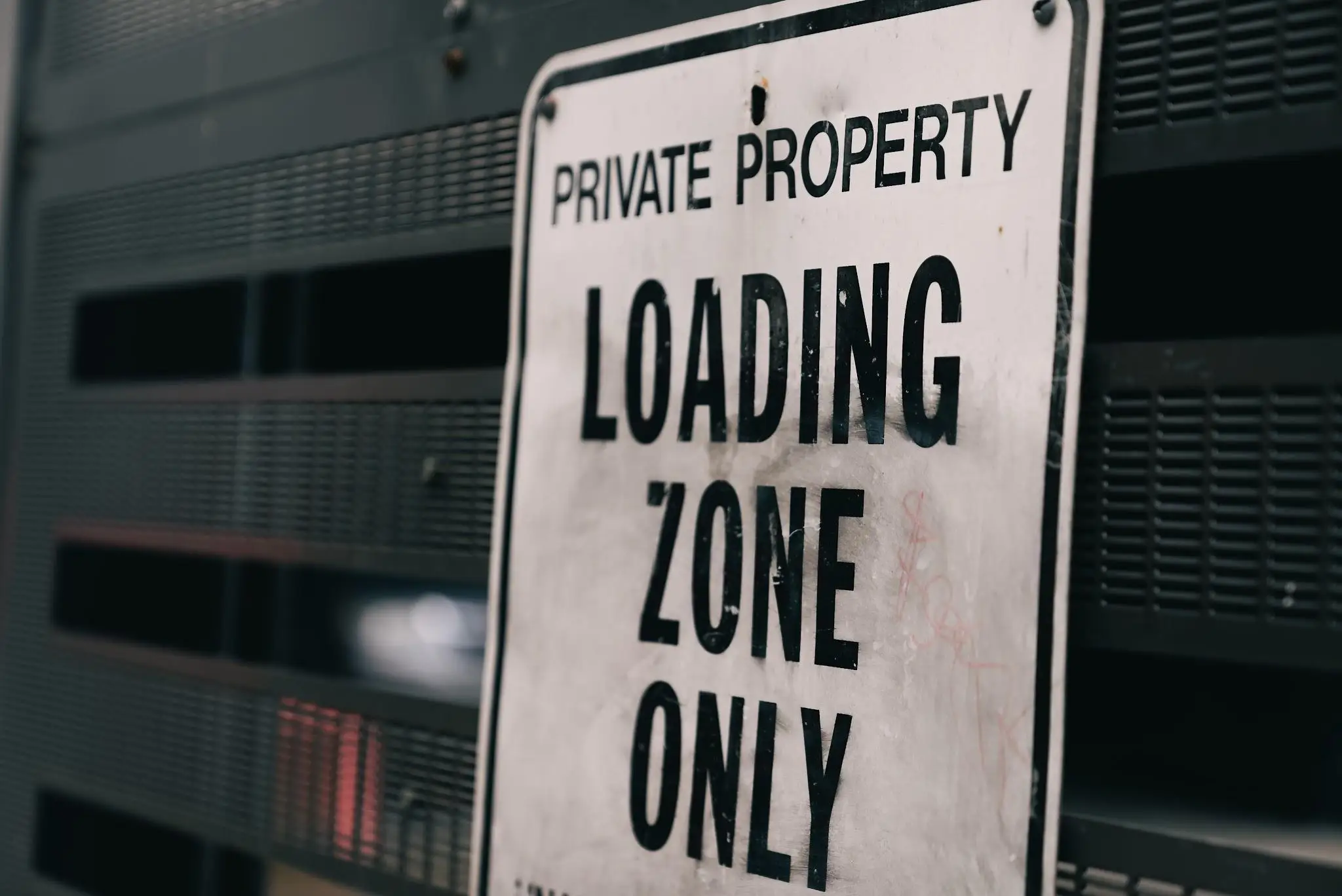
Mark the unloading zone physically with stakes or flagging tape before the transport vehicle arrives. An unmarked zone forces the driver to improvise placement, which increases positioning errors and prolongs offloading.
Provide a written communication chain specifying who the driver contacts upon arrival. A single point of contact must remain on-site for the entire delivery window. Test all gates and electronic access codes before the truck departs.
6. Verify Complete Installation Readiness
Avoid conflating the delivery schedule with the installation plan to prevent costly delays. An unloaded piece of equipment sitting on a truck generates detention fees when the necessary lifting vehicle fails to show up. Ensure a forklift is securely scheduled to arrive within the same window as the incoming freight.
Inspect electrical panel capacity and disconnect switches before the transport arrives. Large-property pond fountains operate as complex systems that require anchoring, electrical routing, and depth verification simultaneously with the delivery. Running the freight and installation plans in parallel ensures the site is fully prepared.
Equipment requiring dedicated electrical connections, anchoring, and water depth verification demands parallel planning for freight delivery and on-site installation.
| Important: Delivery and installation schedules are not the same; a truck sitting idle because no lift is on-site incurs detention fees typically starting after two hours. Plan both in parallel, not sequentially. |
7. Build a Delay Recovery Plan
Define the minimum ground conditions required for safe transit and establish a hold protocol with the carrier to minimize road hazards. Designate a nearby paved commercial lot where the equipment can sit temporarily if the primary site route fails.
Clarify exactly how the supplier handles freight damage reports and escalations. Photograph all packaging from multiple angles before moving the equipment, as shifting damaged freight can void the claim. Consolidate the carrier dispatcher number, supplier warranty contact, and site manager details into a single printed sheet to guarantee access during a cell service outage.
Making It Happen
Securing heavy equipment safely requires matching trailer configurations directly to the physical constraints of the unloading zone. From coordinating specialized transit for urgent commercial loads to verifying electrical hookups for advanced water feature systems, precise scheduling prevents arrival bottlenecks. Run through the following checklist the afternoon before the scheduled delivery to ensure full site readiness.
- Verify equipment dimensions against recorded route clearances.
- Walk the access route to check for new obstructions.
- Unlock gates and clear the unloading lane.
- Mark the unloading zone and set the safety perimeter.
- Ensure the necessary forklift is physically on-site.
- Keep the designated contact present for the delivery window.
- Verify all connections are ready for the system.
- Assess ground conditions against safety thresholds.
- Confirm the delay protocol with the carrier.
- Prepare a camera for immediate arrival photos.
- Print the emergency contact list.