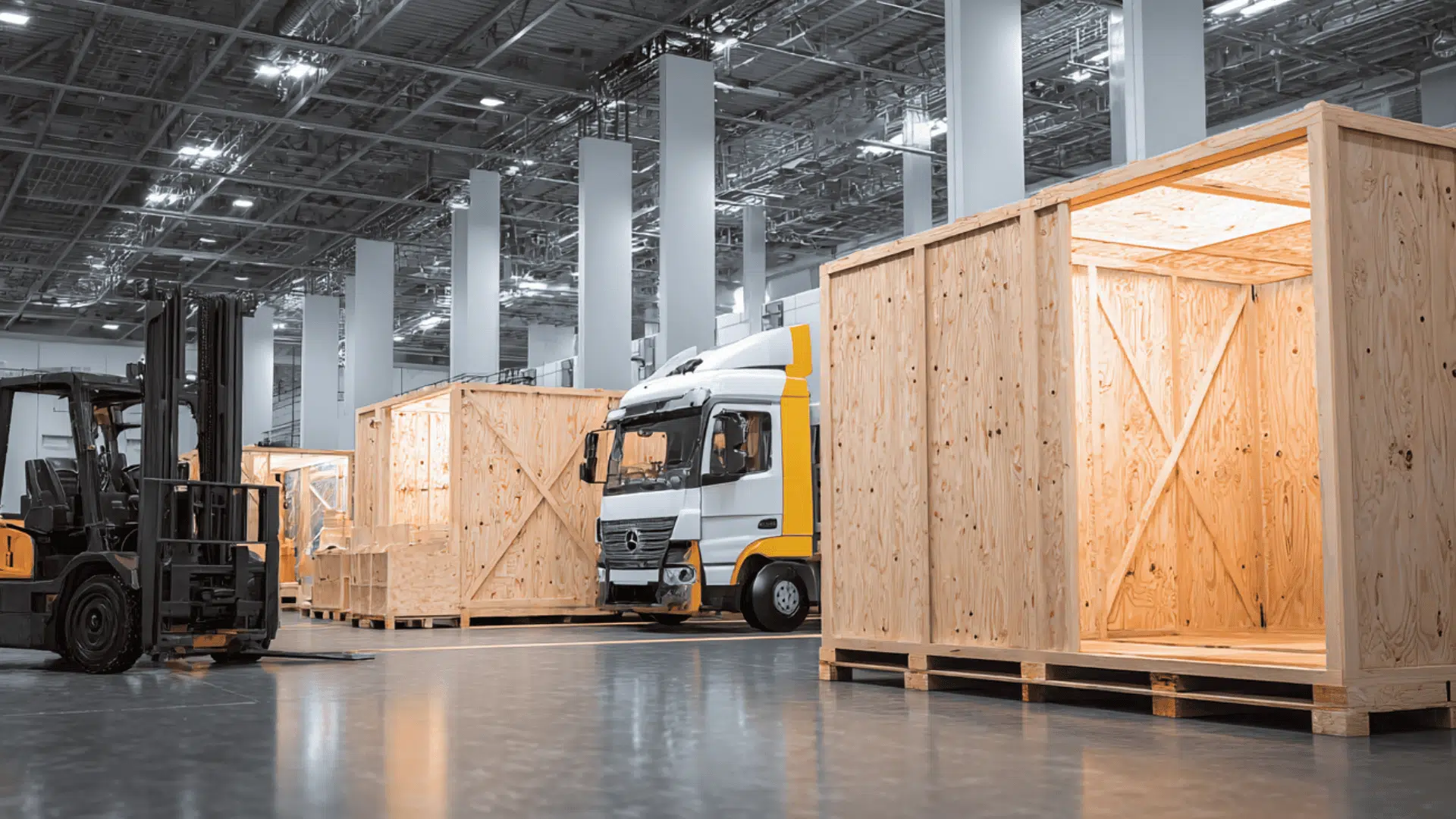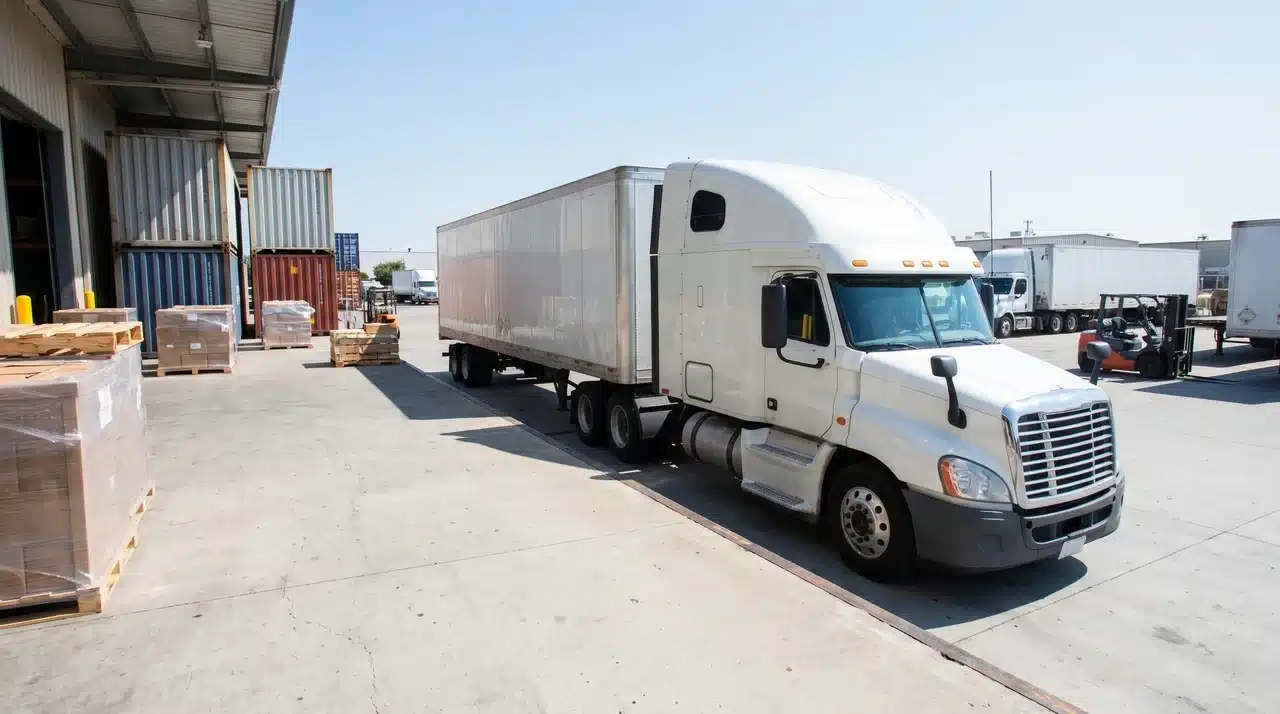
Cargo insurance cost isn’t a single number; it’s a range shaped by what you haul, where you run, and what your claims history looks like.
Two carriers moving similar freight can pay very different premiums, because commodity type, operating radius, and claims history each pull the price in a different direction.
Understanding how insurers actually price a policy changes how you read a quote and whether you push back or accept it as given.
What drives the cost, how coverage is structured, and what to bring to a quote; it’s all laid out below.
What Does Cargo Insurance Actually Cost?
Annual motor truck cargo insurance typically costs $400–$2,000 per year for a $100,000 policy limit. For single shipments, expect $0.10–$2.00 per $100 of cargo value.
Annual and per-shipment cargo insurance work differently. Annual coverage suits carriers who move freight regularly, while per-load coverage suits carriers who move freight occasionally or on a spot basis.
Your cost depends on what you haul, your routes, and your claims history. Local dry freight is usually cheaper to insure than high-value interstate freight, such as electronics.
Most broker contracts need at least $100,000 coverage, so online pricing uses that as a baseline. Higher-risk freight, such as equipment or electronics, often requires $250,000–$ 500,000 or more in coverage, which raises premiums.
What Determines Your Cargo Insurance Premium?
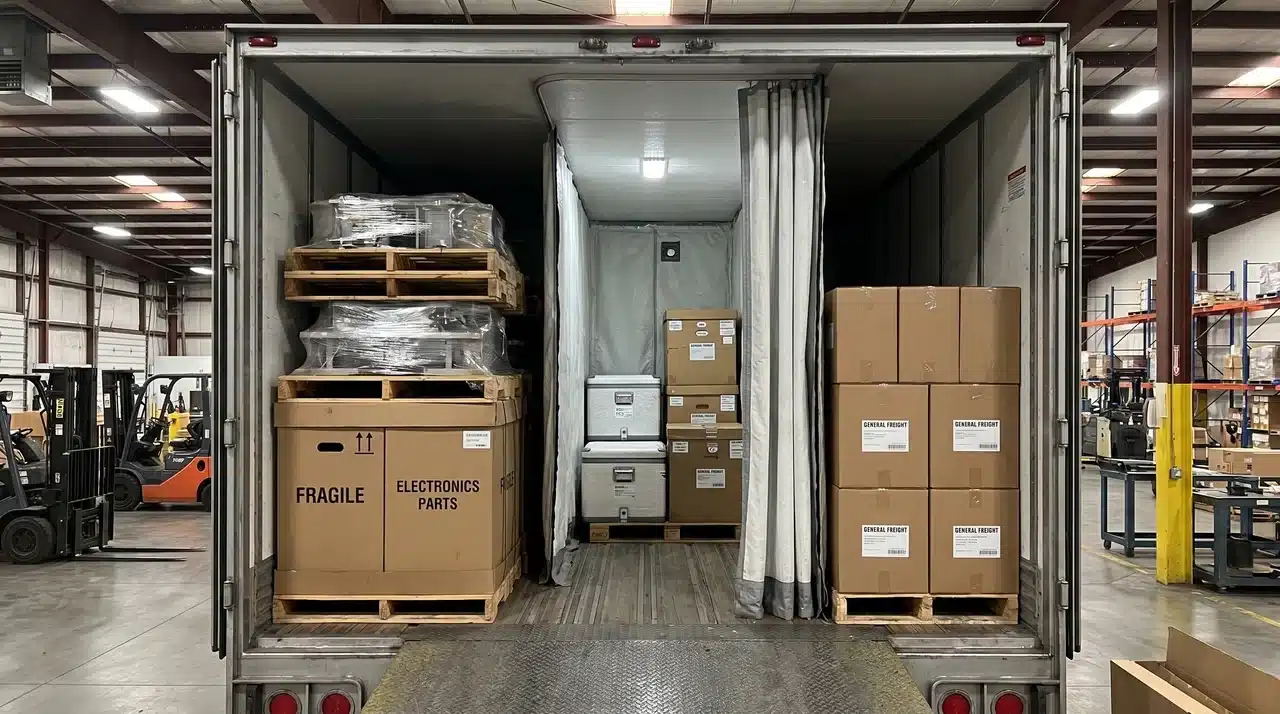
Insurers weigh several factors together, not just one. Commodity type sets the baseline rate, operating radius adjusts it up or down, and your loss history adjusts it again from there.
That layering matters for one reason: a clean driving or claims record can lower your cost, but it won’t erase the baseline set by high-risk commodity or long-haul route pricing. It adjusts a rate that’s already been shaped by what you haul and where you operate.
Commodity Type and Cargo Classification Affect Truck Cargo Insurance Rates
That baseline starts with what’s in the trailer. Insurers run each commodity type through a freight-risk, theft-exposure, and claims-history filter before anything else gets factored in.
- General Dry Freight: Boxes, pallets, and similar standard goods are the cheapest to insure, since insurers can predict the risk with reasonable accuracy.
- Electronics and High-Value Goods: Theft and replacement costs run high here, which pushes electronics, jewelry, and similar cargo toward the top of the rate scale.
- Pharmaceutical and Refrigerated Freight: One refrigeration failure can spoil an entire load. That single-point-failure risk is why temperature-sensitive freight carries a premium.
- Hazardous Materials: Spill liability and environmental cleanup costs put fuel, chemicals, and other regulated freight near the top of the pricing scale.
- Oversized or Mixed Loads: Insurers sometimes rate the whole load at the highest risk level present, so one piece of heavy equipment mixed in with standard freight can raise the rate for everything else on the trailer.
Knowing cargo classification helps carriers estimate truck cargo insurance rates more accurately. Lower-risk freight usually leads to lower premiums and more affordable coverage options.
Claims History and Loss Runs
A loss run is a report showing your insurance claims from the past 3–5 years. Insurers use it when deciding your cargo insurance rate.
Clean loss runs usually mean lower premiums and more quote options. Frequent claims can push premiums up 20–40% or limit the coverage you can get.
Deductibles work alongside your claims history. Higher deductibles can lower premiums, but if you have frequent small losses, you’ll end up paying more out of pocket.
Operating Radius and Route Risk
Loss history isn’t the only thing insurers track over the life of a policy. Where you run those loads adds its own layer of risk, and it moves your rate away from the baseline in either direction.
Regional refrigerated routes are priced differently from long multi-state trips, especially in higher-risk areas, where additional risk is added to the base rate.
That extra cost comes down to exposure time, not mileage.
A regional route might have your trailer parked and moving within a single day, while a multi-state run leaves cargo sitting in unsecured lots overnight, sometimes more than once.
Each extra stop and each state line crossed adds a window where theft, weather damage, or handling errors can happen, and insurers price for that window.
Certain corridors and metro areas also see disproportionately high cargo theft rates, so a long-haul lane through one of those areas can cost more than a similar-length route that avoids them.
Local, steady routes usually cost less to insure, while long-haul runs cost more. If your stated radius is accurate, keeping it narrow can sometimes help your rate.
How is Insured Value Calculated?

Choosing the right coverage structure comes down to one number: how many loads you move per year. Here’s how each option prices out.
Annual Policy
Annual motor truck cargo coverage is ideal for carriers moving freight consistently year-round. Premium stays fixed, regardless of shipment volume or seasonal fluctuations in operations.
Cost per load decreases as freight volume increases, making it more efficient for high-activity carriers. Higher utilization spreads the premium across more shipments effectively.
Carriers moving over fifty loads annually usually benefit most. However, slow periods still require payment of the full premium, even when trucks are not actively operating freight.
Per-Load Coverage
Per-load coverage charges insurance per shipment based on declared cargo value, usually $0.10–$2.00 per $100, making costs flexible and usage-based.
For example, a $50,000 load typically costs $50–$100 per shipment. This structure works best for low-volume carriers with inconsistent or occasional freight movement.
Break-even matters; around 40 loads yearly, annual coverage becomes cheaper. Below that, per-load is efficient. Platforms like Loadsure via DAT support spot freight operators.
How to Get an Accurate Cargo Insurance Quote?
A quote is only accurate when inputs stay consistent. Always set the same coverage limit and deductible before comparing insurers, so pricing stays truly comparable.
A $100,000 policy with a $1,000 deductible is not the same as a $ 100,000 policy with a $5,000 deductible. Mixing them leads to misleading comparisons and wrong decisions.
Before requesting quotes, get a 3–5-year loss run from your insurer. Underwriters will ask anyway, and a clean record significantly improves negotiating power.
Beyond the loss run, keep these ready before you call:
- Commodity Type: Specify exactly what you haul, since different freight categories carry different insurance risks and pricing.
- Operating Radius: Let insurers know whether you operate locally, regionally, or across state lines because route distance affects risk levels.
- Annual Load Count: Your yearly shipment volume helps determine whether annual or per-load cargo coverage makes more financial sense.
- Coverage Limits and Deductibles: Compare quotes with the same policy limits and deductibles to accurately evaluate pricing differences.
- Average Load Value: Use actual invoice data, including freight cost, plus a 10% buffer for delays and fees. Underreporting lowers your premium but also reduces what a claim will pay out.
One quote is rarely enough. Comparing options helps you find better pricing and avoid coverage gaps before a claim happens.
How to Lower Your Cargo Insurance Premium
A few carrier-side changes move the needle on cost more than shopping around does.
Keep your loss run clean. Even one or two preventable claims can erase years of safe-driving discounts, so resolve small disputes with shippers directly when possible instead of filing a claim.
Match your declared commodity to what you actually haul. Underdeclaring a high-value load to save on premium reduces your payout if something goes wrong; overdeclaring locks in a higher rate for risk you’re not running.
Add cargo security measures insurers recognize. GPS tracking, locking trailer doors, and team-driving on theft-prone corridors can qualify you for a lower theft rating on some policies.
Raise your deductible only if your cash flow can absorb it. A $2,500 deductible instead of $500 can cut your premium noticeably, but only if a single claim won’t strain your operating account.
Bundle cargo with your auto liability policy. Carriers running a combined policy through one insurer often get a better rate than splitting cargo and liability across two carriers.
None of these replace an accurate quote process, but they shift the baseline the next quote gets built from.
Conclusion
Cargo insurance cost comes down to three things: what you haul, where you run it, and what your loss history says about you as a risk.
Annual and per-load coverage aren’t interchangeable. The right structure depends on your shipment volume, and the crossover point is closer than most carriers expect.
The carriers who consistently pay fair premiums aren’t lucky; they show up prepared, with clean documentation and accurate declared values.
Get your loss run, set your coverage parameters, and compare at least three quotes. If you need help reading what comes back, reach out.
Frequently Asked Questions
How much does $100,000 cargo insurance cost?
A $100,000 cargo insurance policy typically costs $400–$2,000 annually. General dry freight operations with clean loss runs land toward the lower end. High-theft commodities like electronics or pharmaceuticals and long-haul, multi-state routes push premiums toward the higher end of that range.
How much is cargo insurance per shipment?
Per-shipment cargo insurance costs $0.10–$2.00 per $100 of declared cargo value. A $50,000 general freight shipment typically costs $50–$100 to cover per load. High-value or theft-prone cargo sits at the higher end. Above roughly 40 loads per year, an annual policy usually becomes the cheaper option.
How much does $1 million in cargo insurance cost?
A $1 million cargo insurance policy typically costs $2,500–$6,000 annually. Premiums scale with coverage limit increases from the $100,000 baseline but rise more steeply for high-risk commodity types, multi-state routes, or operations with prior claims on their loss run.
What is the most important factor in cargo insurance pricing?
Commodity type is the single highest-leverage pricing factor. Insurers set the base rate based on what you haul; general dry freight rates are lowest, while electronics and pharmaceuticals rates are highest. Operating radius and loss history then adjust that base rate up or down, but they don’t override the commodity classification.