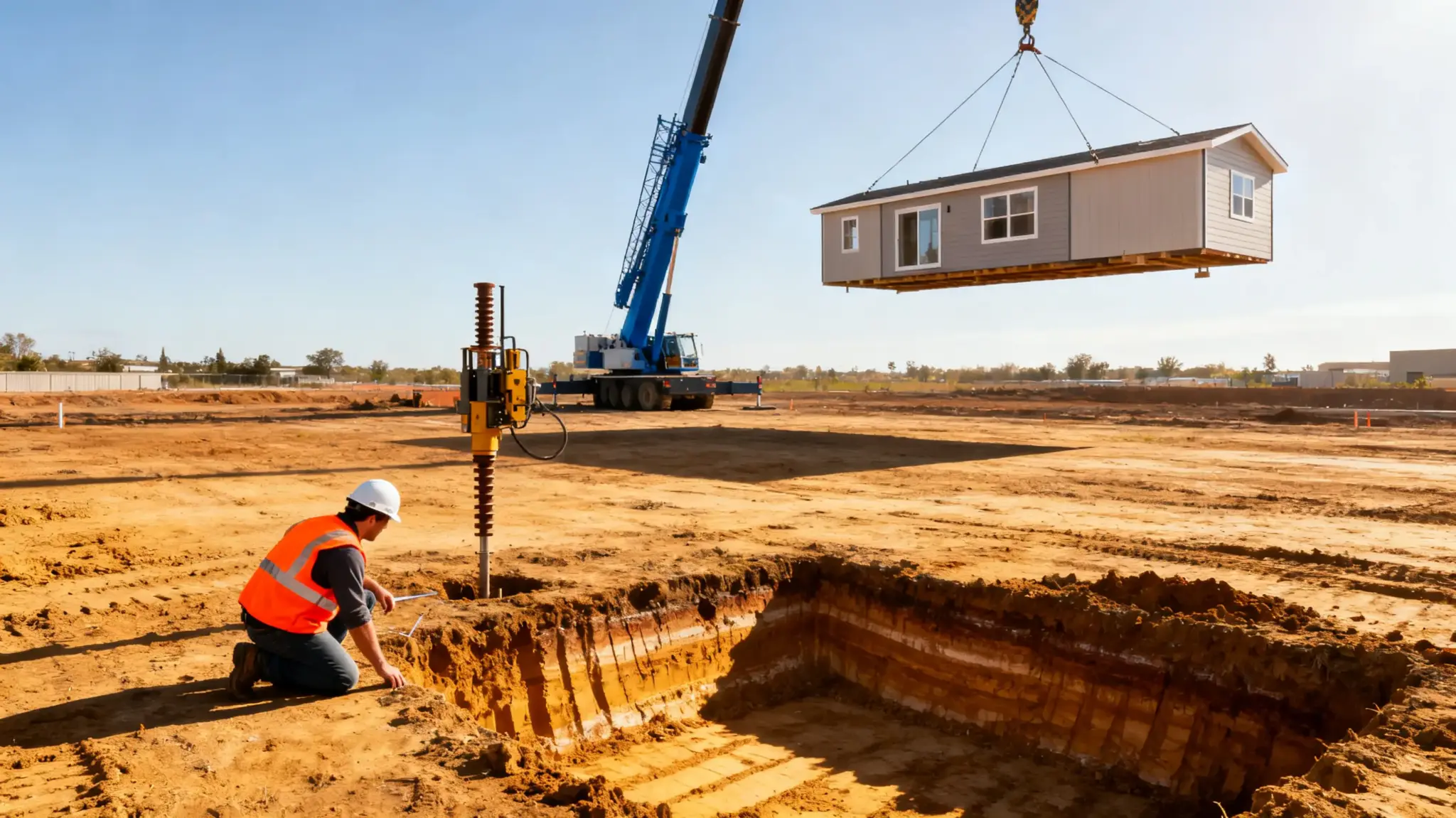
So the house is ordered, the deposit is in, the floor plan is final. And then the buyer looks at the land and wonders if it’s actually ready. Often, it isn’t. Not quite.
The factory side of a modular build gets most of the attention online, but the ground underneath the home is where the budget tends to slip. A site that looks fine in July can act very differently in March. It seems most setbacks trace back to one or two things missed before the trucks ever show up. Below are four checks worth doing first, ideally with someone like Mateco Drilling on the subsurface side if the lot is unfamiliar or has any history to it.
1. Subsurface Conditions
This one’s less intuitive than people expect. A bare lot can hide soft layers, old fill, shallow bedrock, or a forgotten tank from decades back. Without a real look at what’s down there, you’re guessing on footings.
A geotechnical investigation, even a small one, gives the engineer something to work from. Two or three borings, a few feet of rock coring if needed, maybe ground penetrating radar if there’s reason to think something’s buried. It’s not glamorous work. But it usually pays for itself the first time a contractor doesn’t have to redesign a footing in the field.
2. Soil Bearing and Drainage
Related, but not the same. A site might have decent bearing capacity and still drain badly, which is a slow problem that shows up later. Expansive clay is the usual culprit, though silty soils with poor percolation cause headaches too.
The USDA NRCS keeps published soil surveys for almost every county. They’re not a substitute for a real test, but they’re a useful starting point. If the maps suggest shrink-swell potential, that changes the foundation conversation considerably. Sometimes the right move is a different footing type. Sometimes it’s regrading. Sometimes both.
3. The Pad Itself
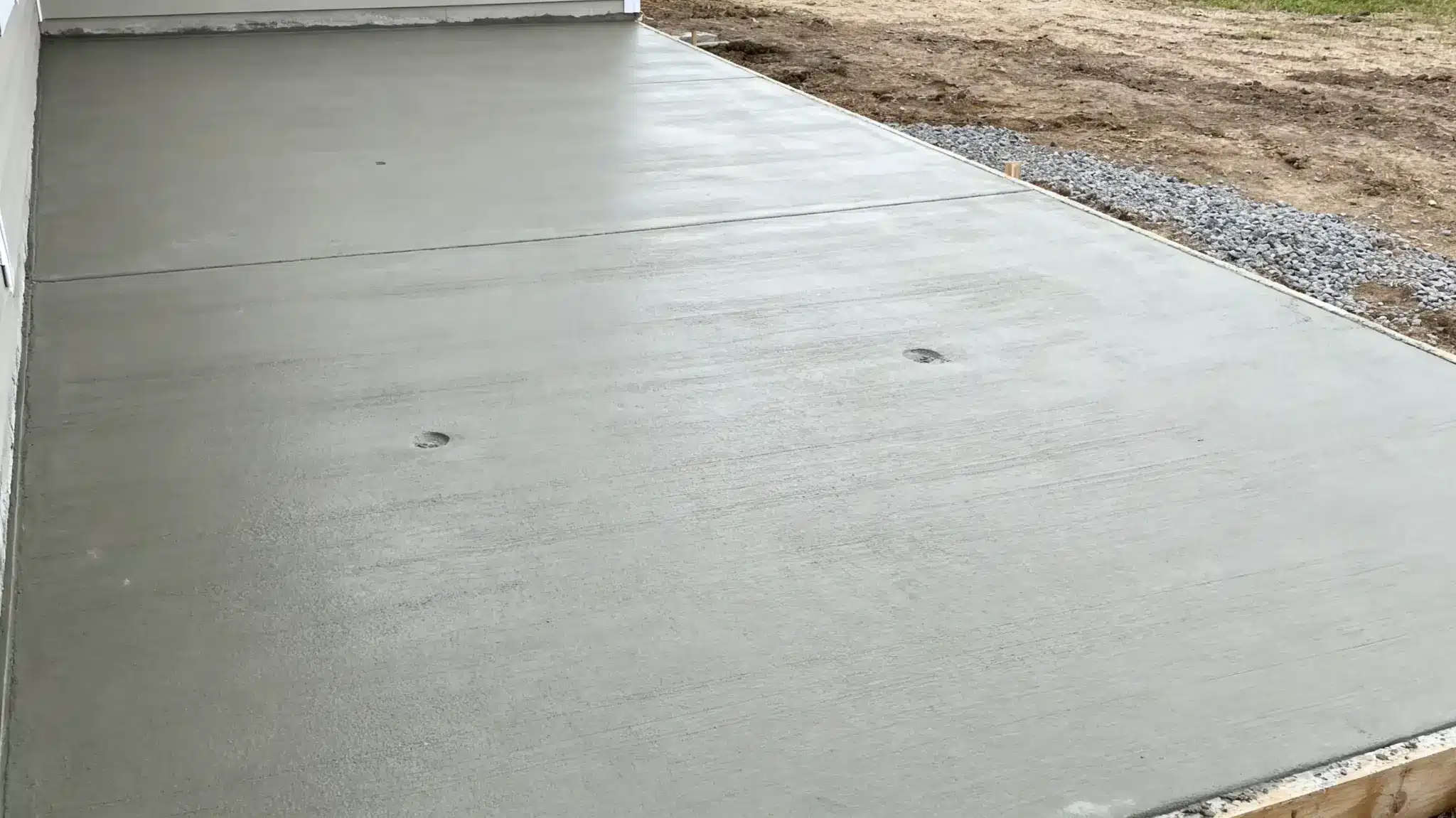
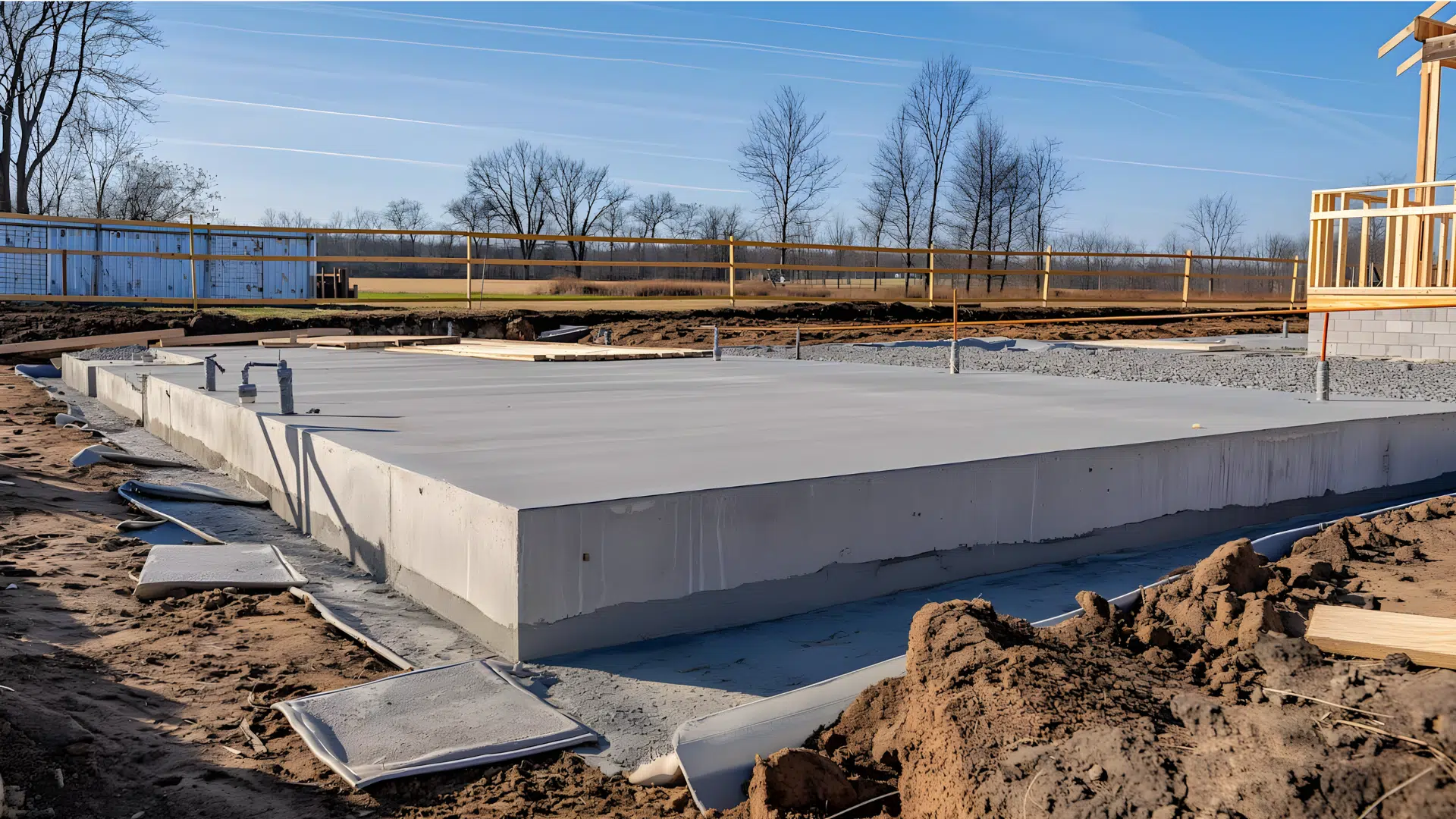
After all the testing, eventually something has to actually sit under the home. Whether that’s piers, a runner system, or pouring a slab, the pad needs to match what the manufacturer specs and what the soil report supports. Skipping the engineering step here is the most common shortcut, and arguably the worst one.
Worth noting: HUD’s permanent foundations guide is the document most lenders point back to for HUD-code homes, and a lot of inspectors won’t sign off without seeing it followed. Side note, that guide also covers anchoring against wind and seismic loads, which gets glossed over a lot in casual conversations about modular setup.
4. Access for the Delivery
Easy to forget until the day of. Modular sections arrive on long trailers, sometimes with a crane following behind, and they need turning room. Low branches, soft shoulders, a culvert that won’t take the weight. Any of those can stop delivery cold.
A walk of the route with the transport company, in person, beats a satellite view every time. Three years ago a friend lost most of a day because of a single overhanging limb nobody flagged. Not ideal.
None of these checks are exciting. They just save money.