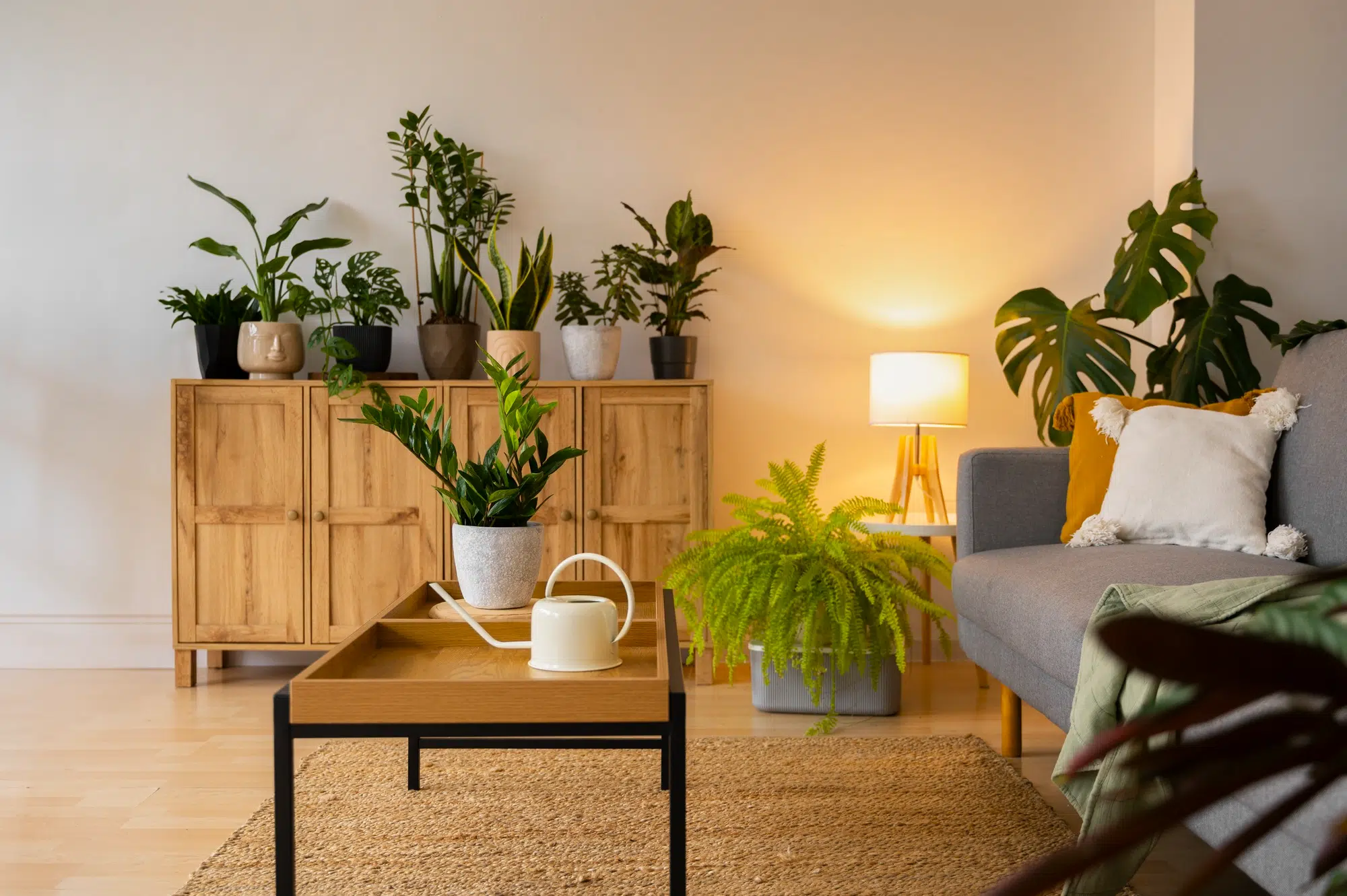
Choosing the best indoor plants for small spaces can make a compact apartment, office, or modern home feel calmer and more personal without taking up valuable room. Even if you live with limited floor space, a few well-chosen plants can fit neatly on shelves, windowsills, desks, or narrow corners.
For anyone looking for practical small-space ideas, compact greenery is one of the simplest upgrades. The key is choosing species that grow slowly, tolerate indoor conditions, and do not need oversized pots.
- Snake Plant ‘Hahnii’
- Succulents
- Air Plants
- Pothos
- ZZ Plant ‘Zenzi’
- Peperomia
- Fittonia
Snake Plant ‘Hahnii’ (Dwarf)
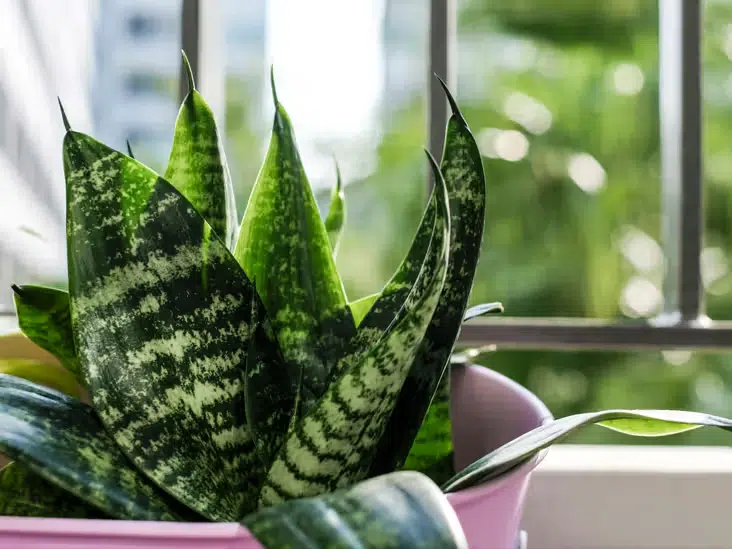
It is one of the most practical small indoor plants for people who want greenery without daily maintenance. Unlike tall snake houseplant varieties, this dwarf type forms a compact rosette and usually stays low and tidy.
It works well on desks, bookshelves, bedside tables, and small entryway consoles. Its sculptural leaves also make it look decorative even in a very simple room.
Basic care:
- Light: Bright indirect light, but it can tolerate lower light.
- Water: Let the soil dry out between waterings.
- Pot: Use a container with drainage holes.
- Best for: Beginners, offices, and low-maintenance homes.
Succulents: Haworthia and Echeveria
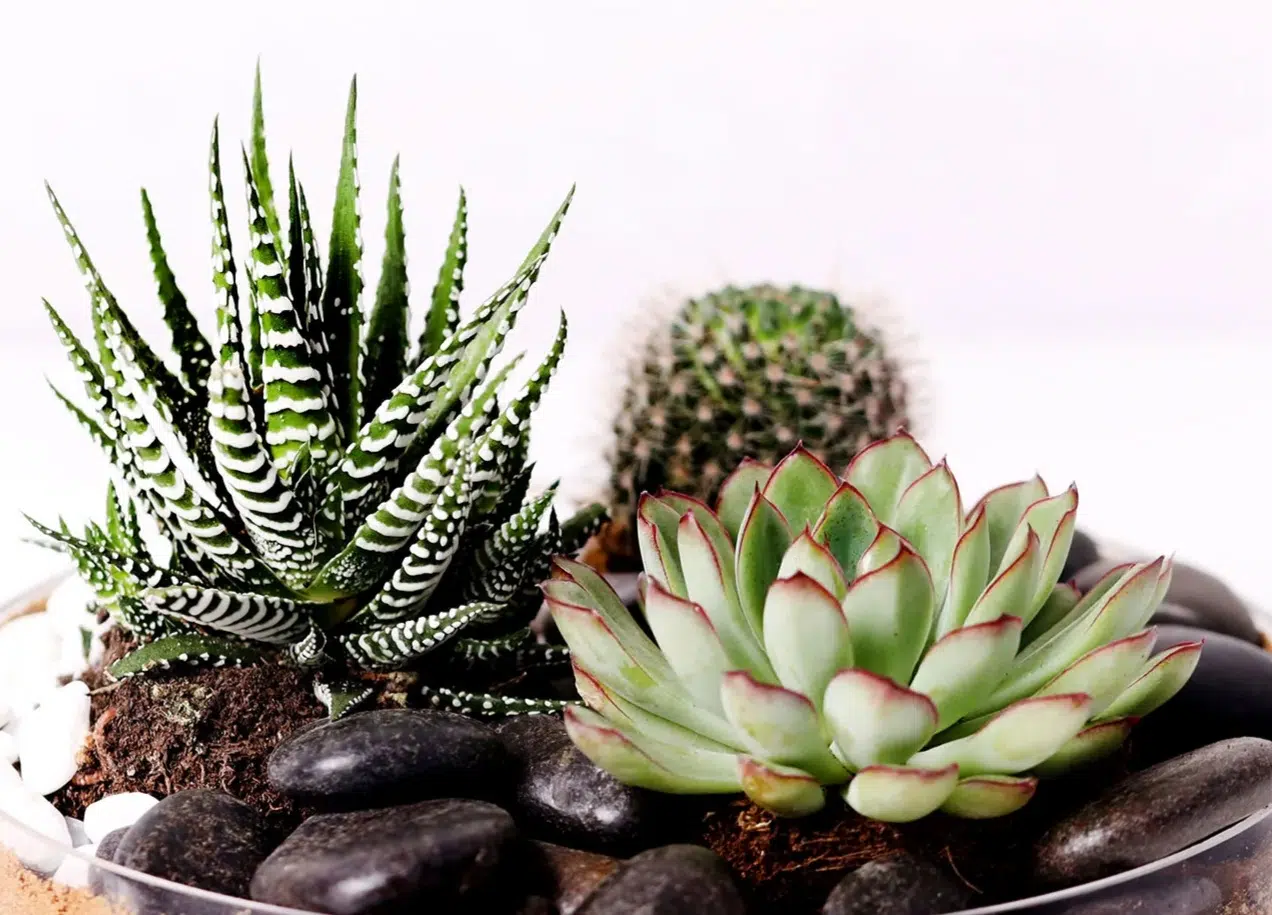
Succulents are usually excellent small plants for sunny rooms because they store water in their leaves and usually grow slowly. Haworthia, Echeveria, and similar compact species fit on windowsills, narrow shelves, and small trays.
They are also useful for renters or people who move often because they are light, portable, and easy to group together. However, since many succulents look similar, identifying them correctly can help you understand their light and special watering needs. A special tool like Botan plant ID online is very helpful when you want to check a plant type before adjusting care.
Basic care:
- Light: Bright direct or indirect sunlight.
- Water: Water only when the soil is completely dry.
- Pot: Well-draining cactus or succulent potting mix.
- Best for: Sunny windowsills and beginners.
Air Plants (Tillandsia)
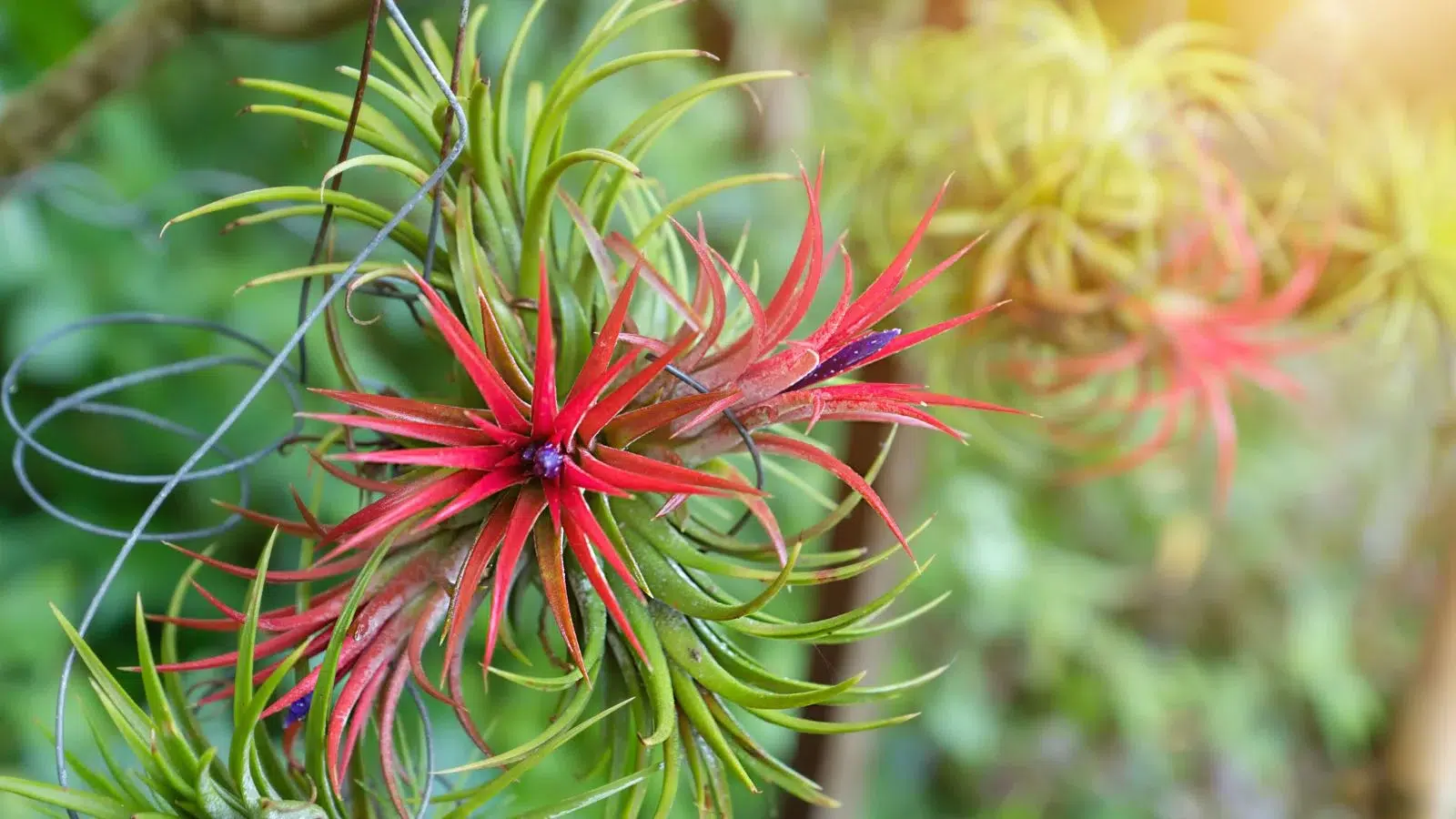
They are among the most flexible small indoor house plants because they do not need traditional soil. You can place them in wall-mounted holders, glass containers, wooden stands, or hanging displays.
This makes them especially useful in tiny homes where every surface matters. They add a natural accent without taking up counter or floor space.
Basic care:
- Light: Bright indirect light.
- Water: Soak in water for 20–30 minutes every 1–2 weeks.
- Pot: No soil required; use holders, shells, or glass containers.
- Best for: Creative displays and ultra-small spaces.
Pothos: Keep It Trimmed
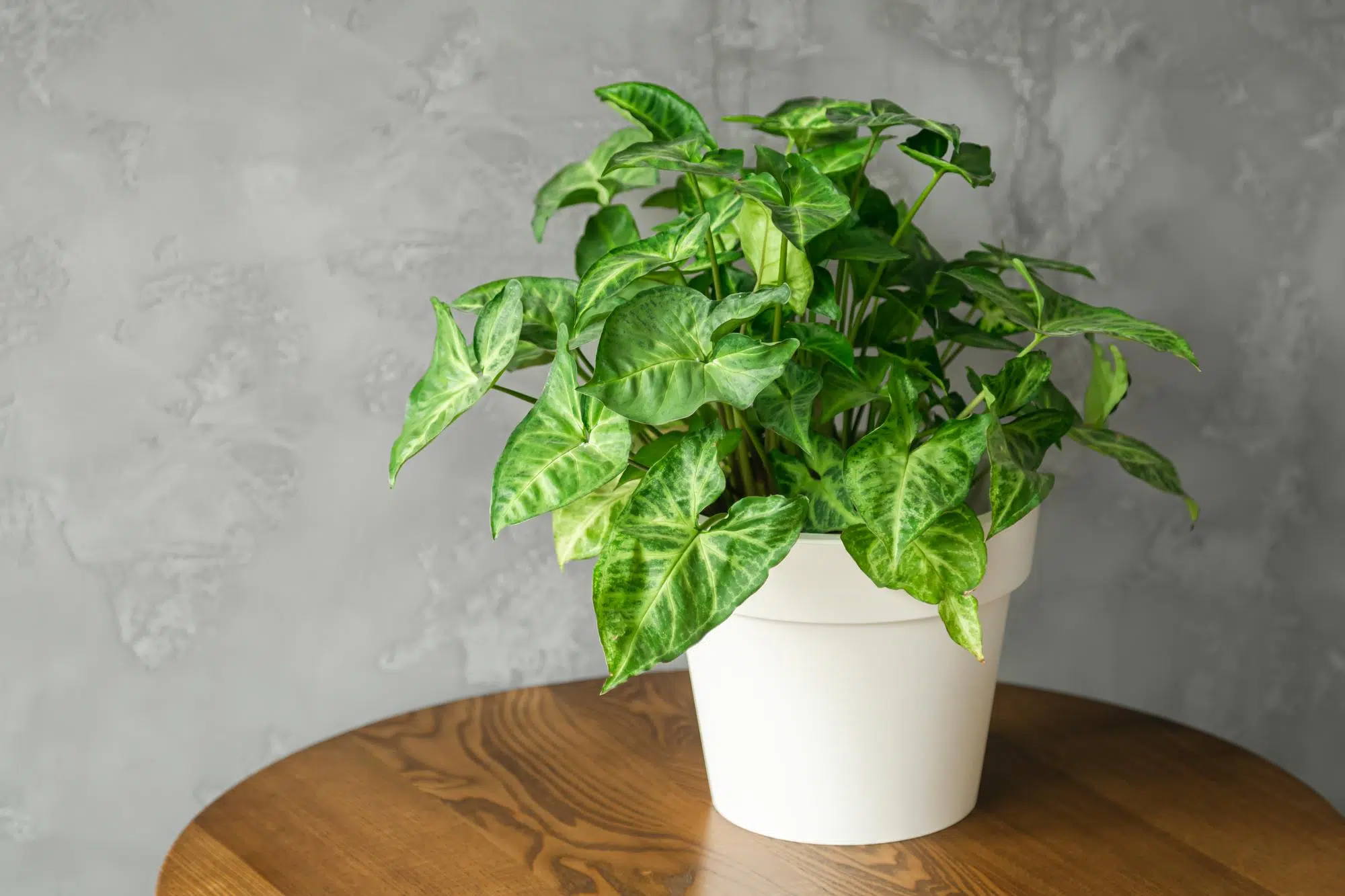
Pothos is usually known as a trailing species, but it can also be one of the easiest small plants to grow indoors if you keep it trimmed. A small pothos cutting in a compact pot can brighten a shelf, desk, or kitchen counter. The advantage of pothos is its adaptability. It can tolerate different light levels, although it grows best in bright indirect light.
To keep it suitable for a small space, prune long vines regularly. You can also propagate cuttings in water and create new small plants for other corners of the home.
Basic care:
- Light: Medium to bright indirect light.
- Water: Allow the top inch of soil to dry between waterings.
- Pot: Standard potting mix with drainage.
- Best for: Shelves, hanging planters, and offices.
ZZ Plant ‘Zenzi’
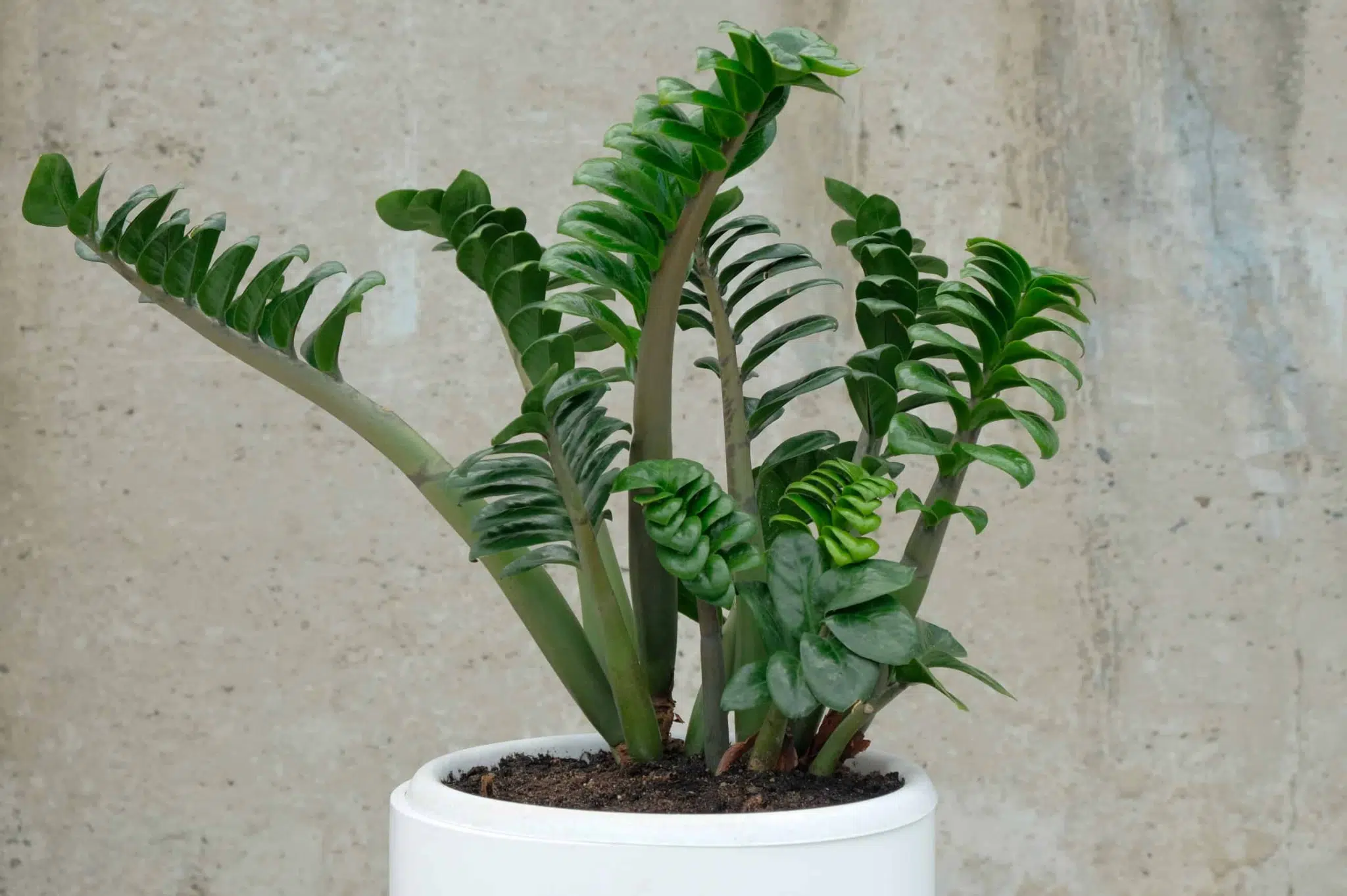
This houseplant is a compact version of the classic ZZ plant. It has thick, dark green leaves and a naturally dense growth habit, making it one of the best small houseplants for low-light areas.
It is a strong choice for offices, bedrooms, hallways, and apartments with limited natural light. It also stores water in its rhizomes, so it does not need frequent watering.
Basic care:
- Light: Low to bright indirect light.
- Water: Water sparingly after the soil dries out.
- Pot: Well-draining pot with drainage holes.
- Best for: Low-light rooms and busy owners.
Peperomia Variety
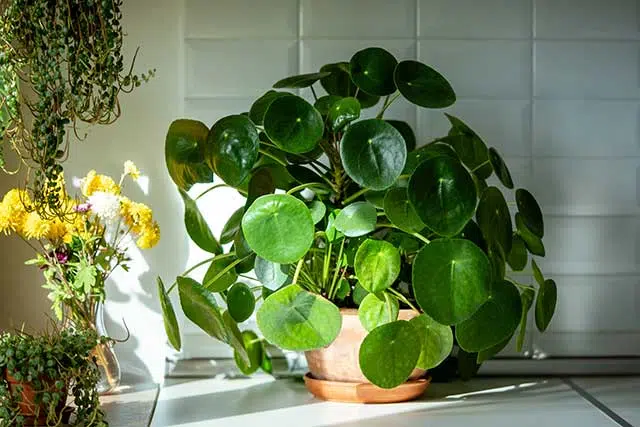
Peperomias are popular small potted plants for indoors because of their wide variety, which stay compact and decorative. Their leaves can be round, textured, striped, glossy, or heart-shaped, depending on the type.
Peperomia works well on desks, shelves, bathroom counters with light, and small kitchen windowsills. It adds color and texture without becoming too large.
Basic care:
- Light: Bright indirect light.
- Water: Water when the top layer of soil becomes dry.
- Pot: Lightweight potting mix with good drainage.
- Best for: Desks, bookshelves, and apartment living.
Fittonia
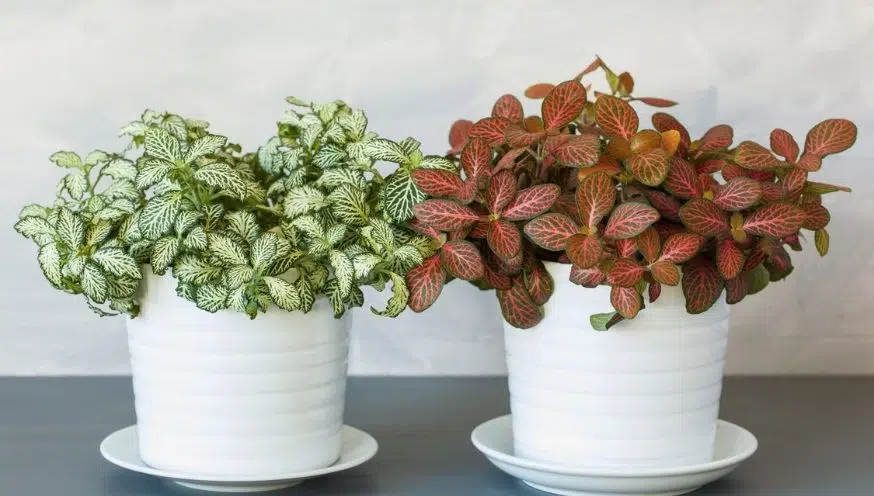
Fittonia, also called nerve plant, is one of the most attractive mini house plants for people who like colorful foliage. Its small leaves often have white, pink, or red vein patterns, making it a decorative option for compact spaces.
This species is especially good for terrariums, small ceramic pots, and bright shelves. It prefers humidity and consistent moisture, so it may need a little more attention than a snake plant.
Basic care:
- Light: Bright indirect light.
- Water: Keep soil consistently moist but not soggy.
- Pot: Moisture-retaining soil with drainage.
- Best for: Terrariums and humid indoor environments
Why Choose Small Plants for Your Space?
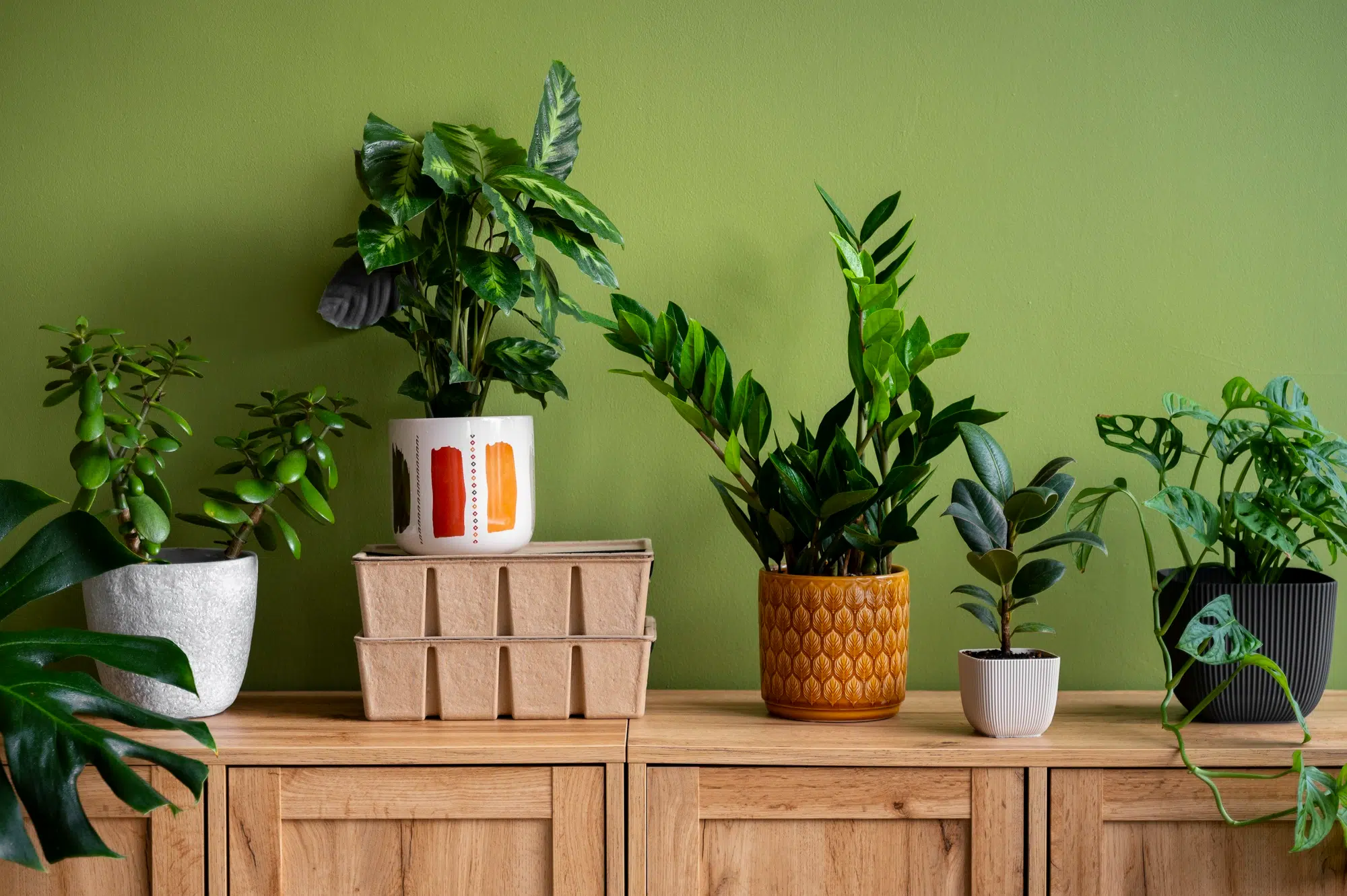
They are useful because they:
- Fit on shelves, desks, windowsills, and narrow tables.
- Add a natural accent to modern interiors.
- Make workspaces feel less plain.
- Are easier to move during cleaning or relocation.
- Usually require less soil, smaller pots, and simpler placement.
They may also support better air quality, although no small plant should be treated as a replacement for ventilation or regular cleaning. Their real value is often emotional and visual: they help a small room feel more comfortable.
Creative Indoor Plant Ideas for Small Spaces
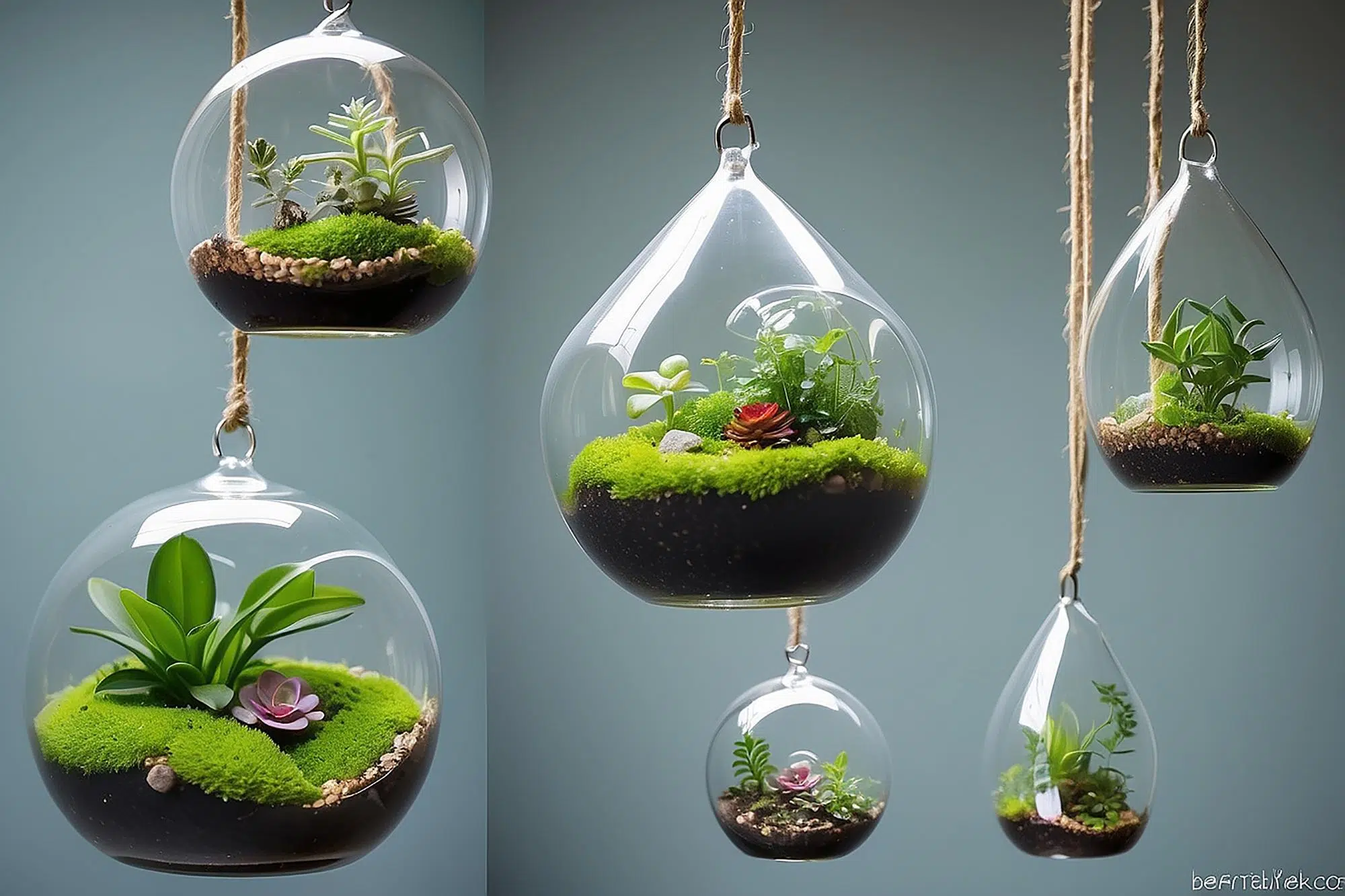
Good indoor plant ideas for small spaces often come down to placement. Instead of using floor space, think vertically and use surfaces that already exist.
Think Vertically
Wall shelves, hanging planters, and vertical plant stands allow you to add greenery without crowding the floor. Air plants, pothos, and small peperomia varieties work especially well in vertical arrangements.
Use Windowsill Gardens
A bright windowsill can hold succulents, small herbs, or compact flowering plants. Keep pots similar in size and color if you want the area to look organized rather than crowded.
Add Plants to Work Surfaces
A small plant on a desk, side table, or kitchen counter can make the space feel more intentional. Choose slow-growing plants so they do not interfere with daily use.
Group Small Pots Carefully
Several tiny plants can look charming together, but too many mismatched pots may make a small room feel busy. A tray or narrow planter can help keep the arrangement tidy.
Basic Care for Plants in Small Pots
Small pots dry out faster than large containers, but they can also become waterlogged if drainage is poor. This makes watering one of the most important parts of indoor care.
Check the soil before watering instead of following a strict calendar. If the top layer is still moist, wait a little longer.
Light also matters. Most compact indoor plants prefer bright indirect light, although ZZ plants and snake plants can tolerate lower-light areas.
Drainage is essential. A pot without drainage holes may look clean, but it increases the risk of root rot. If you use a decorative outer pot, keep the plant in a nursery pot inside it.
Conclusion
Any space can become greener with the right houseplant choices. Compact options like Snake Plant ‘Hahnii’, succulents, air plants, trimmed pothos, ZZ Plant ‘Zenzi’, peperomia, and fittonia can fit into small apartments, offices, and modern homes without overwhelming the room.
The best approach is to start with one or two easy species, place them where they naturally fit, and learn their care needs gradually. Even a small pot on a desk or windowsill can make a compact space feel more comfortable, fresh, and personal.