Quick Answer
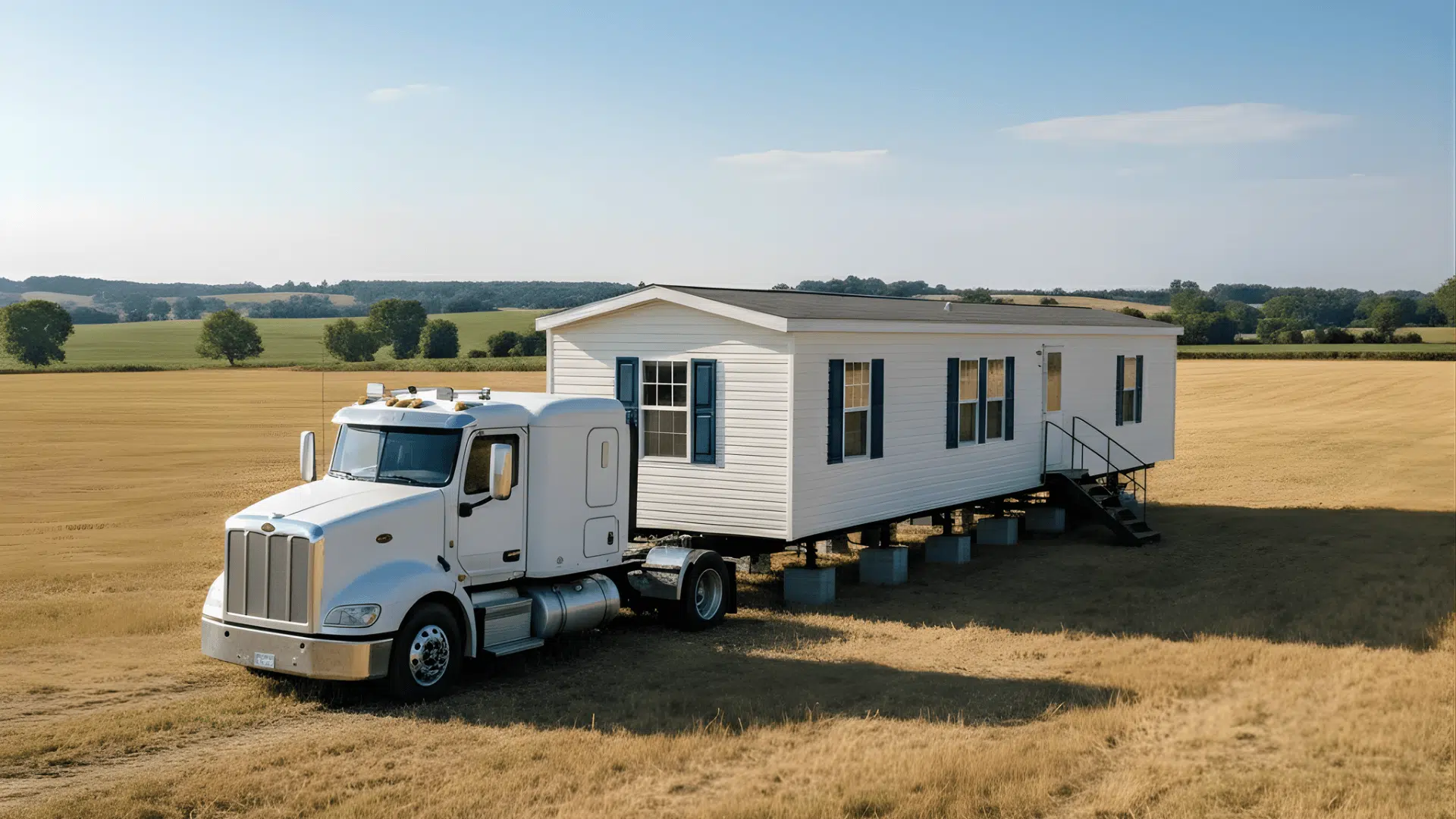
A modular house is typically built 30 to 50 percent faster than a site-built home, with comparable or lower total costs once finishing work is included. Factory production reduces weather delays, material waste, and quality variance. Conventional builds still offer greater design flexibility for complex topography. Final build quality depends more on the manufacturer and assembly crew than the method itself.
Introduction
Anyone who has tried to schedule a residential build in Canada knows the frustration. Permits stall, framing crews disappear into other projects, and a single rainy week can push completion back by a month. Rising labour costs and tighter energy code requirements have made the traditional timeline feel increasingly unsustainable.
Modern Modular Homes built in a controlled facility solve several of these problems at once, which is why factory production has moved from a niche product into a serious mainstream option for both primary residences and secondary dwellings.
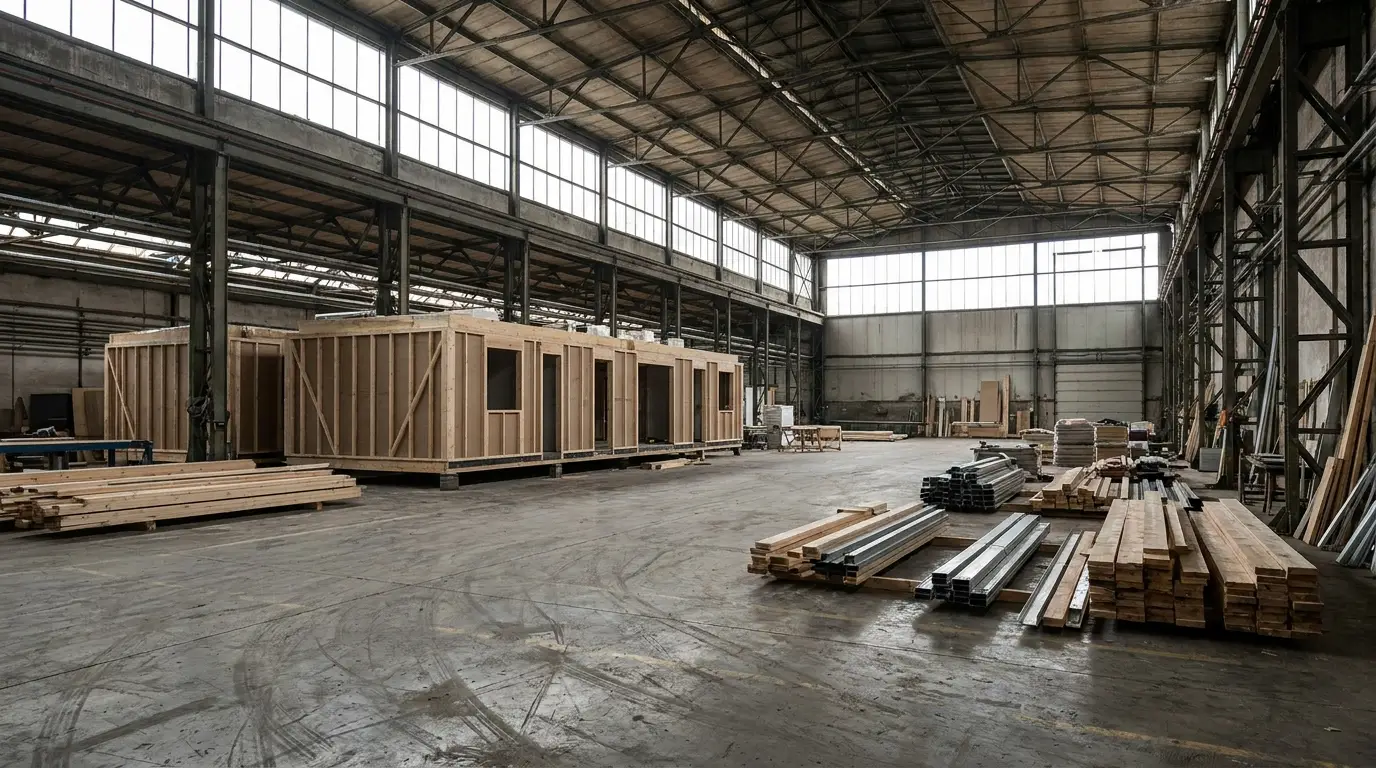
The shift is backed by measurable performance data. Indoor environments allow for tighter tolerances, consistent moisture control, and quality assurance steps that are difficult to replicate outdoors. Builders specializing in factory-built residential solutions often report fewer callbacks, more predictable budgets, and superior airtightness scores at blower door testing.
What the Factory-Built Category Actually Covers
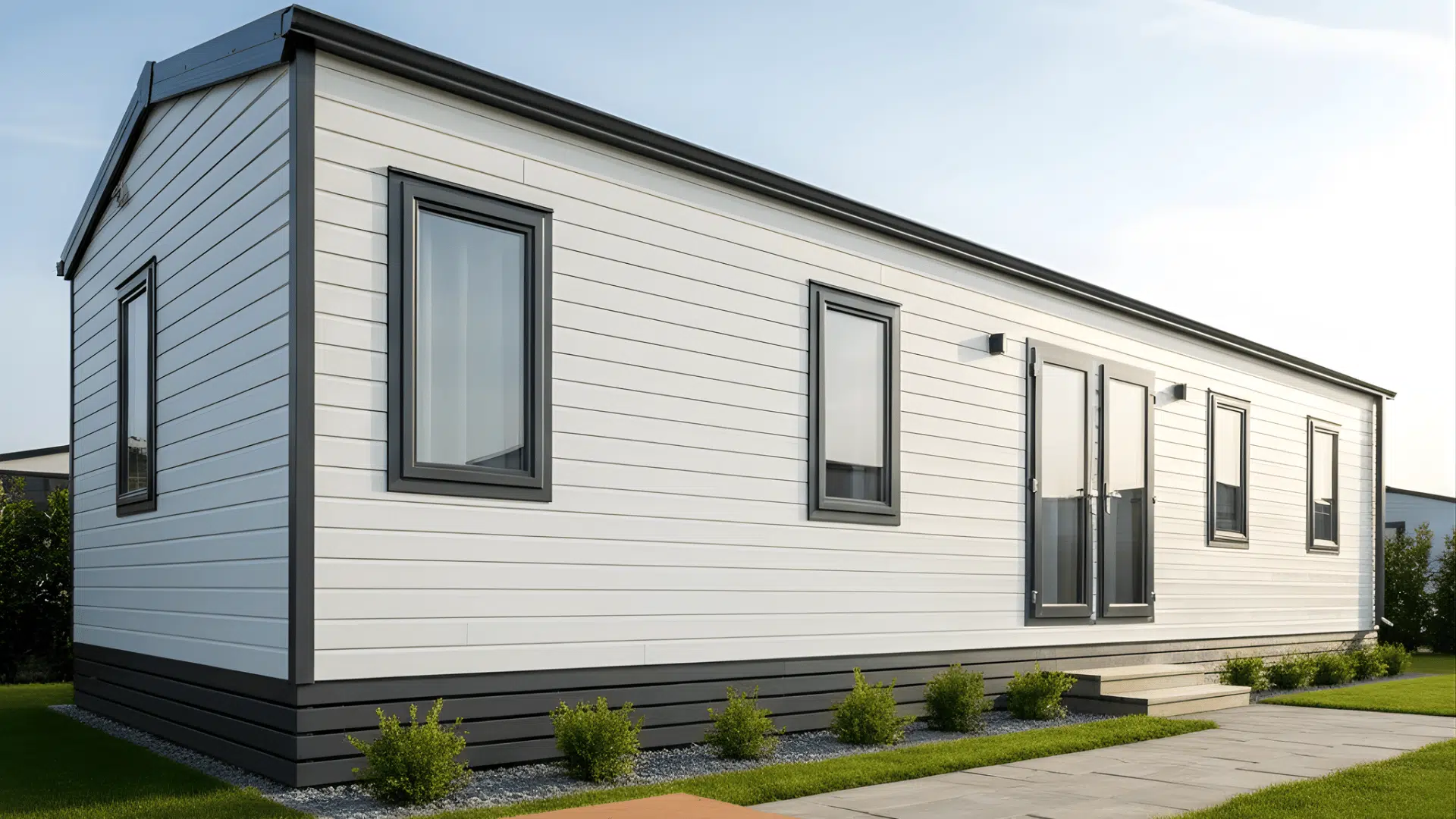
The term “modular” encompasses a broader product family than most buyers initially realize. A prefabricated dwelling can range from a compact studio shipped on a single trailer to a multi-storey family residence assembled from six or more volumetric sections. Understanding these subcategories matters because each one carries distinct engineering standards, permitting pathways, and price points.
The Spectrum of Prefabricated Housing
The category breaks down into several recognized formats, each suited to different lot conditions and budgets:
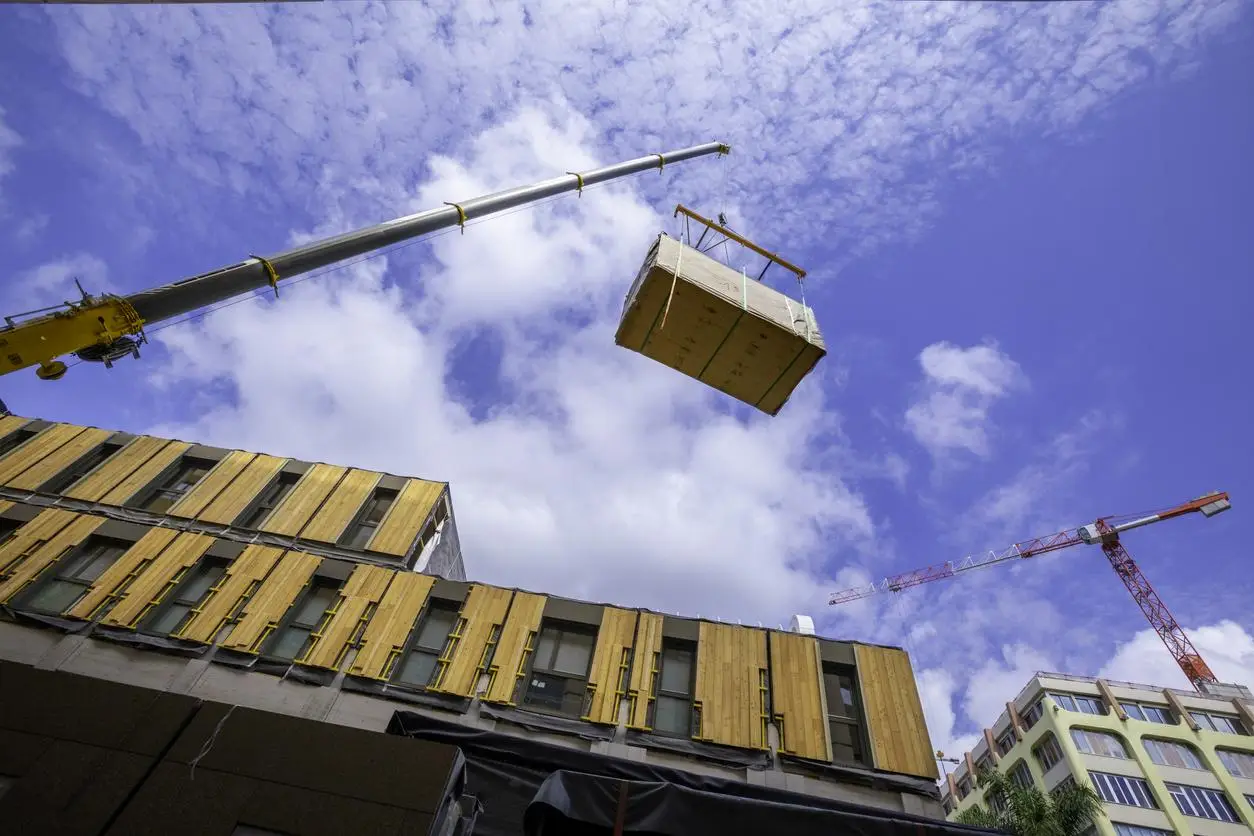
- Volumetric sections: Three-dimensional units finished to roughly 85 percent inside the facility, then craned onto a permanent foundation.
- Panelized systems: Flat wall, floor, and roof panels shipped separately and assembled on site, offering more design flexibility.
- Modular container homes: Repurposed or purpose-built steel containers adapted for residential use, often favoured for off-grid or recreational properties.
- Tiny modular homes: Compact dwellings under 37 square metres, popular as laneway suites, cabins, or accessory units.
Each format must comply with the CSA A277 certification standard, which governs prefabricated construction across the country. This certification confirms that the building meets or exceeds the National Building Code provisions that apply to conventional dwellings.
Why the Category Has Gained Ground
The growth of Modern Modular Homes reflects broader pressures on the housing sector. Labour shortages, material cost volatility, and stricter energy targets have made conventional builds harder to deliver on schedule. Indoor production addresses these constraints through standardized workflows and bulk material procurement.
In practice, the choice between formats depends on lot access, foundation type, and the buyer’s tolerance for design customization versus speed of delivery.
Where Cost, Schedule, and Quality Actually Diverge
Weighing factory production against on-site building requires looking past headline price quotes. The real differences emerge across timeline predictability, finishing costs, and long-term performance metrics.
Where the Numbers Actually Land
The cost gap between methods has narrowed considerably as conventional labour rates have climbed. Indoor pricing typically includes the structural shell, interior finishes, mechanical rough-ins, and quality-control documentation. Site-built quotes often exclude excavation surprises, weather contingencies, and trade scheduling overruns that add 8 to 15 percent to the cost during construction.
The table below summarizes the practical differences across the metrics that matter most to homeowners and developers.
| Metric | Factory Built | Site Built |
|---|---|---|
| Construction timeline | 8 to 16 weeks | 9 to 14 months |
| Weather-related delays | Minimal | Significant |
| Material waste | 5 to 10 percent | 15 to 25 percent |
| Airtightness (ACH at 50 Pa) | 1.0 to 2.5 | 2.5 to 5.0 |
| Design customization ceiling | Moderate | Very high |
| Financing complexity | Higher upfront | Conventional |
Read across the rows, and a pattern emerges: indoor production wins on predictability and envelope performance, while conventional building retains the edge on bespoke design.
Build Quality Beyond the Spec Sheet
The modular vs traditional construction debate often overlooks workforce stability. Indoor crews work the same stations daily, which compounds skill development over time. Site crews rotate across projects and weather conditions, introducing more variance into the finished product.
Beyond the basics of framing accuracy, controlled assembly allows for third-party inspection at multiple stages, including framing, insulation, and mechanical systems. These inspections happen before drywall closes the wall cavities, which is rarely possible on a conventional build without expensive scheduling coordination.
The result is a finished product with documented quality at every stage, rather than relying solely on the final occupancy inspection.
Engineering Realities That Shape Long-Term Performance
The structural details of prefabricated housing deserve closer attention, since they influence both warranty outcomes and resale value.
Transport Loading and Structural Stiffness
Prefabricated sections must survive highway transport before they ever reach the lot. Framing is therefore engineered to resist racking, twisting, and dynamic loads that a conventional build never encounters. The practical benefit is a structure that is inherently stiffer than the code minimum, particularly valuable in regions exposed to high wind or seismic activity.
Foundation Interface and Sealing Details
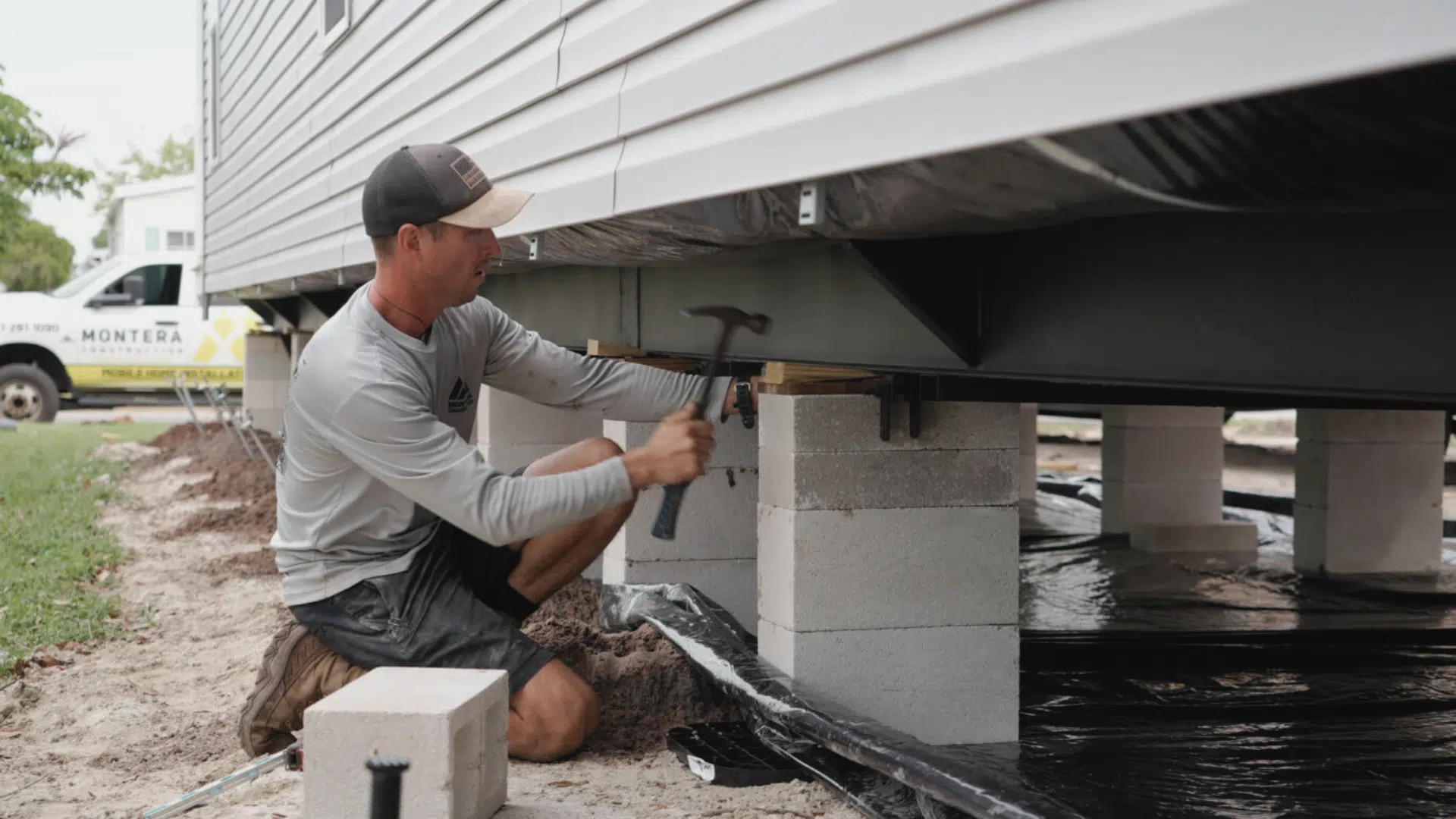
The connection between factory units and the permanent foundation is where most long-term issues originate. Critical details include marriage-line sealing between adjacent sections, sill-plate gasketing at the foundation interface, continuous vapour control across joints, and properly flashed roof seams at multi-section connections. A qualified set crew documents each stage with photos before closing the assembly.
On the other hand, neglecting any of these interface details undermines the precision gained inside the facility. When executed correctly, a modular house delivers measured envelope performance and structural longevity that compares favourably to conventional builds at any price point.
Choosing the Right Build Method for Long-Term Value
The decision between factory production and conventional construction comes down to priorities. Buyers who value schedule certainty, envelope performance, and documented quality control will find indoor assembly compelling. Those requiring complex site-specific designs may still favour the conventional route.
Either path delivers a sound home when executed by qualified professionals, and the modular house category has matured into a credible mainstream option backed by certification standards and measurable performance data.