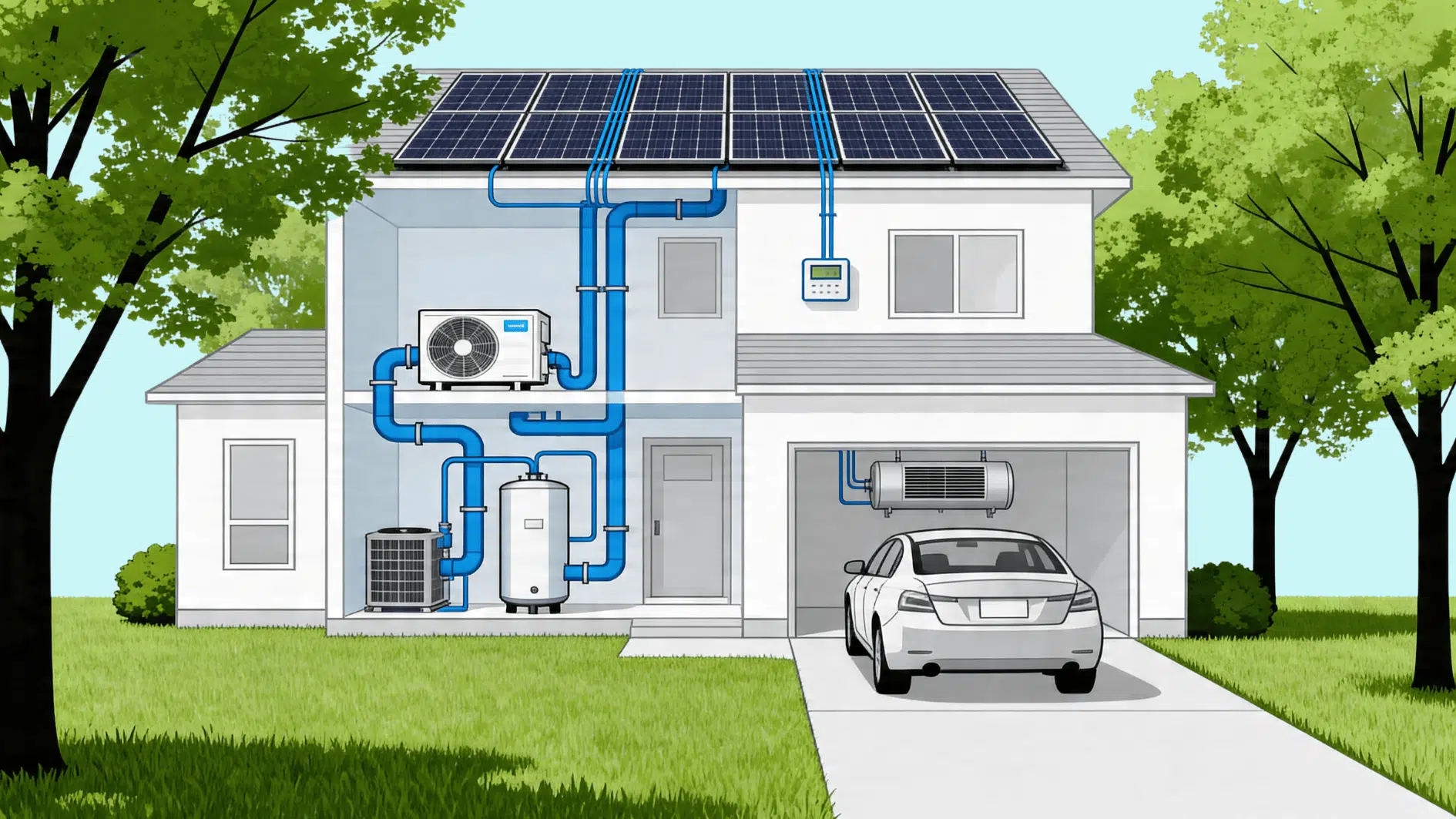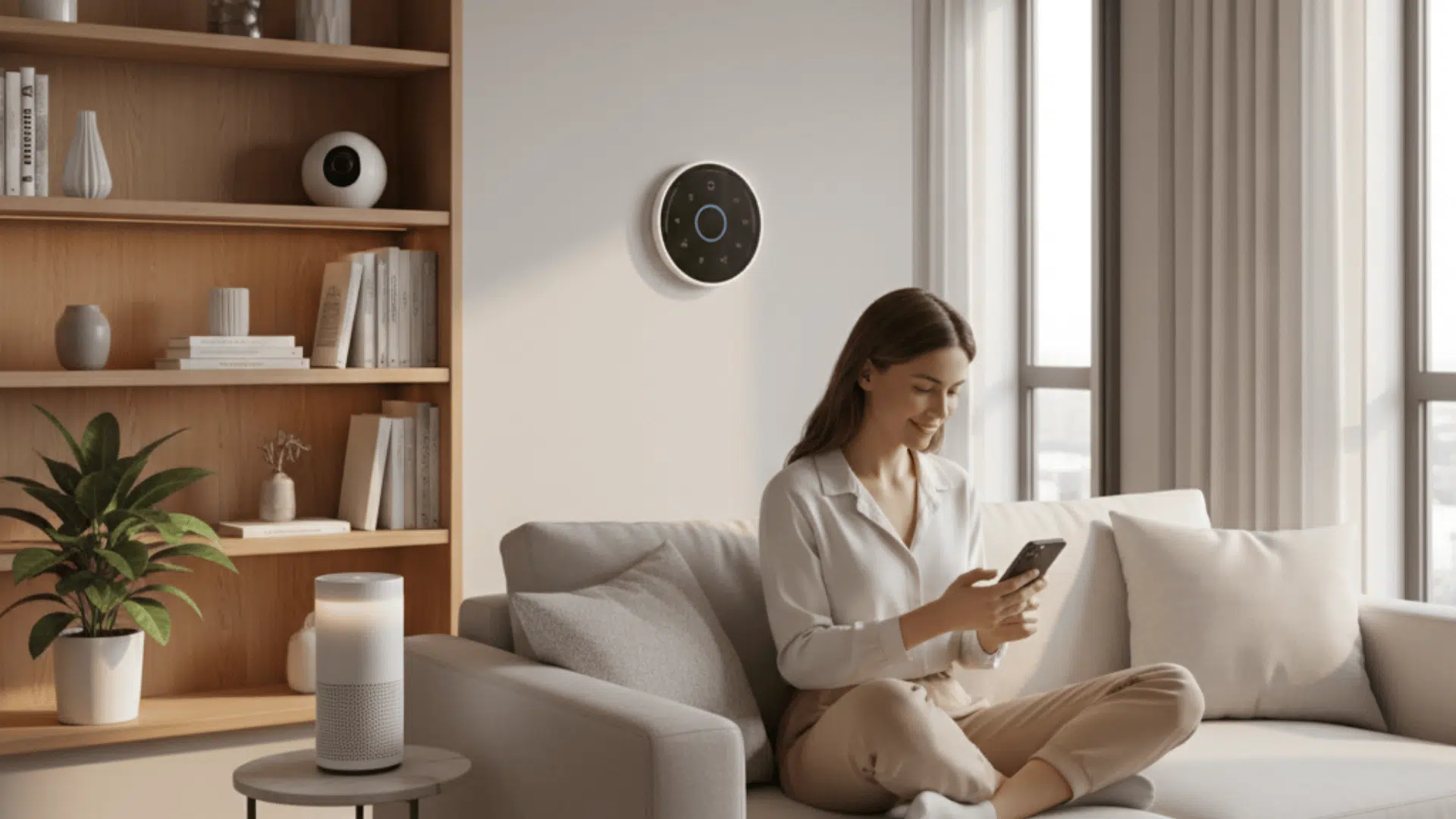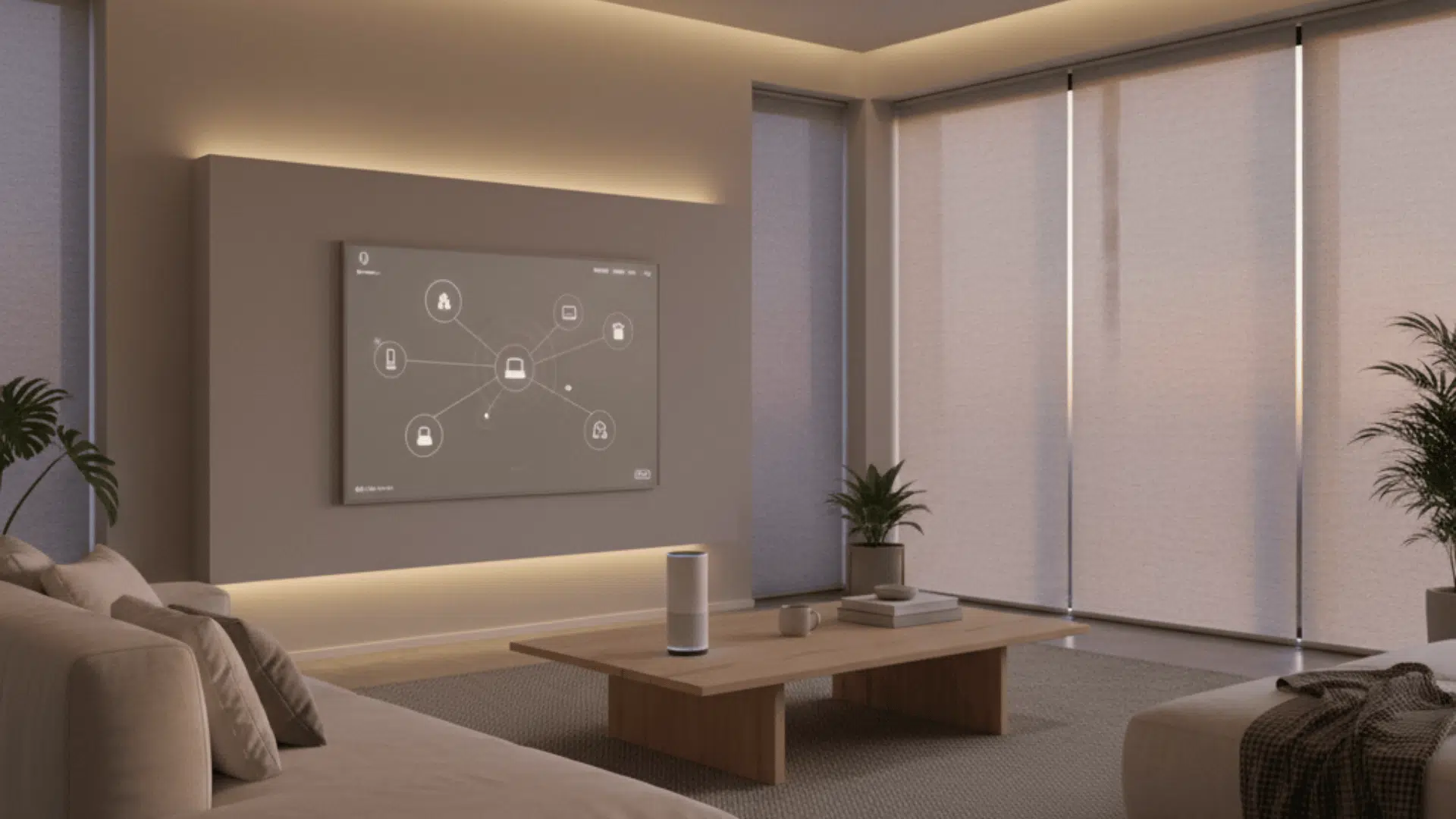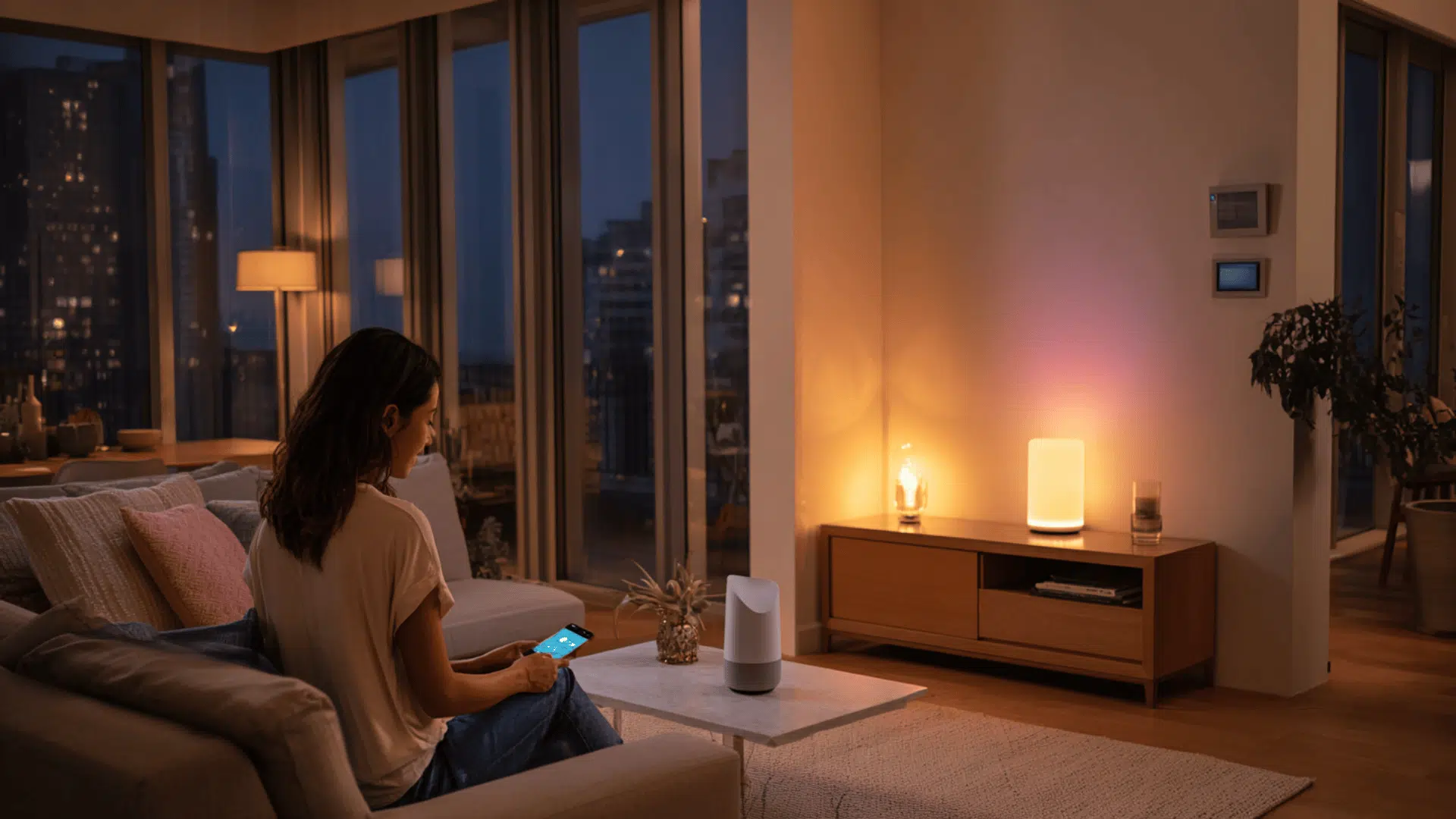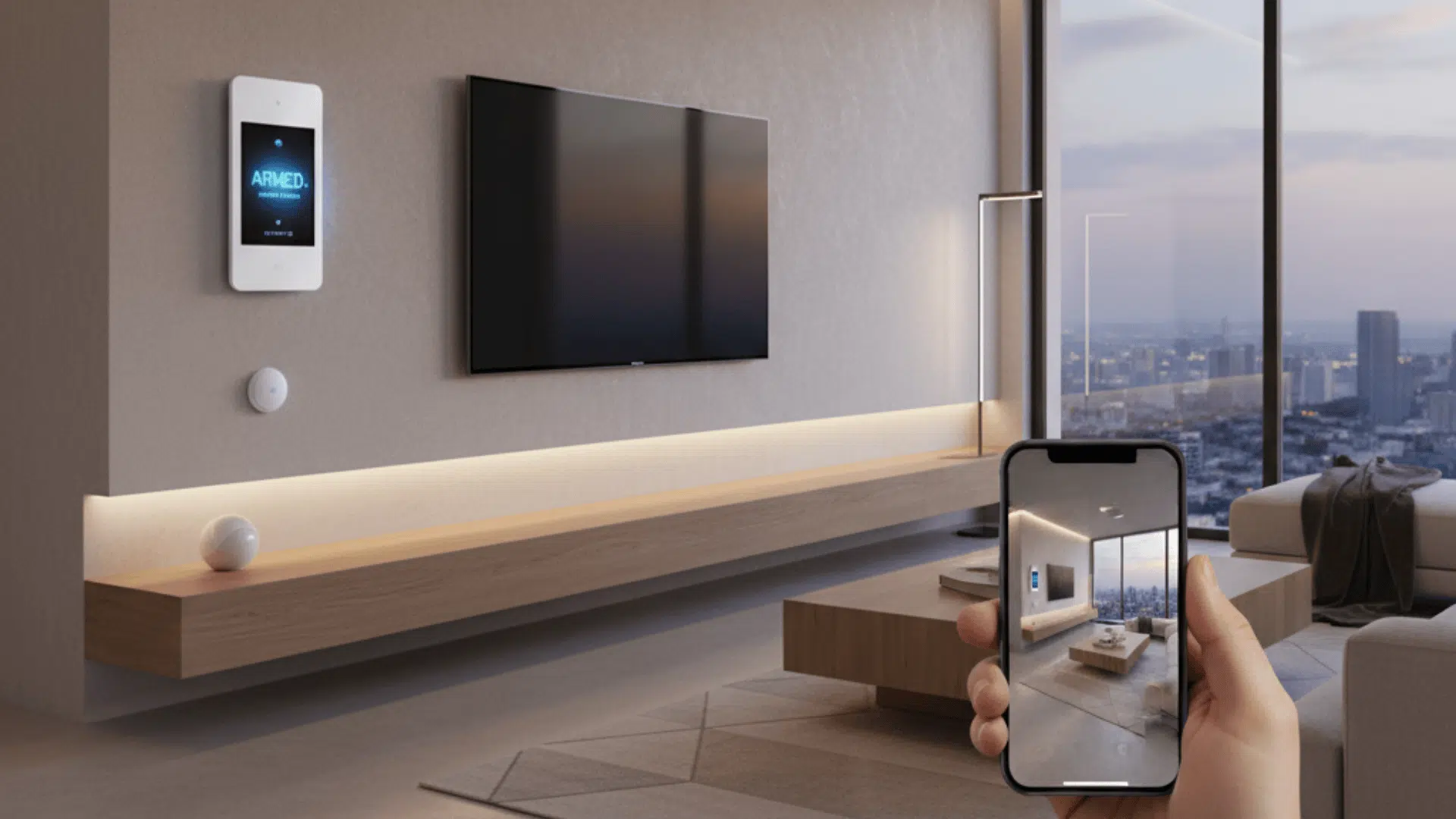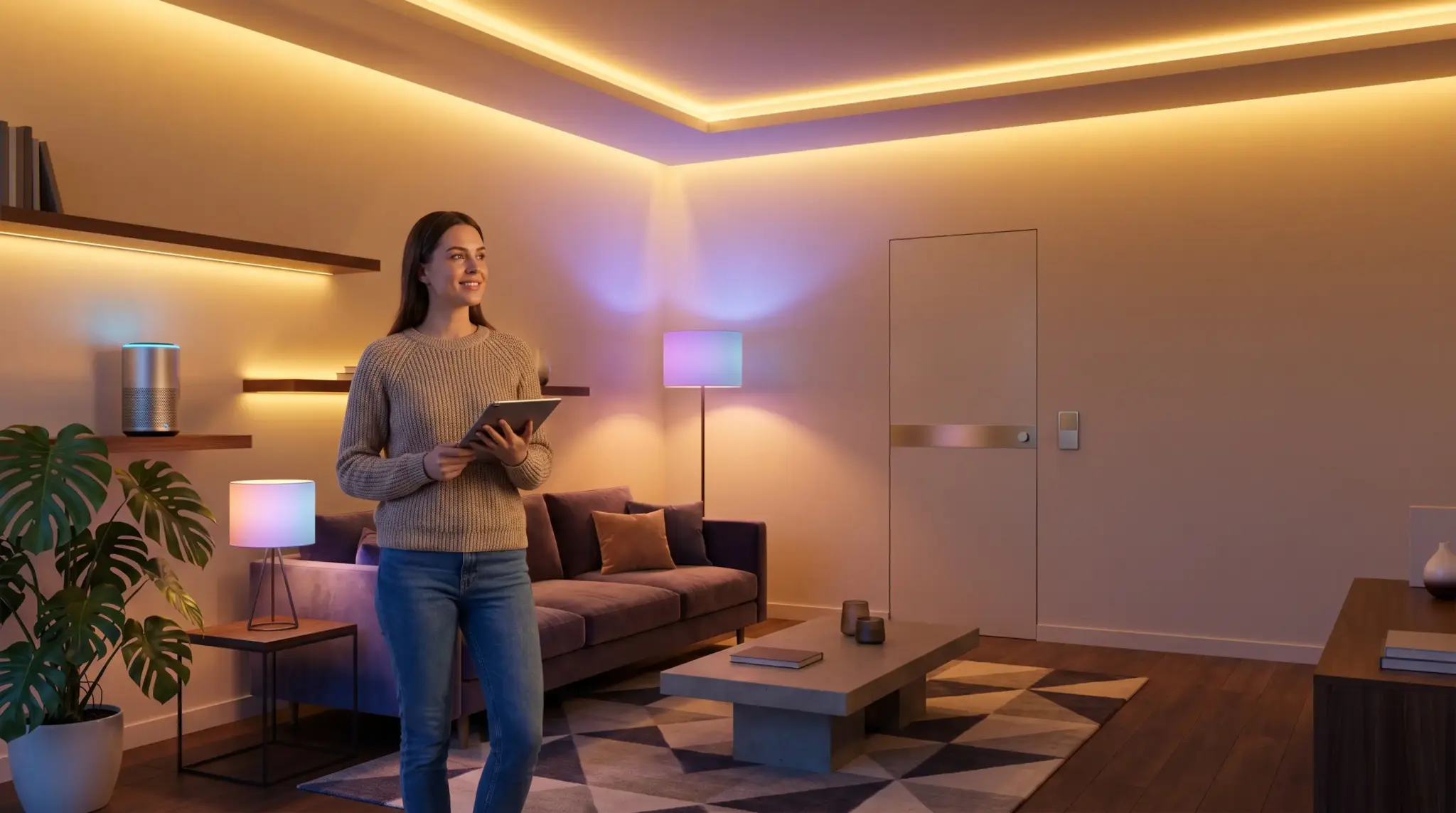
A smart home is a place that empowers you to create a personalized environment. With intuitive controls, you can set the thermostat, adjust lighting, monitor your place’s security, and operate appliances efficiently, ultimately saving energy and lowering your bill. But where to start building yourself a smart home? This beginner’s guide to building a smart home will unlock the future for you. So, let’s get started:
Step 1: Know Your Objectives
Yes, you want to make your home smart, but what do you want to achieve with it? Determining the goal behind digital innovation is important since it helps you align your budget with digitizing what’s important. Your goals can be:
- Convenience: A smart home allows you to control your appliances, adjust the temperature, and use assistants to transform your routine instead of doing everything manually. If you’re looking to improve such convenience, a smart home renovation is in order.
- SaveMoney: Being able to create an eco-friendly home where you don’t have to worry about turning off the lights because they turn off on their own is a blessing.
- Security: If you’re often troubled with the thought of someone breaking into your house or leaving the stove on, then adding smart cameras and appliance control will surely bring the peace you’re looking for.
What are the Prerequisites to Building a Smart Home?
Once you’ve decided on your goal, you need to focus on the prerequisites, including:
- The Budget
- Choosing an Ecosystem
- Selecting a Hub
- Selecting and Installing Smart Devices
Another one in this list is the internet connection. Since you plan on controlling all the devices remotely via your smartphone or a tablet, a solid internet connection is mandatory. And not just any connection, but a fiber one, to avoid any disruptions while trying to manage your devices.
For that, you can look for providers near you. If you’re residing in Greater Cincinnati, you can just go ahead and call the altafiber customer service number to get yourself a fiber internet plan that will accommodate your smart home needs.
With this sorted, let’s take a look at other prerequisites and lay the foundation for your smart home:
The Budget
Building your smart home is never going to be an overnight haul. Appliances, software, etc., will be evolving and all for a good reason. Therefore, you must not only set a good budget, but also use it smartly. Here’s how you can do it:
- Dedicate the major chunk to major renovations. Whether it’s a smart thermostat, home security, or anything else. This will get important upgrades done, and you can utilize the rest of the budget for minor projects later.
- Make sure to evaluate the hidden costs of smart appliances. Software subscriptions, security updates, etc., may disrupt your overall budget at the end of the day. Make sure to evaluate the options and choose the one with the least hidden costs without compromising on the quality.
- Pick the gadget that fits your budget. Earlier, we mentioned not compromising on the quality, but that doesn’t mean you should buy a gadget that costs your entire budget. You can always find alternatives from the market that work just the same way as expensive ones.
- Keep things aligned with your goal. Instead of buying everything, ask yourself, do you really need the said appliance? If the answer’s got you thinking, you probably don’t need it, at least for now.
The Ecosystem
Now this is where it gets tricky. When going for a smart home build, most users often end up with an unfriendly ecosystem. By unfriendly, it means choosing an ecosystem that you’re not familiar with, much like hearing someone speak a different language.
The major ecosystems include Google, Amazon, and Apple. Here’s what to consider about them:
- Google’s home system is powered by its Google Assistant, which is known to be a powerful assistant. With its easy integration and compatibility, it makes one of the best ecosystems, especially for Android users.
- Amazon with Alexa is one of the most prominent names in the smart home market, with over 70 million users in the US. The reason for its popularity is its affordability alongside several features that make it one of the top choices.
- Apple HomeKit also stands out in the market of smart home ecosystems despite its limited functionality and compatibility. One of the best features of the HomeKit is its great focus on privacy as promised by Apple, making it top tier choices for smart home integration.
Depending upon your budget and familiarity, you should choose the ecosystem that fits best. There’s no need to follow the herd and pick one just because others are choosing it. Evaluate the choices to make a solid decision.
The Hub
The hub is the control center for your smart devices. It should be readily accessible, not get stuck or lag, disrupting the workability of your electronics. Just like altafiber customer service 24/7, which you can reach out to for assistance any time.
That being said, you need to choose a hub that accommodates your smart home devices effectively. Here’s what you need to check for:
- The number of smart devices impacts the selection of the hub. If you have a few devices, a mobile app can suffice, and your smartphone can become the hub. But if you have a growing number of apps, then you need a better option.
- Make sure that the option you’re considering is also compatible with the devices you have. There’s a great chance you can run into compatibility issues.
- While compatibility is a nuisance, you also need to consider the budget for acquiring a hub. It’s an additional expense that you can’t ignore. However, ensure you’re not making it the primary expense.
Selecting the Devices
Once you’ve laid the foundation, it’s time to select the devices for your smart home. Let’s take a look at some of the important choices to begin with:
- Smart Door Locks: Security is the primary requirement of every household, and putting it last on your digital renovation list is not alright. Therefore, for your smart home upgrades, you should consider upgrading the security first. Invest in smart locks and cameras that can help uplift the security of your home.
- Smart Thermostat: A smart thermostat definitely comes next, as you can regulate and control the temperature of your home without having to manually adjust it. What’s more is that you can do it remotely, even when you’re not at home.
- Smart Appliances: While the appliance list can be long, you can consider adding various items as per your requirements. For starters, lighting, plugs, etc., are essential, but an electric stove, refrigerator, sound system, etc., can become a priority as per the requirements.
The bottom line is, whatever you decide to install and digitize should align with your goals of smart home renovation. Instead of blindly investing in everything and using up your entire budget, you should ensure that you pick and digitize the essentials first.
Closing Thoughts
Building a smart home is not an easy task and goes beyond just gadgets and apps. It should bring convenience but also ensure that it matches the requirements and provides the utility that you’re looking for. Considering the guidelines given above, you can plan effectively for your smart home renovation and can build your dream digital home in 2026.