Running a business means handling inventory, orders, and shipping simultaneously. That can feel like a lot to manage daily.
You want faster deliveries, fewer mistakes, and a system that works without constant attention. That’s where warehousing and fulfillment services come into play.
In this guide, you’ll understand how these services work, the difference between warehouses and fulfillment centers, and how to choose a provider that fits your business goals.
What are Warehousing and Fulfillment Services?
Warehousing and fulfillment services work together to manage how your products are stored, handled, and delivered to customers.
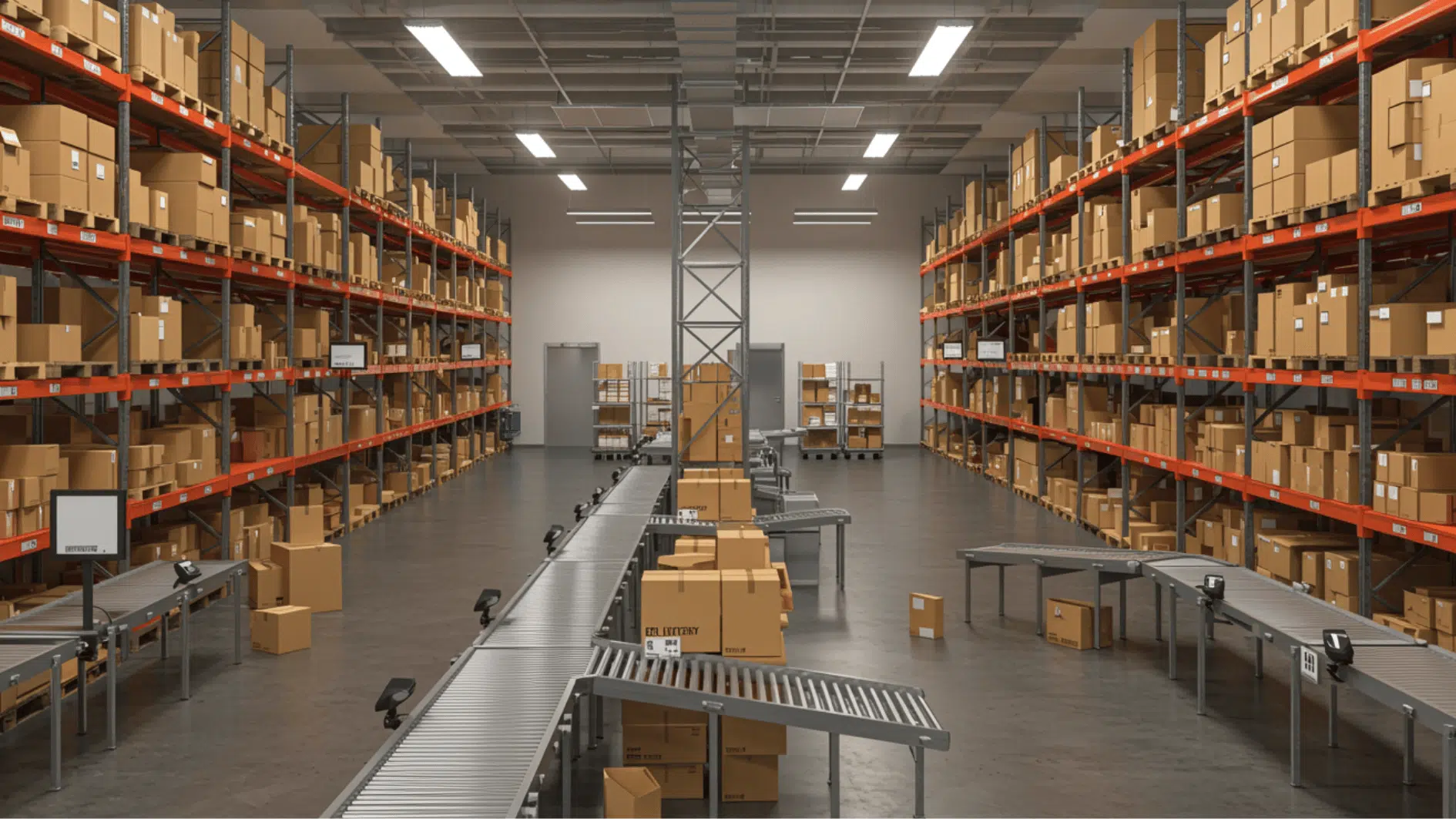
Warehousing focuses on keeping your inventory safe, organized, and readily accessible until it is needed. Instead of managing storage space on your own, a provider handles storage, organization, and tracking of your stock.
This helps you stay in control of inventory without worrying about space, safety, or manual tracking, making it easier to plan and avoid stock issues as your business grows.
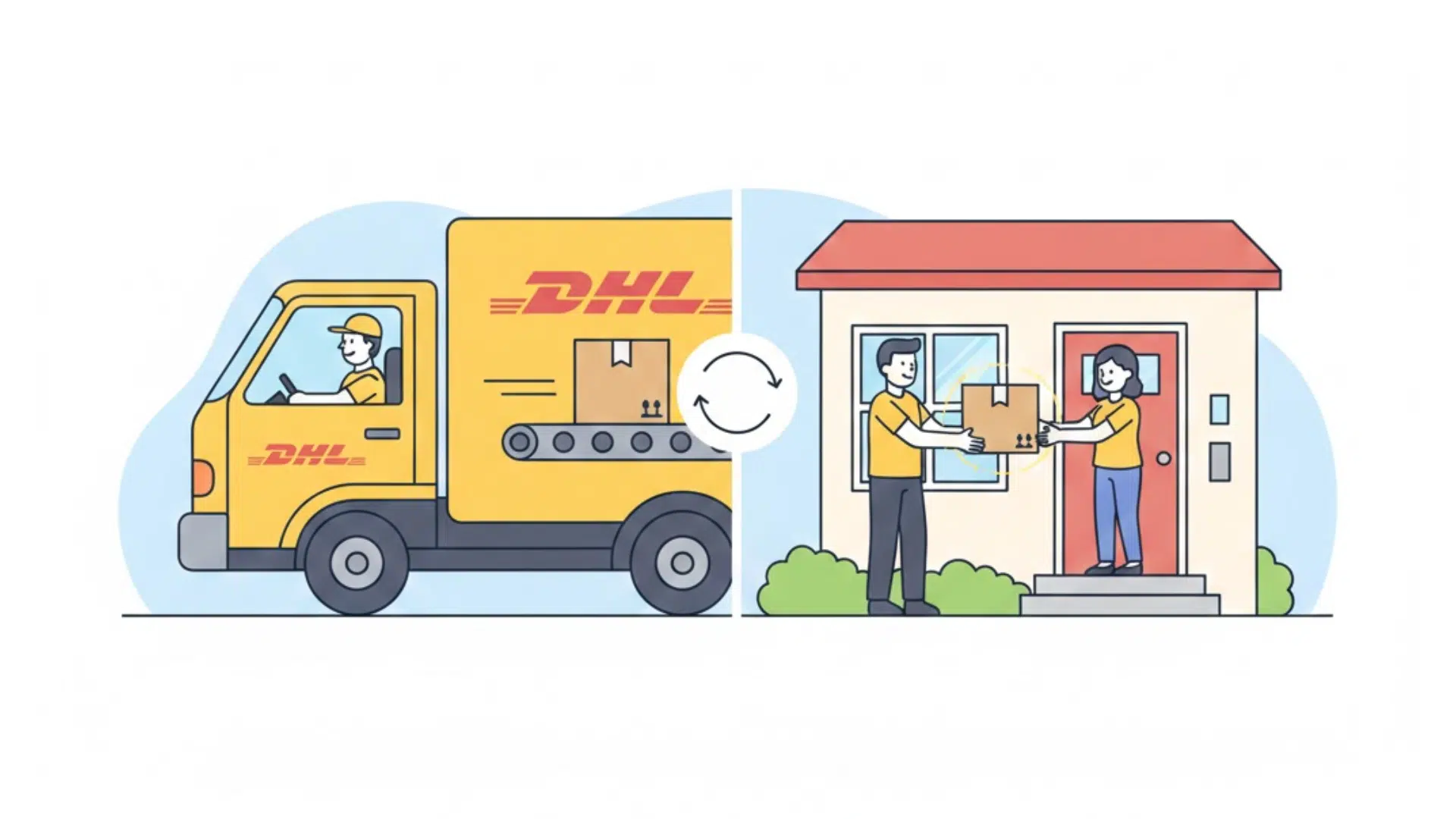
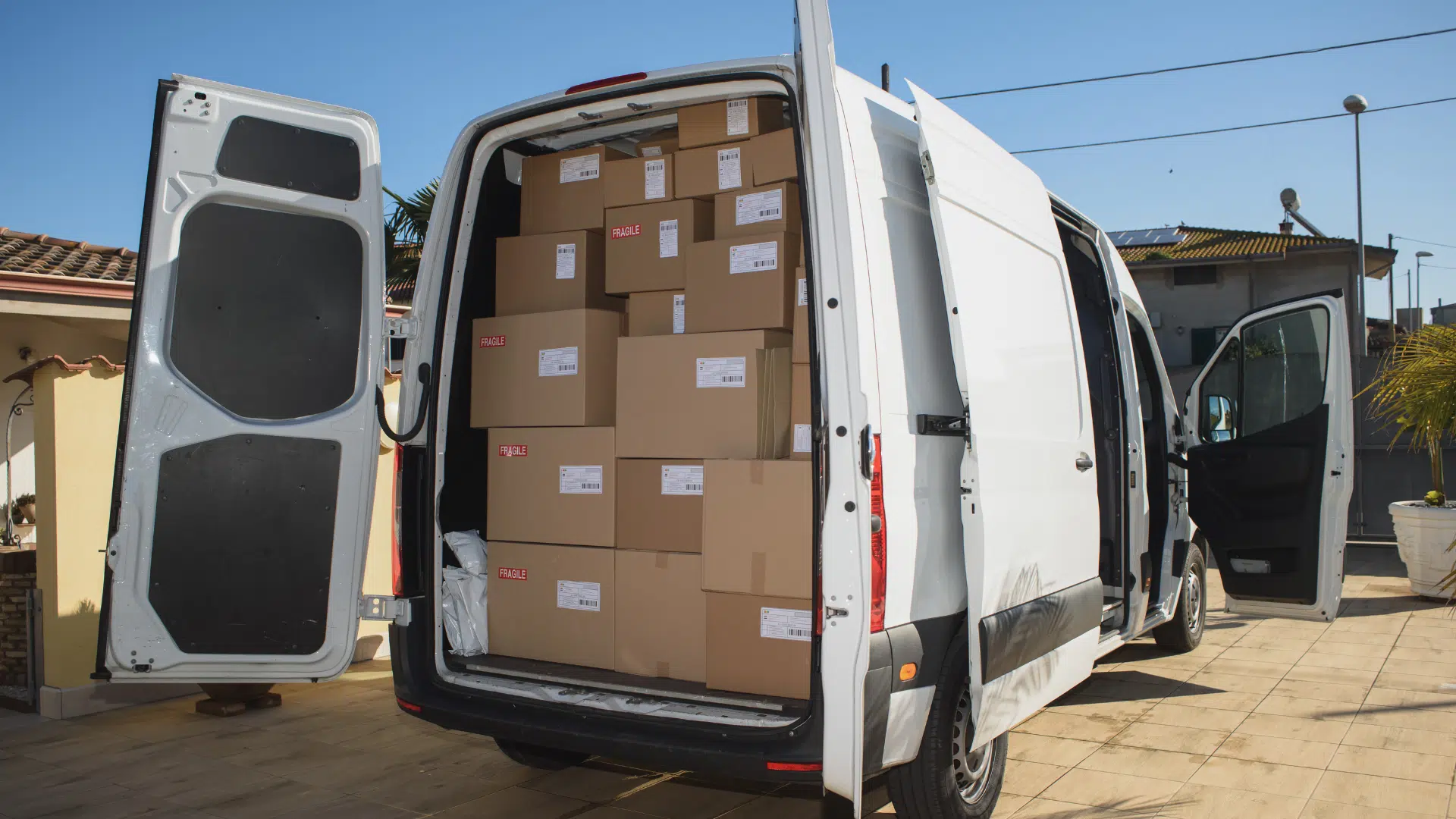
On the other hand, fulfillment services handle what happens after a customer places an order. This includes picking items from storage, packing them, shipping them, and even managing returns.
By outsourcing these tasks, you can reduce your workload and focus more on growing your business while operations continue smoothly in the background.
Together, these services offer secure storage, real-time tracking, fast order processing, and smooth delivery, helping keep your operations organized and efficient.
Best Warehousing and Fulfillment Companies in the USA

Choosing the right provider can directly impact how smoothly your business operates. A good partner helps with faster deliveries, better inventory control, and fewer errors. Below are some trusted companies in the USA, each known for specific strengths, so you can find the right fit for your needs.
1. ShipBob
ShipBob is a popular choice for e-commerce brands seeking a smooth, easy fulfillment system. It is designed to simplify order handling, inventory tracking, and shipping, all in one place. The platform is beginner-friendly, making it a good fit for small- to mid-sized businesses that are growing fast.
It also has multiple fulfillment centers across the U.S., which helps reduce delivery time and shipping costs. Many online sellers prefer ShipBob because it connects easily with major e-commerce platforms like Shopify and WooCommerce.
Key highlights:
- Easy-to-use dashboard for tracking orders and inventory
- Multiple U.S. warehouses for faster shipping
- Real-time inventory management
- Seamless integration with e-commerce platforms
- Transparent pricing with no hidden fees
2. Red Stag Fulfillment
Red Stag Fulfillment stands out for its focus on accuracy and careful handling. It is especially useful for businesses that sell heavy, oversized, or high-value products. The company is known for its low error rate and strong quality control processes.
One of its biggest strengths is reliability. Red Stag even offers guarantees on order accuracy and shipping times, which adds confidence for businesses dealing with expensive goods. This makes it a solid option for brands that cannot afford mistakes.
Key highlights:
- High accuracy rate with strict quality checks
- Ideal for heavy, bulky, or high-value items
- Secure handling to prevent damage or loss
- Order accuracy and on-time shipping guarantees
- Strong customer support and accountability
3. Warehousing and Fulfillment
Warehousing and fulfillment provide a complete logistics solution for businesses looking to scale. It covers everything from storage to shipping and even returns, so companies do not need multiple providers.
This option works well for growing businesses that want flexibility. As order volume increases, the system can handle the extra demand without major changes. It helps maintain smooth operations even during peak seasons.
Key highlights:
- End-to-end logistics support (storage, shipping, returns)
- Scalable solutions for growing businesses
- Flexible storage options based on needs
- Streamlined order processing system
- Helps reduce the need for multiple service providers
4. DHL Supply Chain
DHL Supply Chain is a strong choice for businesses planning to expand beyond local markets. It offers global logistics support, making international shipping and cross-border operations much easier to manage.
With its wide network, DHL helps businesses reach customers in different countries without delays. It also provides advanced tracking and supply chain solutions, which are useful for larger companies handling complex operations.
Key highlights:
- Global logistics and international shipping support
- Strong presence in multiple countries
- Advanced supply chain management tools
- Efficient cross-border delivery solutions
- Suitable for businesses planning global expansion
5. FedEx Fulfillment
FedEx Fulfillment is a reliable option for businesses that prioritize fast delivery. Since it is connected to the FedEx shipping network, orders move quickly through a well-established system.
It also uses automation to improve efficiency and reduce delays. This makes it a good fit for businesses that want consistent delivery performance and dependable service across the country.
Key highlights:
- Direct integration with the FedEx shipping network
- Faster delivery times across the U.S.
- Automated systems for order processing
- Reliable nationwide distribution
- Trusted brand with strong logistics experience
6. UPS Supply Chain Solutions
UPS Supply Chain Solutions offers a complete logistics system that covers every stage of the process. From warehousing to delivery and returns, everything is handled through a single network.
It is a good option for businesses looking for a single provider to manage all logistics needs. The system is strong, stable, and built to handle both small and large operations efficiently.
Key highlights:
- End-to-end logistics support in one place
- Warehousing, shipping, and returns management
- Strong and reliable infrastructure
- Scalable for different business sizes
- Trusted network with consistent performance
Who Needs Fulfillment and Warehouse Services?
Warehousing and fulfillment services are useful for businesses that handle physical products and need better control over storage and delivery. They help simplify operations, especially as order volume and inventory grow.
Warehouse services are most helpful when your main focus is on storing products rather than processing frequent orders.
If your business manages a large inventory, handles seasonal stock, or ships separately, a warehouse keeps everything organized and easy to access. It offers a reliable storage solution without adding extra complexity.
Fulfillment services are better suited for businesses that receive regular orders and need help with packing and shipping. They are ideal if managing orders is taking too much time or slowing down your workflow. By outsourcing these tasks, you can focus more on sales and customer experience.
These services are commonly used by:
- E-commerce businesses that need fast and accurate order delivery
- Small businesses are scaling up and struggling to manage inventory and shipping
- Wholesale or bulk sellers handling large quantities of stock
- Seasonal businesses that need extra storage during peak times
Using the right service at the right time helps keep your operations smooth, organized, and easier to manage as your business grows.
Fulfillment Centers vs. Warehouses vs. 3PL

Understanding the difference between fulfillment centers, warehouses, and 3PL providers helps you choose the right setup for your business needs. Each serves a different role based on how you store, manage, and ship products.
| Feature | Fulfillment Center | Warehouse | 3PL (Third-Party Logistics) |
|---|---|---|---|
| Purpose | Order processing and shipping | Long-term storage | Complete logistics management |
| Speed | Fast order handling | Slower movement | Depends on service setup |
| Inventory Flow | High turnover | Low turnover | Flexible based on needs |
| Services | Picking, packing, shipping | Storage only | Storage, fulfillment, shipping, returns |
| Ideal For | E-commerce businesses | Bulk storage needs | Growing businesses need full support |
How to Choose a Warehousing and Fulfillment Partner
Choosing the right partner can make your operations smoother and help avoid delays or extra costs later. Taking a little time to evaluate your options carefully can save a lot of effort in the long run.
- Understand Your Needs: Start by identifying your order volume, product type, and shipping requirements. This helps you find a provider that matches your business size and workflow.
- Compare Pricing: Look beyond basic pricing and review all costs, including storage, handling, and shipping fees. A clear understanding of total costs helps you avoid unexpected charges.
- Check Reviews: Customer reviews and testimonials give a better idea of how reliable the service is. They can highlight common issues or strengths you may not notice at first.
- Evaluate Support: Good customer support is important for handling issues quickly. Choose a provider that offers clear communication and timely assistance when needed
Cost of Warehousing and Fulfillment Services
The cost of warehousing and fulfillment services depends on your storage needs and order volume. Most providers charge based on usage.
Storage is billed monthly based on space used, while receiving fees apply when new inventory arrives. Pick-and-pack charges are added per order, and shipping costs vary by size and location. Returns may also include extra processing fees.
Average Warehousing and Fulfillment Prices in the USA
Understanding average costs helps businesses plan budgets and choose the right logistics partners.
- Storage Costs: Around $20–$40 per pallet per month or about $0.40–$0.60 per cubic foot
- Receiving Fees: Typically $5–$15 per pallet or $250–$500 per container
- Pick and Pack Fees: Usually $2–$5 per order, depending on item count
- Packaging Costs: Around $0.25–$1.00 per order for basic materials
- Shipping Costs: Vary based on weight, size, and location
- Returns Processing: Commonly $3–$10 per returned order
Conclusion
Warehousing and fulfillment services play a key role in how your business operates and delivers to customers. The right partner helps you manage inventory, process orders faster, and reduce errors.
Understanding the difference between warehouses and fulfillment centers makes it easier to choose the right solution. Focus on reliability, location, technology, and support when selecting a provider.
A well-chosen partner helps you stay organized and manage growth with confidence.