The upcoming ten years will define warehousing and logistics because of three factors, which include automation, data intelligence, and increasing customer demands. The evolution of supply chains towards greater speed and complexity has transformed warehouses from their previous role as storage facilities into active storage areas that use modern technology. A combination of agentic AI with robotics and autonomous vehicles has created a new system for transporting, storing, and fulfilling goods.
Digital systems should determine the pace of physical infrastructure development because digital systems dictate the required development speed. Here are major trends in the warehousing and logistics sector that show its future direction and the necessary preparations required for operational facilities.
Agentic AI Driving Smarter Decision Making
The implementation of Agentic AI technology has transformed warehouse operations from their traditional reactive mode to a new system that operates with intelligence through predictive analysis. The system directs warehouse operations by using real-time data interpretation, which includes current inventory levels, order processing rates, available labor resources, and existing transportation limitations.
The automation functions enable organizations to reduce their need for manual work while enabling managers to dedicate their time to critical strategic tasks instead of managing daily operational changes. The supply chain system continuously improves its precision and durability because it analyzes data patterns and results from previous system operations.
High Density Storage and Vertical Space Optimization
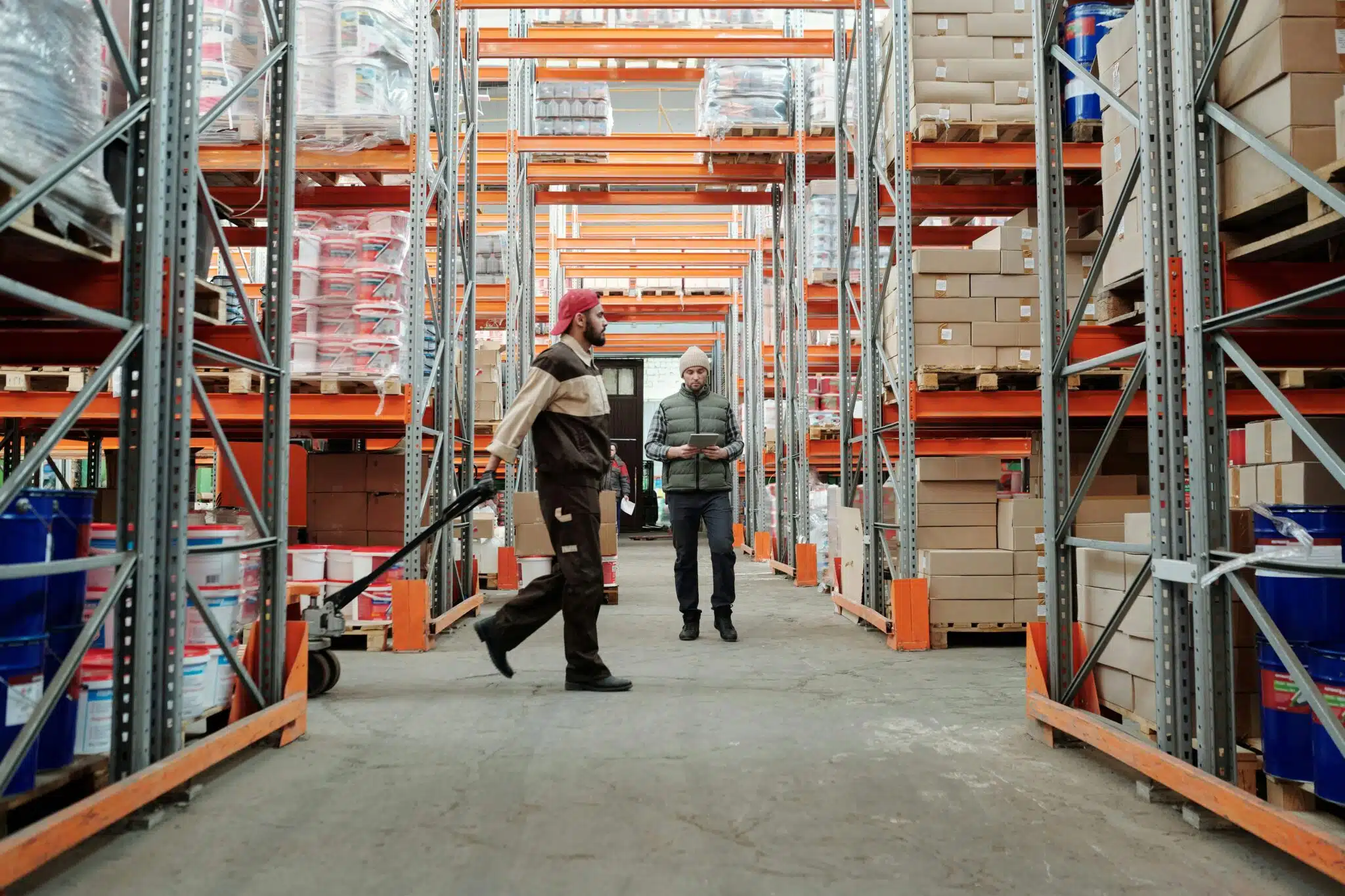
The increasing costs of land and construction have forced warehouses to begin building their facilities into the vertical space above them. High-density storage solutions enable facilities to increase their inventory storage capacity through their ability to use vertical space. The system establishes essential requirements for automated fleets that depend on fast access to their vehicles and accurate positioning of their equipment.
The physical design of warehouses can enhance their automation capabilities through modular pallet racks and customizable mezzanines, which are available online at East Coast Storage Equipment or any other trusted material handling systems provider of your choice. It helps a facility enhance operational efficiency while increasing storage space and enabling future system upgrades without needing major construction work.
Robotic Automation Becomes the New Workforce Backbone
Because their development surpassed their original function as pickers, robots now have sophisticated skills enabling them to manage challenging tasks. Using autonomous mobile robots that collaborate with robotic arms to provide a cooperative environment lets businesses produce more while lowering their reliance on human employees. This helps workers achieve better productivity.
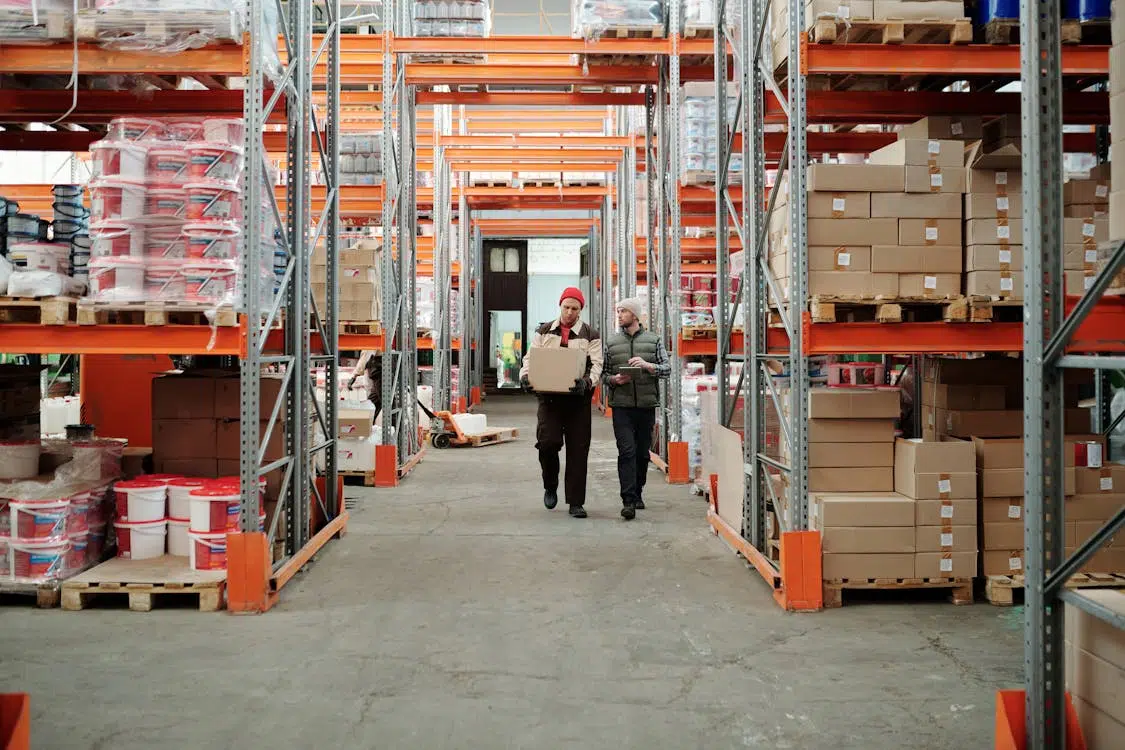
Robotic systems need two specific requirements to achieve their operational goals, which are layout designs that can be predicted and infrastructure elements that can withstand heavy usage. A design of clear aisles with stable racking systems and defined load capacities allows robots to operate securely and productively across large areas.
Seamless Integration of Hardware and Software
The future warehouse depends on tight integration between physical assets and digital platforms. Warehouse management system and robotics control software, plus AI analytics, should establish communication links with the various racking systems and conveyor systems, plus mezzanine structures of the facility.
Automation investment returns become more profitable when the hardware and software systems are developed to function as one integrated solution. It decreases operational disruptions while making equipment upkeep easier, and it enables organizations to adopt new technologies that are introduced in the future.
Resilient and Tech Ready Automotive Supply Chains
The automotive industry requires its logistics to operate with accuracy and efficiency because manufacturers base their production on just-in-time supply chains. A continuous operation of warehouses requires automotive supply chain support to achieve two goals, which include processing high volumes of work and maintaining operational readiness.
Intelligent automation combined with durable storage systems maintains a steady supply of essential parts. The combination of smart technology with strong infrastructure solutions enables organizations to reach operational flexibility.
Why It Matters
Intelligent systems, required for effective warehouse operations, must operate alongside physical environments that are able to change to meet different operational needs. Companies that develop infrastructure to enable automation will see better efficiency and operating expansion throughout their next business ventures. High-density storage solutions used in conjunction with artificial intelligence and robotics constitute a significant component that helps companies to keep their competitive advantage.