Moving ranks high on anyone’s stress list. Seniors face bigger risks though. The CDC reports one in four Americans over 65 falls yearly. Those numbers jump when older adults navigate unfamiliar spaces.
Your parents or grandparents need extra protection during a move. New floor plans confuse even sharp minds. Packing boxes strains muscles that don’t bounce back like they used to. A solid plan keeps everyone safer.
Start with a Complete Safety Review
Book doctor visits six weeks before moving day. Your senior family member needs medical clearance for the physical work ahead. Their primary care doctor should know about the relocation. Any specialists treating ongoing conditions need to weigh in too.
Write everything down. List medications, dosages, and when they’re taken. Get prescription refills that cover the move and a few weeks after. Doctors can flag physical limits for packing and travel. These visits also establish care records at the new location.
Consider hiring a geriatric care manager. They catch hazards families often miss. Their training covers fall risks and memory concerns. Insurance sometimes covers these assessments.
Clear Out Hazards Before You Pack
Moving less stuff makes the new place safer from day one. Toss items that trip people up. Loose rugs go first. Extension cords snaking across floors are accidents waiting to happen. That wobbly chair needs fixing or ditching.
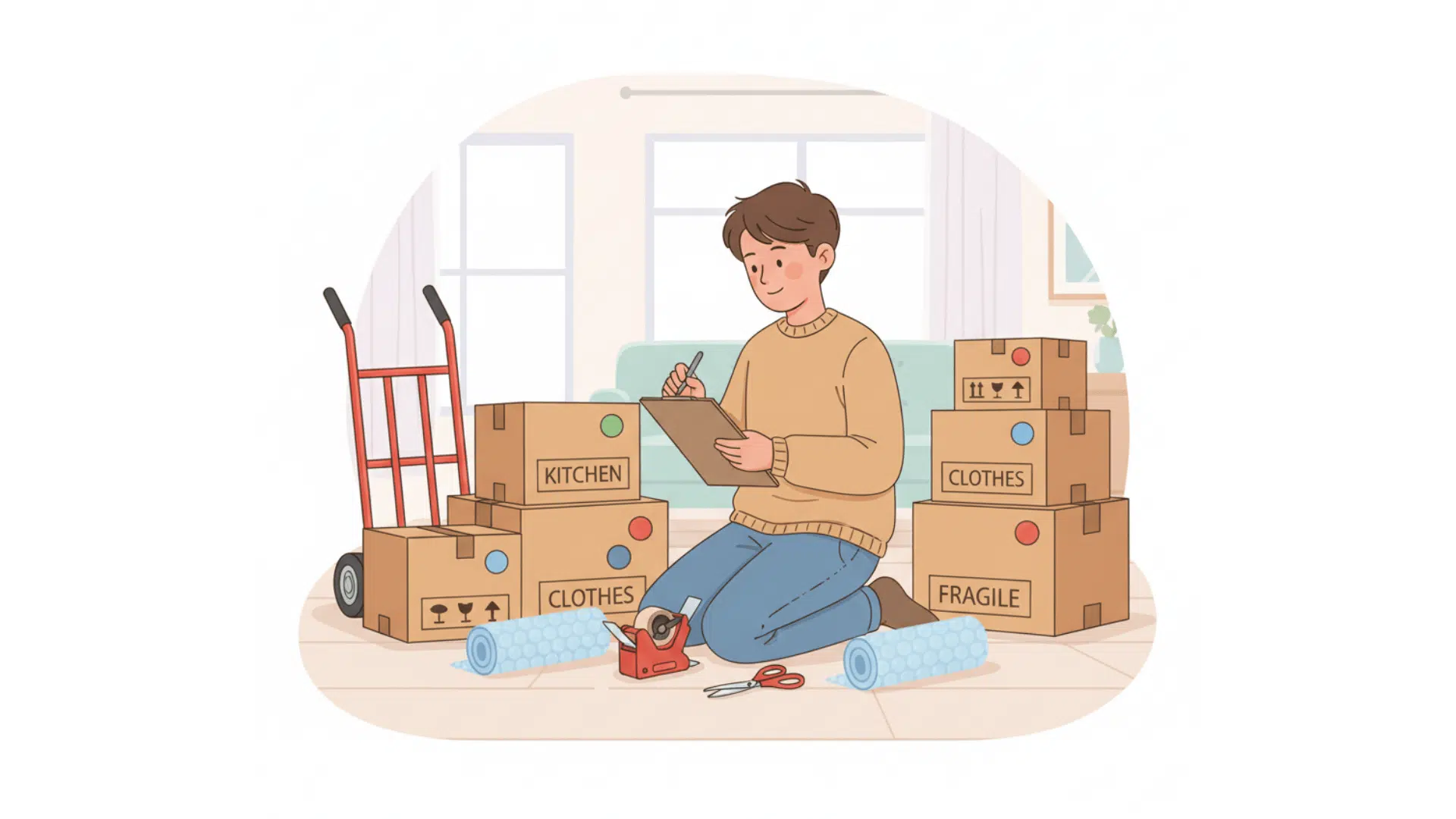
Sort belongings into four piles:
- Keep for the new home
- Donate to others who need them
- Sell online or at garage sales
- Trash anything broken or worn out
Tackle one room per session. Too much at once overwhelms everyone. Snap photos of sentimental pieces before donating. The memories stay without cluttering the new space. Life Assure points out that clear rooms help emergency teams reach seniors faster.
Professional organizers handle senior moves differently. They get the emotional weight of letting go. Their experience smooths out rough patches.
Study the New Home Layout Early
Floor plans and measurements matter before boxes get loaded. Hunt for trouble spots like uneven thresholds or tight doorways. Most falls happen in the first 72 hours somewhere new. Your loved one needs time to learn where things are.
Visit multiple times before moving day. Photograph every room from several angles. Decide furniture placement ahead of time. Hallways need at least three feet of clear walking space.
Install safety features before anyone moves in. Grab bars go in bathrooms. Check that stair railings feel solid. Swap dim bulbs for brighter ones. Renters can use temporary adhesive options that don’t damage walls.
Hire Movers Who Know Senior Needs
Nobody over 65 should lift heavy boxes. Period. Professional movers trained for senior relocations understand the pace older adults need. They handle fragile items with extra care. Ask for references from previous senior moves.
Schedule moves during mild weather. Heat waves and cold snaps add unnecessary stress. Mornings usually work best. Energy levels run higher earlier in the day. Build in frequent breaks at both locations.
Assign one family member to focus solely on your loved one. This person manages medications and hydration. They ensure comfort while everyone else directs traffic. The senior stays out of the chaos this way.
Set Up Emergency Systems Right Away
Medical alert systems matter more in unfamiliar surroundings. Program the new address everywhere. Share exact coordinates with family. Test smoke detectors and carbon monoxide alarms immediately.
Create emergency sheets for multiple rooms. List the street address and closest hospital. Add poison control and doctor contacts. The National Institute on Aging reports seniors frequently forget new addresses during major changes.
Meet the neighbors on day one. Hand them your emergency contact information. Informal neighborhood networks often catch problems before they escalate. Technology helps, but people notice things machines miss.
Take Time Learning the New Space
Resist unpacking everything right away. Bedroom and bathroom come first. Kitchen setup happens next. Familiar towels and dishes ease the adjustment.
Big print labels help on cabinets and drawers. Your family member finds things without frustration. Walk the same paths multiple times daily. Repetition builds automatic memory of the layout.
Stick with established routines. Same wake-up time. Regular meal schedule. Usual hobbies and activities. Daily patterns ground people when everything else feels different.
Connect with Community Resources Fast
Research senior services before boxes arrive. Senior centers and meal programs often have waiting lists. Transportation services book up quickly too. Early contact saves headaches later.
New doctors and dentists need scheduling within the first week. Bring complete medical files to those appointments. Transfer prescriptions to a nearby pharmacy. Pharmacists catch dangerous drug interactions.
Social connections prevent isolation. Exercise classes welcome new faces. Book clubs need fresh perspectives. Volunteer work gives purpose. Loneliness damages health just like physical injuries do.

Planning Pays Off Long After Moving Day
Safety work continues past the first week. Regular check-ins during the first three months catch small issues early. Falls and medication mix-ups creep up gradually.
Keep emergency contacts current as new relationships form. Review safety equipment quarterly. Replace alert device batteries on the manufacturer’s schedule. Smart preparation protects everyone from preventable problems.
Good planning makes tough transitions manageable. Each step shields your senior family member during this big life shift. Start early and stay engaged.