Moving can be tricky. You can love everything about the house—the kitchen, the layout, the light—and still “inherit” a five-figure problem buried under the pretty yard.
This is far more common than people realize because sewer lines don’t show up in listing photos. And standard inspections? Yes, they’re essential, but they rarely go deep enough. A quick camera scope, on the other hand, does. And it can drastically change negotiations, affecting the price, the timeline, and whether the deal makes sense at all.
In some cases, issues don’t just stay theoretical. Buyers move in, start using the plumbing normally, and suddenly face backups within days. That’s when routine concerns turn into urgent calls for emergency sewer line repair in Denver, especially in older neighborhoods where aging infrastructure is common.
How a Sewer Camera Inspection Works
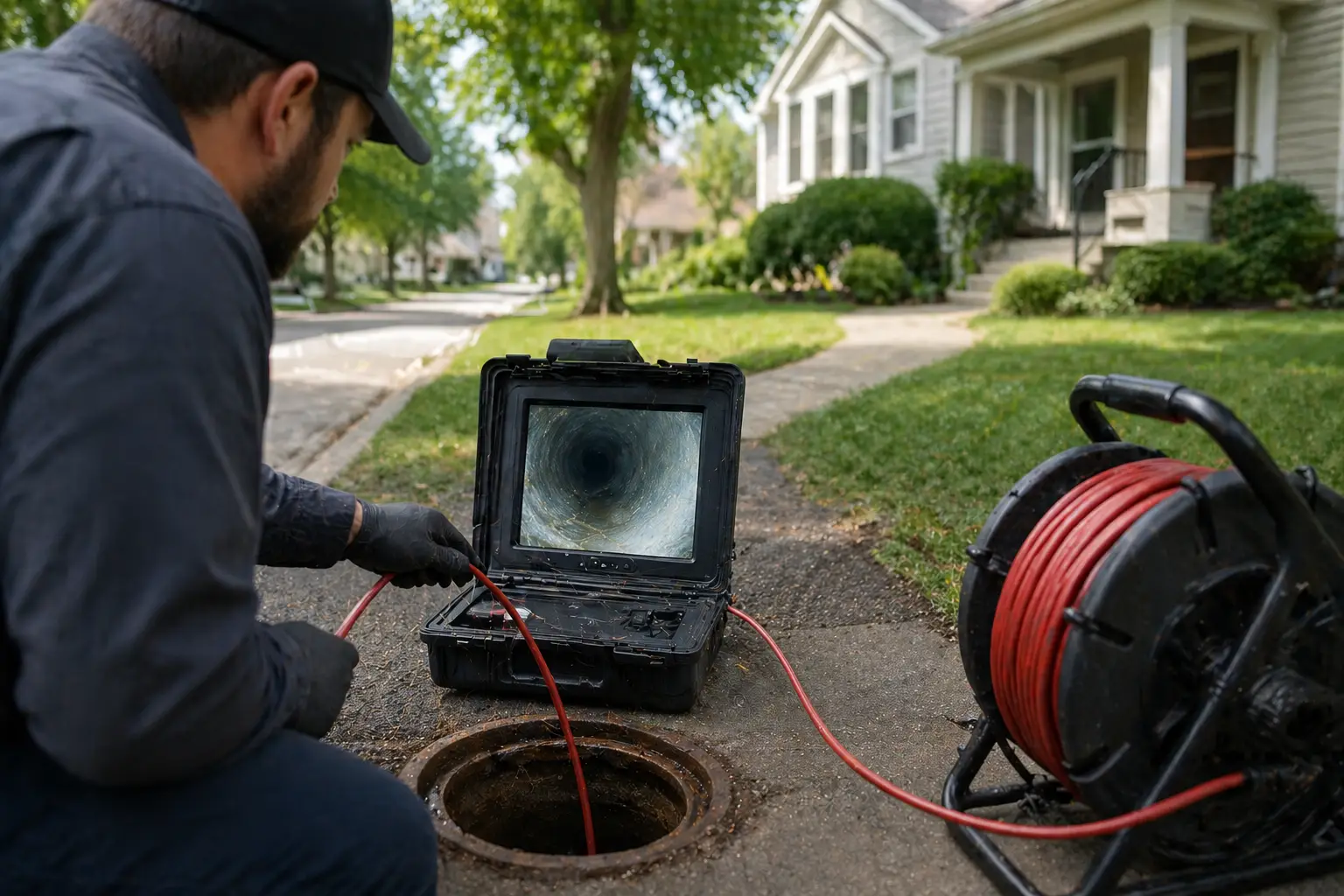
A technician feeds a high-resolution camera through a cleanout or pulled toilet and runs it to the city tap. The head records video, tracks distance, and flags depth and slope changes.
So, you get a time-stamped file plus a written summary. You should keep both because buyers’ agents and contractors will ask.
Note, however, that good operators don’t just “run the line.” They pause, measure, and mark the surface when they see defects. Why is this important? Because it lets you tie what’s on screen to a real spot in the yard or slab, which is critical when you’re pricing repairs.
What Inspectors Look For
You’ll hear a few terms repeatedly. They’re not interchangeable, and each points to a different fix:
Root intrusion: Fine roots first, then woody masses. They exploit joints and cracks, then trap solids. Left alone, they come back.
Offsets: One pipe section sits higher or lower than the next. Solids catch on the lip, and backups come next.
Bellies (sags): A low spot that holds water. It doesn’t self-correct, and it breeds recurring clogs.
Cracks/corrosion: Common in cast iron and clay. Progression is the issue because today’s hairline can easily lead to a collapse with time.
Debris and scale: Grease, mineral buildup, construction debris. Sometimes a cleaning solves it; sometimes it’s masking a bigger defect.
Inspectors also note pipe material (clay, cast iron, Orangeburg, PVC) and approximate age. This is essential because it drives your next move more than any single clip in the video.
Red Flags That Change the Deal
Not every defect deserves a price cut. But some do, and immediately.
Orangeburg or severely deteriorated cast iron: This isn’t a “monitor it” situation. Expect replacement planning.
Repeated offsets or long bellies: Localized fixes won’t hold. Section replacement or full rehab may be necessary.
Heavy roots with structural damage: Cutting roots buys time, not resolution.
Standing water through long runs: Indicates grading issues; expect digging or re-lining at a minimum.
If the video shows multiple defect types in one run, treat the system as a whole. Piecemeal fixes tend to stack costs and extend disruption (exactly what you don’t want during a move).
When to Negotiate and How to Do It Cleanly
Bring receipts. Share the video, the marked locations, and at least one contractor estimate. And ask for a credit, not a last-minute seller repair (because you control quality and timeline that way).
Frame it in ranges:
Minor maintenance (jetting, root cutting): modest credit.
Targeted repair (spot dig, short liner): mid-range credit.
System rehab or replacement: material credit or price reduction that reflects full scope plus contingency.
Repair Pathways: What You’re Choosing Between
You’re usually deciding among three routes:
Clean and monitor
Works for light roots or scale without structural damage. Budget for repeat service. Set a calendar reminder now (seriously).
Spot repair
Dig at a marked defect, replace a short section. Best when the rest of the line is sound and defects are isolated.
Trenchless rehab (lining or pipe bursting)
Cured-in-place pipe (CIPP) lines the existing pipe; bursting replaces it by fracturing the old line while pulling a new one. Minimal digging, faster turnaround, and far less yard damage.
In markets where access is constrained or landscaping is valuable, trenchless often pencils out. This becomes even more important when problems escalate quickly and homeowners need emergency sewer line repair in Denver without turning the property into a jobsite for weeks (and without redoing hardscape you just paid for).
Timelines You Can Plan Around
Here are some general timelines:
Cleaning and scope: same day.
Spot repair: 1–3 days once scheduled (permits can add time).
Trenchless lining: often 1–2 days of on-site work; curing happens quickly.
Full replacement (open trench): several days to a week, plus restoration.
Of course, permits, utility locates, and municipal inspections can stretch any of these. So, build a buffer between closing and move-in if the scope flags anything beyond simple maintenance.
Cost Signals
Prices vary by region and depth, but certain patterns hold:
Cleaning/root cutting: low three figures to low four figures.
Spot repairs: mid four figures, depending on access and depth.
Trenchless lining/bursting: mid to high four figures, sometimes low five.
Full replacement: often five figures, especially with deep lines or hardscape.
Naturally, depth, length, and access drive most of the variance. A shallow front yard line is a different story than a deep run under a driveway and slab.