Why Water Damage Is More Than a Surface Problem
Water damage almost never looks as bad as it actually is. Not at first.
You see a damp spot on the ceiling. Maybe a bit of water pooling near a wall. It feels manageable. Grab some towels, open a window, maybe run a fan. Done, right? Not really.
Water has a way of getting into places you don’t see. It seeps behind walls, under floors, into insulation. And once it’s there, it doesn’t just disappear. It sits. It spreads. It starts breaking things down.
And here’s the part most people miss. Within a day or two, that moisture can start supporting mold growth. That’s a very short window. You don’t get much time to guess your way through it.
So even if the surface looks fine, the real issue might already be developing out of sight.
Common Causes of Water Damage in Homes
Most people think water damage comes from dramatic events. Floods. Storms. Pipes bursting everywhere.
That happens. But a lot of damage starts much more quietly. A small pipe leak behind a wall. A loose connection under a sink. A washing machine hose that finally gives out. These aren’t big moments. They’re slow problems that build over time until suddenly you’re dealing with something much bigger.
Then you’ve got weather. Heavy rain, roof leaks, clogged gutters. Water finds its way in. It always does. And once it gets past that first barrier, it doesn’t stop where you expect it to.
And appliances. People forget about those. Water heaters, dishwashers, washing machines. They all age. They all fail eventually. And when they do, the damage can spread before you even notice.
The First Hours After Water Damage Happens
What you do early on matters more than most people realize. The first priority should always be safety. Shut off the water source if you can. If there’s any chance electricity is involved, don’t take risks. That part always comes first.
After that, you try to limit the damage. Get rid of standing water. Start drying things out. But this is where things get tricky. Most people rely on fans, towels, maybe a shop vacuum. That helps with what you can see. It doesn’t do much for what you can’t.
And waiting things out? That usually backfires. Water doesn’t fix itself. It just keeps spreading quietly into materials that take much longer to dry.
Why Standard Cleanup Methods Don’t Cut It
Here’s the honest truth. Surface drying is not the same as proper drying.
Wood, drywall, and insulation all absorb moisture. And once that happens, the water sticks around long after the surface feels dry to the touch.
That’s how problems come back later. The stain disappears. The smell seems gone. Then a few weeks later, something feels off again.
Mold is usually the next step. And once it starts, it spreads faster than most people expect.
Regular cleaning tools just aren’t built for this kind of job. They don’t measure moisture levels. They don’t reach inside materials. So you’re working blind.
That’s why a lot of “fixed” water damage issues end up coming back.
Where Professional Help Makes a Difference
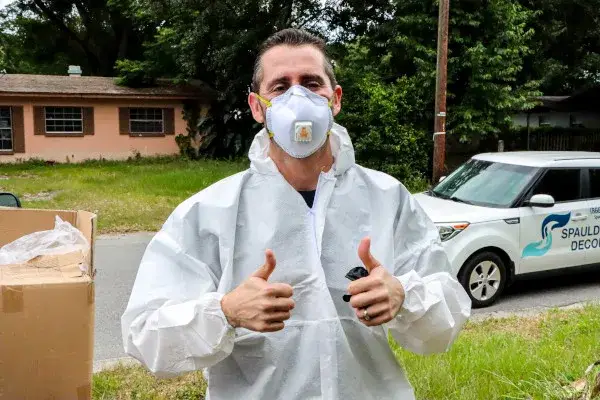
This is where companies like Spaulding Decon step in.
And no, this isn’t about making things look clean. It’s about making them actually safe again.
Water damage restoration and cleanup services go deeper than what most homeowners can do on their own. The process usually starts with figuring out exactly where the moisture is hiding. Then comes controlled drying, removal of damaged materials if needed, and making sure the space is fully restored.
Katie Wilson, Chief Executive Officer at Spaulding Decon puts it in a way that makes sense right away: “Water damage feels overwhelming because you can’t always see how far it’s spread. The goal is to remove that uncertainty and handle it completely, so homeowners aren’t dealing with the same issue again later.”
That’s really the difference. Not just fixing what’s visible, but dealing with the whole problem.
Why Timing Matters More Than You Think
Time changes everything with water damage.
Leave moisture sitting for a day or two and you’re already in a different situation. Materials start weakening. Mold becomes more likely. Repairs get more complicated.
Act early, and you might be dealing with drying and minor fixes. Wait too long, and you’re looking at replacing flooring, walls, maybe more.
That’s why quick action isn’t just helpful. It saves you from a much bigger headache later.
Real Situations Homeowners Run Into
Think about a flooded basement after heavy rain. You pump the water out. It looks fine. Problem solved.
Except the walls and flooring soaked up that water. And unless those materials are properly dried, you’re left with lingering moisture that doesn’t just go away. Or take a slow leak under a sink.
You don’t notice it for weeks. Maybe months. By the time you do, the cabinet is warped, the surrounding area smells, and there’s already damage behind the wall.
These situations don’t look dramatic at first. But they add up fast.
How Restoration Experts Help You Get Back to Normal
What professionals bring is structure. They assess the situation. They figure out how far the damage goes. Then they deal with it step by step instead of guessing.
They also document everything. That matters more than people think. Buyers, inspectors, and insurance companies all want proof that the issue was handled properly.
And speaking of insurance, that’s another piece people struggle with.
Katie Wilson points out something important here:
“Handling the cleanup is one part of the process. Helping homeowners navigate insurance is just as important. When both are managed well, the recovery feels much more manageable.”
That kind of support makes a stressful situation feel a lot less chaotic.
Preventing Water Damage Before It Starts
You can’t prevent everything. But you can lower your risk.
Check your plumbing regularly. Keep an eye on appliances. Look at your roof and gutters before small issues turn into big ones.
And having a basic routine helps. Guides like how to build a simple annual water safety routine for your home and how to restore your home after flood damage offer practical steps that actually make a difference.
It’s not about being perfect. It’s about catching problems early.
Conclusion
Water damage has a way of starting small and turning into something much bigger.
What looks like a simple cleanup job can easily become a deeper issue if it’s not handled properly. And most of the time, the real damage isn’t what you see right away.
Getting the right help early can save you time, money, and a lot of stress.
Because at the end of the day, it’s not just about drying out a space. It’s about making sure your home is truly back to normal.
FAQs
1. How fast should I act after water damage?
As fast as possible. Within the first 24 hours is ideal if you want to avoid bigger problems like mold.
2. Can I handle water damage on my own?
For very small issues, maybe. But anything that spreads beyond the surface usually needs professional attention.
3. How do I know if water damage is hidden?
Watch for musty smells, discoloration, or materials that feel warped or soft.
4. Will insurance cover water damage?
It depends on the cause. Sudden damage is often covered. Gradual issues usually aren’t.
5. How long does cleanup take?
It varies. Some cases take a few days. Others take longer depending on how far the damage has spread.