
A home remodel can make a space more beautiful, functional, and valuable. But if the home has older materials, hidden moisture damage, or poor ventilation, remodeling can also disturb dust, particles, and chemicals that were previously contained.
So, would a home remodel trigger toxins in house? It can, depending on the age of the home, the materials being removed, and how the work is performed. Demolition, sanding, scraping, cutting, painting, and flooring removal can release irritants or hazardous materials into the air if proper precautions are not taken.
That does not mean remodeling is automatically unsafe. Most risks can be reduced with planning, testing, containment, ventilation, careful cleanup, and qualified professionals when needed. The key is knowing what to look for before work begins.
Why Home Remodels Can Stir Up Hidden Hazards
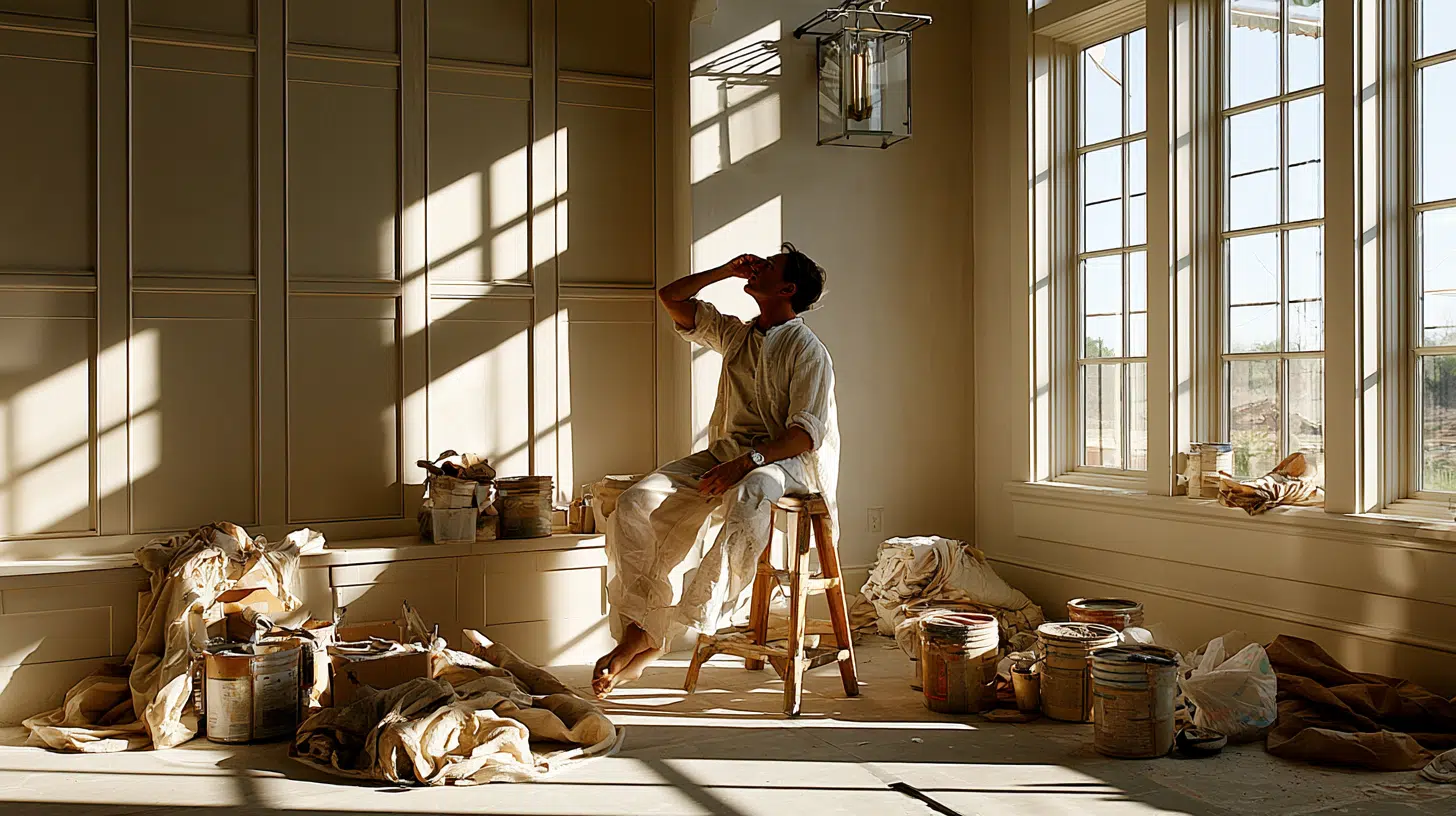
Many indoor hazards are not a problem when they are sealed, undamaged, or left alone. The concern starts when materials are disturbed. A wall that has been painted many times, an old floor underlayment, a textured ceiling, or a damp cabinet cavity may look harmless from the outside but contain materials that should be handled carefully.
Remodeling often involves opening walls, tearing out cabinets, removing flooring, cutting tile, sanding trim, or scraping old paint. These steps can create dust that moves through the home if the work area is not contained.
Demolition Can Release Dust and Particles
Demolition is one of the dustiest parts of a remodel. Removing drywall, tile, cabinets, flooring, insulation, or ceiling materials can release particles into the air. Even normal construction dust can irritate the eyes, nose, throat, and lungs, especially for children, older adults, pets, or anyone with allergies or asthma.
Dust can also travel farther than homeowners expect. It can move through open doorways, vents, hallways, staircases, and HVAC systems. Without containment, a project in one room can leave residue in other areas of the house.
Cutting, Sanding, and Scraping Can Increase Exposure
Power tools can make dust finer and easier to breathe. Sanding old paint, cutting tile, grinding concrete, drilling into masonry, or removing adhesives can create airborne particles that require extra caution.
This is why the preparation stage matters so much. Before old materials are disturbed, homeowners should know whether those materials could contain lead, asbestos, mold, or other concerns.
Common Toxins or Irritants That May Be Disturbed During a Remodel
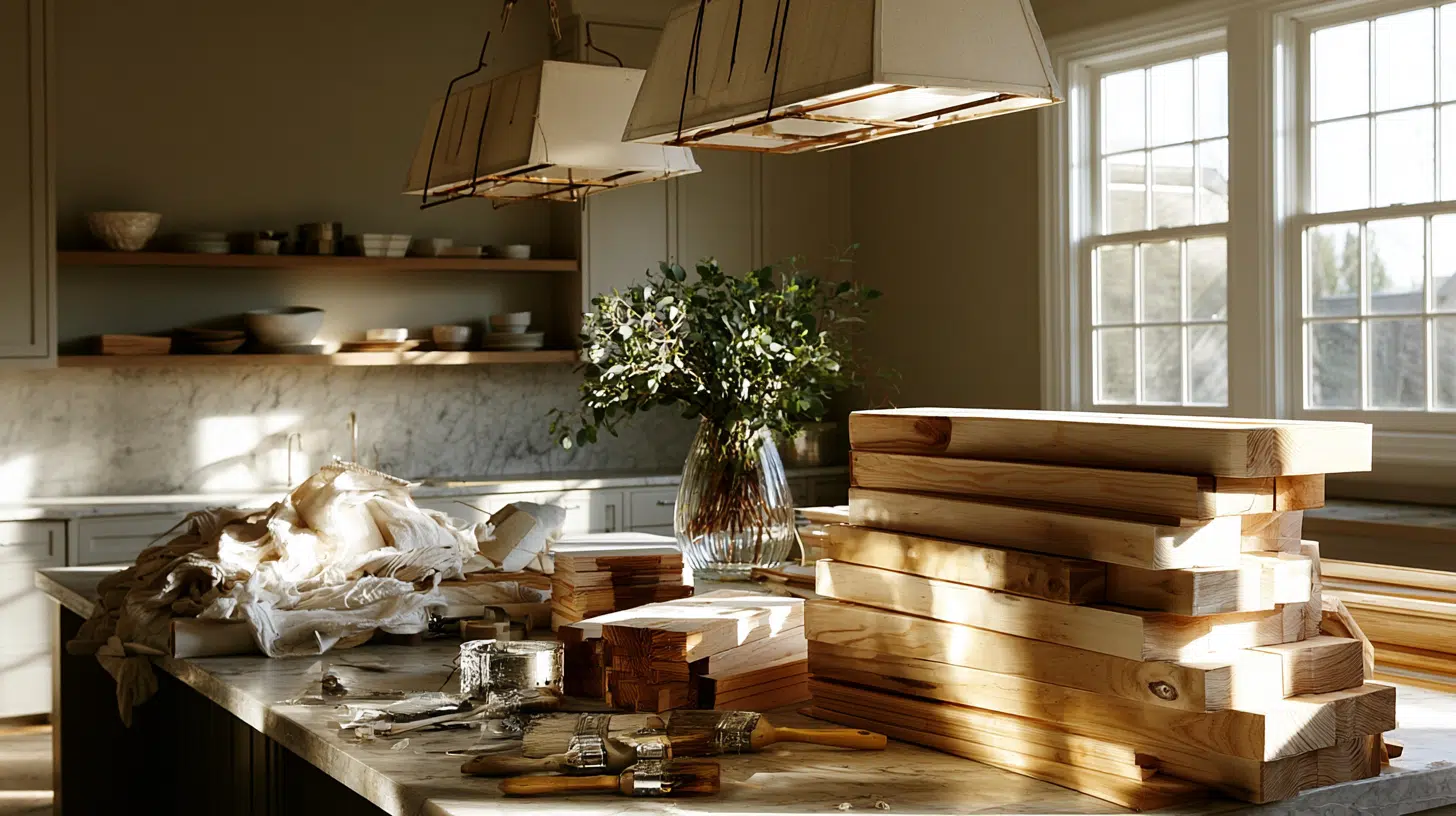
Not every home has hazardous materials, but some risks are common enough that homeowners should be aware of them before starting renovation work.
Lead-Based Paint in Older Homes
Homes built before 1978 may contain lead-based paint. If old painted surfaces are sanded, scraped, drilled, or demolished, lead dust can be released. This is especially important around older trim, doors, windows, walls, cabinets, and painted built-ins.
Lead dust is not always visible, which makes it easy to underestimate. If a home is older and painted surfaces will be disturbed, testing and lead-safe work practices should be part of the plan.
Asbestos-Containing Materials
Asbestos may be found in some older flooring, ceiling textures, insulation, siding, adhesives, pipe insulation, and other building materials. Like lead, asbestos is most concerning when disturbed. Cutting, breaking, sanding, drilling, or removing asbestos-containing materials incorrectly can release fibers into the air.
Homeowners should not guess when it comes to suspicious older materials. If asbestos is possible, testing should happen before demolition or removal.
Mold Behind Walls, Floors, or Cabinets
Mold is often discovered during bathroom, kitchen, laundry room, basement, or flooring projects. Water damage can hide behind tile, under flooring, inside cabinet cavities, or behind drywall. Once demolition begins, mold spores and musty debris can be disturbed.
Remodeling should not simply cover up moisture problems. If mold or water damage is found, the source of the moisture should be corrected before new finishes are installed.
VOCs From Paints, Adhesives, Sealants, and New Materials
Some paints, stains, adhesives, sealants, caulks, flooring products, and cabinets can release volatile organic compounds, often called VOCs. These can contribute to indoor odors and air quality concerns during and after a remodel.
Choosing lower-VOC products and ventilating during application can help reduce exposure. Even with better products, fresh finishes still need proper drying and airflow.
Silica Dust From Tile, Stone, Concrete, and Masonry
Cutting or grinding tile, stone, brick, mortar, concrete, or engineered materials can create fine silica dust. This is usually managed as a jobsite safety issue, but containment still matters because dust can spread into the living areas of the home.
For projects involving tile, stone, concrete, or masonry, dust control should be discussed before work begins.
Which Remodeling Projects Are Most Likely to Trigger Toxins?

Some remodels create more risk than others because they disturb more materials or involve moisture-prone areas.
Bathroom and kitchen remodels deserve special attention because they often include tile, cabinets, plumbing, ventilation, adhesives, paint, and flooring. These rooms are also more likely to have hidden water damage.
Flooring removal can also raise concerns, especially in older homes. Old vinyl flooring, adhesives, underlayment, and dust trapped beneath layers of flooring should be handled carefully. If the material is old or unknown, testing may be wise before removal.
Wall, ceiling, and trim work can also create exposure. Scraping popcorn ceilings, sanding old trim, removing painted doors, or opening walls may disturb lead paint, asbestos-containing materials, or old dust.
Whole-home renovations require even more planning because multiple areas are disturbed at once. The larger the remodel, the more important containment, sequencing, ventilation, and cleanup become.
How to Reduce Risk Before Starting a Remodel
The safest remodel starts before demolition. Homeowners should take time to understand the home, the project scope, and the materials that may be disturbed.
Know the Age of the Home
The age of the home can tell you a lot about possible risks. Older homes may be more likely to contain lead-based paint, asbestos-containing materials, outdated wiring, old insulation, or hidden layers of flooring and wall finishes.
A newer home can still have mold, VOC concerns, or construction dust, but older homes generally need more caution before demolition or sanding begins.
Test Before Disturbing Suspicious Materials
Testing can prevent bigger problems later. If there is a chance of lead paint, asbestos, or significant mold, it is better to identify the issue before work begins than after dust has spread through the home.
Homeowners planning a larger remodel should work with experienced renovation professionals like Oleg & Sons Remodeling to think through project scope, materials, sequencing, and safer construction planning before demolition begins.
Planning does not eliminate every surprise, but it reduces the chance of avoidable mistakes.
Safe Work Practices During Remodeling
Once work begins, the goal is to keep dust, debris, and fumes from spreading through the home.
Containment is one of the most important steps. Plastic barriers, sealed doors, covered vents, and isolated work zones can help keep dust in the work area. For larger projects, more formal dust control systems may be needed.
Air quality should also be part of the plan. Ventilation, air filtration, and keeping HVAC systems from circulating construction dust can make a major difference. Opening a window may help with minor paint odors, but it may not be enough for major demolition or cutting work.
Living areas should stay separate from active work zones. Children, pets, and non-workers should be kept away from renovation areas. It is also smart to limit foot traffic between the work zone and clean areas of the home.
Cleanup matters too. Fine dust should not be dry swept into the air. HEPA vacuuming, damp wiping, careful debris removal, and thorough final cleaning can help prevent dust from lingering after the remodel is finished.
Choosing Safer Paints, Finishes, and Trim Products

The finishing stage is also important for indoor air quality and long-term durability. Paints, primers, stains, sealants, and caulks should be chosen based on the room, surface, and level of use.
Low-VOC or zero-VOC options may be a good choice for many interior spaces, especially bedrooms, nurseries, offices, and frequently used rooms. Proper ventilation is still important during and after painting.
Paint sheen also matters. Bathrooms, kitchens, trim, doors, and high-touch surfaces usually need more durable finishes than low-traffic walls. Homeowners comparing trim paint options and durability can use this guide from Cover Pro Painting when deciding where semi-gloss finishes make sense and where another sheen may be better.
Surface prep should never be skipped. Cleaning, patching, sanding carefully, caulking, and priming can affect both the final look and the durability of the finish. A safer, cleaner remodel is not only about what products are used, but also how the work is prepared and applied.
When Should Homeowners Bring in a Specialist?
Some remodel tasks are not ideal for DIY. Lead, asbestos, major mold, and heavy dust-producing work should be handled with the right training, tools, and containment.
If old paint may contain lead, the work should follow lead-safe practices. If suspicious materials may contain asbestos, they should be tested before disturbance. If mold is widespread or connected to ongoing moisture, remediation may be needed before rebuilding.
Major demolition, structural changes, and whole-home renovations also require careful coordination. Dust control, debris handling, ventilation, and material sequencing should be part of the project plan from the beginning.
Common Mistakes Homeowners Should Avoid

One of the biggest mistakes is starting demolition without testing, especially in older homes. A little preparation can prevent expensive cleanup and reduce health concerns.
Another mistake is assuming that “natural” or “new” always means safe. New products can still release odors or VOCs, and natural materials can still create dust when cut, sanded, or demolished.
Living too close to the work zone is another common issue. Even if the project is small, dust and fumes can build up. Separating living areas from work areas helps reduce exposure.
Finally, homeowners should avoid covering up problems instead of fixing them. Painting over mold, sealing over water damage, or hiding damaged materials behind new finishes does not solve the underlying issue. Proper repair should always come before the final cosmetic layer.
Final Thoughts: Remodeling Can Be Safe With the Right Planning
A home remodel does not have to create a toxic environment. The risk usually comes from disturbing hazardous or damaged materials without testing, containment, ventilation, or proper cleanup.
If you are asking, “Would a home remodel trigger toxins in house?” the best answer is that it can, but the risk depends on the home, the materials, and the way the project is handled. Older paint, asbestos-containing materials, mold, VOCs, and fine construction dust all deserve attention before work begins.
With careful planning, safer product choices, proper containment, and qualified help when needed, homeowners can remodel with more confidence and protect the indoor air quality of their home throughout the project.