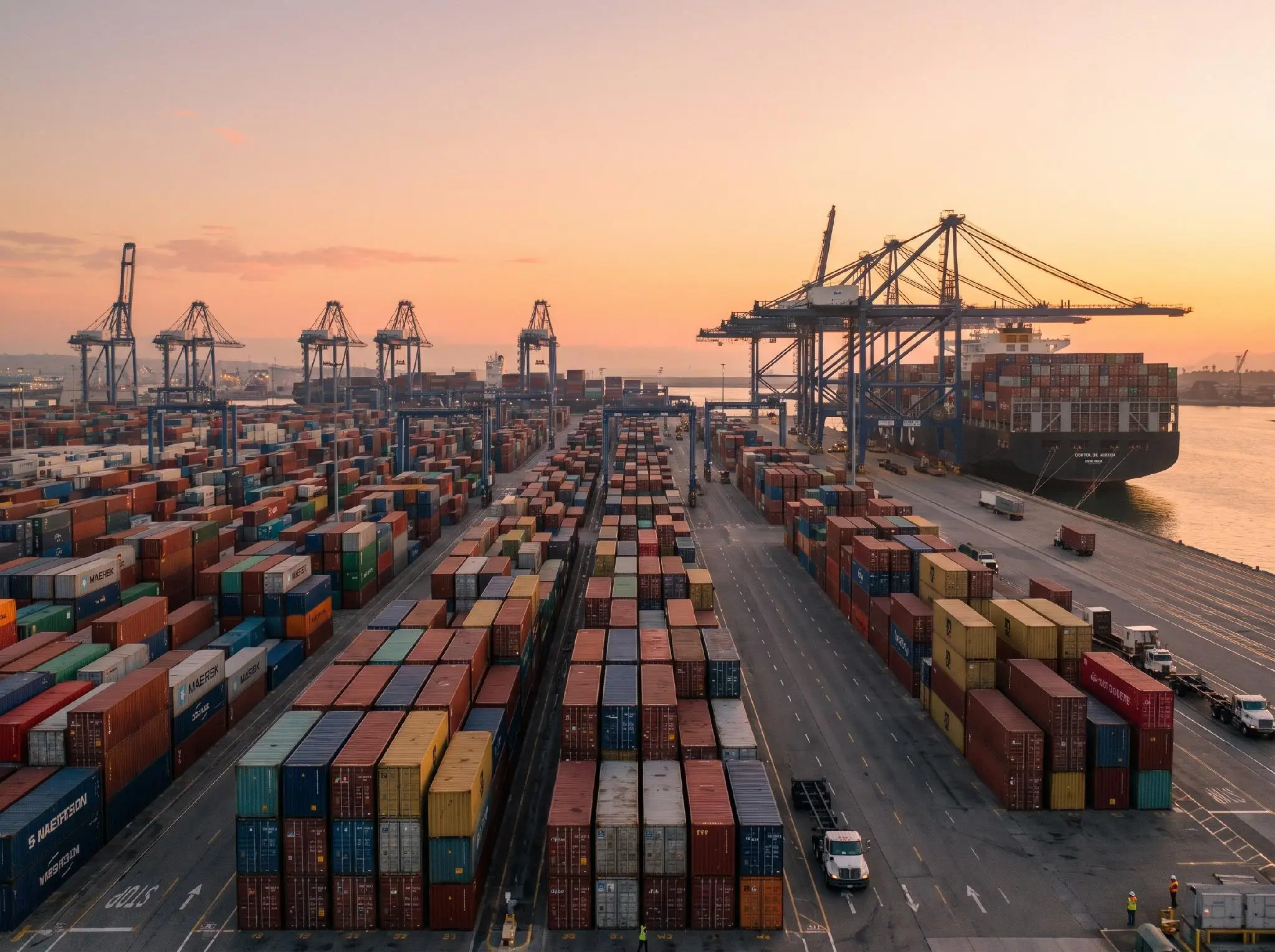
West Coast ports are busier than they’ve been in years, and electronics brands are feeling it first. Every extra container moving through Los Angeles or Long Beach eventually needs a home, a shelf, and a shipping label. I’ve watched enough supply chain shifts to know this one isn’t a blip. It’s a real question every electronics brand needs to answer this year: where should your inventory actually sit?
The answer isn’t as simple as “closer to the port is better,” though proximity does matter more than most brands realize. It comes down to how fast you can move product once it lands, who’s handling it, and whether your fulfillment partner actually understands electronics.
The West Coast Import Boom Is Changing Fulfillment Strategy
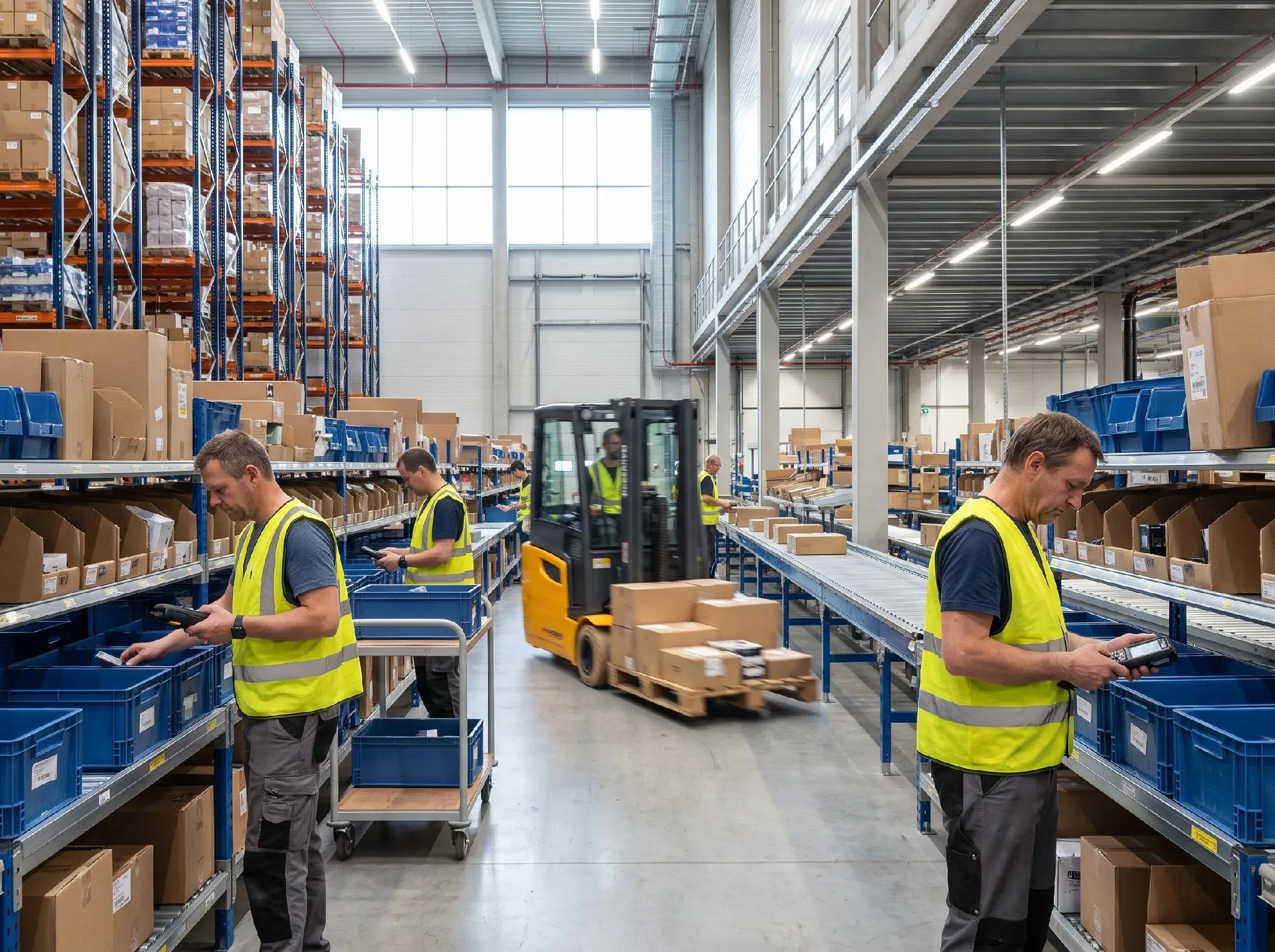
Every day a container sits in drayage limbo or travels an extra 1,500 miles inland adds cost, and electronics shipments, with their higher per-unit value and tighter margins, absorb that cost faster than almost any other category. This is exactly why more brands are turning to West Coast fulfillment services that sit close enough to the ports to cut drayage time and inland freight in one move. A brand importing components through LA, for example, can shave days off transit simply by warehousing regionally instead of routing everything to a Midwest distribution hub.
The numbers from this year alone tell the story. The Port of Los Angeles handled 1,002,734 TEUs in June 2026, up 12% year-over-year and the busiest June on record, according to the Port of Los Angeles’s own container statistics. That’s the third time monthly volume has topped a million containers, and it’s a big part of why regional warehousing has stopped being optional for brands that move electronics.
Proximity also changes how brands manage duties and tariff timing. When inventory clears customs and lands in a warehouse minutes away instead of days away, finance teams get a clearer, faster read on landed costs. That matters more in 2026 than it did even two years ago.
Reshoring and Tariffs Are Pushing Electronics Brands to Rethink Their Supply Chains
Reshoring isn’t a talking point anymore; it’s a measurable trend. Thirty-six percent of OEMs brought manufacturing back to the U.S. in 2026, up from 29% in 2025, according to the 2026 USA Reshoring Survey of 249 manufacturers. Sixty-five percent cited tariffs as the top driver, and 60% pointed to geopolitical risk.
Electronics sits right in the middle of this shift. The category made up nearly two-thirds of all 2024 reshoring job announcements, and computer and electronics products together with apparel account for 44% of all Asian low-cost-country import volume feeding the broader Kearney Reshoring Index.
What does this mean practically? Brands that used to lean entirely on overseas manufacturing and a single offshore warehouse are now splitting their footprint. They’re producing more domestically, importing components strategically, and distributing inventory across regional U.S. warehouses rather than betting everything on one node. A single distribution center thousands of miles from either coast simply can’t respond fast enough when tariff rules or supplier terms change mid-quarter.
This is the part legacy 3PL relationships often miss. A fulfillment partner built for slow, predictable replenishment cycles struggles when a client needs to pivot sourcing or scale a new SKU line in weeks, not quarters. Electronics brands need partners who’ve already built for volatility, not ones scrambling to catch up to it.
What Electronics Brands Need From a 3PL Partner
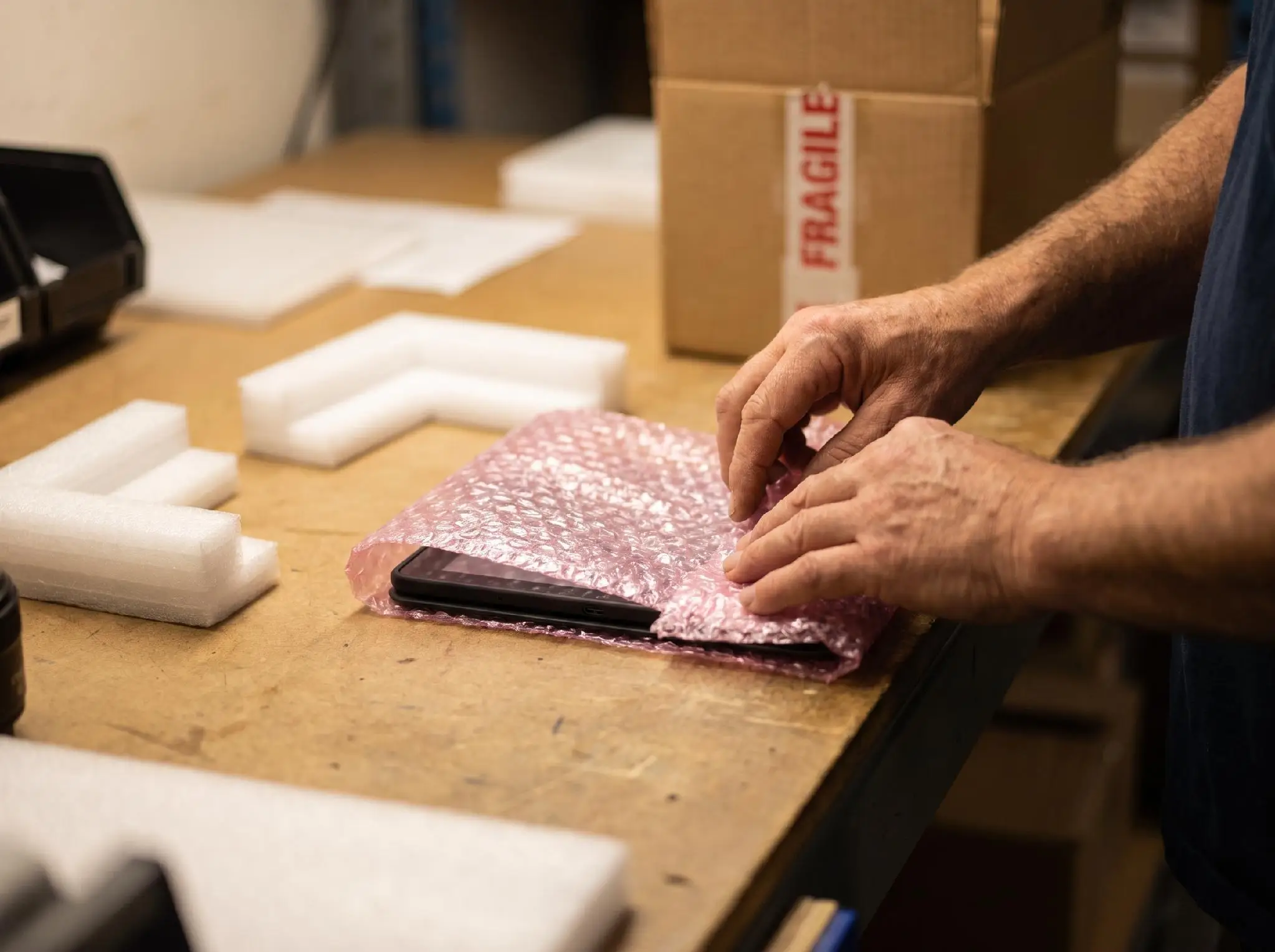
Not every 3PL is built to handle electronics, and treating this category like any other product line is where a lot of brands run into trouble. Circuit boards and finished devices need anti-static handling. High-value SKUs need real inventory security, not just a locked warehouse door. Serialized tracking matters for warranty claims and recalls. And returns are rarely simple; a defective device often needs grading, repair routing, or recycling rather than a straight restock.
This is exactly the gap a specialized electronics 3PL fills. Brands that pick a generalist partner often find out too late that their warehouse team isn’t trained to spot ESD-sensitive packaging or doesn’t have a serial-tracking system that ties back to individual warranty records. Getting that wrong costs real money in damaged goods and customer service headaches.
Technology has raised the bar here too. Nearly half of 3PLs, 46%, now use AI tools for real-time decisions like route optimization, predictive replenishment, and automated exception handling. Same-day delivery is now a standard expectation for more than half of U.S. retailers. An electronics brand without a tech-forward partner isn’t just falling behind on convenience; it’s losing customers who expect that speed as the baseline, not the upgrade.
How to Evaluate a Fulfillment Partner in 2026
Picking the right partner comes down to a handful of concrete questions rather than a gut feeling. Location relative to your import ports and your customer base matters first; every extra mile of inland freight adds cost and time. Technology stack matters second: does the provider offer real-time inventory visibility, or are you calling for updates? Scalability matters third, especially if you’re planning to launch new SKUs or expand into new regions this year. Pricing transparency rounds it out. Hidden fees on storage, pick-and-pack, or returns processing can quietly erase the savings you thought you were getting.
It also helps to understand the difference between a pure warehouse and a true fulfillment partner before you sign anything. Our guide to warehousing versus fulfillment center models breaks down exactly where those two setups diverge and which one fits a growing electronics brand better.
Industry specialization deserves its own line item too. A 3PL that’s fulfilled apparel or home goods for a decade might run a clean operation, but that doesn’t mean it’s ready for anti-static handling or serialized warranty tracking. Ask directly about their electronics client roster before you commit.
The Bottom Line for Electronics Brands

Record port volumes and accelerating reshoring aren’t separate stories; they’re the same shift viewed from two directions. Brands are bringing more manufacturing home while still managing meaningful import volume through West Coast gateways, and both trends point toward the same conclusion: fulfillment location and specialization matter more in 2026 than they did even three years ago.
Money is following that pressure too, with more of it landing on providers who’ve built for speed, specialization, and coordination across a genuinely national network rather than the ones still running yesterday’s playbook. Our breakdown of how global logistics networks stay coordinated covers what that coordination actually looks like in practice, from port to shelf to doorstep.
Electronics brands that get this right in 2026 won’t be the ones with the biggest warehouse. They’ll be the ones whose fulfillment partner actually understands what they’re shipping and where their customers are waiting for it.