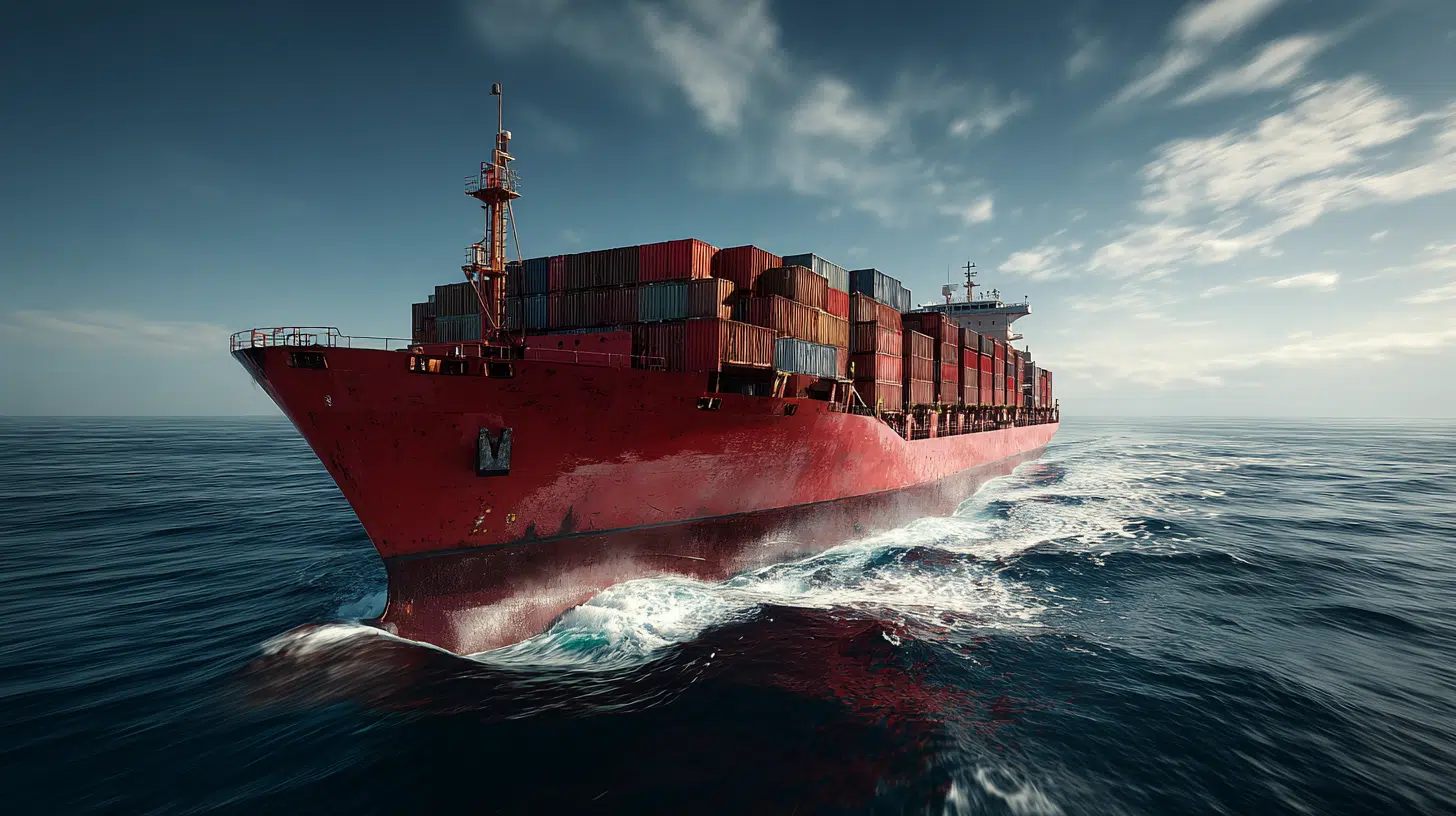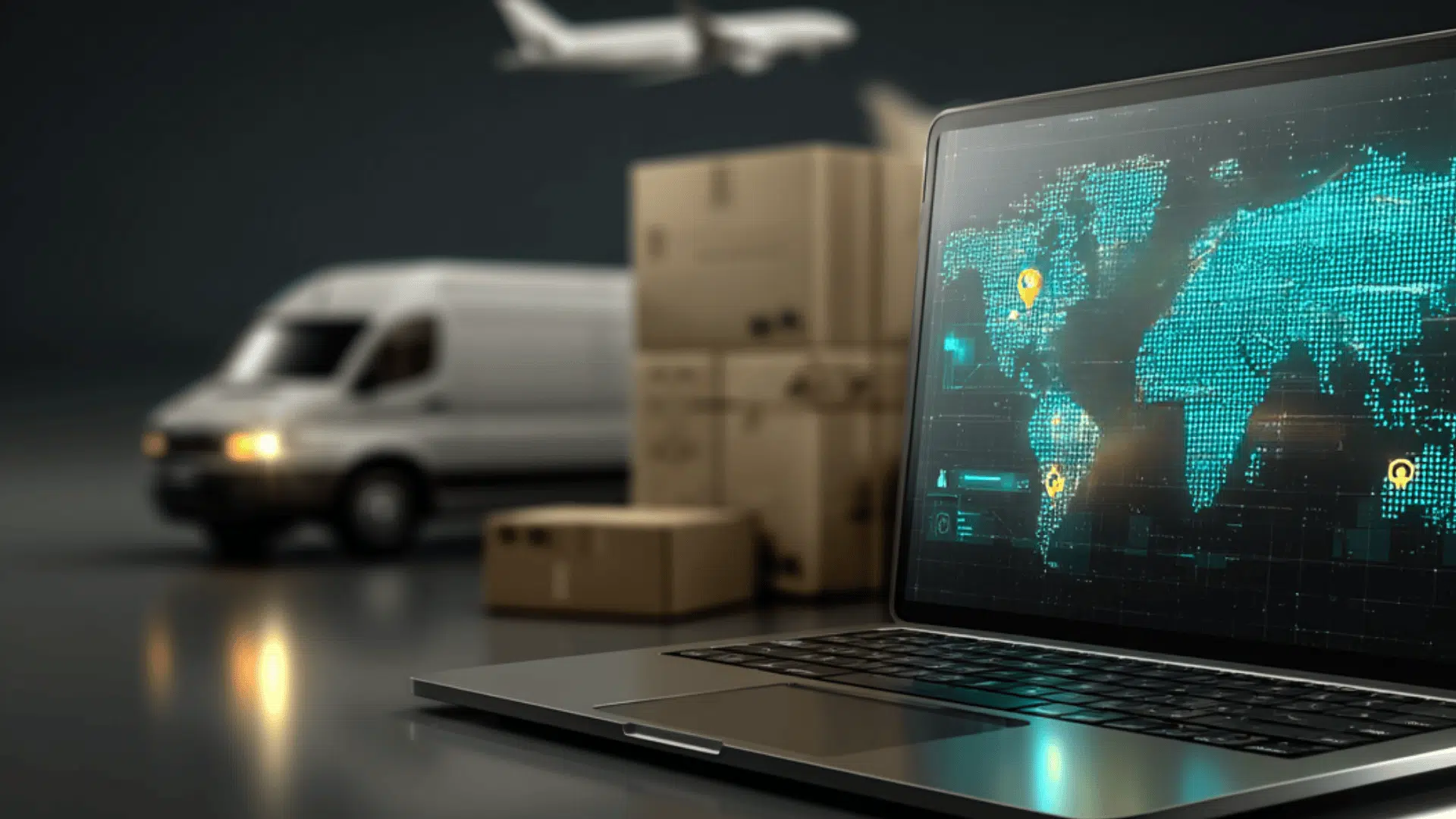
If you have ever reached checkout and wondered what “ground shipping” means, answer is simple. It explains how a package moves from seller to door.
I have packed and shipped enough boxes to see why shipping terms often cause confusion. Ground, standard, and economy can sound like separate options too.
In many cases, these labels describe similar delivery methods rather than completely different services. The name depends on how a retailer presents its shipping choices.
Understanding these terms helps you know what happens after placing an order and why checkout options may look more complicated than they really are today.
What Is Ground Shipping?
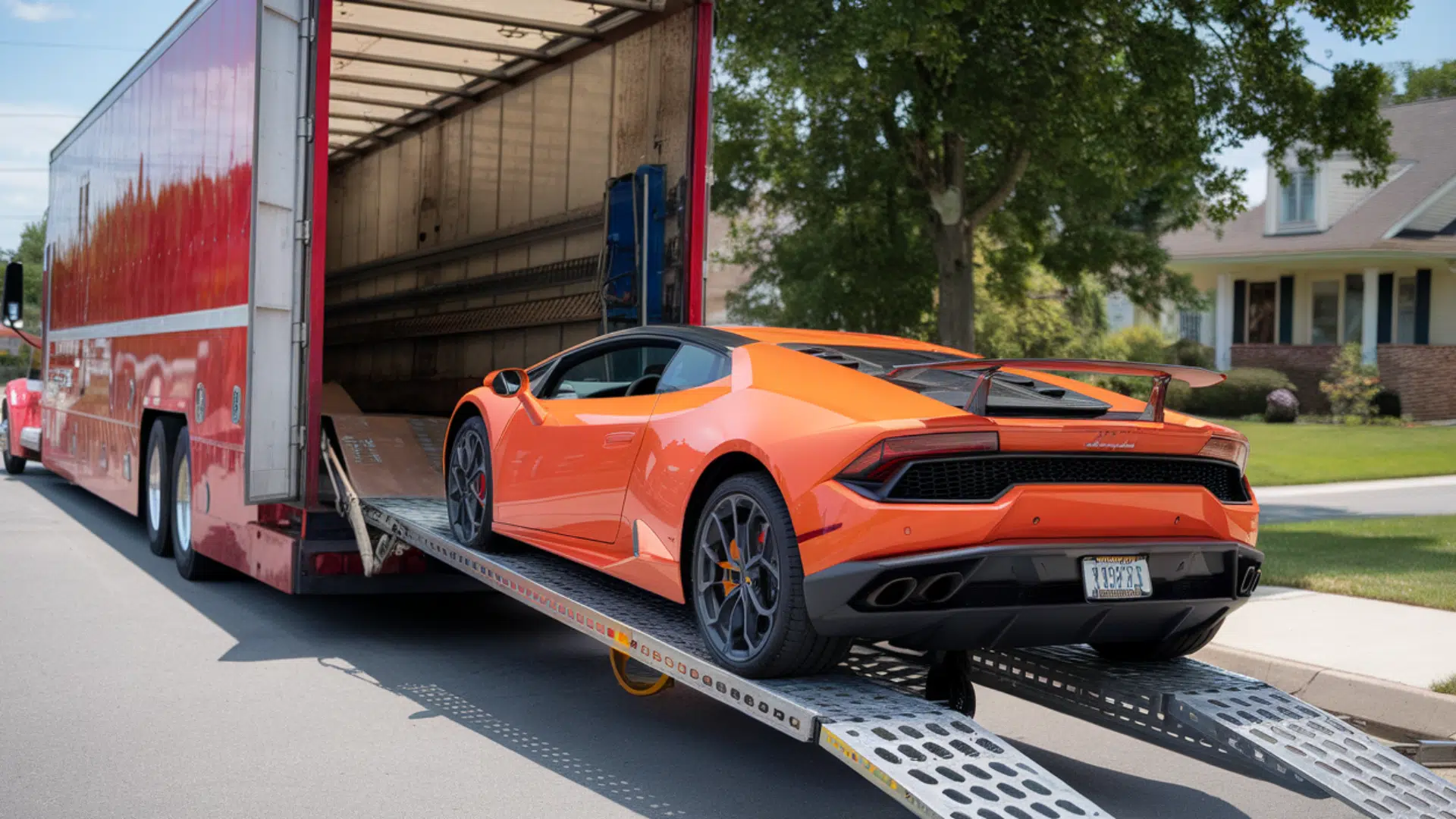
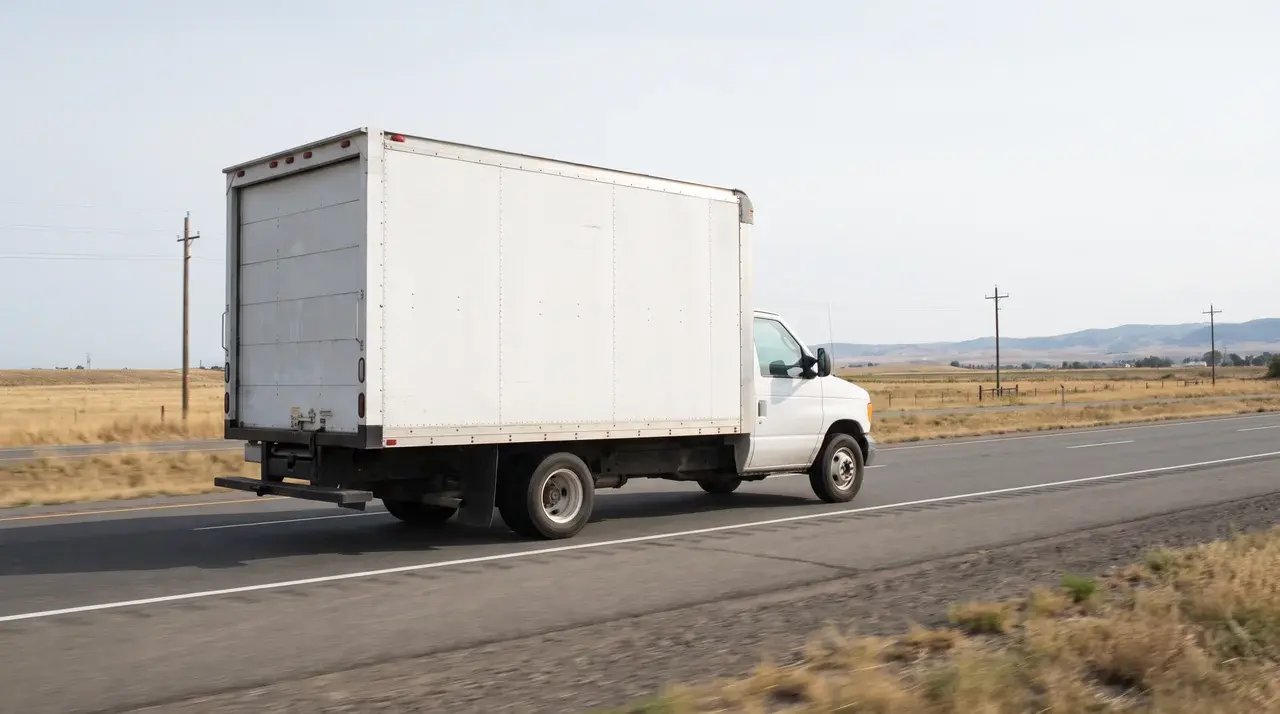
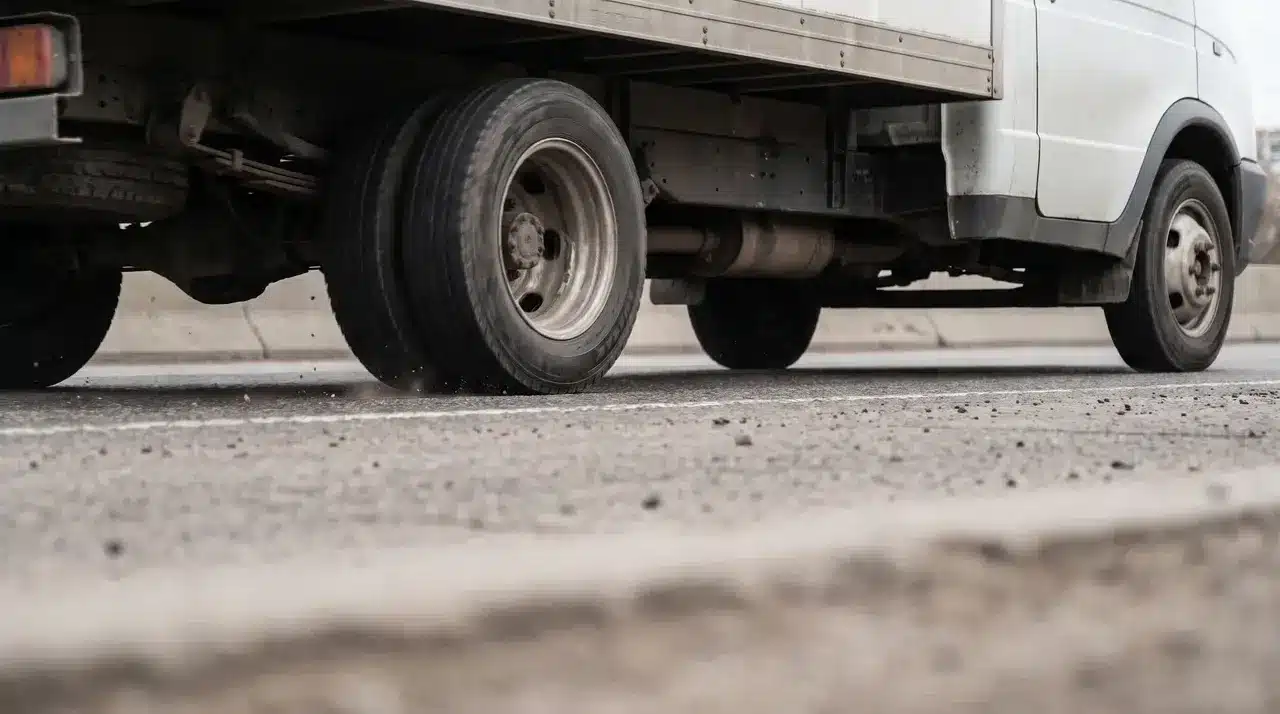
Ground shipping means your package travels mainly by truck, van, or train instead of flying. When a checkout page offers “ground” shipping, your package usually stays on the road for most or all of its trip.
Ground shipping is not one company’s specific service. UPS Ground, FedEx Ground, and USPS Ground Advantage are different carrier services built around the same basic shipping method.
Each carrier has its own trucks, hubs, routes, and delivery schedules. The networks differ, but the basic idea stays the same.
This also explains why “standard shipping” at checkout can be confusing. In many cases, it is simply the retailer’s name for the ground service they use by default.
You may not be choosing between two completely different shipping methods. Sometimes you are seeing the same general type of delivery described with different labels.
What Does Ground Shipping Include?
Two things decide whether ground shipping works for your package: how it travels, and how much it weighs. Let’s take them one at a time.
How a Package Moves Through the Network
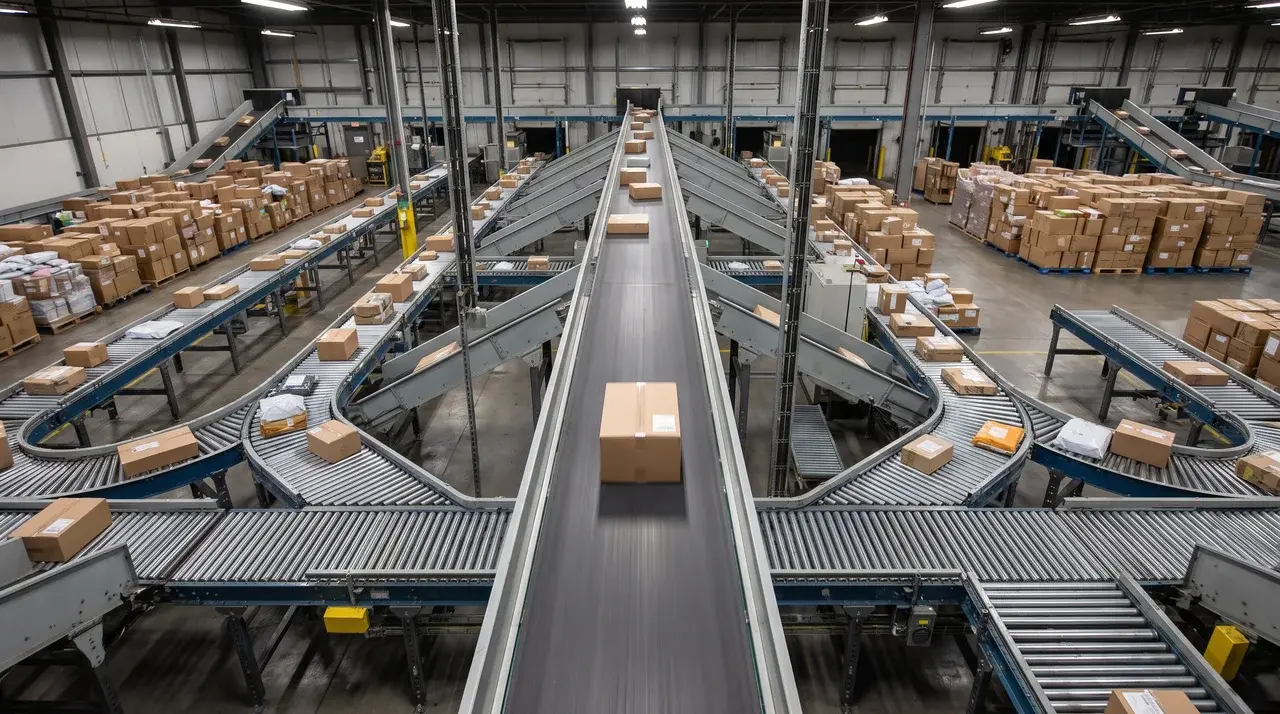
A ground package does not usually travel straight from the seller to your door. It moves through a series of sorting hubs, often using a hub-and-spoke system where each location receives packages, sorts them, and sends them toward the next stop.
The process usually looks like this:
- Pickup: A carrier collects the package from the seller and takes it into the shipping network.
- Regional Sorting Hubs: The package moves through one or more hubs where it gets sorted based on its destination. Local shipments may only pass through a few locations, while longer shipments can move through several hubs.
- Transit Between Hubs: Trucks or trains carry the package between sorting centers. The travel time depends on how many stops are needed before it reaches the final area.
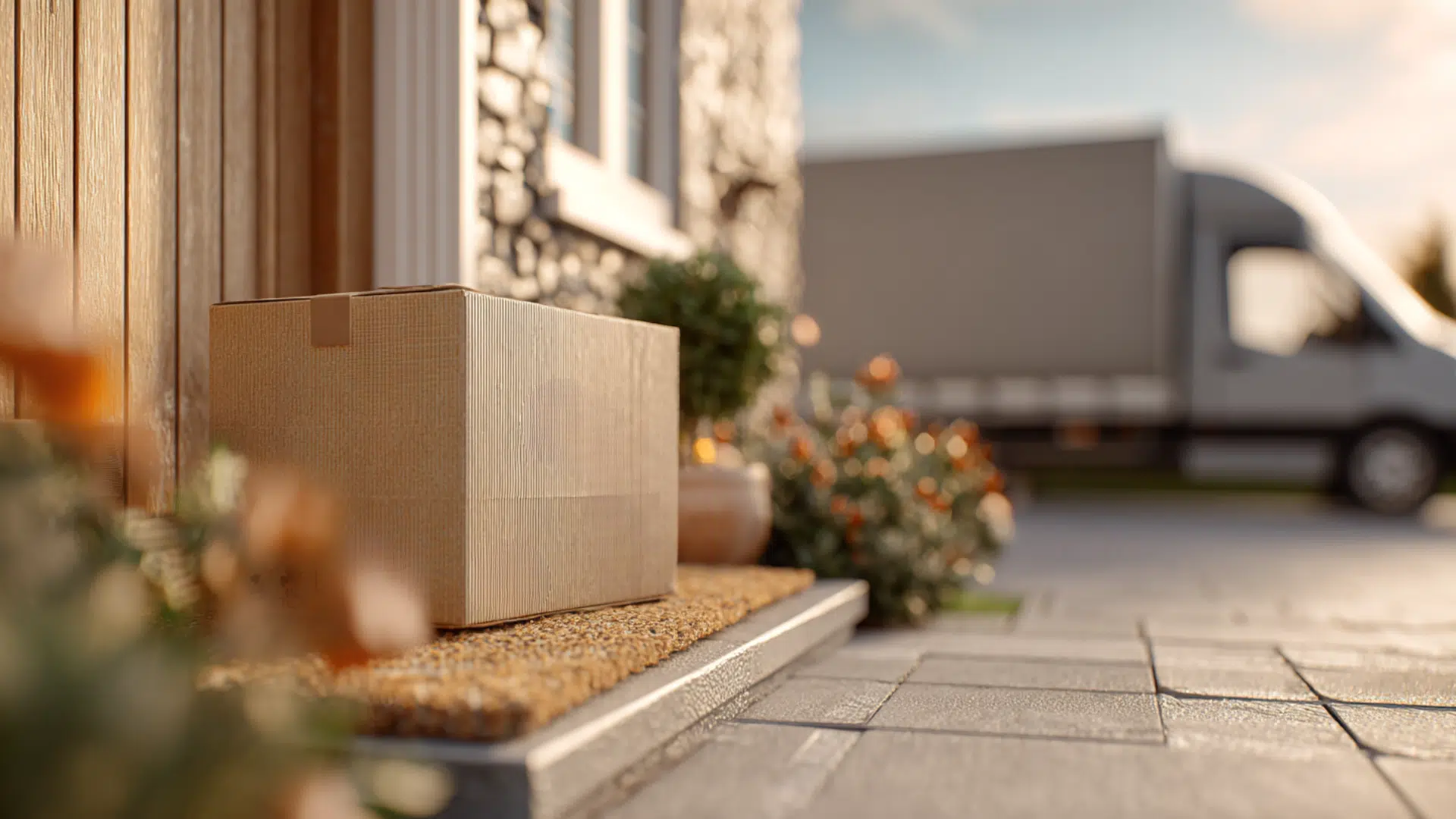
- Last-Mile Delivery: The nearest local hub sends the package with a driver who delivers it to your door.
The delivery window is based on this movement, not because trucks move slower on longer routes. A package traveling across the country simply has more stops and transfers along the way.
In my experience, most delays happen during these handoffs. If a package reaches a hub after the daily sorting cutoff, it may sit there until the next run. Nothing is wrong with the shipment. The timing just missed that day’s departure.
Weight Limits and Major Providers
Weight is the other thing that decides where your package can go. Here’s how the big three carriers stack up.
- UPS Ground and FedEx Ground both take packages up to 150 pounds. That covers most retail orders, including furniture and small appliances.
- USPS Ground Advantage tops out at 70 pounds. It’s built for postal-sized parcels, not freight-sized loads.
- Go over either limit, and standard ground service is off the table. You’re looking at freight shipping instead.
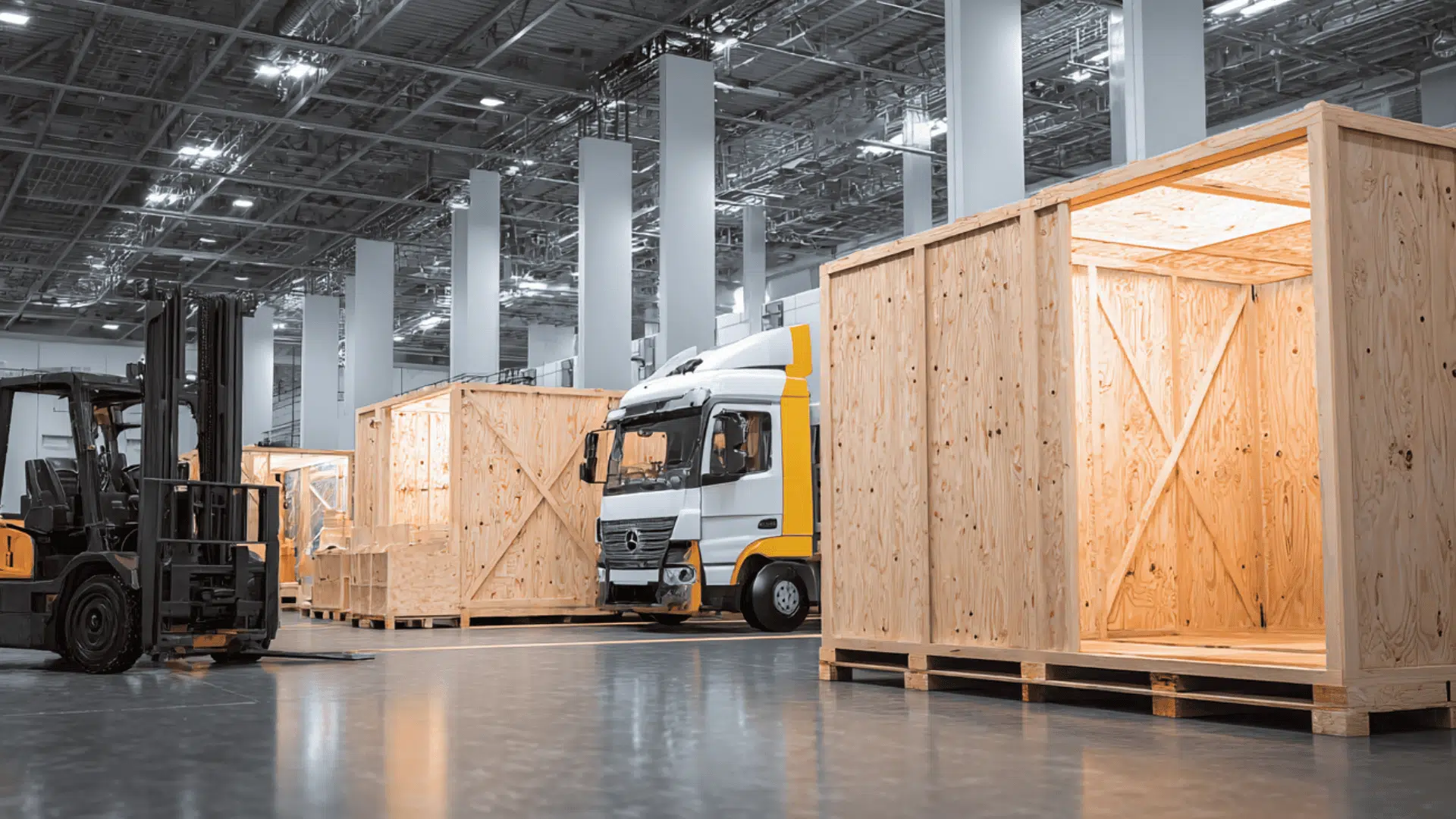
If you’re shipping something heavy, this is the number to check first. Freight uses different pricing and different handling, usually on pallets instead of individual boxes.
How Long Does Ground Shipping Usually Take?
I get asked this more than almost anything else, so let’s get specific.
Ground shipping typically runs one to five business days, but where you land in that range depends on distance.
Shipping within your own region, say a few states over, usually takes one to two business days. Your package barely touches the network before it’s out for delivery.
Mid-distance shipments, crossing a handful of states, tend to land around two to three business days. That’s the range most online orders actually fall into.
Coast-to-coast shipments are the slow end. Those regularly take four to five business days, sometimes creeping past that during peak seasons like the holidays.
Here’s something worth knowing: that countdown only runs on business days. If your package ships out Friday, the weekend doesn’t count, so don’t panic when tracking looks stalled on a Saturday.
In my experience, the carrier matters less than the distance. UPS Ground, FedEx Ground, and USPS Ground Advantage all land in roughly the same window for a given trip length.
If you need something faster than this, ground isn’t the right tool. That’s what express and overnight options exist for, at a higher price.
What Ground Shipping Is Not
Let me clear up a few things people mix up, because I hear these mistakes constantly.
First, ground shipping isn’t a brand. It’s a method. UPS, FedEx, and USPS each run their own version, and none of them owns the term.
Second, it’s not the same as express or overnight shipping. Those go by air specifically to shave off time. Ground stays on the road the whole way, which is exactly what keeps it cheap.
Third and this one catches people off guard; the delivery window isn’t a guarantee. It’s an estimate, based on typical hub processing and distance.
So if your ground package runs a day past its window, don’t panic. In my experience, that usually just means it caught an extra sorting cycle at a hub, not that anything actually went wrong.
Why Ground Shipping Matters
Here’s my stance, plain and simple: for most shipments, ground is the smart default, not the cheap fallback.
It avoids the fuel and handling costs that come with flying packages around. Planes cost more to run per package, and that cost gets passed straight to you.
That’s the whole trade-off in one line. You wait a bit longer, and you skip paying for speed you probably don’t need.
If you’ve ever wondered why “standard shipping” is always the cheapest checkout option, this is why. Retailers default to ground because it’s the option most people are actually fine waiting for.
Wrapping Up
Here’s what I want you to take away from all this: ground shipping is a method, not a brand. UPS, FedEx, and USPS each run their own version of it under their own name.
That hub-and-hub structure is why delivery windows stretch from one day to five, and why a shipment can run a day late without anything going wrong. It’s also why “standard shipping” at checkout is usually just ground shipping wearing a different label.
It costs less because it skips the surcharges that come with flying. That’s exactly why it’s still the default choice for most packages moving across the country.
Frequently Asked Questions
What is meant by ground shipping?
Ground shipping means sending a package by truck, van, or train instead of by air. It’s the go-to method for most domestic deliveries because it costs less than flying packages. UPS, FedEx, and USPS each run their own ground service under a different name.
How long does ground shipping take?
Most ground shipments arrive in one to five business days within the continental U.S. The exact time depends on how far the package travels between hubs. Longer distances mean more sorting stops, which is why cross-country shipments usually land at the slower end.
Is ground shipping FedEx or UPS?
It’s neither one exclusively. Ground shipping is a shared category, and both FedEx and UPS run their own programs: FedEx Ground and UPS Ground. USPS has a similar option called Ground Advantage. All three move packages by truck, not air.
Is ground shipping faster than standard shipping?
Usually not, because they’re often the exact same thing. Most retailers use “standard shipping” as their checkout label for whatever ground service they use. Real speed differences only show up when you compare ground to air-based express options.