When people hear the term general freight trucking, they often assume it simply means “regular trucking.” Others think it covers any load moved by truck. That’s close, but not quite right.
The term isn’t casual. It has a specific operational and regulatory meaning, and that meaning depends on how freight is handled, not just what it is. That distinction matters more than most people realize.
I’ve seen a lot of people get confused about what counts, what doesn’t, and how it’s classified. Today, I’ll clear all that up. I will show you how handling requirements shape equipment, operations, and even industry codes.
Let’s start with the basics.
What is General Freight Trucking?
General freight trucking refers to the transportation of non-specialized, packaged goods that do not require special handling, temperature control, or hazardous material protocols.
This category includes freight that can be safely loaded, secured, transported, and unloaded using standard enclosed equipment without environmental controls or special permits.
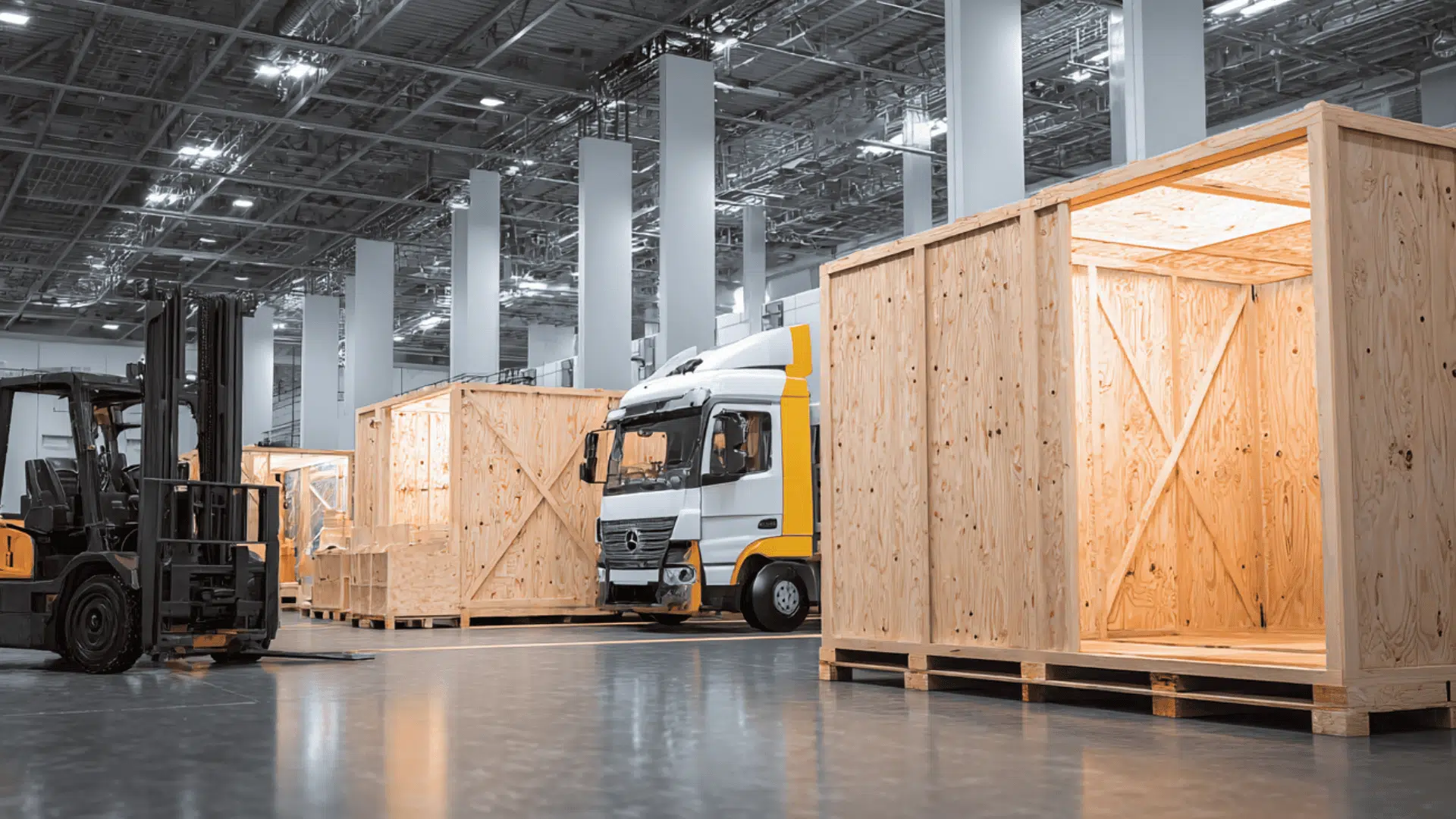
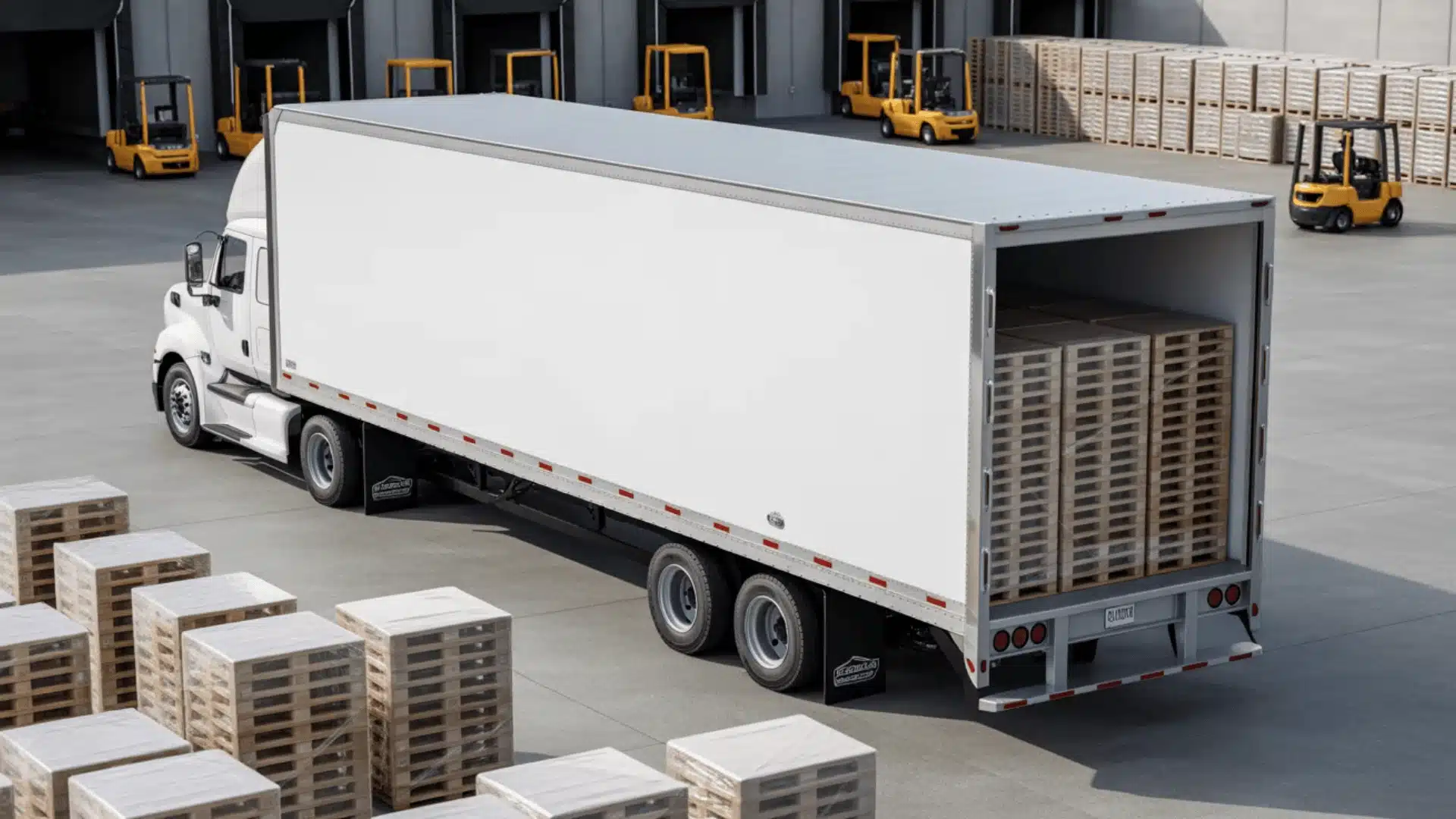
Most general freight is palletized, meaning it’s stacked on standardized wooden or plastic pallets, wrapped, and moved with forklifts. Palletization reduces handling complexity and allows freight to move efficiently through warehouses, terminals, and trailers without custom procedures.
Here’s the structural logic:
- Freight does not require special handling
- That allows standard equipment
- Standard equipment supports scalable operations
- That operational model defines the classification
General freight trucking is defined by handling simplicity, not by randomness or size.
A common misunderstanding is that “general” means miscellaneous. It doesn’t. It means standardized and non-specialized.
This category operates across local and long-distance routes and includes both full truckload and less-than-truckload services. The defining feature, though, stays the same: no special environmental, safety, or dimensional handling requirements.
What Types of Cargo Count as General Freight?
General freight is defined less by what the product is and more by how it must be handled during transport.
If a shipment can move in a standard dry-van trailer without special controls or permits, it usually falls into the general freight category.
| General Freight Examples | Why They Qualify | Freight That Does Not Qualify | Why It’s Excluded |
|---|---|---|---|
| Packaged consumer goods | Standard palletized cargo | Refrigerated food | Requires temperature control |
| Furniture | No special handling required | Hazardous materials | Requires placards and safety protocols |
| Paper products | Dry goods are shipped in enclosed trailers | Liquid bulk | Requires tanker equipment |
| Machinery parts | Fits within legal weight and size limits | Oversized loads | Requires permits and route planning |
| Retail merchandise | Normal palletized freight | Heavy haul cargo | Requires specialized trailers |
| Electronics (non-sensitive) | No environmental control required | Temperature-sensitive pharmaceuticals | Requires monitoring systems |
The dividing line is handling complexity. Once freight requires temperature control, specialized containment, regulatory placards, or oversized permits, it moves out of the general freight category.
Why Handling Requirements Determine the Classification
Freight characteristics determine handling needs. Handling needs determine equipment. Equipment and operational structure determine industry classification.
It works in this sequence:
Freight characteristics → Handling requirements → Equipment type → Operational model → NAICS code
If freight requires no special environmental controls, no hazard management, and no structural modifications to the trailer, then standard enclosed equipment is sufficient.
That’s why dry vans dominate this category. Not because dry vans define general freight, but because general freight doesn’t demand anything more complex.
Some people assume dry van trucking is the same as general freight. The truth runs the other direction. Dry vans are commonly used because the freight itself does not require specialized systems.
Standardization also reduces operational variability. When freight is palletized and non-sensitive, it can move through:
- Cross-dock terminals
- Consolidation hubs
- Line-haul networks
That scalable, standardized structure is what makes it “general.”
When freight requires temperature stability, chemical containment, or special dimensional permits, the handling model changes. Once the handling model changes, the classification changes with it.
The freight defines the system. The system does not define the freight.
What Equipment is Typically Used in General Freight Trucking?
The equipment used in general freight trucking reflects the simplicity of the cargo itself. Because these shipments do not require temperature control, hazardous containment, or specialized permits, carriers rely on equipment designed for standard, flexible freight movement.
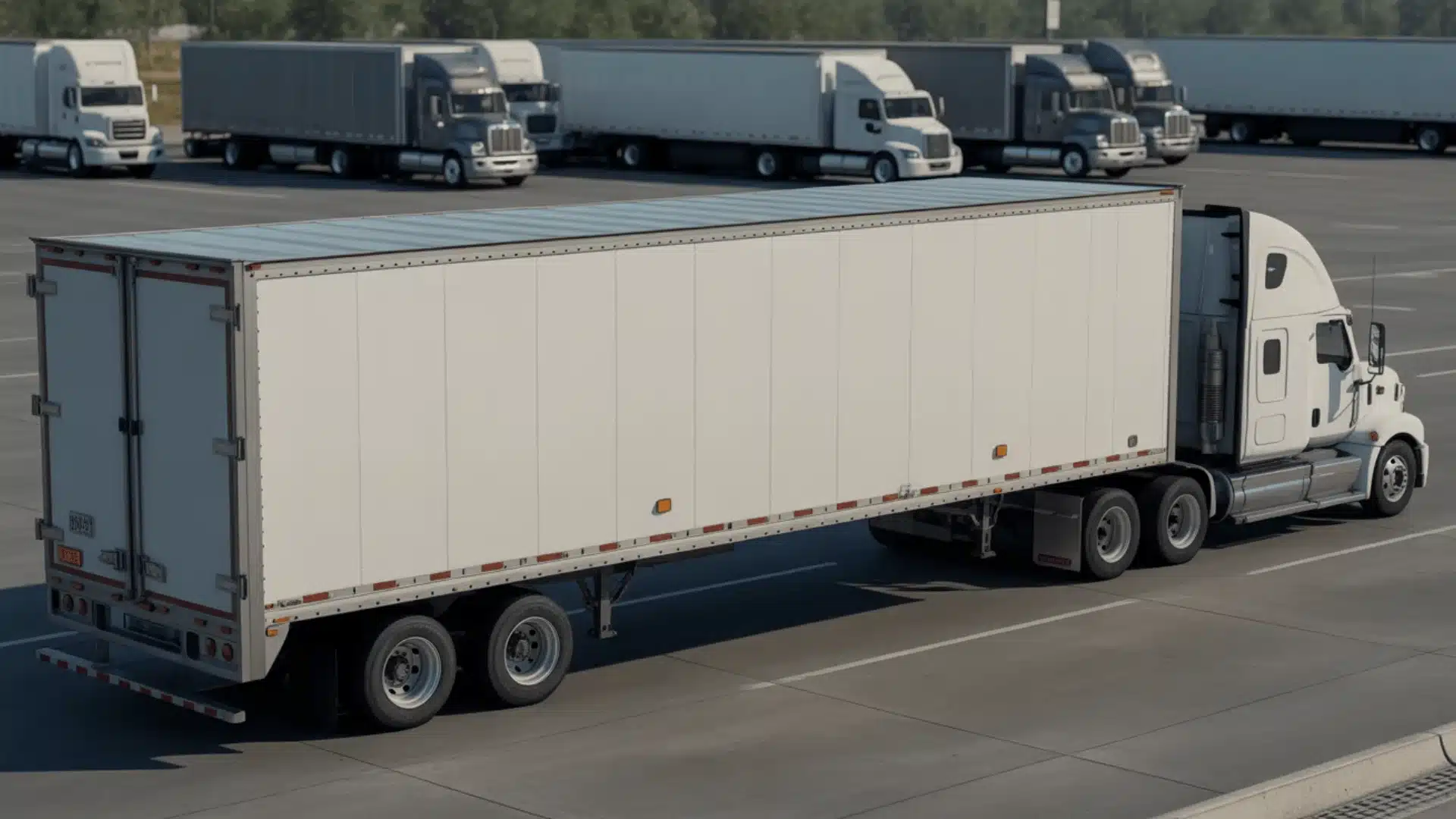
The 53-foot dry van is the most common trailer used in general freight trucking. It dominates for practical reasons. The trailer is fully enclosed, protects cargo from weather, and offers high cubic capacity for palletized shipments.
Its design works well for both full truckload and less-than-truckload operations, allowing carriers to move large volumes efficiently while keeping handling procedures simple.
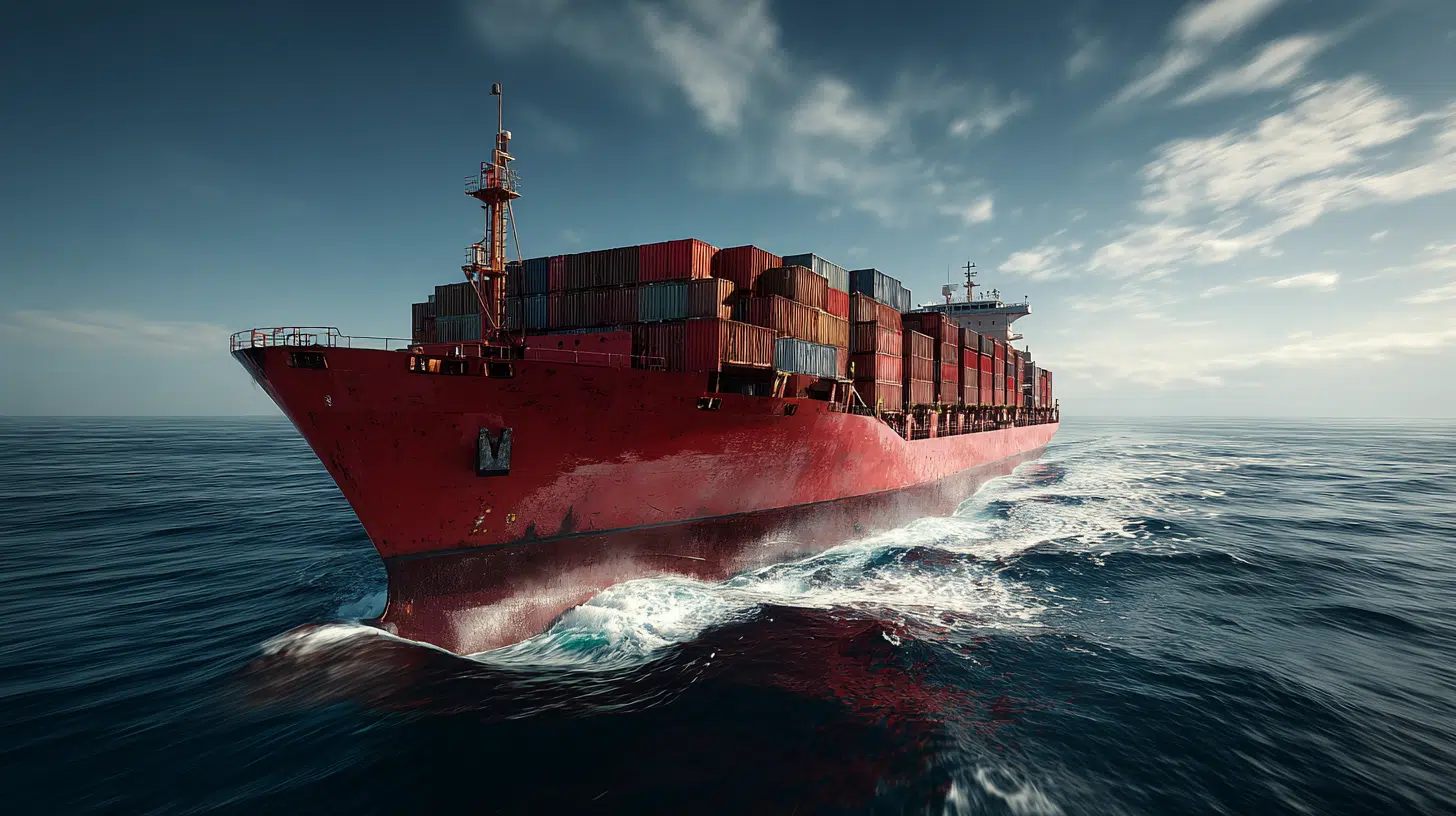
General freight also moves in standardized intermodal containers. These containers can be transferred between trucks, rail, and ship without unloading the cargo.
Intermodal transport changes the routing structure, but the freight itself remains the same because it still requires only enclosure and basic securement.
Some equipment falls outside the general freight category because it introduces additional handling requirements:
- Refrigerated trailers that require temperature control and monitoring
- Tanker trailers designed for liquid bulk transport
- Specialized flatbeds are used for oversized or heavy-haul cargo
Once freight requires additional environmental controls, containment systems, or dimensional permits, it moves into specialized trucking categories rather than general freight.
What is the Difference Between FTL and LTL in General Freight?
Full truckload (FTL) and less-than-truckload (LTL) describe how freight is moved, not what the freight is. Both operate within general freight trucking because the cargo itself still follows standard handling requirements.
| Aspect | Full Truckload (FTL) | Less-Than-Truckload (LTL) |
|---|---|---|
| Shipment structure | One shipper uses the entire trailer | Multiple shippers share trailer space |
| Routing style | Direct movement from origin to destination | Freight moves through terminal and consolidation networks |
| Handling points | Few handling points with minimal transfers | Multiple handling points through sorting and consolidation |
| Transit pattern | Typically faster due to direct routing | Transit times may vary due to network routing |
| Best suited for | Large shipments that fill most or all of a trailer | Smaller shipments that do not require a full trailer |
| Freight classification | Remains general freight | Remains general freight |
The core difference between FTL and LTL lies in logistics structure and routing complexity. The freight itself does not change category.
It remains general freight because it does not require specialized handling, environmental control, or regulatory procedures.
How is General Freight Trucking Classified Under NAICS?

In the United States, industries are organized using the North American Industry Classification System (NAICS). These codes are used by government agencies, analysts, and businesses to classify economic activity.
General freight trucking falls under NAICS 4841, which covers companies primarily engaged in transporting standard freight by truck.
NAICS 4841 Overview
NAICS 4841 includes establishments that transport general freight using trucks. The purpose of this category is to separate standard freight transportation from specialized trucking sectors.
The key distinction comes down to how requirements are handled. If freight requires refrigeration, hazardous material protocols, or oversized load permits, it falls into a different classification.
General freight involves cargo that can move using standard dry-van equipment and routine handling procedures.
48411 (Local) vs. 48412 (Long-Distance)
Within the general freight category, NAICS divides operations based on distance and routing patterns.
NAICS 48411 covers local general freight trucking. These operations typically move freight within a metropolitan area or nearby region. Trucks usually return to their base the same day and focus on regional distribution and local deliveries.
NAICS 48412 covers long-distance general freight trucking. These operations move freight between metropolitan areas and often cross state lines. Routes may involve multi-day trips and longer transportation networks.
The key point is that distance changes the operational classification, not the type of freight.
484122 (Long-Distance LTL)
NAICS 484122 specifically refers to long-distance less-than-truckload (LTL) general freight trucking. In this model, carriers transport smaller shipments from multiple customers in a shared trailer across long distances.
This adds network complexity through terminals, consolidation hubs, and routing systems. However, the freight itself still remains general freight.
A common misunderstanding is that longer distances change the nature of the freight being transported. In reality, the freight type stays the same. Only the industry classification and operational structure change.
What General Freight Trucking is Not
Understanding general freight also means knowing what falls outside this category. Certain types of cargo require specialized equipment, permits, or handling procedures that move them into different freight classifications.
- Refrigerated freight: Loads that require controlled temperatures are classified as refrigerated or “reefer” freight. These shipments depend on cooling units, temperature monitoring, and strict handling protocols to protect perishable goods.
- Hazardous materials: Freight containing chemicals, flammable substances, or other regulated materials is considered hazmat. This requires special licensing, placards, regulatory documentation, and strict safety procedures.
- Oversized and heavy haul loads: Cargo that exceeds standard trailer dimensions or weight limits is classified as oversized freight. These shipments often require special permits, escort vehicles, and detailed route planning.
Once a shipment requires specialized equipment, regulatory compliance, or handling beyond standard dry freight procedures, it no longer fits within the general freight trucking category.
Wrapping Up
Understanding general freight trucking becomes straightforward when you focus on handling requirements rather than labels.
The category is defined by what freight does not require: no temperature control, no hazardous management, no structural modification.
From there, equipment, service models, and NAICS classifications follow logically. When you look at it through that mechanism, most of the confusion fades.
If you’re evaluating freight, entering the industry, or analyzing classification, start with the handling question. That one detail will guide everything else.
Frequently Asked Questions
What is considered general freight trucking?
It is the transportation of non-specialized, dry, packaged goods that do not require temperature control, hazardous material handling, or oversized permits.
Is a dry van considered general freight?
Dry vans are commonly used for general freight because the freight does not require special handling. The freight defines the category, not the trailer alone.
What is the NAICS code for general freight trucking?
The primary code is 4841, with subcategories including 48411 (local), 48412 (long-distance), and 484122 (long-distance LTL).
What counts as general freight?
Packaged, palletized, non-hazardous goods that can move in standard enclosed equipment without environmental or regulatory specialization.