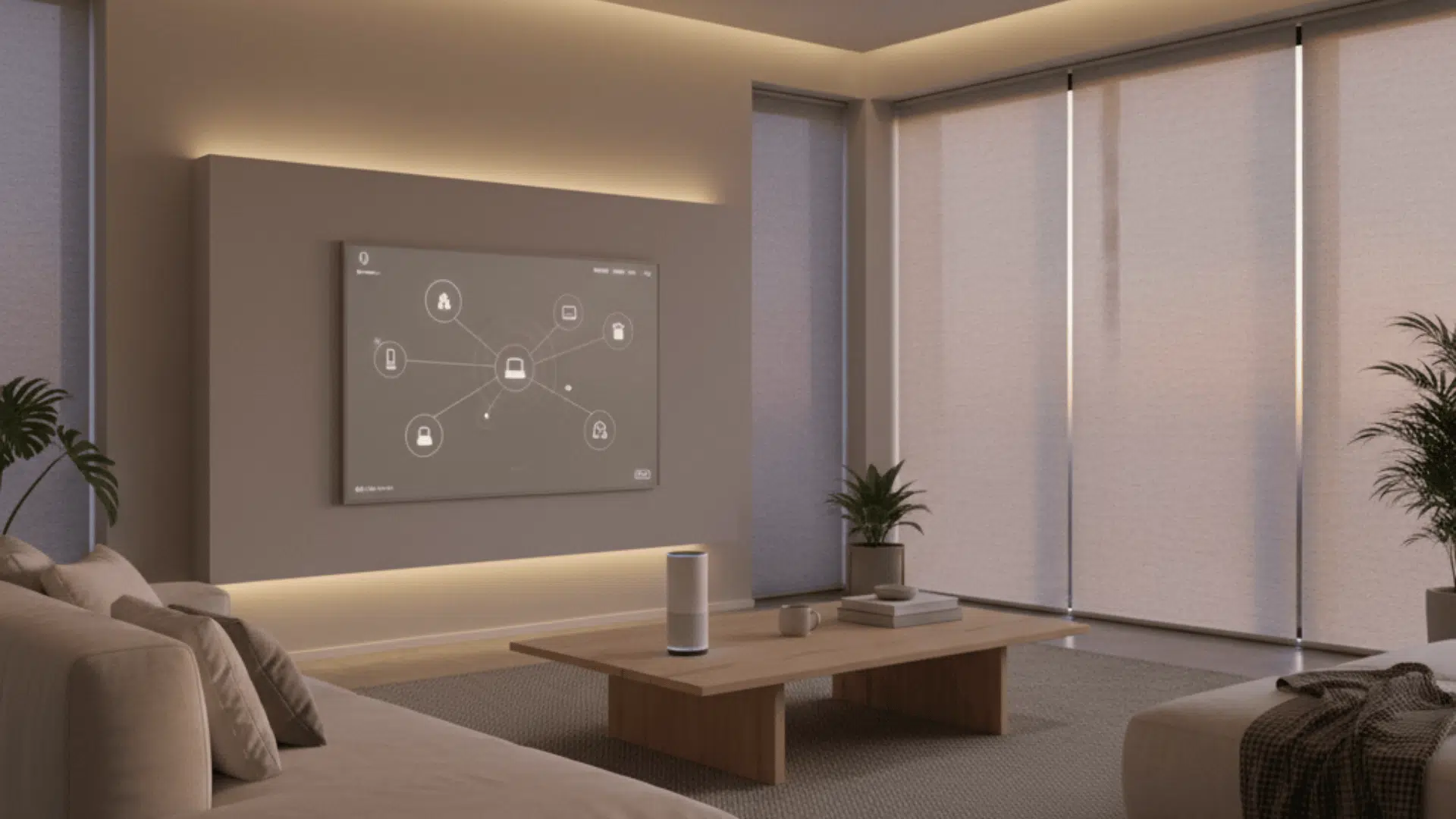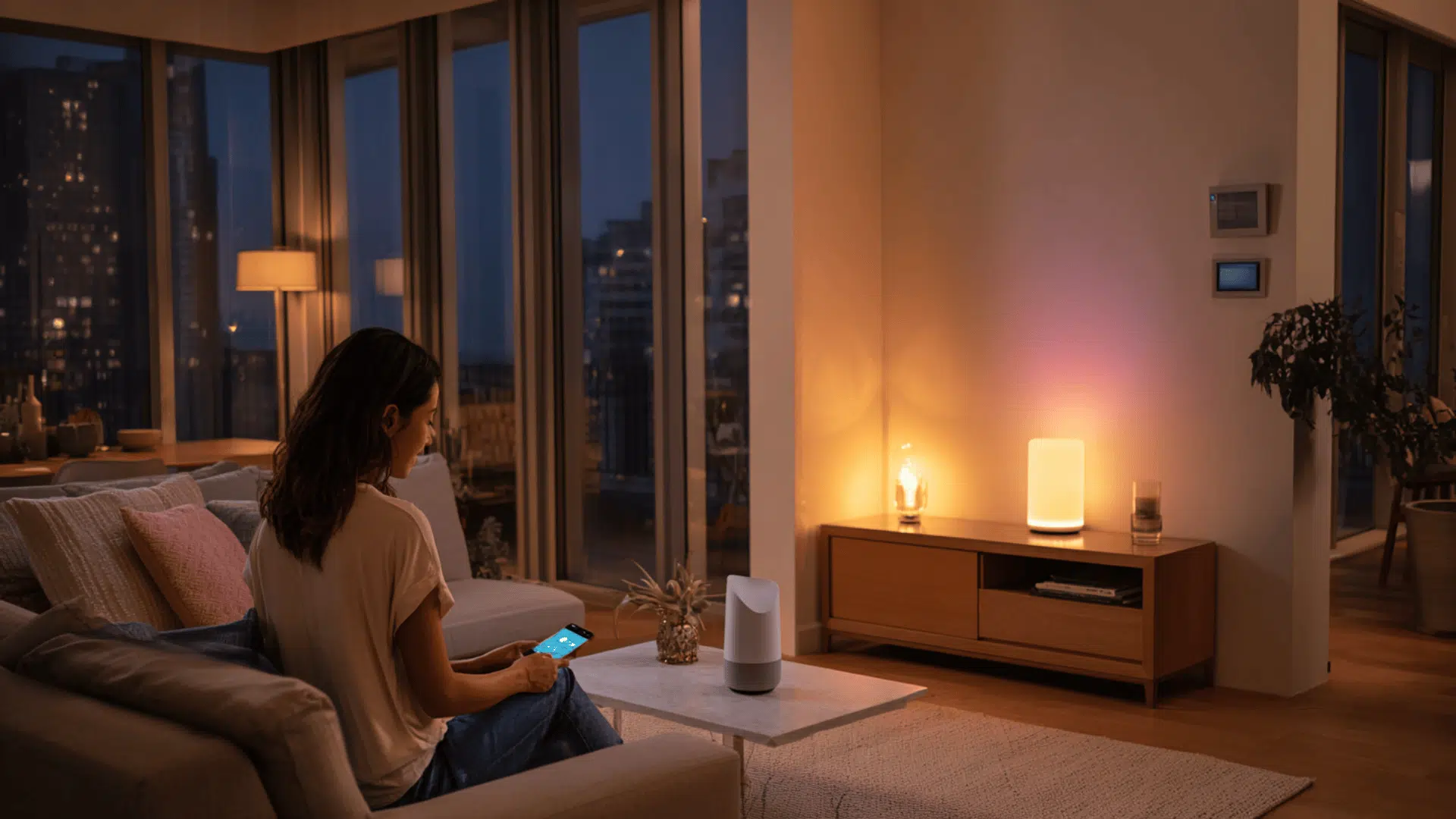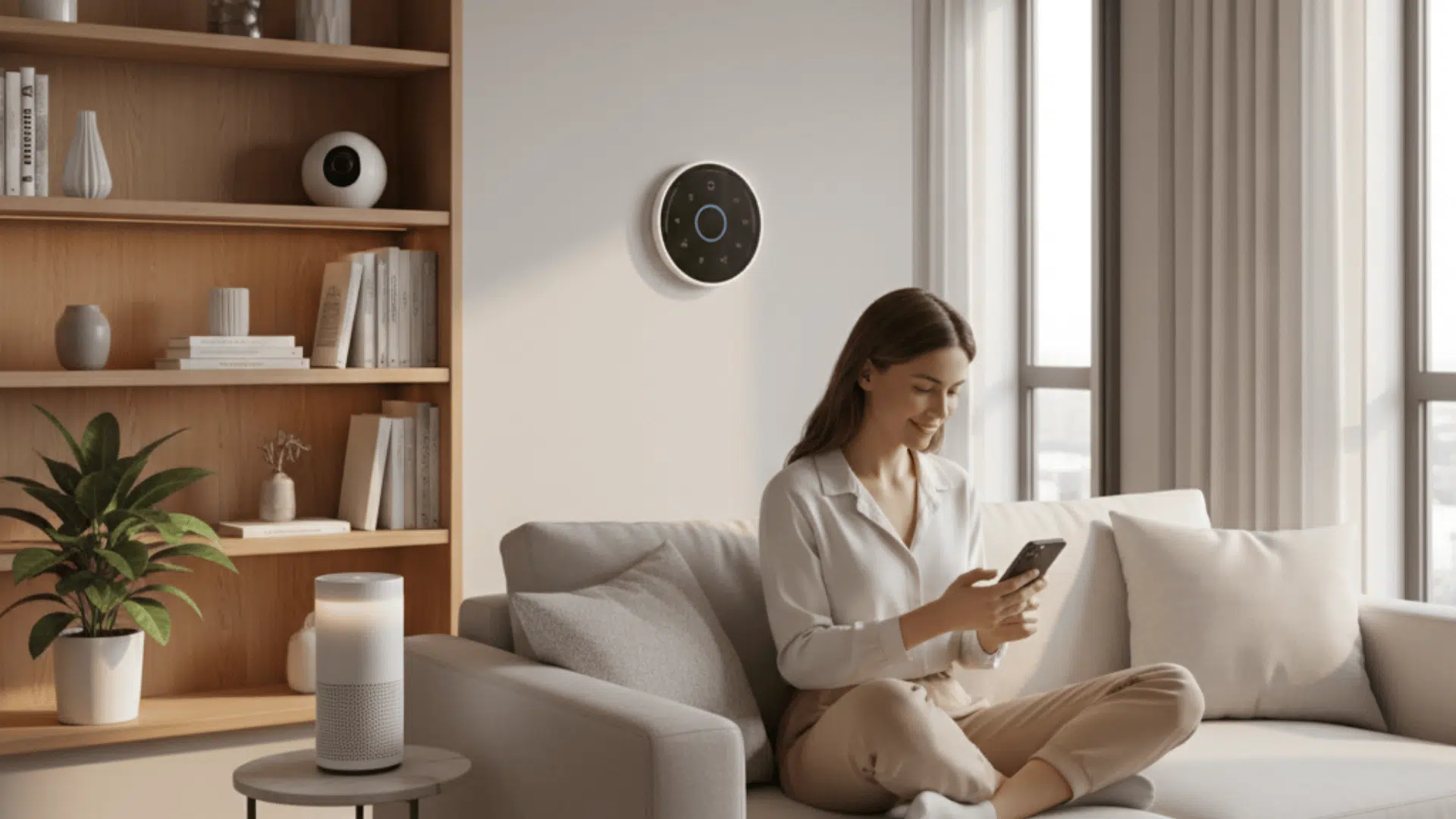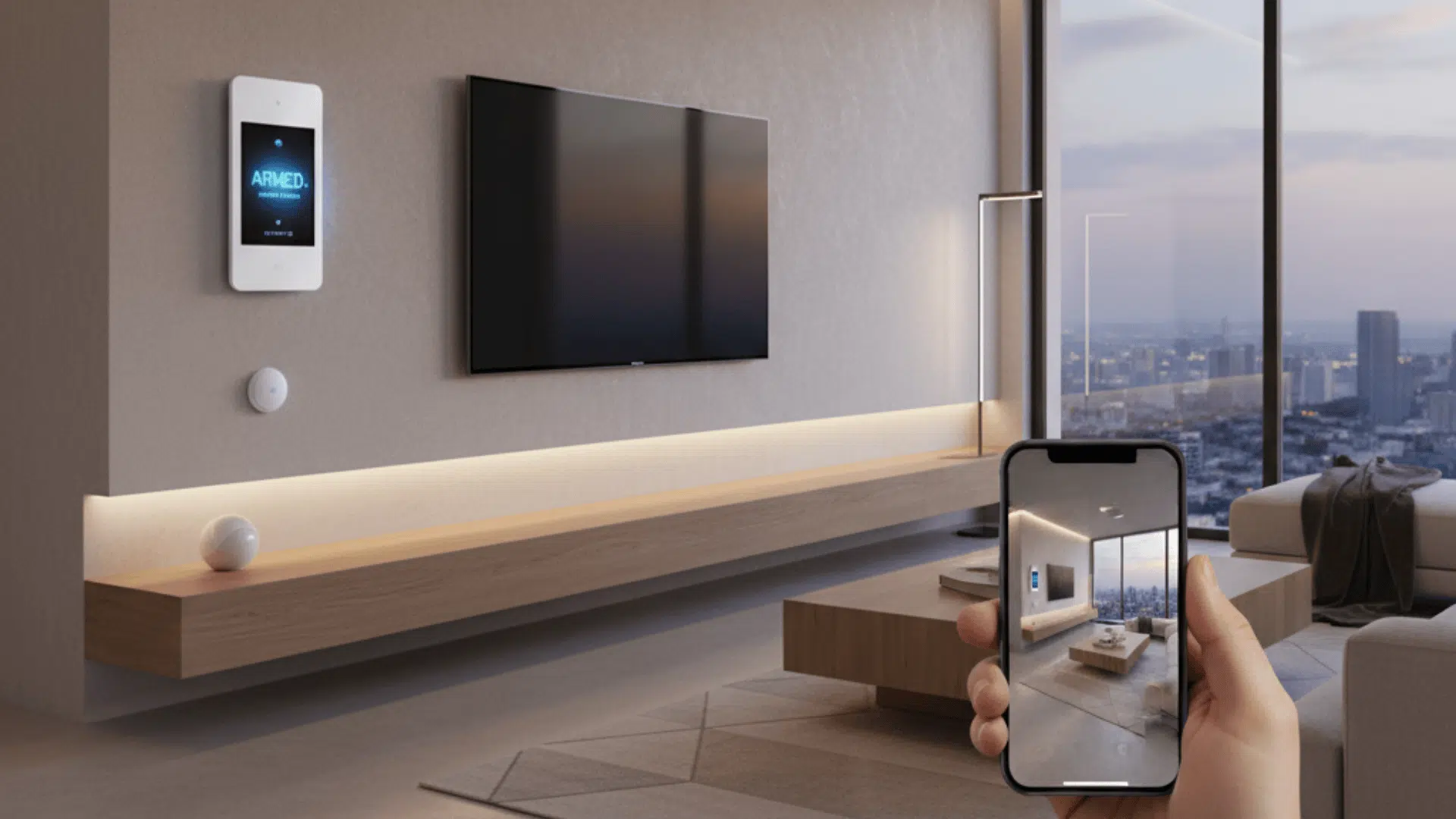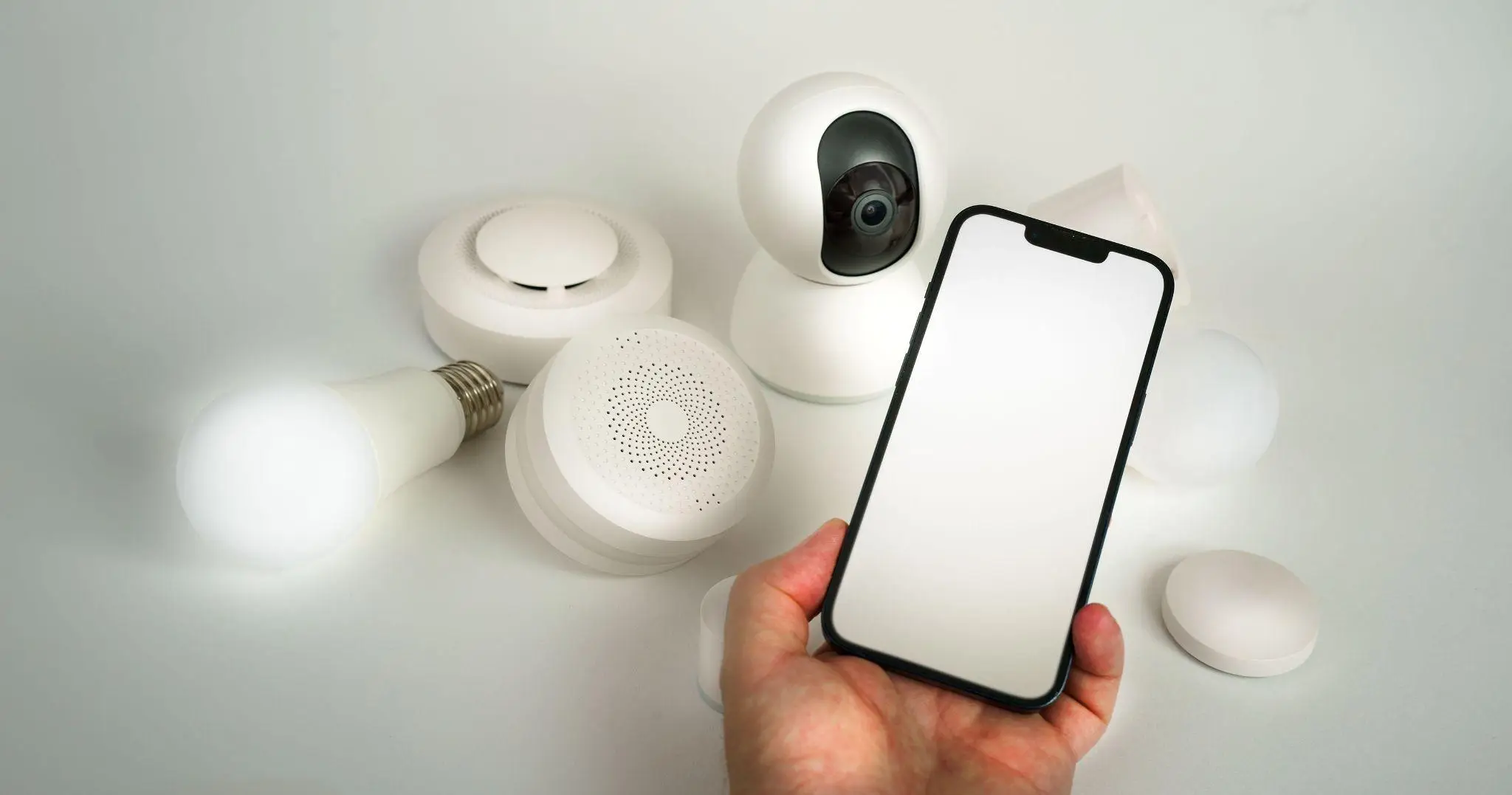
Smart homes changed how people interact with their living spaces. Lights respond to voice prompts, thermostats adjust without manual input, and security systems push instant alerts to mobile phones. These innovations simplified daily routines and handed homeowners direct control over their physical environments.
Yet the next shift in everyday consumer tech isn’t happening inside the four walls of a house. Instead, technology is growing increasingly personal, portable, and responsive to what happens once someone steps out the front door.
From context-aware assistants to connected wearables and smart appliances, upcoming tools are blurring the boundaries between high-tech gadgets and standard household items.
From Connected Homes to Connected Lives
Early smart-home technology focused on linking devices within a single property. You used a smartphone to adjust a light bulb, view a security camera feed, or program a thermostat schedule.
The next generation focuses on connections that move alongside users throughout their day.
People are moving into integrated hardware ecosystems, not looking at tech as a bunch of discrete devices. A phone, smartwatch, vehicle, digital assistant and wearable accessory can all do different things, sharing data over common platforms.
This shift lowers the effort required to complete routine tasks. A person might head outside with a phone in their pocket while relying on a wearable accessory to navigate streets, take calls, or record quick notes. Upon returning, connected home appliances and lighting resume supporting their evening routine.
AI Is Moving Closer to the User
Artificial intelligence plays a central role in this evolution.
Instead of having to open an app and type in a query, new hardware lets people get their hands on information on demand, with voice interfaces, built-in cameras and environmental sensors.That makes the interactions feel less like you are working with a computer and more like a natural conversation.
On-device AI helps users answer questions, recognize objects, translate foreign text on the fly, manage reminders, or provide helpful context on the move. The main takeaway isn’t just that devices contain software algorithms; it is that helpful software is now built directly into items people already carry every day.
Wearable Technology Could Become More Practical

Smartwatches and fitness trackers proved long ago that functional tech doesn’t need to stay glued to a desk or locked inside a handheld screen. Next-gen wearables are expanding those capabilities into everyday fashion accessories.
Eyewear offers a prime example. Modern frame designs blend classic style with integrated hardware, including microscopic cameras, open-ear audio, microphones, and intelligent virtual assistants. Users can snap photo memories, streams music, handle phone calls, and query AI assistants without fishing a smartphone out of a bag.
For readers curious to check out how this emerging space is taking shape, camera glasses with AI show how classic everyday accessories can handle duties that used to require three separate handheld devices.
It comes down to natural convenience. A camera positioned at eye level captures authentic first-person perspectives that a handheld camera phone can’t match. Meanwhile, directional audio speakers keep hands completely free while keeping the wearer aware of surrounding traffic or noise.
These wearables won’t replace mobile phones entirely. Rather, they show how specific daily actions are slowly shifting away from flat glass screens.
The Home Will Still Matter
Even as personal tech becomes mobile, residential automation won’t fade away. Instead, residences will anchor a much broader connected ecosystem.
Consider a normal weekday. Someone might wear a tracking device while running morning errands, check a phone during a train commute, and step back into a house that automatically balances ambient lighting, internal temperature, or security settings.
Individual devices don’t need to handle every function independently. Their true value comes from how seamlessly they exchange information.
It is flexible to different lifestyle needs. One person might be a remote employee who sets automated lighting schedules and climate controls during business hours, while a partner might be more focused on home security, media streaming or energy efficiency. The point is to not automate everything for the sake of automating, but to build an environment that looks and feels like real human habits.
Context Could Become More Important Than Commands
One of the biggest shifts in modern hardware is the transition from explicit manual commands to context awareness.
Traditional hardware sits idle until given direct input. You open an application, tap a button, and specify what you want done.
Context-aware systems draw on location data, time, current activity, and personal preferences to deliver relevant actions automatically.
A connected house might detect when a vehicle pulls into the driveway and light up the entry hall. A wearable interface might display local details based on what the user is currently observing. A car could sync with a phone to continue playing a podcast that was started in the kitchen. These moments rely on multiple hardware pieces sharing background context smoothly.
Privacy Will Become Part of the Design
More connected devices naturally create larger trails of personal data.
Microphones, lenses, personal phones, and connected appliances all gather details on how people navigate their lives. As hardware gets better at understanding context, questions surrounding personal data security become vital.
Users need clear answers about what data points get logged, where processing occurs, which remote servers receive details, and what control toggles exist.
This visibility matters most for hardware fitted with optics or audio receivers. Physical privacy shutters, visible LED recording lights, straightforward settings, and sensible usage habits help users stay in control of their personal space.
The long-term adoption of connected hardware will depend heavily on transparency and trust, not just raw technical features.
Simpler Technology May Be the Real Goal
It is easy to imagine a future filled with complicated gadgets in every room. In practice, the most valuable tech is often the kind people hardly notice.
A device that demands complex setups, continuous updates, and constant charging creates more hassle than value. Conversely, an item that performs a single task reliably blends into daily life without demanding constant oversight.
That is why everyday accessories are becoming popular bases for new tech. When helpful digital functions hide inside objects people already wear or use, tech feels far less intrusive.
The same concept applies to home systems. The best setup isn’t the one loaded with the highest device count. It is the one that simplifies everyday living without making daily routines complicated.
What the Next Wave Could Look Like
The future of everyday technology will feature fewer rigid boundaries. Living spaces, personal transport, handheld screens, fashion accessories, home appliances, and AI tools will function as part of a single continuous network.
Instead of debating whether a product counts as a phone accessory or a home automation tool, it makes more sense to ask what specific friction point it removes from your day.
That means tech will accompany people from room to room, during outdoor commutes, and across varied daily activities. Home automation was the initial step toward an interconnected lifestyle. The next phase brings those capabilities out into the wider world.
Ultimately, the goal isn’t to make every physical object smart. It is about making technology genuinely useful, accessible, and natural wherever life happens.