The floor in any home or commercial space carries every footstep, every movement, and every piece of furniture for decades on end.
Yet despite this constant duty, most property owners give very little thought to what makes a floor genuinely durable, comfortable, and built to last beyond its first few years.
A truly high-performance floor is never just about what you see on the surface, no matter how beautiful that finish might look on installation day.
The strongest, longest-lasting floors are built as complete systems where the layers below ground level matter just as much as the layer everyone walks on each day.
Why Floors Deserve More Thought Than They Usually Get
Walk through any older home or ageing commercial building, and the signs of neglected floor systems quickly become obvious to anyone paying attention.
Cold draughts, hollow-sounding boards, peeling coatings, persistent moisture issues, and unexplained energy bills all point back to floors that were never given the layered attention they truly required.
Modern building science has made it abundantly clear that a floor is only ever as strong as its weakest individual layer.
Investing in only the visible surface while ignoring what sits beneath is a bit like buying a luxury car and forgetting to maintain the engine, since both halves work together to create the final result.
The Hidden Hero Beneath Your Feet
Beneath every suspended timber floor, raised slab, or elevated structure sits a subfloor cavity that quietly influences your comfort, energy bills, and indoor air quality.
This often forgotten space is where heat escapes during winter, where cool air leaks in during summer, and where moisture, dust, and pests can quietly take hold over time.
Traditional batt insulation has long been the default fix for these subfloor problems, but it can sag, gap, harbour pests, and lose much of its insulating power within just a few years.
As a result, many modern homeowners and builders are now turning to advanced spray foam systems that adhere directly to the underside of the floor for a far more permanent seal.
Spray foam expands into every joint, crack, and irregular surface to create one continuous, airtight, and moisture-resistant barrier across the entire underside of the floor.
Choosing professional under-floor spray foam insulation means working with experienced installers who understand correct application thickness, ventilation, and the specific climate conditions that affect long-term performance.
The benefits compound quickly, with most homes reporting noticeably warmer floors in winter, cooler interiors in summer, lower energy bills, and a significant reduction in draughts and dust.
There is also a meaningful environmental upside, since better-insulated homes use less energy for heating and cooling and quietly produce a much smaller annual carbon footprint.
Beyond comfort and savings, a properly applied spray foam barrier helps protect timber joists, pipes, and electrical services from the slow damage caused by humidity and temperature swings.
This protective effect can extend the structural lifespan of an entire floor by years, which often makes the upfront installation cost one of the smartest renovation decisions any property owner can make.
The Surface That Everyone Actually Sees
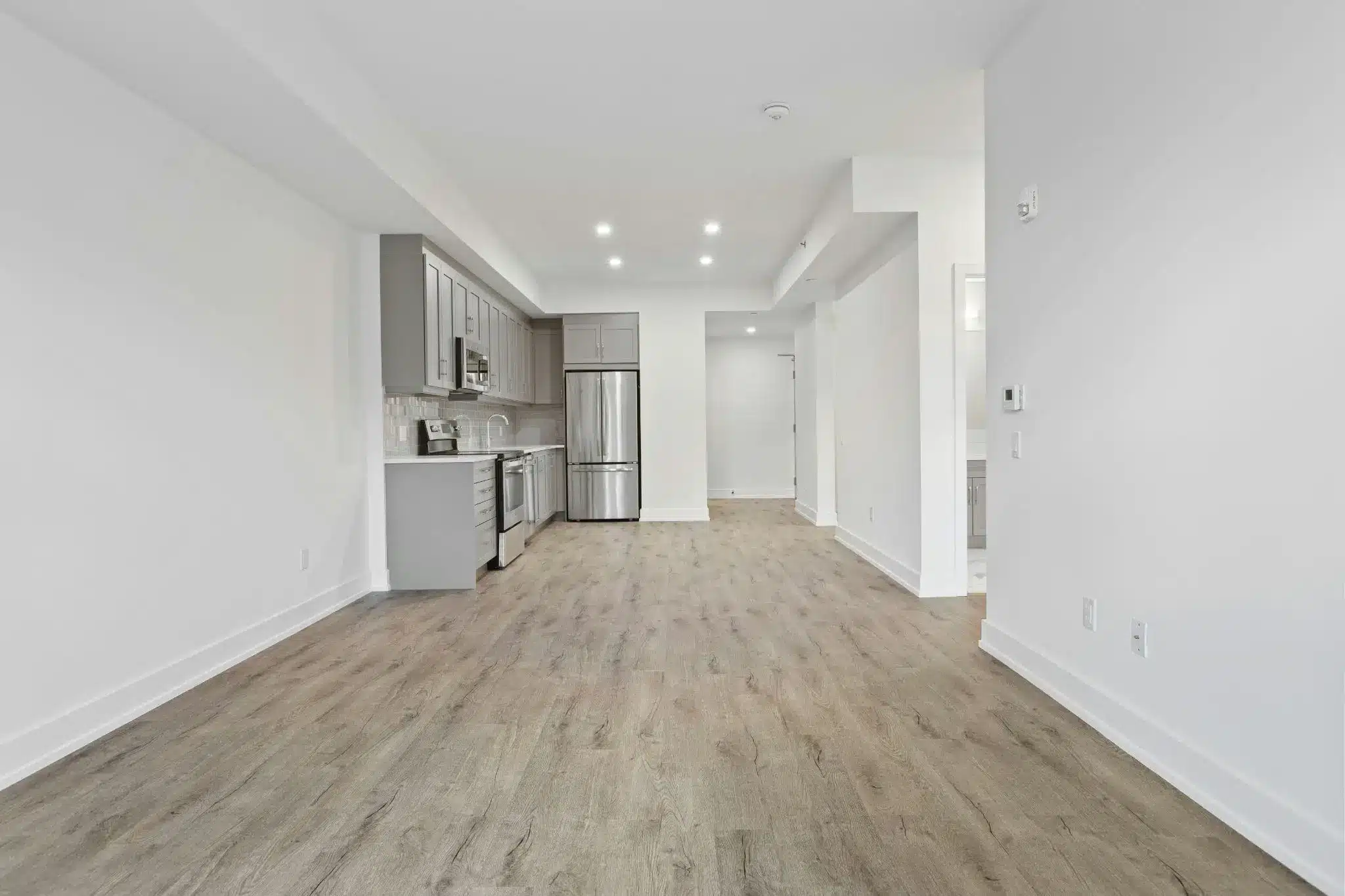
Once the underside of a floor is properly insulated and sealed, attention naturally shifts to the surface that families, employees, and customers interact with every single day.
The right surface treatment turns ordinary concrete or timber into a durable, attractive, and easy-to-maintain finish that genuinely elevates the look and feel of the entire space.
Raw concrete is one of the most common floor surfaces in garages, basements, workshops, retail spaces, and modern interior designs worldwide.
Without a quality protective coating, however, concrete absorbs spills, develops cracks, generates dust, and quickly looks tired despite being one of the most structurally durable building materials ever invented.
Modern concrete coating systems have completely transformed what a polished floor can look and feel like inside both residential and commercial properties.
Today’s options include epoxy, polyaspartic, polyurea, decorative flake, metallic, quartz, and stone resin systems that combine genuine durability with striking visual appeal in dozens of finishes and colours.
Each coating system suits a slightly different environment, with polyaspartic and polyurea systems curing fast for minimal downtime, flake systems offering slip-resistance for garages, and metallic finishes creating dramatic looks for showrooms and high-end interiors.
The right choice depends on traffic levels, exposure conditions, aesthetic goals, and the long-term maintenance expectations of the owner.
Choosing the right contractor matters just as much as choosing the right coating system, since proper concrete preparation accounts for most of the long-term success of any installation.
Experienced specialists like Raz-Barry construction demonstrate the kind of thorough surface grinding, crack repair, and moisture testing that separates a five-year coating from a fifteen-year one and quietly justifies the cost of working with true professionals.
Without proper grinding, profiling, and substrate evaluation, even the highest-grade coating product will eventually peel, bubble, or fail under pressure.
This is precisely why a reputable installer will always invest serious time in preparation work that an inexperienced contractor might be tempted to rush through to save labour and shorten the timeline.
Why Both Layers Matter Together
The most successful floor projects treat the subfloor and the surface as two halves of a single coordinated performance system.
Insulation alone cannot deliver a beautiful, durable finish, and even the most stunning surface coating cannot fix a cold, draughty, moisture-prone subfloor sitting quietly underneath the family’s feet.
When both layers are properly addressed by qualified specialists, the resulting floor genuinely performs across every meaningful metric, including comfort, durability, energy efficiency, hygiene, and appearance.
This whole-system approach is what separates floors that quietly age well over decades from floors that need constant patching, recoating, or full replacement within just a few years.
Choosing the Right Professionals for Each Layer
When selecting a contractor for either subfloor insulation or surface coating, prioritise experience, certifications, and a portfolio of long-term results over the cheapest available quote.
The right professional will offer transparent pricing, clear timelines, written warranties, and a willingness to walk you through their preparation process in plain, honest language.
It is also worth asking specific questions about products, application methods, curing times, and what kind of long-term maintenance the system will realistically need.
Trustworthy contractors are happy to answer these questions in detail, while less reliable operators tend to deflect, oversimplify, or push for quick decisions before you have time to think things through.
A Floor Worth Standing On
Building or upgrading a floor is one of the most consequential investments any property owner can make in long-term comfort and value.
The decisions made beneath the surface and on top of it will quietly shape daily life, energy bills, and aesthetic enjoyment for many years and often decades to come.
Whether you are building from scratch, restoring an older property, or upgrading a tired commercial space, the right combination of professional underfloor insulation and quality surface coatings transforms an overlooked utility into a genuine long-term asset.
Treat both layers with the attention they deserve, and the floor beneath your feet will quietly reward you for many years to come.