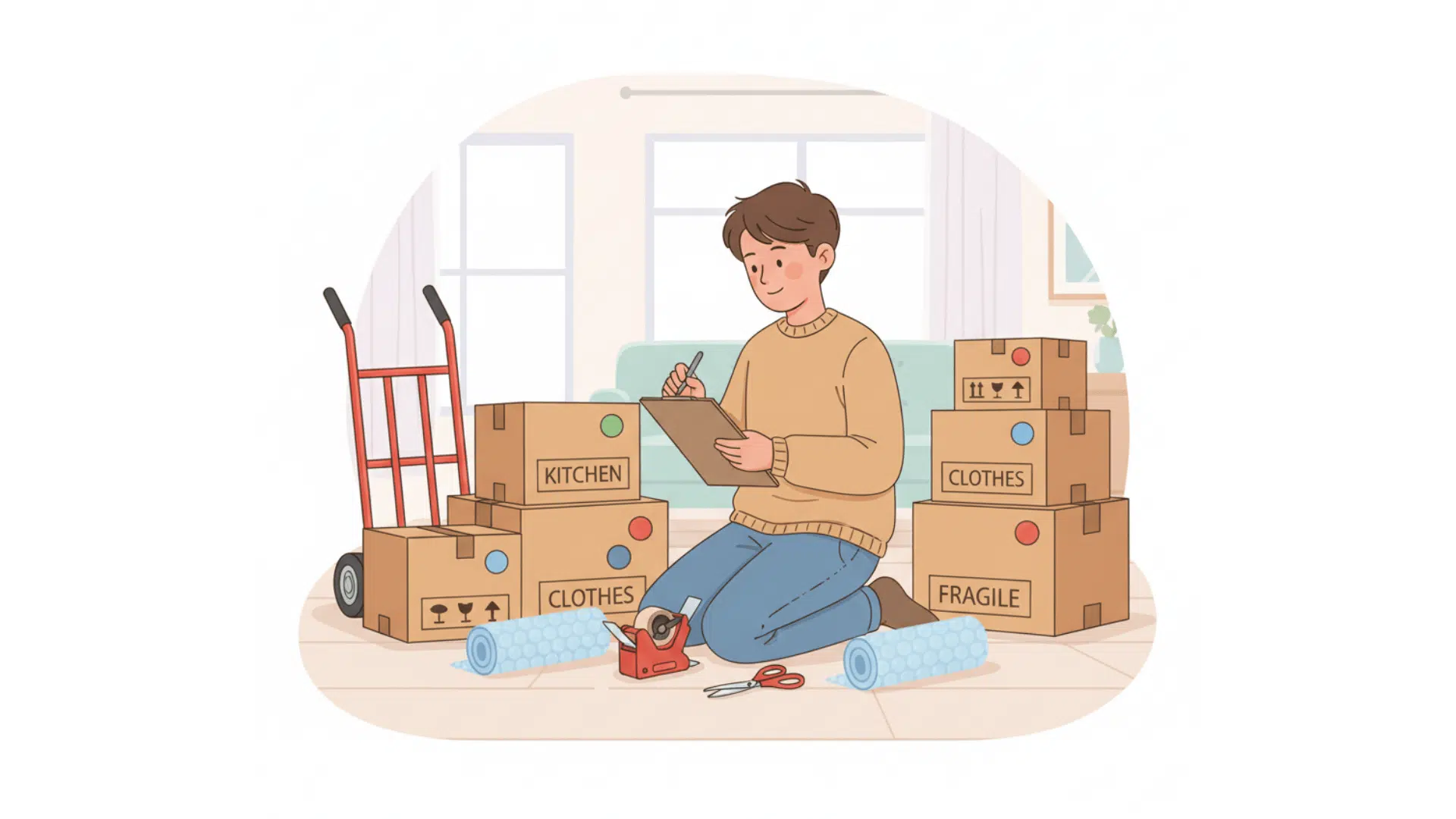
Relocating to another state is a big move, in every sense of the word. It touches almost every part of your life – your home, your routine, your paperwork, even your sense of familiarity.
I’ve sat with friends through this exact process, and I know how quickly it can start to feel like a lot to carry at once.
This blog walks through what actually goes into relocating to another state, from the early planning stages all the way to your first few weeks in a new place. Think of it as a starting point, not a stress test.
Why Relocating to Another State Feels Overwhelming
Relocating to another state is not the same as moving down the street. You’re not just packing boxes – you’re changing your address, your doctors, your driver’s license, and sometimes your whole daily routine.
I remember how many small tasks piled up when I helped a friend plan her move across state lines. None of them felt small on their own.
That’s why this kind of move needs its own plan, not the checklist you’d use for moving three blocks away. Break it into pieces, though, and it stops feeling like one giant task. It starts feeling like a list you can actually get through.
Start With a Timeline and a Budget
Before you touch a single box, get two things down on paper: when you’re moving, and what it’s going to cost you. Lock in your move-out and move-in dates early, especially if you’re tied to a lease ending or a new job start date.
Work backward from your start date and leave a few days of breathing room – nobody wants their first week on the job to start on zero sleep and unopened boxes.
Break the rest of your to-do list into weekly chunks – 8 weeks out, 4 weeks out, 2 weeks out, moving week – so nothing gets crammed into the last few days. Your moving budget needs the same early attention:
Expense | What It Covers | Quick Tip |
|---|---|---|
Movers or truck | Loading, transport, fuel | Get 3+ quotes, check licenses |
Housing deposit | New lease costs | Save separately from moving costs |
Travel | Gas, flights, hotels | Book early for better rates |
Buffer fund | Unexpected costs | Keep 10-15% aside |
Research Your New State Before You Commit
This is the step people skip because it feels less urgent than packing, but it’s the one that saves you from regret later. Before anything’s final, spend some real time looking into:
- Cost of living, including rent or home prices where you’re headed
- State income tax and property tax rates
- School ratings, if you’ve got kids
- Hospitals or specialists near your new place
- Climate – because moving from a mild coast to a state with real winters changes more than your wardrobe
Skipping this step is one of the most common regrets people mention after relocating to another state. A little homework now saves a lot of surprises later.
Decide How You’ll Actually Move

Once your dates and budget are set, figure out who’s doing the heavy lifting – literally.
A full-service move costs more, but it saves your back and your weekend. A DIY move with a rental truck costs less, but you’re the one loading, driving, and unloading every single box.
If you’re relocating to another state that’s several days’ drive away, factor in gas, lodging, and how many vacation days you can actually spare before picking a side.
If you go with movers, ask for their license number and proof of insurance upfront. Ask what’s included in the quote and what counts as extra – stairs, long carries, and heavy furniture often cost more than people expect.
Get it all in writing so the final bill doesn’t surprise you.
Declutter and Pack Without Losing Your Mind
The less you move, the less you pay, and the less you’ll have to deal with when you’re unpacking exhausted in a new city. A little sorting now saves a lot of hassle later.
- Donate clothes you haven’t worn in a year
- Sell anything worth some cash
- Toss what’s broken or expired
- Use sturdy boxes and real padding for packing your clothes and stuff
- Label every box by room
- Pack an “open first” box with chargers, medications, and a change of clothes
Update Paperwork Before and After You Move
This is the part everyone forgets until it’s almost too late – one of the more tedious pieces of relocating to another state, but putting it off just means a bigger headache later.
Task | Who to Contact | When to Do It |
|---|---|---|
Change of address | USPS | A few weeks before you move |
Driver’s license and registration | New state’s DMV | Within 30-90 days of arrival |
Medical records and prescriptions | Current doctors | Before you leave |
School enrollment | New school district | As soon as you have an address |
Utility shut-off and connection | Old and new providers | A few weeks ahead – call internet providers early |
Settling Into Your New State After Relocation
Once you’ve actually arrived, give yourself permission to unpack slowly. Start with the essentials – kitchen, bathroom, bedroom – and let the rest fall into place over the next few days. You don’t have to have it all figured out by day two.
In your first couple of weeks, find a new doctor, dentist, and bank branch. Locate a grocery store and pharmacy you’ll actually use.
And find one spot – a coffee shop, a park, whatever – that becomes “yours.” Say hi to a neighbor or two while you’re at it. That’s usually what makes a new state start feeling like home instead of just an address.
Moving Tips If You’re Relocating with Kids, Pets, or Plants
Relocating to another state gets a lot more complicated when you’re not the only one moving.
- Kids: Bring up the move early and, if they’re old enough, let them pack their own room. It gives them a bit of control over something that feels out of their hands.
- Pets: Update ID tags, bring vaccination records, and plan extra stops on the drive – long trips and moving with pets can stress them out more than people expect.
- Plants: Some states restrict certain plants at their borders to keep pests out, so check your destination state’s agriculture rules first. If a plant won’t survive or isn’t allowed in, it’s easier to gift it to a friend and grab a new one later.
When’s the Best Time of Year to Move?
The season you move in changes both your cost and your sanity. Summer is the busiest and most expensive time – everyone wants to move when the kids are out of school.
Fall and winter usually mean better rates and more open scheduling, though winter weather can slow down a long drive if you’re headed somewhere with snow.
If your schedule allows it, aim for a weekday move in the fall or early spring. You’ll typically get better pricing and more flexibility than during the summer crunch – which matters a lot if you’re trying to keep your moving budget in check.
Conclusion
Relocating to another state will always come with a few curveballs, but it doesn’t have to feel like chaos from start to finish.
With the right plan, the right questions asked early, and a little patience with yourself, the whole process gets easier to manage.
I’ve seen this play out firsthand, and the moves that go smoothest are almost always the ones with a plan behind them. Wherever you’re headed next, take it one step at a time – you’ve got this.
Frequently Asked Questions
Can I Just Up and Move to Another State?
Yes. Americans have a constitutionally protected right to move freely between states, so you can relocate whenever you’re ready.
How Long Does It Take to Adjust After Moving to a New State?
Most people feel settled within 6 months to a year, though feeling fully “at home” can take up to 2 years.
What Is the Most Forgotten Thing when Moving?
Spare keys, garage and outdoor tools, and items tucked away in attics, sheds, or high cupboards top the list of most forgotten items.
What Is the Easiest State to Relocate To?
There’s no single “easiest” state – it depends on what you value most, like low cost of living, no state income tax, or job incentives.