Owning your truck can sound like the fast track to more freedom and better pay, but the numbers can get complicated quickly.
If you are considering owner-operator trucking, you need to know what happens after the freight revenue comes in. Fuel, insurance, maintenance, truck payments, permits, and downtime can all change what you actually keep.
The smartest starting point is understanding the business before focusing on big income claims.
Here, you can learn how owner-operators work, how they differ from company drivers, what expenses to expect, how payment works, and what requirements matter. That gives you a clearer way to judge if the setup fits your goals.
What Is Owner Operator Trucking?
An owner-operator is a truck driver who owns or leases a commercial truck and operates it as part of their own business rather than working as a traditional company driver.
The role combines commercial driving with business management. Depending on the setup, an owner-operator may handle freight decisions, maintenance, insurance, permits, recordkeeping, taxes, and other operating expenses.
Owning the truck does not always mean operating completely independently. Some owner-operators lease their truck and services to an established carrier, while others operate under their own motor carrier authority.
That distinction matters because each setup changes how freight is found, how payments are handled, and how much administrative responsibility falls on the truck owner.
Owner Operator vs. Company Driver
Owner-operators and company drivers may haul similar freight, but their financial responsibilities differ significantly.
The comparison below shows the main differences.
| Factor | Owner Operator | Company Driver |
|---|---|---|
| Truck | Owns or leases the truck | Usually drives a carrier-owned truck |
| Income | Receives business revenue | Receives wages or mileage-based pay |
| Fuel | Usually responsible for fuel costs | Usually paid by the carrier |
| Maintenance | Responsible for repairs and servicing | Usually handled by the carrier |
| Freight | Has more control depending on setup | Usually works within company freight |
| Schedule | Often has greater control | Depends on company operations |
| Paperwork | Handles business records and expenses | Handles limited business paperwork |
| Financial risk | Higher | Lower |
| Truck downtime | Directly affects business income | Carrier carries much of the equipment risk |
The biggest difference is that an owner-operator receives business revenue rather than simply earning wages, the way a long-haul driving job typically pays. That revenue must cover the cost of operating the truck before it becomes income.
How Owner-Operator Trucking Works
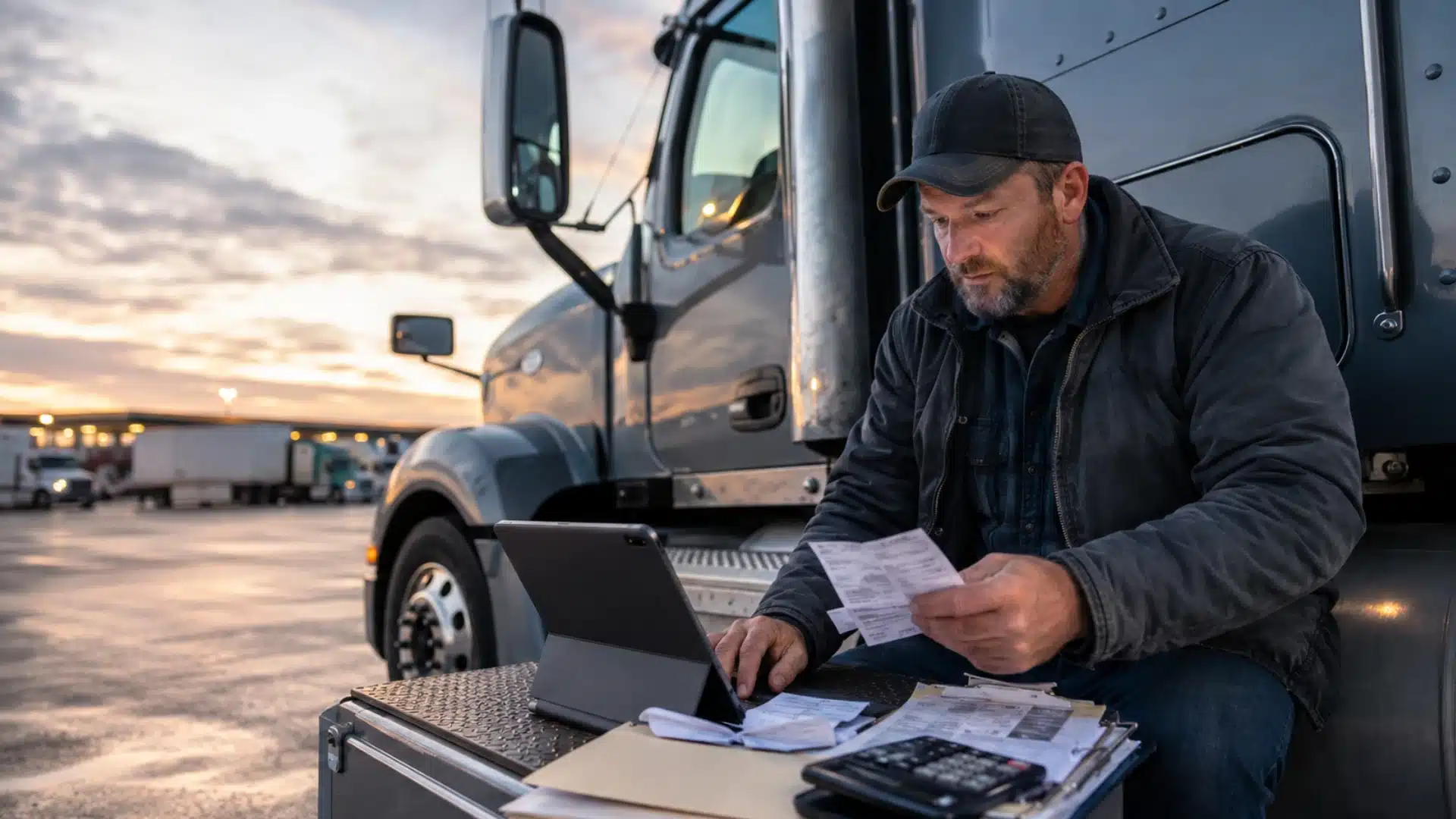
There are two common ways to operate as an owner-operator. A driver can lease onto an established motor carrier or operate under their own authority.
Both involve owning or leasing the truck, but the business responsibilities can differ significantly.
Lease Onto a Motor Carrier
A leased-on owner-operator contracts their truck and driving services to an established carrier.
The carrier may provide access to freight, dispatch support, trailers, permits, fuel programs, or other services. The exact arrangement depends on the carrier agreement.
Payment may be based on mileage, load revenue, or a percentage of the freight charge. The settlement statement can also include deductions for items such as insurance, equipment, services, or other agreed costs.
This setup can reduce some administrative work, making it useful for operators who prefer carrier support.
Run Under Your Own Authority
An independent owner-operator operates under their own motor carrier authority instead of another carrier’s authority.
That gives the business more control over freight decisions, rates, customers, and daily operations. It also brings more responsibility.
The owner may need to manage broker or shipper relationships, billing, insurance, compliance, dispatch, records, and payment collection, including handling compensation for canceled loads when a booked shipment falls through.
Operating under your own authority gives you greater business control, but the added paperwork and financial responsibility can require much more time away from driving.
Requirements to Become an Owner-Operator
Buying or leasing a truck is only one part of setting up an owner-operator business.
Requirements depend on the type of freight, truck, operating structure, and states involved. Common requirements can include:
- Commercial Driver’s License: The proper CDL class and endorsements must match the vehicle and freight being hauled.
- Business Registration: Many operators create a formal business before beginning commercial operations.
- USDOT Number: Certain interstate and commercial operations require registration with the Federal Motor Carrier Safety Administration.
- Motor Carrier Authority: Operators hauling regulated freight for compensation under their own authority may need operating authority.
- Commercial Insurance: Coverage can include liability, cargo, physical damage, and other policies based on the operation.
- Vehicle Registration: Commercial trucks must have the proper registration for their operating area.
- IFTA: Interstate operators may need International Fuel Tax Agreement credentials for fuel-tax reporting.
- IRP: Eligible interstate trucks may require apportioned registration through the International Registration Plan.
- Heavy Vehicle Use Tax: Certain heavy highway vehicles are subject to federal highway-use tax requirements.
- Logging and Compliance: Hours-of-service, electronic logging, inspection, maintenance, and testing rules can apply.
The exact list can change based on how the truck is operated. Check current federal and state requirements before hauling freight.
How Much Money Do You Need to Become an Owner-Operator?
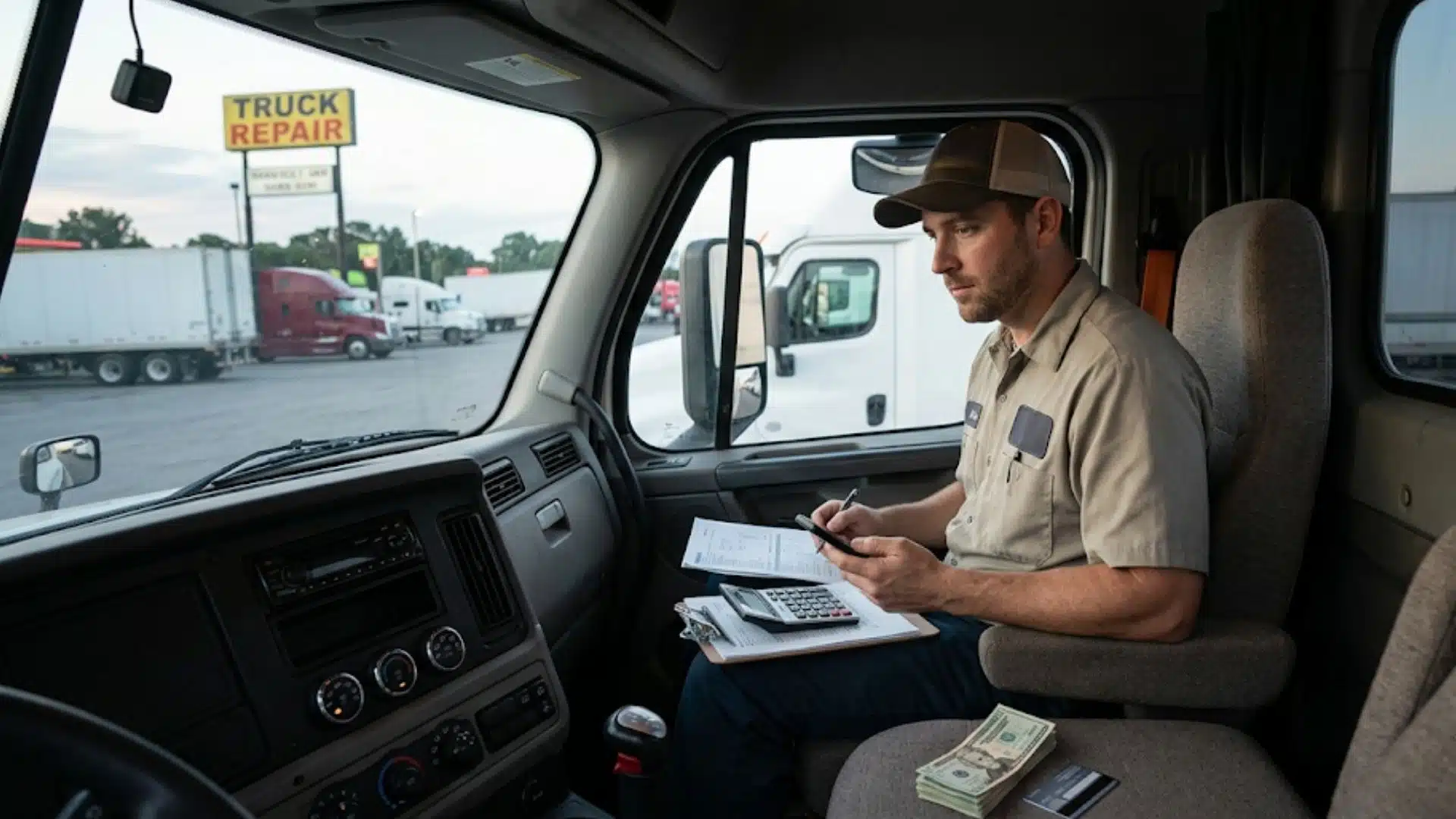
There is no single amount that every new owner-operator needs.
Startup costs change significantly depending on the truck, financing arrangement, insurance, business model, and available cash reserve.
A new operator may need money for:
- Truck purchase or down payment
- Insurance deposits
- Registration
- Permits
- Business setup
- Fuel
- Tires and maintenance
- Trailer expenses
- Taxes
- Emergency repairs
- Living costs during slow periods
The truck itself can create the largest upfront expense, but focusing only on the purchase price can create problems.
A repair shortly after buying the truck can take it off the road while payments, insurance, and other bills continue. Starting with a cash reserve can give the business room to handle unexpected downtime without depending on the next load to cover every bill.
Owner-Operator Trucking Expenses and Earnings
Owner-operator income depends on what remains after business costs are paid. Gross revenue can be high, but it is not the same as take-home income.
Fixed Costs: Truck payments, insurance, permits, parking, accounting, and trailer payments continue even during slow periods.
Variable Costs: Fuel, DEF, tires, maintenance, tolls, lodging, and dispatch fees change with mileage and operations.
Unexpected Costs: Major repairs, towing, downtime, and insurance increases can quickly reduce profit.
Income also depends on freight rates, loaded miles, deadhead, fuel economy, financing, taxes, and carrier deductions.
For example, if a truck earns $250,000 in gross revenue and operating expenses total $175,000, the business has $75,000 left before personal taxes and future reserves.
Gross Revenue − Business Expenses = Business Profit
Tracking cost per mile and keeping a repair reserve can help you judge which loads are profitable and how much you actually keep.
Main Responsibilities of an Owner-Operator
Driving may take up much of the workday, but keeping the business running adds another set of responsibilities.
An owner-operator may need to:
- Find or accept freight
- Review load rates
- Plan routes
- Track loaded and empty miles
- Buy fuel
- Schedule maintenance
- Arrange repairs
- Maintain insurance
- Keep permits current
- Save receipts
- Review carrier settlements
- Send invoices
- Track unpaid invoices
- Maintain business records
- Prepare for taxes
- Monitor cost per mile
- Set aside repair money
The workload changes according to the operating model. A leased-on driver may receive dispatch and administrative support, while an operator under independent authority usually handles more of these tasks directly.
Managing cash flow is also part of the job. A profitable load does not necessarily create a profitable month if repairs, deadhead, or other costs consume the margin.
Pros and Cons of Owner-Operator Trucking
Owner-operator trucking offers more freedom over daily decisions, but it also puts operating costs, truck problems, and income changes directly on the business owner.
| Pros | Cons |
|---|---|
| Independent operators may have more say over the loads, lanes, and freight they accept. | Fuel, insurance, repairs, maintenance, and truck payments can take a large share of revenue. |
| Owner-operators often have more say over working days, home time, and operating areas. | A serious mechanical problem can create a large repair bill and stop revenue. |
| Running your own truck can produce more gross revenue than working for a carrier as a company driver. | Freight rates, available loads, seasonal demand, and downtime can cause earnings to change from week to week. |
| Owners can select trucks and equipment that fit their freight type, routes, and operating needs. | Bookkeeping, permits, taxes, contracts, compliance records, and other administrative work require additional time. |
| A profitable operation may create opportunities to build direct shipper relationships or expand the business later. | Poor freight choices, rising expenses, or long downtime periods directly affect the owner’s finances. |
The main trade-off is greater independence in exchange for greater financial responsibility. Profit depends on keeping revenue high enough to cover expenses and future truck costs.
Is Being an Owner-Operator Worth It?
Being an owner-operator can make financial sense, but gross weekly revenue is not enough to answer the question.
The business needs to generate enough money to cover operating costs, pay the owner, fund future repairs, and survive slower periods.
The model may suit drivers who already have:
- Solid commercial driving experience
- A realistic operating budget
- Emergency savings
- Knowledge of truck expenses
- Reliable freight opportunities
- Strong recordkeeping habits
- Discipline around business spending
Heavy truck debt can make the situation harder. So can starting without enough cash to handle repairs or weeks with weaker freight.
Someone considering the switch should understand cost per mile, monthly fixed expenses, expected revenue, and repair reserves before comparing potential income with company-driver pay.
How to Become an Owner-Operator
Becoming an owner-operator involves more than purchasing a truck. The business structure should be decided before freight starts moving.
A practical sequence looks like this:
- Build commercial driving experience. Learn freight operations, trip planning, equipment, and the realities of long-haul or regional work.
- Choose an operating model. Decide between leasing onto an established carrier and running under independent authority.
- Create a business budget. Estimate fixed expenses, variable expenses, taxes, repairs, and personal income needs.
- Choose the truck carefully. Consider purchase price, financing, fuel economy, maintenance history, different truck body styles, and expected freight.
- Register the business. Complete the appropriate business and tax setup.
- Arrange commercial insurance. Secure the policies required for the planned operation.
- Complete required registrations. Handle authority, permits, fuel-tax registrations, and other applicable requirements.
- Set up bookkeeping. Separate business and personal finances and establish a method for tracking revenue and expenses.
- Set up freight access. Join a carrier or establish ways to work with brokers and shippers.
- Track every load. Compare revenue with loaded miles, deadhead, fuel, and operating costs.
The goal is not simply getting the first load. The business needs a structure that can keep the truck profitable over time.
Common Owner Operator Mistakes
Many owner-operator problems start with financial decisions rather than driving ability.
Some mistakes can put pressure on the business quickly:
- Buying Too Much Truck: A large payment creates a fixed expense that must be covered every month.
- Looking Only at Gross Pay: High load revenue means little without knowing the costs required to earn it.
- Ignoring Deadhead: Empty miles still burn fuel and use truck time.
- Skipping a Repair Reserve: Mechanical failures become harder to manage when every available dollar has already been spent.
- Mixing Business and Personal Money: Poor separation makes it harder to understand actual business performance.
- Ignoring Cost Per Mile: Without this number, it becomes difficult to judge if a freight rate is profitable.
- Accepting Weak Contract Terms: Deductions and restrictions can reduce the value of an otherwise attractive carrier agreement.
- Planning Taxes Too Late: Business income can create tax obligations that need to be considered throughout the year.
The truck needs to earn more than enough to keep moving. It also has to produce enough margin to support the owner and prepare for future costs.
Summing Up
Running your own truck is not only about earning more per load. It means managing costs, paperwork, freight choices, maintenance, and risk as part of a real business.
If you understand those pieces, you can make better decisions about leasing onto a carrier, operating under your own authority, and estimating what income may remain after expenses.
Owner-operator trucking makes sense when you look beyond gross revenue and focus on cost per mile, cash reserves, and steady planning. Those numbers can help you judge if the added control is worth the responsibility.
If you are considering the move, review your costs carefully and check out related trucking articles for more practical guidance.
Frequently Asked Questions
How Hard Is It to Become an Owner-Operator?
Meeting the basic licensing and business requirements is only part of the challenge. The harder part is managing expenses, finding profitable freight, maintaining the truck, and keeping enough cash available during repairs or slower periods.
Can an Owner-Operator Make $3,000 a Week?
It is possible for a truck can make that amount or more, but the figure means little without knowing whether it represents gross revenue or profit. Fuel, maintenance, insurance, payments, deadhead, and taxes can substantially reduce what remains.
Do Owner Operators Need an LLC?
An LLC is one possible business structure, but it is not automatically required for every owner-operator. Business registration and tax needs vary by state and operating situation, so professional advice can help when choosing a structure.
Can Owner Operators Work Locally?
Yes. Owner-operators can work local, regional, or long-haul routes depending on their equipment, freight type, contracts, and available customers. Local work may offer more home time but can involve a very different rate and mileage structure.
How Do Owner Operators Find Loads?
Leased-on operators may receive freight through their carrier. Independent operators can use load boards, freight brokers, dispatch services, or direct relationships with shippers to secure loads.
Do Owner Operators Get Paid for Deadhead Miles?
It depends on the contract or load. Some arrangements compensate for certain empty miles, while others do not. Deadhead should still be included when calculating the real revenue and cost per mile for a trip.