Moving a tiny or modular home is one of those projects that looks simple from a distance. The home is built, the destination is chosen, and all that’s left is getting it there. In reality, transportation involves permits, route planning, specialized equipment, and plenty of coordination. A missed detail can lead to delays, extra costs, or a last-minute change of plans.
The good news is that moving home is a well-established process. With proper preparation, you can avoid most of the common headaches and keep your delivery on track.
Permits Are Always a Start
Before a home can travel on public roads, transport companies need to determine whether it qualifies as an oversized load. In most U.S. states, 8 feet 6 inches is the standard maximum width allowed without a special permit.
Many states also use 13 feet 6 inches as a common height limit, though regulations vary by jurisdiction. Length and weight can also affect permit requirements. For larger homes, transport companies submit applications that include the home’s dimensions, travel dates, vehicle information, and planned route.
If the move crosses state lines, separate permits may be required for each state involved. Depending on the complexity of the project, approvals can take anywhere from a few days to several weeks.
Permits may seem like paperwork, but they determine when, where, and how a home can legally travel.
Route Planning Matters More Than Mileage
Many homeowners focus on distance when estimating the difficulty of a move. Transport companies focus on obstacles.
A route filled with low bridges, tight turns, steep grades, or utility lines can create far more challenges than a longer route using major highways. That’s why transportation companies spend time evaluating roads before moving day.
For larger modular homes, route surveys are often performed in advance. These surveys identify potential issues such as construction zones, railroad crossings, tree branches, and weight-restricted bridges. Addressing these challenges before the move helps avoid costly delays once the home is already on the road.
The shortest route is not always the safest or most practical one. In many cases, a slightly longer route offers better clearances and easier access for oversized loads.
Escort Vehicles and Transportation Methods
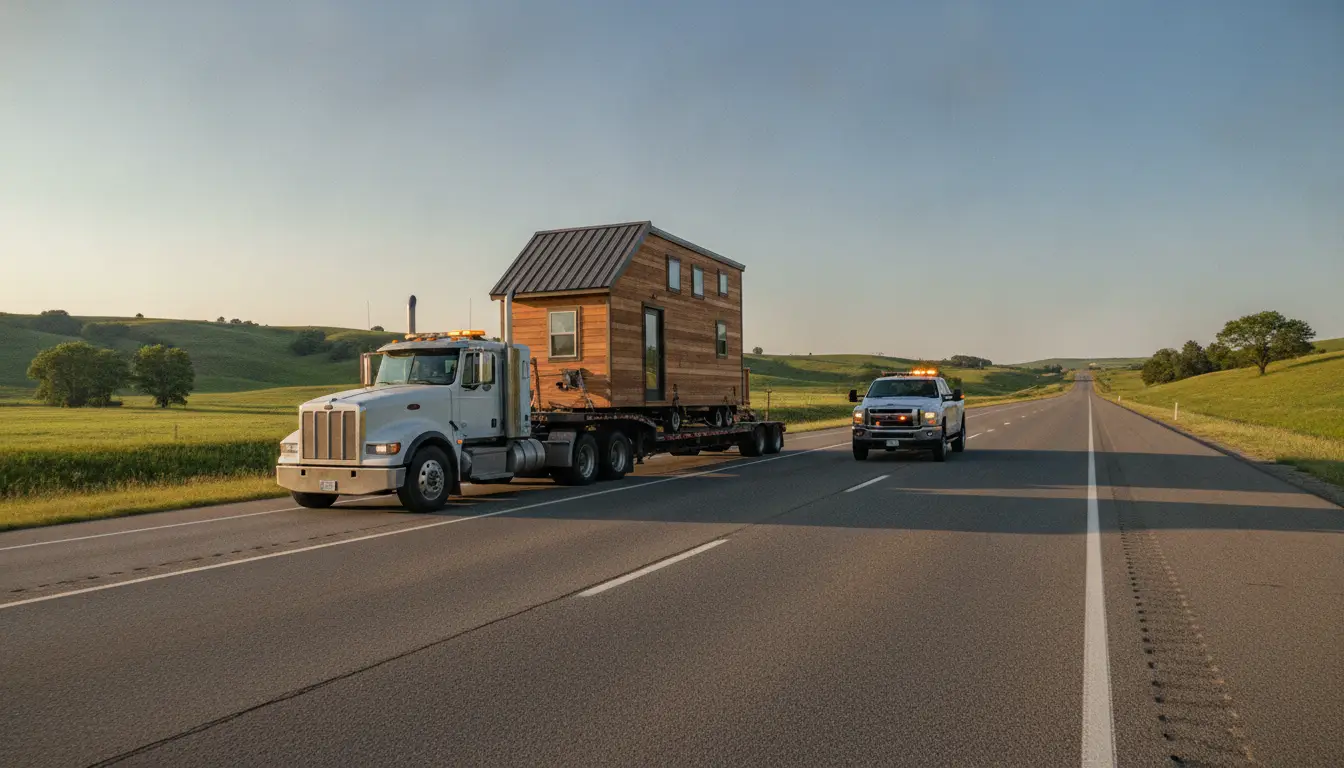
Oversized homes often travel with escort vehicles, also known as pilot cars. These vehicles help manage traffic, monitor clearances, and communicate with the transport driver throughout the trip.
Requirements vary by state, but wider loads frequently need one or more escort vehicles. Particularly large loads may also require coordination with local authorities when traveling through busy areas.
The transportation method depends on the type of home being moved. Tiny homes on wheels are commonly transported using heavy-duty trucks or commercial towing vehicles. Modular homes are usually delivered in sections on specialized carriers and then assembled on-site using cranes. Because every home is different, transport companies select equipment based on the home’s size, weight, and destination.
Site Preparation Before Delivery Day
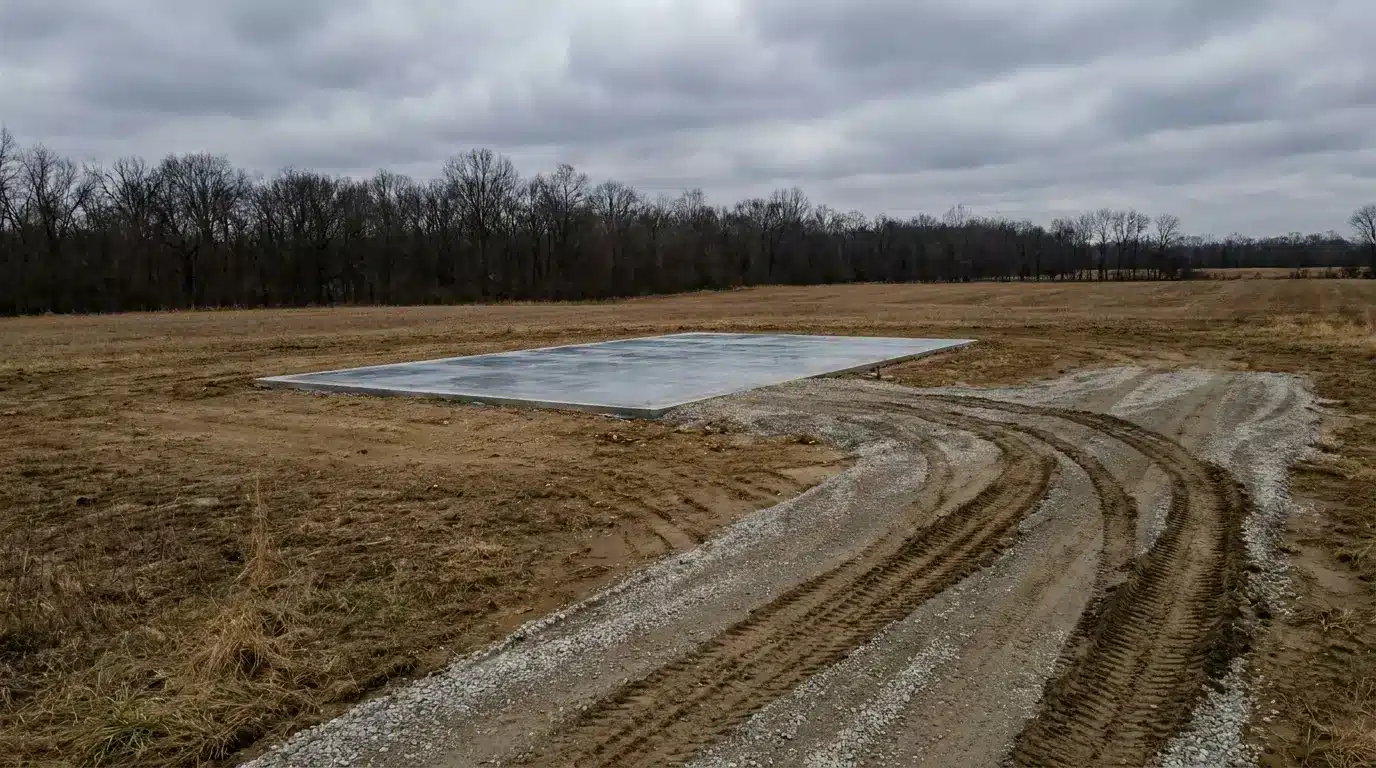
Even the best transportation plan can run into trouble if the site isn’t ready. Before delivery, the foundation should be completed, access roads should be clear, and there should be enough room for trucks and equipment to operate safely.
Large delivery vehicles need more space than most people expect, especially when cranes are involved. Many transport companies inspect the site before delivery to identify potential issues.
Narrow driveways, unstable ground, low-hanging branches, and limited maneuvering space are among the most common problems discovered during these visits. Taking care of site preparation early can prevent delays and help ensure the home is placed exactly where it needs to be.
What Affects Transportation Costs?
Transportation costs can vary significantly from one project to another. Distance is one factor, but the size of the home often has an even bigger impact. Larger structures typically require additional permits, escort vehicles, more route planning, and specialized equipment. Fuel costs, labor, and local regulations also influence the final price.
Crane rentals are another major consideration for modular-home deliveries. Depending on the site’s accessibility and the size of the modules, crane services can take a significant portion of the transportation budget.
Utility coordination can add costs as well. In some cases, utility providers may need to temporarily raise power lines or address clearance issues along the route. These expenses are easy to overlook during the early planning stages, which is why detailed transportation quotes are so important.
A Smoother Move Starts With Planning
Moving a tiny or modular home involves much more than transportation. And even though you won’t be single-handedly responsible for all parts of the operation, knowing what to consider can help you choose the right moving company and estimate your budget more accurately.
Even though it takes time and a lot of effort, with good preparation, you can move your tiny home to a great vacation spot or a forever home place without much trouble. Then you just sit, relax, drink something cool, enjoy the views, or even play Sportbet.one casino with Bitcoin online, to unwind.
Most successful home deliveries have one thing in common: careful planning long before moving day arrives. When the permits are approved, the route is mapped out, and the site is ready, the process becomes far more predictable, allowing you to focus on settling into your new location instead of dealing with unexpected surprises.