Choosing between a mobile home and a trailer can feel confusing because people often use the words like they mean the same thing.
Most of the confusion comes from older terms, new building rules, and the rise of manufactured and modular homes.
Today, you’ll learn what each type really means, how they compare, and which one might fit your lifestyle. My goal is to make the choice easier for you, no matter your budget or living plans.
Quick Overview of Mobile Homes & Trailers
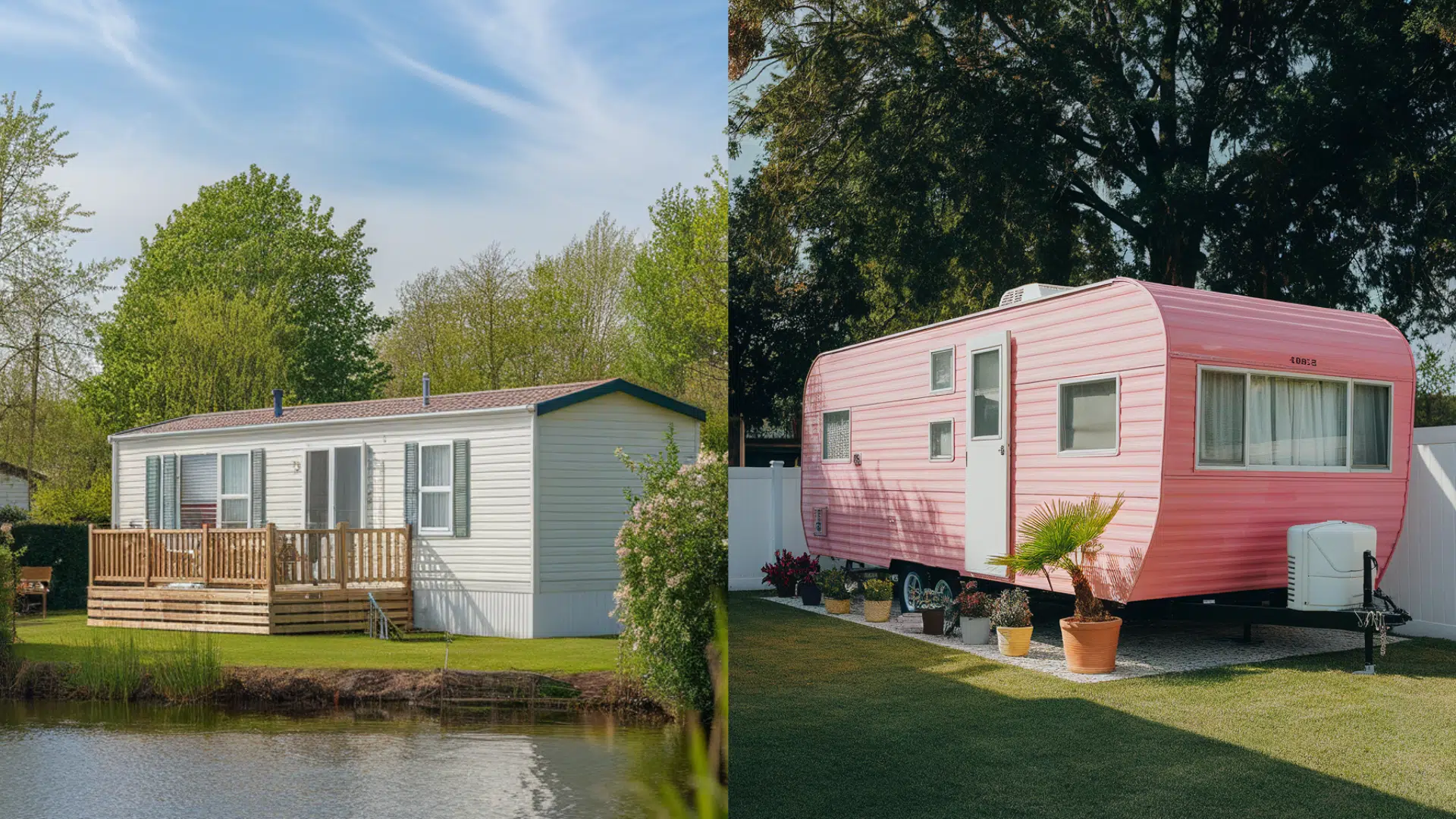
A mobile home is a factory-built home made before June 15, 1976. It’s built on a steel frame and transported to the site, where it usually stays in one place.
A manufactured home is the updated version made after 1976 and follows federal building standards.
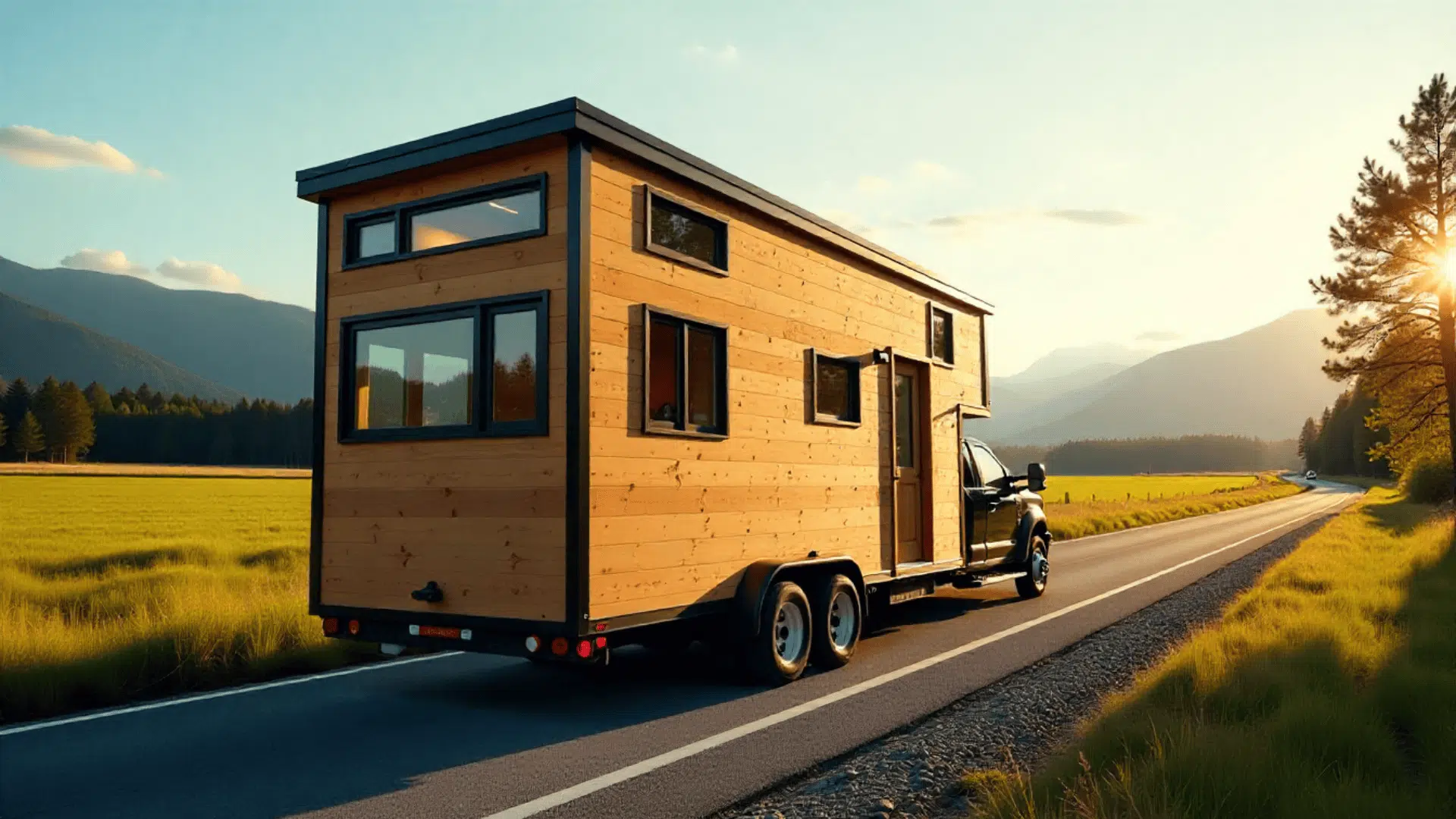
A trailer, often called a travel trailer, is a towable unit designed for the road. It’s counted as a vehicle, not a house, and is built for short stays rather than permanent living.
Where You Can Place Each Type of Home
Different types of homes have different rules about where they can go. These rules depend on local zoning, the home’s structure, and whether it’s seen as a house or a vehicle.
- Mobile & Manufactured Homes: Usually placed on private land or in approved manufactured home communities. Some areas require a permanent foundation.
- Trailers / Travel Trailers: Allowed in RV parks, campgrounds, or temporary parking spots. Many places don’t allow full-time living in them.
Understanding these rules makes it easier to plan ahead and avoid zoning surprises.
What It’s Like to Live in a Mobile Home vs. a Trailer
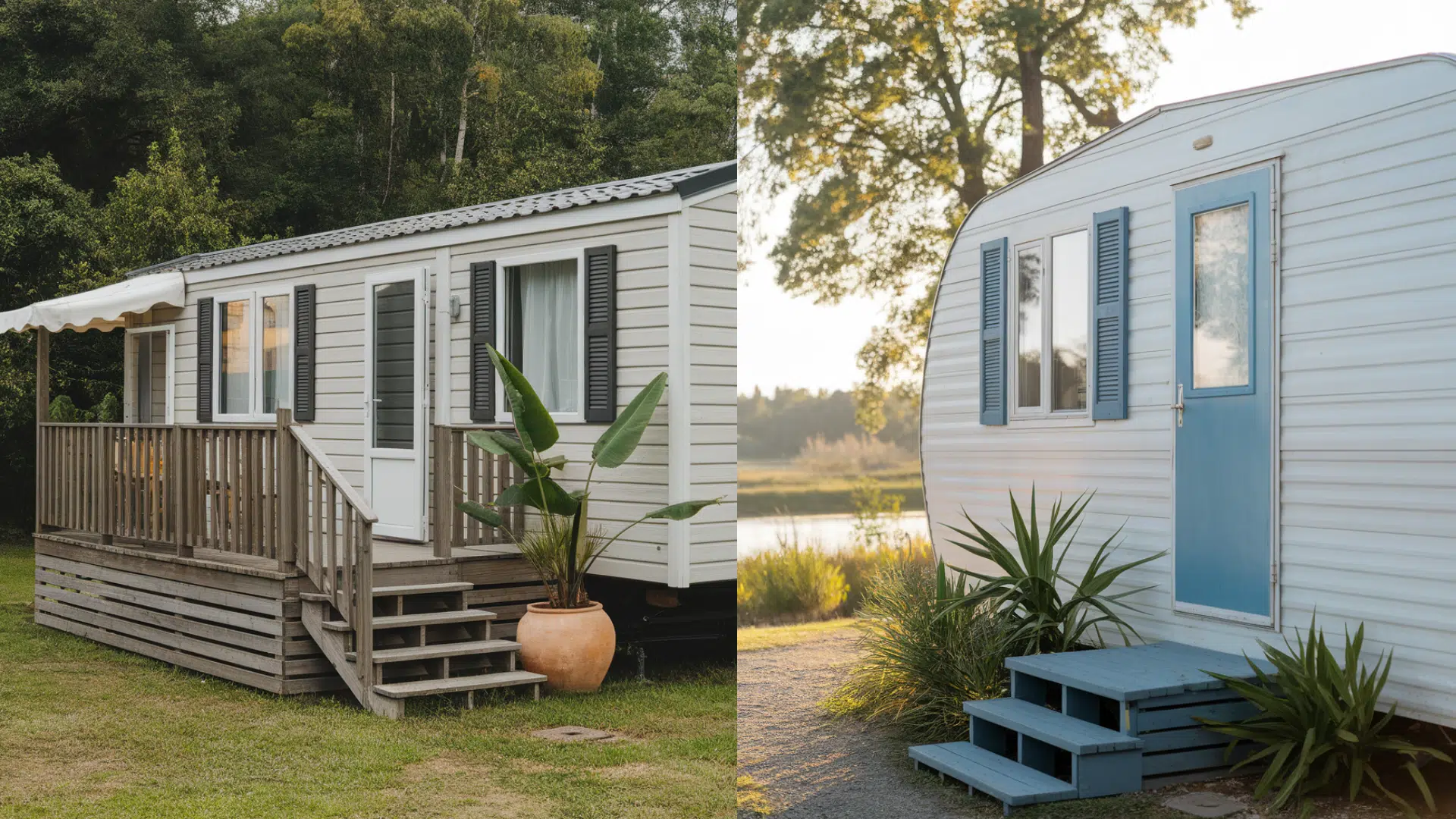
Living in a mobile home and living in a trailer can feel very different. Both offer their own kind of lifestyle, but the day-to-day experience isn’t the same.
1. Space and Layout
A mobile home gives you more room to spread out. It usually has separate bedrooms, a real kitchen, and a full bathroom, which makes it feel more like a regular house.
A trailer has a much smaller footprint. Most layouts combine sleeping, cooking, and sitting areas in one space, which can feel tight if you’re staying for long periods.
2. Daily Comfort
A mobilehome is built for everyday living, so the temperature, noise levels, and overall comfort stay more stable. It’s designed to handle year-round use.
A trailer is built mainly for travel and short visits. It can be harder to keep warm or cool, and the smaller systems can feel stretched when used every day.
3. Long-Term Living
A mobilehome works better for people who want a steady home base. It’s made for daily routines like cooking full meals, hosting friends, and storing the things you use often.
A trailer fits best if you move around a lot. It’s handy for road trips or seasonal stays, but it can feel cramped when used as a long-term home.
Cost, Financing, and Safety Differences
Understanding the cost and safety side of each home type helps you see what fits your budget and lifestyle. These points explain what matters most without getting too technical.
1. Cost and Financing
Mobile and manufacturedhomes usually cost less than a site-built home, but the price depends on size, age, and location. Some qualify for regular mortgages if they’re placed on a permanent foundation, while others need chattel loans, which have higher interest rates.
Trailers cost less upfront because they’re built like vehicles. They’re usually financed with RV loans or personal loans, and they don’t qualify as real estate.
2. Long-Term Value
Mobile and manufacturedhomes can hold value better when placed on owned land and kept in good condition. Homes in parks with land leases tend to lose value faster over time.
Trailers lose value the way vehicles do. Even when well cared for, they usually drop in value each year because they aren’t treated as permanent housing.
3. Safety and Insurance
Manufacturedhomes built after 1976 must follow federal HUD safety standards, which cover things like fire safety, wind zones, and proper construction. Insurance is usually a special mobile or manufactured home policy.
Trailers follow vehicle safety rules instead of housing codes. Their insurance works more like RV coverage, which changes depending on whether you’re towing it or parked.
Comparing Mobile, Manufactured, Modular Homes & Trailers
Mobile, manufactured, modular homes, and trailers each follow different rules, codes, and lifestyles.
| Type of Home | What It Means | Building Standards | Foundation Type | Mobility | Resale Value | Customization |
|---|---|---|---|---|---|---|
| Mobile Home | Built before June 15, 1976 | No modern HUD code | Steel frame or piers | Moveable but expensive | Drops in value faster | Limited due to older designs |
| Manufactured Home | Built after 1976 under HUD rules | Must meet HUD federal standards | Permanent or semi-permanent | Moved once or rarely | Holds value better on owned land | Some layout options |
| Modular Home | Factory-built in sections, assembled on-site | Must follow local building codes | Permanent foundation | Not moveable | Appraises like a site-built home | Most flexible for designs |
| Trailer / Travel Trailer | Towable vehicle used for travel and short stays | Built to vehicle/RV standards | No foundation, stays on wheels | Highly mobile | Loses value like a vehicle | Limited due to size and weight |
Each option fits a different way of living. This chart helps you see the core differences so you can decide which one supports your plans, your budget, and how you want to live.
How to Choose the Right Option
Choosing the right type of home comes down to how you want to live and what fits your daily routine. A few practical questions can help you decide without feeling overwhelmed.
Choosing a Mobile Home
- Good if you want a steady home base.
- Works well for year-round living.
- Offers more room for daily activities.
- Better for long-term storage and personal belongings.
- Can qualify for real estate-style financing if placed on a foundation.
Choosing a Trailer
- Best if you plan to travel often.
- Ideal for short stays or seasonal living.
- Easy to tow with the right vehicle.
- Requires less space to park or store.
- Financed like an RV, not as a house.
Conclusion
Choosing between a mobile home, manufactured home, modular home, or trailer comes down to how you want to live and what you need every day.
Each option offers a different level of space, stability, and flexibility, so it helps to match the home to your lifestyle instead of the other way around.
Whether you want a steady home base or something you can take on the road, there’s an option that fits.
If you’re ready for the next step, start checking out local listings, comparing prices, and checking your zoning rules. You’re much closer to finding the right fit than you think.