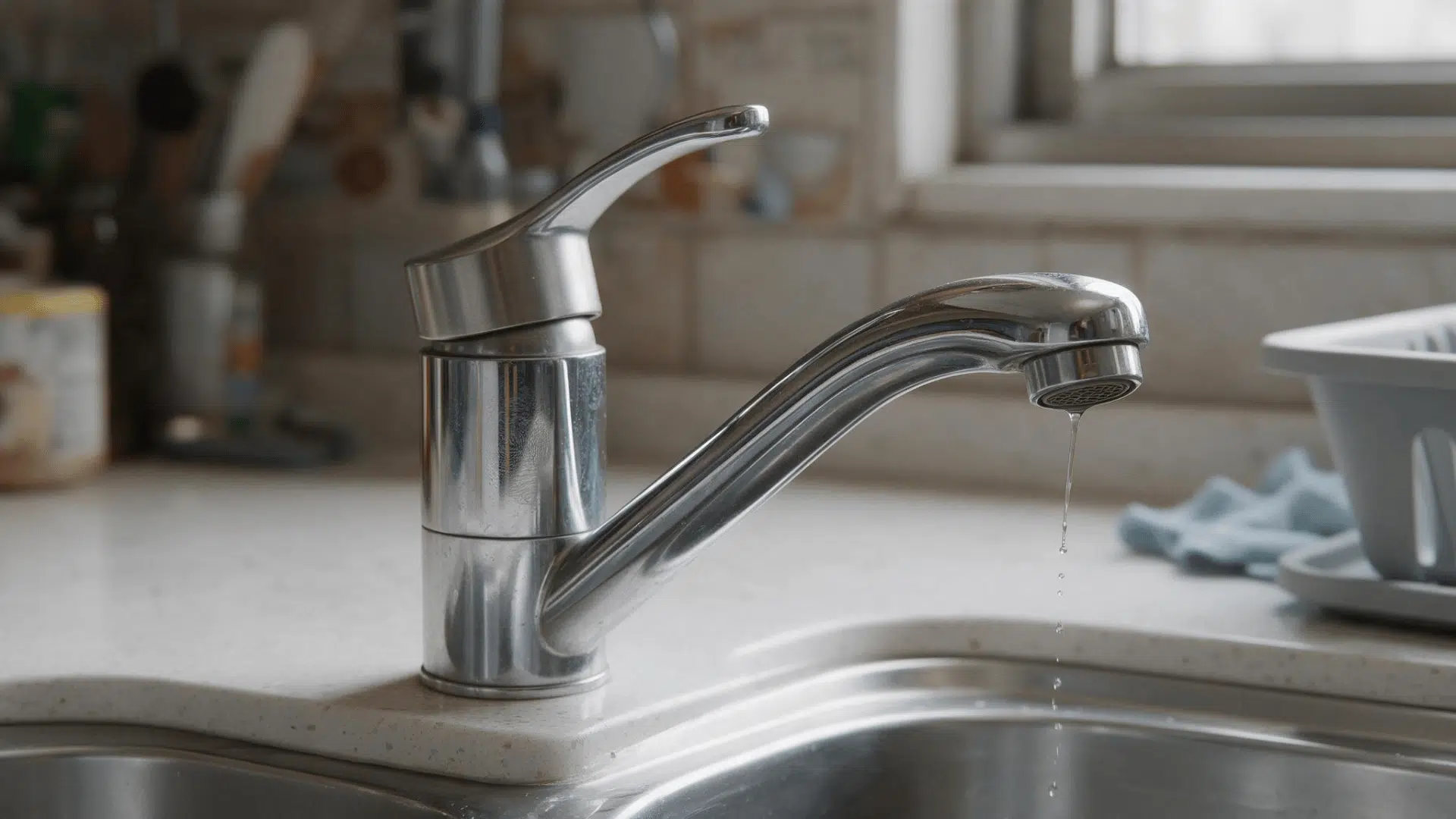
A weak shower or a slow-filling sink usually gets ignored until it stops being minor. You notice it every morning, and it slowly becomes the thing you just live with.
Low water pressure in house plumbing rarely shows up for no reason. It builds up from small changes you may not have connected yet, like an older fixture, a valve someone forgot to reopen, or a shift in the water supply outside your home.
I have seen homeowners spend money on the wrong fix simply because the real cause was never obvious. You do not need to guess here.
Once you know what to look for, spotting the real issue becomes much more straightforward.
Understanding Low Water Pressure In House Plumbing
Low water pressure in house plumbing can come from one of two places: something inside the home’s pipes, or something happening in the outside water supply. The exact trigger can vary from one home to the next.
The pattern noticed at home often helps narrow things down early. If only one fixture is affected, it usually points to a local, fixture-level issue rather than a bigger problem. If the entire house is affected, it suggests a system-wide issue instead.
A sudden drop in pressure is also a big clue. It often signals a leak, a stuck valve, a faulty regulator, or a change on the utility’s end.
Matching the pattern to a cause is where the real fix begins, and that breakdown starts right below.
Find Where the Low Pressure Is Coming From

Before looking at specific causes, it helps to notice where the low pressure is actually showing up. The location of the problem, whether it is one fixture, one area, or the entire house, points toward a very different type of fix.
- One faucet or shower: Often linked to aerator buildup, showerhead mineral deposits, a worn fixture cartridge, or a restricted supply hose.
- One room or area: Usually tied to a branch pipe blockage, a local valve issue, or pipe buildup affecting that section.
- The whole house: Points to a bigger cause like the main valve, a faulty pressure regulator, a hidden plumbing leak, or a municipal supply issue.
- Aerator buildup: Mineral deposits inside a faucet aerator can restrict flow at just that one tap.
- Fixture cartridge issue: A worn or damaged cartridge can limit water flow at a single fixture.
- Branch pipe blockage: Sediment or debris trapped in a branch line can affect every fixture it feeds.
Once the affected area is clear, it becomes much easier to match it to the right cause and the right fix.
Common Causes of Low Water Pressure in a House
Once the affected area is identified, the next step is understanding what is actually causing the drop. Low water pressure in house plumbing usually traces back to one of a few common issues, ranging from something inside the home to a problem with the outside water supply.
1. Plumbing Issues Inside Your Home
Water has to travel through the home’s plumbing system before it reaches any fixture, and restrictions along the way can quietly reduce pressure before it ever gets there.
- Old galvanized pipes: Aging galvanized pipes narrow over time and restrict water flow.
- Mineral buildup: Hard water deposits inside pipes reduce the space water can move through.
- Corrosion: Rusted or corroded pipes limit flow and can also affect water quality.
- Undersized supply lines: Pipes that are too narrow for the home’s demand naturally lower pressure.
- Partially closed shutoff valves: A valve that is not fully open restricts flow to part of the system.
2. Clogged Fixtures Are Limiting Water Flow
Many pressure complaints are not a plumbing problem at all. They come from buildup inside the fixtures themselves.
- Faucet aerator deposits: Hard water minerals collect inside the aerator screen over time.
- Aerator sediment: Small debris can get trapped and block water flow.
- Aerator cleaning: Unscrewing the aerator and soaking it in vinegar often restores flow.
- Showerhead buildup: Mineral scale clogs the small spray holes.
- Washing machine inlet screens: Small mesh filters at the water inlet can collect debris.
3. Hidden Water Leaks Are Reducing Pressure
Hidden water leaks can pull water away before it reaches the fixtures, which can lower pressure throughout the home.
- Meter movement: The water meter keeps moving even when every fixture is off.
- Wet spots: Damp patches appear on walls, ceilings, or floors.
- Higher bills: The water bill increases without a clear reason.
- Running water sounds: You notice a hissing or trickling sound even when nothing is turned on.
- Underground leaks: Leaks in buried supply lines require specialized detection.
4. Municipal Water Supply Problems
Sometimes the cause has nothing to do with the home at all and starts outside, with the local water supply.
- Water main repairs: Ongoing repairs nearby can temporarily reduce pressure.
- Neighborhood demand: High usage across the area, like during a heat wave, can lower pressure for everyone.
- Utility maintenance: Scheduled maintenance can temporarily affect pressure.
- Low street pressure: Some areas simply have lower baseline pressure from the utility.
- Contact the water department: A quick call can confirm known issues in the area.
5. Pressure Regulator Problems
A pressure-reducing valve, or PRV, controls how much pressure enters the home from the main line. When it fails, pressure problems often follow.
- Sudden changes: Pressure spikes or drops without warning.
- Low pressure house-wide: Every fixture in the home feels weaker than usual.
- Fluctuating pressure: Pressure rises and falls unpredictably throughout the day.
- Adjustment option: A regulator can sometimes be adjusted rather than replaced.
- Improper adjustment risk: Incorrect adjustment can push pressure too high and stress pipes and fixtures.
6. Partially Closed Main Water Valve
After repairs or maintenance, the main valve is not always reopened all the way, which can quietly restrict flow to the entire house.
- Handle position: A valve that is only partly turned limits how much water passes through.
- Post-repair oversight: The valve may have been left partially closed after recent plumbing work.
- Locate the main shutoff: This is usually near the water meter or where the line enters the home.
- Confirm it is fully open: The handle should be turned completely in the open direction.
- Avoid forcing stuck valves: If a valve won’t budge, a professional should handle it.
7. Water Heater or Hot Water Supply Problems
This cause is easy to miss, but if only the hot water feels weak while cold water pressure stays normal, the water heater itself may be the source.
- Water heater valve issue: A partially closed valve on the heater can restrict hot water flow.
- Sediment buildup: Sediment collecting inside the tank can reduce hot water pressure over time.
- Mixing valve problems: A faulty mixing valve can affect the balance and pressure of hot water delivery.
- Anode rod issues: A deteriorating anode rod can contribute to sediment and flow problems.
- Heating element scaling: Buildup around heating elements can affect how efficiently hot water moves through the tank.
How to Test Water Pressure In Your House

Testing low water pressure in house plumbing starts with a simple water pressure gauge. Attach the gauge to an outdoor faucet, turn the water on fully, then read the PSI shown on the dial.
A reading below the normal range may point to an issue, though normal pressure can vary slightly depending on the home’s system.
Comparing multiple fixtures also helps confirm the pattern. Check the kitchen faucet, bathroom faucet, shower, and outdoor spigot to see if the drop is limited to one spot or spread across the house.
Testing at different times of day matters too. A drop during morning or evening hours often points toward higher demand on the local water supply rather than a problem inside the home.
How to Fix Low Water Pressure In a House
Once the cause is clear, fixing low water pressure in house plumbing usually comes down to matching the right solution to the right problem. Some fixes take just a few minutes, while others call for a licensed plumber.
Cause | Possible Fix | DIY or Pro |
|---|---|---|
Clogged aerator | Clean or replace the aerator | DIY |
Dirty showerhead | Remove mineral buildup | DIY |
Closed valve | Fully open the valve | DIY |
Leak | Repair the damaged pipe | Pro |
Failed regulator | Adjust or replace the PRV | Pro |
Municipal issue | Contact the local utility | DIY |
Old pipes | Repair or repipe the system | Pro |
Most of these fixes fall into two buckets: quick cleaning or adjustment jobs anyone can handle, and structural repairs that need a professional’s tools and experience.
Note: I check the main valve and any recently serviced valves before assuming the worst. It sounds too simple, but a valve that was not fully reopened after a repair is one of the most common reasons
When Should You Call a Plumber for Help?
Some low water pressure problems are easy fixes, but others point to something bigger in the plumbing system. Knowing when to call in a professional can prevent small issues from turning into costly repairs.
- Sudden drop: Pressure suddenly drops throughout the entire house without warning.
- Suspected leak: You suspect a hidden leak somewhere in the system.
- Old pipes: The home has old or corroded pipes that have not been inspected in years.
- Failing regulator: The pressure regulator shows signs of failure or inconsistent performance.
- Persistent low readings: Water pressure tests remain low even after basic checks.
- Visible water damage: There are signs of water damage on walls, ceilings, or floors.
Catching these signs early can save both time and money down the line. A licensed plumber can pinpoint the exact cause and fix it safely, especially when the problem is hidden behind walls or underground, and you can’t fix it on your own.
Can a Water Pressure Booster Increase Pressure?
A water pressure booster pump can help with low water pressure in house plumbing, but only in certain situations. These pumps pull in water at a lower pressure and push it back out at a higher, steadier rate throughout the home.
Booster pumps tend to work best for homes with consistently low municipal pressure, properties located far from main supply lines, or homes sitting at a higher elevation where gravity naturally reduces flow.
They are not a fix for every cause, though. A booster pump will not solve problems like clogged fixtures, hidden leaks, or a failing pressure regulator.
In those cases, the pump simply pushes the same underlying issue harder instead of actually fixing it.
Conclusion
Weak water flow rarely fixes itself, and waiting it out only makes the problem harder to trace. Low water pressure in house plumbing almost always leaves a clue somewhere.
You do not need to be an expert to start narrowing things down. Paying attention to where the pressure drops and how it behaves tells you far more than guessing ever will.
A water pressure booster can help in the right situation, but only once you know what you are actually dealing with.
Take a few minutes this week to check your own water pressure and see what pattern shows up. Small checks like this often save you from bigger repairs later.
Frequently Asked Questions
Does Weather Affect Water Pressure at Home?
Yes, extreme cold can freeze pipes and reduce flow, while heat waves increase regional demand, both of which can temporarily lower household water pressure.
Can Low Water Pressure Affect Appliance Lifespan?
Yes, appliances like dishwashers and washing machines may work harder to compensate, which can lead to faster wear and shorter appliance lifespan over time.
Does a Water Softener Impact Water Pressure?
A poorly maintained or clogged water softener can restrict flow, but a properly functioning unit typically has little to no effect on pressure.
Is Low Water Pressure Normal In New Homes?
Not usually. New homes should have consistent pressure, so persistent low flow often points to installation errors or a supply line issue.