Most advice about electrical emergencies amounts to two words, which are call someone. That is correct, and it is not enough, because something has to happen in the twenty, sixty, or ninety minutes before help reaches you.
Some of those actions are genuinely dangerous, and some are straightforward. This guide covers what to do, in order of urgency, and what you must not do under any circumstances.
Key Takeaways
- Never touch someone still in contact with an electrical source, and turn the power off at the switchboard first.
- Even a mild electric shock needs medical assessment, because the heart may be affected without visible injury.
- Treat every fallen powerline as live and stay at least eight metres clear, which is about two car lengths.
- Check whether your neighbours have power, because that determines whether you call the network or an electrician.
- Never touch a switchboard that has been damaged by water or weather.
If Someone Has Had an Electric Shock
Your instinct will be to reach for them, and that instinct can kill you. Direct contact with someone still connected to a live source transfers the shock to you.
Turn off the power first at the main switch on the switchboard, or unplug the appliance if you can reach the plug safely. Only once they are clear of the source should you touch them.
If you cannot cut the power and they must be moved, push them free using something non-conductive such as a wooden broom handle. Take particular care near water, because water carries current.
Call 000 and begin CPR if they are not breathing. Then get them medically assessed even if they seem fine, because electrical injury can affect the heart and internal damage is not always visible.
Fallen or Damaged Powerlines
Assume every fallen line is live, including ones that are broken, still, or look obviously dead. Energy Safe Victoria advises staying at least eight metres away, roughly two car lengths, and some distributors recommend ten.
That distance applies to anything the line is touching as well. Metal fences, vehicles, trees and pools of water all become energised, and the ground itself carries voltage outward from the contact point.
Call 000 and your electricity distributor. Do not attempt to move a line or warn people by approaching it.
If a line falls on your car, stay inside. If fire forces you out, keep your feet together and jump clear rather than stepping out, because walking creates a voltage difference between your feet.
Burning Smells, Sparks or Heat
These are the highest priority faults that do not involve an injury. A burning smell, discolouration around a power point, sparks, smoke or a socket that is warm to the touch all indicate a fault that can escalate to fire.
Turn off the affected circuit at the switchboard if you can do so safely, and unplug what you can reach without touching anything hot or damaged. Do not use that circuit again until an electrician has been.
If there is smoke or you can see flame, get everyone out and call 000. Never use water on an electrical fire.
Is the Problem Yours or the Network’s?
This one determines who you should be calling and takes thirty seconds to establish. Look at whether your neighbours have power, or check your distributor’s outage page on your phone.
If the street is out, it is a network fault, and your distributor handles it. An electrician cannot help and will still charge for attending.
If your neighbours have power and you do not, the fault is inside your property. That is when you need an electrician.
Check your switchboard before calling either way. A tripped main switch tells you something useful, and so does a board that will not reset.
When a Safety Switch Keeps Tripping
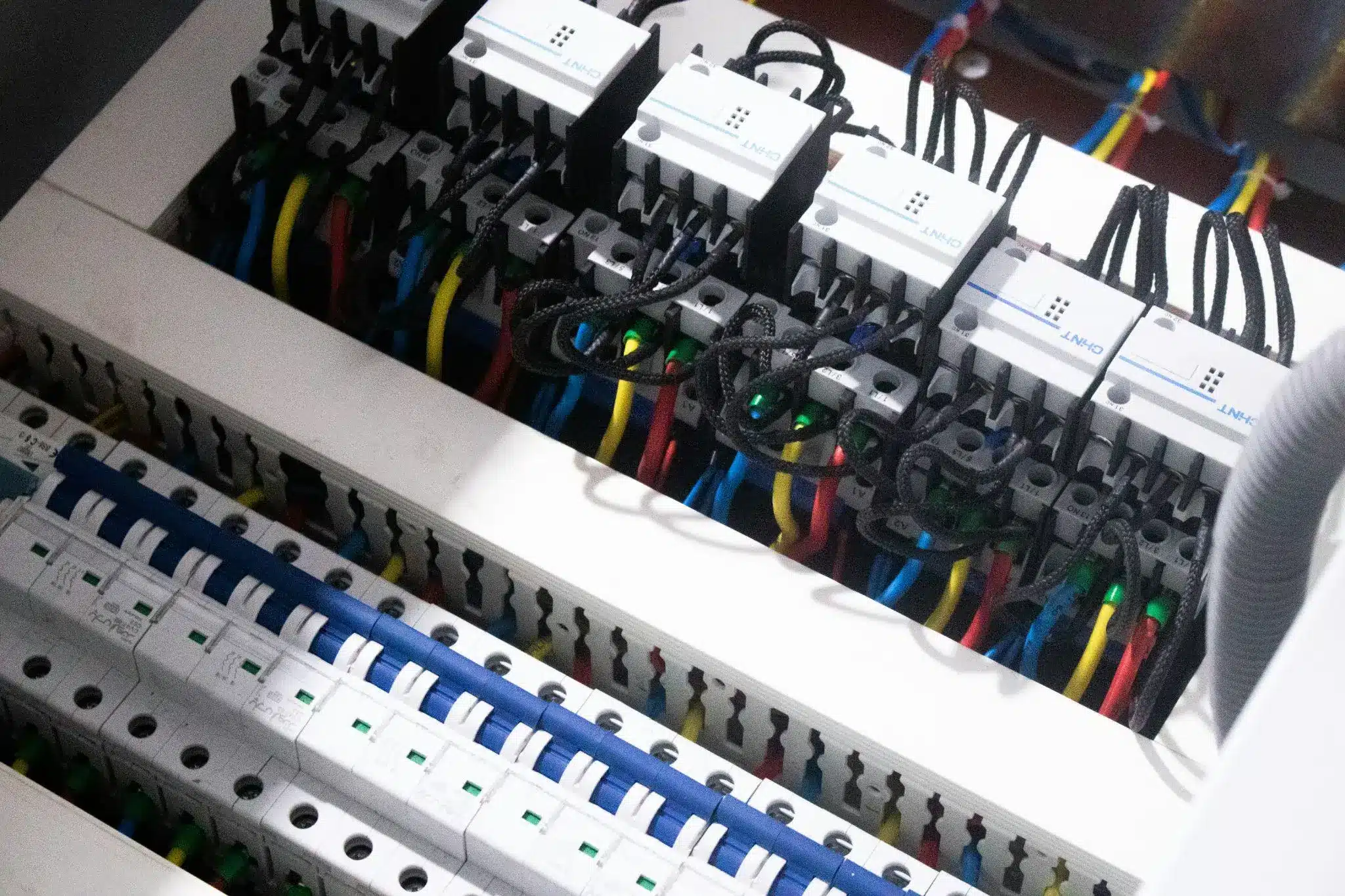
A safety switch that trips repeatedly is doing exactly what it was designed to do, which means there is a fault on that circuit. Resetting it over and over is not a fix.
You can safely narrow down which circuit is responsible. Turn off every circuit breaker, reset the main switch, then turn the circuits back on one at a time and note which one causes the trip.
That information is genuinely useful to the electrician and shortens the visit. What you should not do is leave the faulty circuit switched on and hope it holds.
If the safety switch itself will not reset at all, stop there. That is a job for a licensed electrician rather than repeated attempts.
After a Storm
Melbourne storms cause a specific set of problems, including water getting into switchboards and damage to outdoor wiring. Water and electricity together change the rules.
Do not touch a switchboard that has been damaged by weather or has water in or around it. Do not touch anything metal in the house if you suspect a fault, and turn off accessible power points rather than reaching for the board.
Check outdoor wiring, cables and equipment for damage once it is safe, and have anything suspect inspected before use.
Restoring Power Safely
There is a correct order for bringing power back after an outage, and most people get it wrong. Turn off or unplug all appliances first, because a surge of simultaneous loads on restoration can cause its own problems.
Then turn on the main switch, followed by each circuit breaker one at a time. Reconnect appliances gradually rather than all at once.
Test your safety switch while you are there. Press and hold the test button for five seconds and it should cut the power immediately; then reset it and test a second time.
If it fails either test, switch it off and have it replaced by a licensed electrician. A safety switch that does not trip on demand is not protecting anyone.
Flooding and Water
Water changes every calculation, so it gets its own rules. If water is approaching your switchboard or has reached power points, do not attempt to switch anything off at the board.
Leave the property if water is rising and call your distributor and 000 as appropriate. Standing water in a building with live circuits is one of the few situations where getting out matters more than isolating the supply.
Never step into standing water that may be in contact with wiring or an appliance, including a flooded garage where a pump or freezer is plugged in.
Once water has been near electrical equipment, have it inspected before use. Circuits and appliances that have been wet can fail later even when they appear to work.
What Never to Do
Do not attempt electrical work yourself. In Victoria, it must be carried out by a licensed electrician, and the risk is not only legal.
Do not run a generator indoors, in a garage or in any enclosed space, because it produces carbon monoxide you cannot see or smell.
Never plug a generator into a wall socket or connect it to your switchboard, since backfeeding the network endangers linesmen and neighbours.
Do not use water on an electrical fire, and do not reuse a circuit that has smoked, sparked or smelled of burning.
When to Call an Electrician
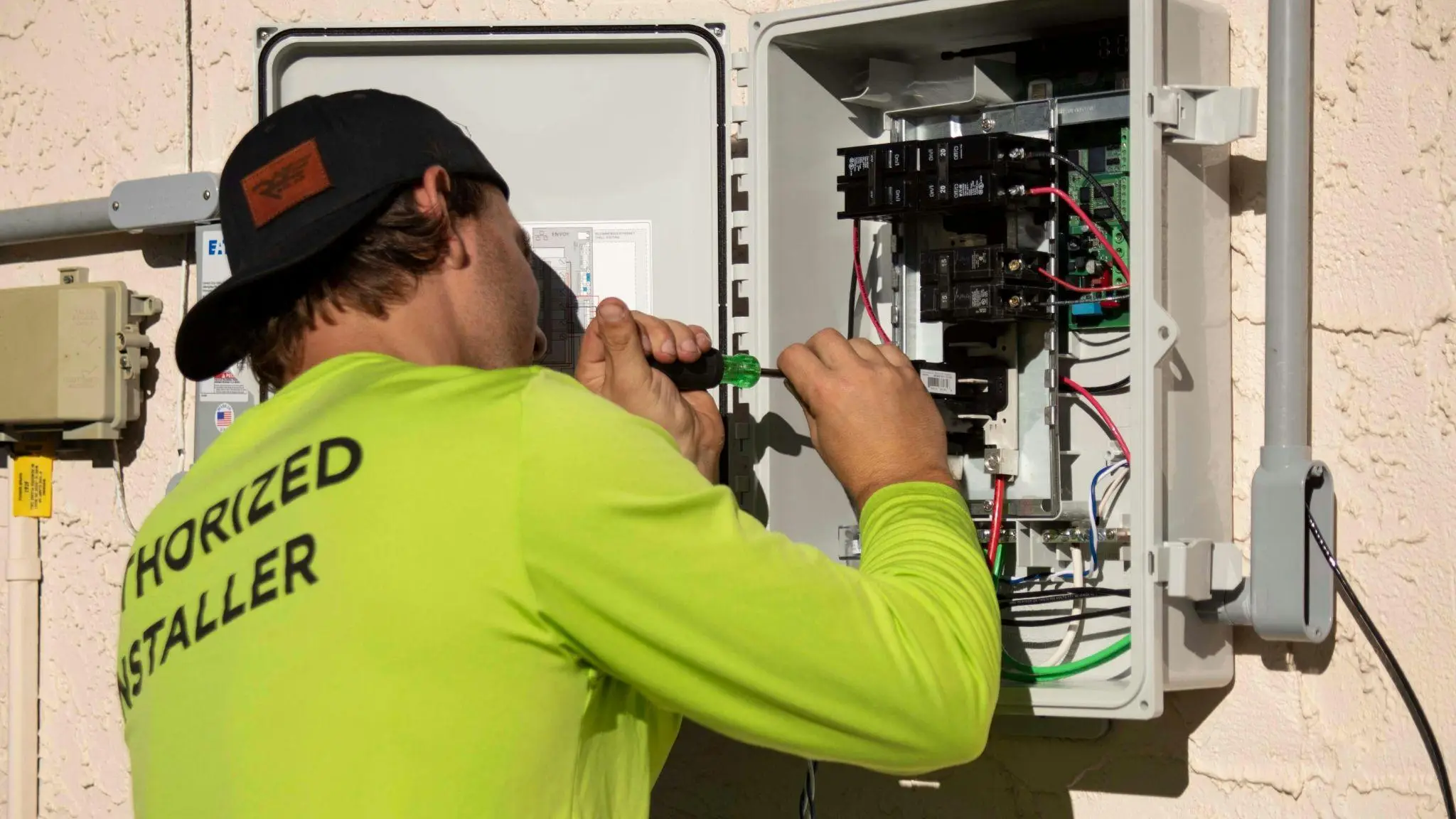
Call immediately for burning smells, sparks, heat at a power point, a switchboard that will not reset, or any fault following water damage. None of those improve by waiting.
If you need an emergency electrician in Melbourne after hours, ask three things when you call.
What the response window is, whether the price is fixed and confirmed before work starts, and whether a call-out fee applies if the job proceeds.
O’Shea Electrical is one option, operating seven days including public holidays and quoting a target of 60 to 90 minutes on site across metropolitan Melbourne. Whoever you use, confirm they hold a current Victorian electrical registration.
Have your details ready. The fault, what you have switched off, whether neighbours have power, and whether anyone has been shocked will all shape how urgently they respond.
Conclusion
The useful actions in an electrical emergency are mostly about isolation and distance. Cut the power at the switchboard, keep well clear of anything live, and do not reuse a circuit that has misbehaved.
Then work out whether the fault is yours or the network’s before you call, because it determines who can actually help. And treat any electric shock, however mild it seemed, as a reason to see a doctor.
Electrical Emergency FAQs
What should I do first in an electrical emergency? Make it safe rather than fixing it. Turn off the power at the main switch if you can do so safely, and call 000 if anyone is injured or there is fire.
Can I touch someone who is being electrocuted? No. Turn off the power first, or push them clear with something non-conductive such as a wooden broom handle.
Do I need a doctor after a mild electric shock? Yes. Electrical injury can affect the heart, and internal damage is not always visible, so get assessed even if you feel fine.
How far should I stay from a fallen powerline? At least eight metres, roughly two car lengths, and the same distance from anything it is touching. Always assume it is live.
How do I know if the outage is my problem or the network’s? Check whether neighbours have power or look at your distributor’s outage page. A street-wide outage is the network’s responsibility.
Why does my safety switch keep tripping? There is a fault on that circuit. You can isolate which one by turning all breakers off and switching them on individually, but the fault itself needs an electrician.
Can I touch my switchboard after a storm? Not if it is damaged or has water in or around it. Turn off accessible power points instead and call an electrician.
What order should I restore power in? Unplug or switch off appliances first, then the main switch, then each circuit breaker one at a time, reconnecting appliances gradually.
Can I use a generator during an outage? Only outdoors and well ventilated, never indoors or in a garage. Never plug one into a wall socket or connect it to your switchboard.
Is it illegal to do my own electrical work in Victoria? Yes. Electrical work must be performed by a licensed electrician, and unlicensed work carries both legal and safety consequences.