If you’re locked out of your house, first assess for emergencies and call 911 if anyone is in danger. If not, check all doors and accessible entries, identify your lock type, contact someone with a spare key, and call a locksmith if no safe entry is available.
Standing outside your own front door and realizing you’re locked out of your house can flip your mood in seconds. Most people jump straight to quick fixes, and that’s usually where things get expensive.
Not every lockout is the same. What you do next depends on timing, the type of lock you’re dealing with, and whether anyone inside is at risk.
In this guide, I’ll walk you through how to assess the situation clearly, avoid common mistakes, and decide when professional help makes sense. Let’s start with what to do first.
Locked Out of Your House? Follow These Steps in Order
When you’re standing outside with the door locked, urgency can push you toward damage. The first few minutes matter more than people think.
Step 1 – Pause and Assess Your Situation
Before you touch the door again, stop, take a breath, and look around.
- Is it daytime or late at night?
- Is the weather extreme?
- Is anyone inside?
- Do you have your phone?
If anyone inside is in immediate danger; a child, an elderly person, a pet in extreme heat or cold, or there’s fire or gas, skip the rest of these steps and call 911 immediately.
Panic changes how you act. When adrenaline kicks in, people often use more force than they realize. That extra force can bend frames, damage latches, or crack glass. In the end, the repairs usually cost more than the lockout itself.
In the first five minutes, your only job is to assess. If no one is in danger and the weather is manageable, you have time. Realizing that lowers the risk of doing something you’ll regret.
Step 2 – Check Every Door and Ground-Level Entry
Now, it’s time to do a full walk around the house.
Check:
- Front door
- Back door
- Side doors
- Garage entry
- Any sliding doors
Don’t just jiggle the handle once. Turn it fully and try it calmly. Some doors feel locked but aren’t fully latched.
Lockouts aren’t identical every time. Sometimes you locked one door but forgot another. Other times, someone else used a different exit earlier in the day. Each situation has small differences.
You’re not forcing anything here. You’re simply confirming whether this is a true lockout or just an overlooked entry.
Step 3 – Identify Your Lock Type Before Trying Anything
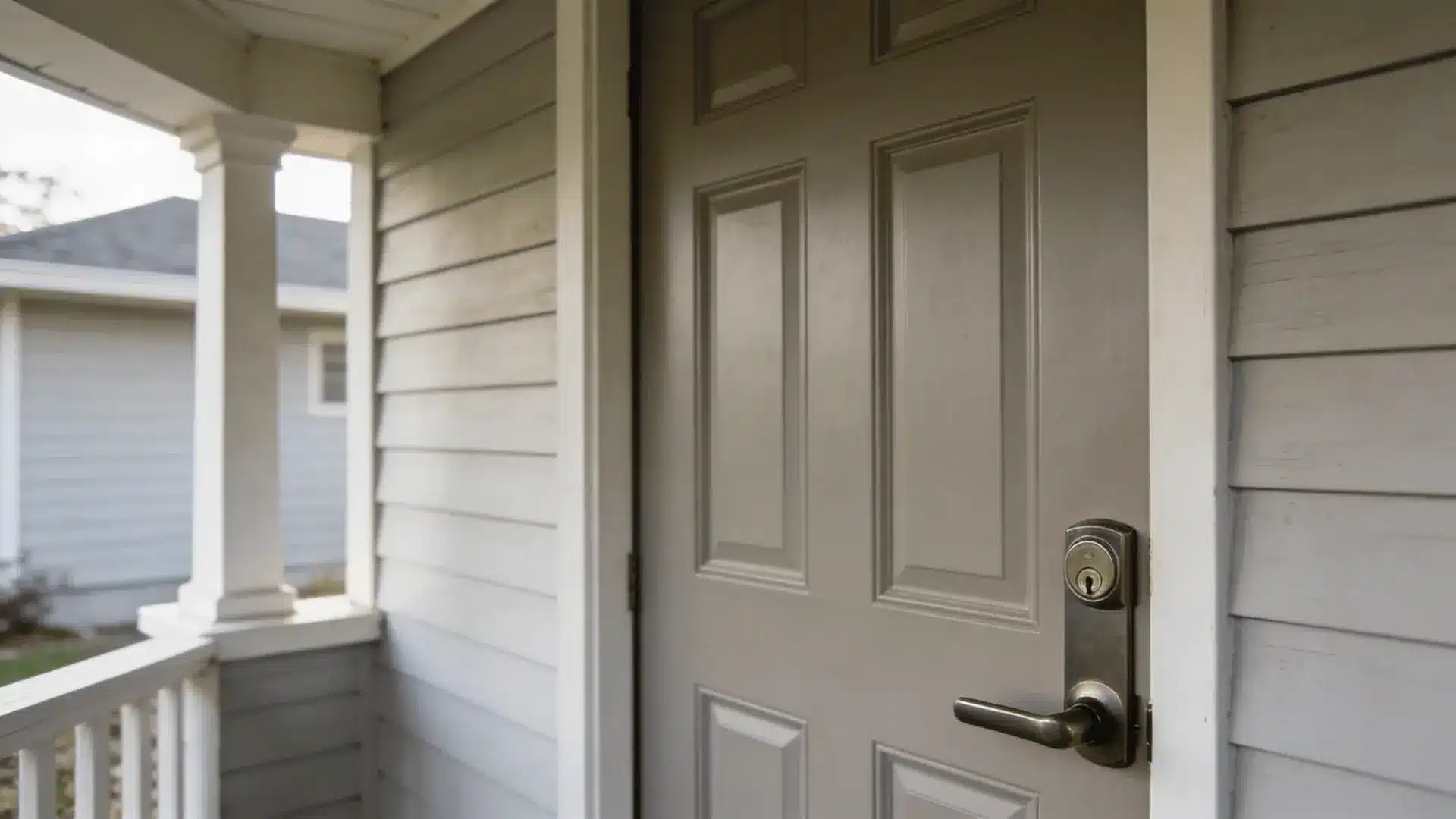
This is where most people misjudge the situation. There are two common setups:
- Spring latch – The small angled latch that retracts when you turn the handle.
- Deadbolt – A solid metal bolt that slides straight into the frame and does not move with the handle.
If only the spring latch is engaged, certain bypass tricks may work in rare cases. If the deadbolt is locked, card tricks will not work. A deadbolt is rigid and cannot be pushed back from the outside.
This explains why “credit card hacks” sometimes seem real online. They only apply to certain latch types and only when the door has enough gap. Modern doors are tighter, and many include anti-shim features.
Trying the wrong method on the wrong lock doesn’t just fail. It can bend the latch or damage the strike plate, which creates a new problem once you’re back inside.
Before you try anything, know what you’re dealing with.
Step 4 – Contact Someone with A Spare Key
If your lock is fully engaged, pause again and think if anyone else has access. It could be:
- A spouse or roommate
- A trusted neighbor
- A nearby friend
- A landlord or property manager
Time changes your options. During the day, someone may respond quickly. Late at night, choices narrow. In apartments, management may have emergency access. In single-family homes, that’s less common.
Many people assume calling someone takes too long. But compare that to broken glass, damaged trim, or a drilled lock. Waiting 30 minutes can prevent hours of repair and extra cost.
Step 5 – Decide Whether to Call a Locksmith
If no spare key is available and the lock is secure, this is usually the safest move. You’re not giving up. You’re choosing controlled access over uncontrolled damage.
The decision point is simple: if you’ve found no safe way in, no one has a spare key available, and there’s no emergency inside, it’s time to call a locksmith.
At that stage, professional help is often cheaper than fixing what would break if you use force.
What You Should NOT Do (Even If It Seems Faster)
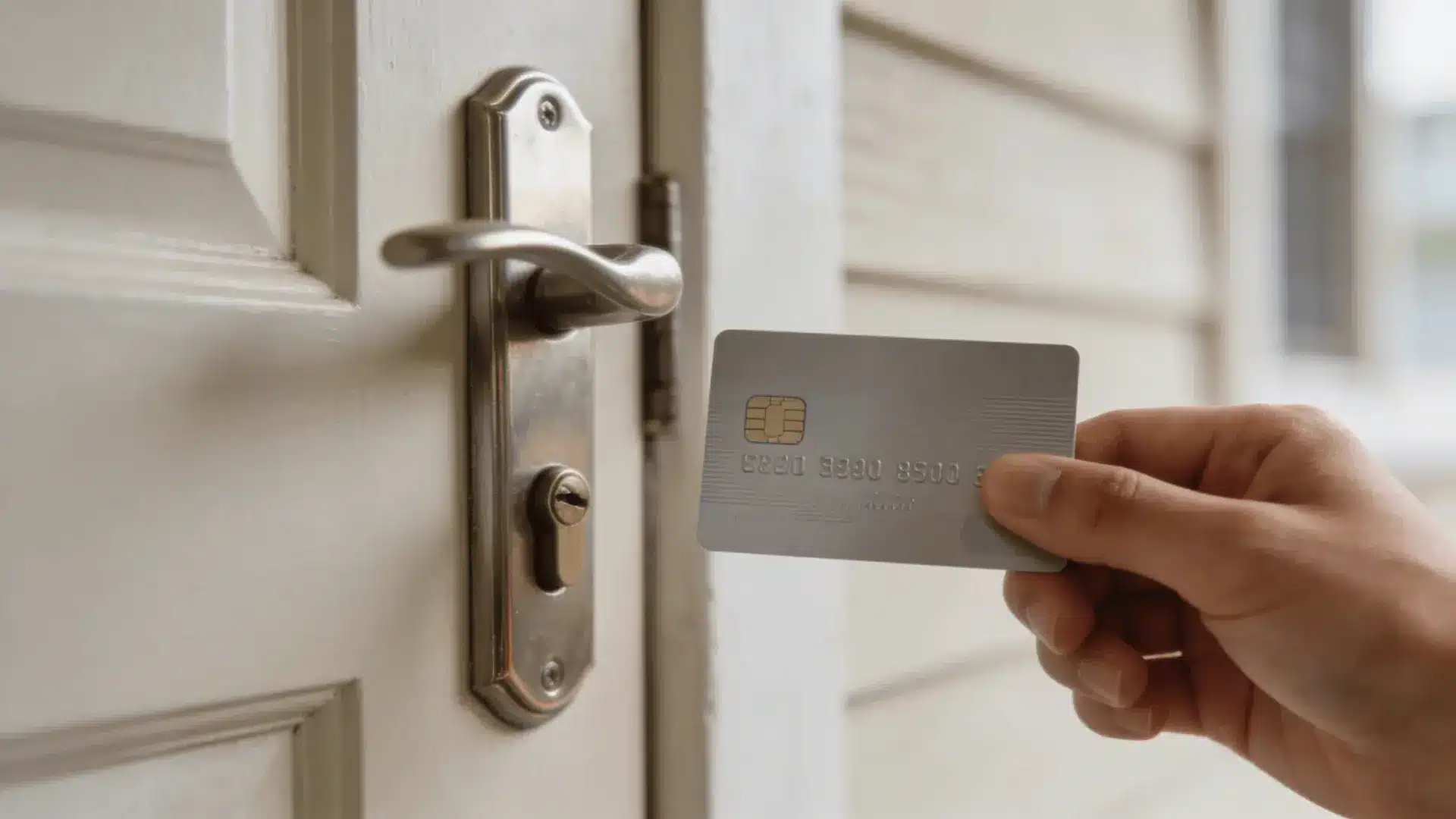
When frustration builds, risky ideas start to feel reasonable. Most of them aren’t.
1. Credit Card or Hairpin Tricks Usually Fail
Movies make lock picking look effortless. Real locks are built differently. Modern locks have tighter tolerances and extra pins.
Hairpins bend long before internal pins move. Credit cards only work on certain spring latches and only if the door frame allows space.
Even when these tricks appear to work, they can damage the latch. A bent latch may stick later, and then you’re replacing hardware anyway.
The contrast is clear:
- Older, loose latch = rare chance of success
- Modern, tight deadbolt = almost zero chance
Trying the wrong method wastes time and increases the chance of damage.
2. Why Forcing a Door Causes Hidden Structural Damage
Doors aren’t just panels. The frame holds everything together. When you kick or shoulder a door, force transfers into the strike plate, the frame, and the surrounding trim.
The frame can split or shift slightly. Even if the door opens, it may never close properly again.
The damage isn’t always obvious right away. A warped frame might cause sticking for months before you realize what happened. Then you’re paying for carpentry, not just a new lock.
3. Why Breaking a Window Often Costs More
Breaking glass feels simple in the moment. Replace the pane and move on.
In reality, the type of glass matters; double-pane units cost more to replace, and labor quickly adds to the total bill.
You also create a security gap until repairs are complete. Weather exposure, theft risk, and cleanup all increase cost.
In many cases, a locksmith visit ends up being cheaper than window replacement.
When is Calling a Locksmith the Smartest Move?
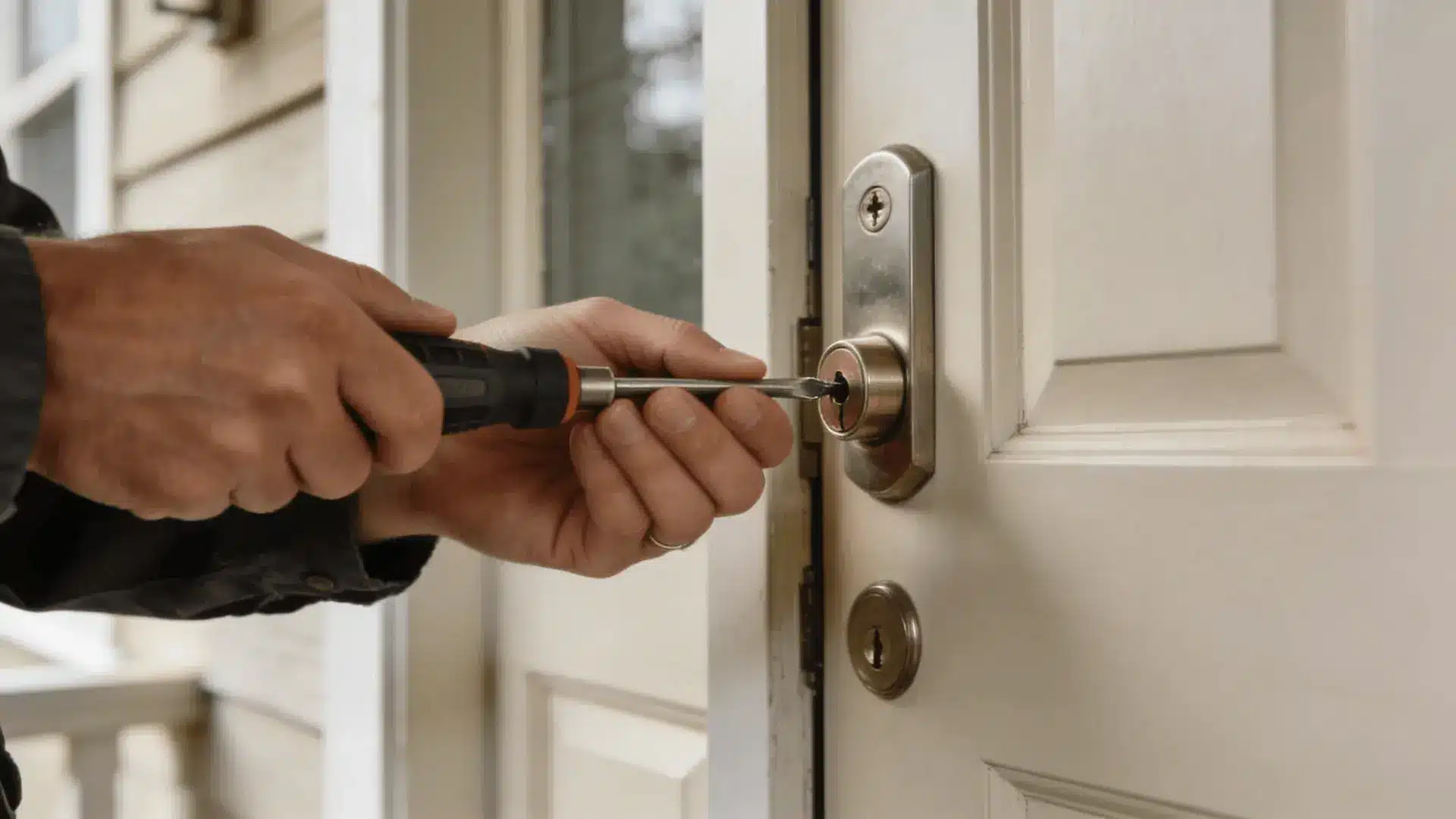
A locksmith isn’t a last resort. Often, it’s the most controlled option available. Professionals aim for non-destructive entry first. That means manipulating the lock without drilling.
Drilling is usually a final step, used when the lock is damaged, the cylinder can’t be picked, or built-in security features block other entry methods.
Understanding that difference matters. Non-destructive entry keeps your hardware intact. Drilling means replacing it.
What Affects Locksmith Cost and Arrival Time
Several factors influence price:
- Time of day (late night costs more)
- Location and travel distance
- Lock type
- Urgency
A simple spring latch entry during the day costs less than a high-security deadbolt at midnight.
Costs vary by region, but most standard house lockouts fall within a moderate service range. Extremely high quotes without explanation are a red flag.
What a Legitimate Locksmith Will Ask For
Expect identity verification. They may ask for:
- Photo ID
- Proof of address
- Confirmation from a neighbor
This protects homeowners. A locksmith should not open a door for someone who cannot show they live there. If someone offers to unlock immediately without verification, that’s a warning sign.
When Drilling the Lock Becomes Necessary
- Internal components are damaged
- Security pins prevent manipulation
- The key broke inside
Drilling destroys the cylinder but protects the door and frame. It’s controlled damage rather than reckless damage.
When Does a Lockout Become an Emergency?
Not every lockout is urgent. Some are.
It becomes an emergency when:
- A child is locked inside
- An elderly or vulnerable person is alone inside
- A pet is trapped in extreme heat or cold
- There is fire, gas, or another active hazard
If any of the situations above apply, treat it as an emergency and call 911 immediately. Do not wait, and do not try to solve it yourself.
Temperature plays a major role. A mild day is very different from freezing cold or intense heat.
If someone inside faces real danger, emergency services will assist. For simple inconvenience, they are not the right call. The difference is risk level, not frustration level.
How to Check for Safe Entry Without Causing Damage
This is about evaluating what’s realistically possible without turning a lockout into property damage.
Start with the lock itself. A spring latch is angled and can sometimes be pushed back under limited conditions, but a deadbolt is solid and will not move unless it’s turned from the inside or with the correct key.
If the deadbolt is engaged, attempts to manipulate the door from the outside are almost always pointless. The type of lock determines whether any outside method has a chance of working.
If you check windows, focus only on entries that are already open or clearly unsecured.
Slightly open windows, accessible basement entries, or garage access points may provide a safe way in, but only if you can enter without force and secure them again afterward.
Conditions matter. Climbing through in daylight on dry ground is very different from attempting it at night or in bad weather, where the risk of injury increases.
The goal is controlled re-entry using what already exists, not creating a new vulnerability just to get back inside.
What to Do Immediately After You Get Back Inside
Getting back inside feels like the finish line, but there are a few quick steps to take before you move on. Handle this part calmly so you don’t miss hidden damage or repeat the same mistake later.
- Inspect the door and lock. Turn the handle slowly. Lock and unlock it a few times. Pay attention to stiffness, grinding, or misalignment. If anything feels off, the mechanism may have been strained.
- Check the frame and strike plate. If you used force earlier, look closely for cracks, splitting wood, or shifted hardware. Even small frame damage can cause the door to stick later.
- Confirm everything secures properly. Close the door fully and lock it again to make sure it latches the way it should. A door that doesn’t seal correctly can become a security issue.
- Reset your short-term habits. Put your keys in a consistent place right away. Before closing the door again, confirm they’re in your hand or pocket. If you live with someone, agree on a simple check before locking up.
You don’t need to overhaul your entire security setup today. Just make sure the door works correctly and reduce the chance of repeating the same lockout tomorrow.
Wrapping Up
Being locked out of the house feels chaotic in the moment, but the situation itself is usually straightforward: assess, check safely, avoid damage, and escalate in order.
Most costly mistakes happen when people act before thinking. Once you understand how locks work and where real risk begins, the path becomes clearer. You’re not trying to win a race. You’re trying to avoid turning a small problem into a larger one.
If it happens again, slow down first. Walk the steps calmly and choose the controlled option. That approach alone can save you time, money, and stress.
Frequently Asked Questions
Can police help if I’m locked out?
Police typically respond only if there is danger inside. For routine lockouts, they usually advise calling a locksmith.
Is breaking a window cheaper than a locksmith?
Often no. Window replacement, cleanup, and temporary security gaps usually cost more than a standard locksmith service.
Can you unlock a door with a credit card?
Only in limited cases with certain spring latches. It does not work on deadbolts and often fails on modern doors.
How much does a locksmith typically charge?
Prices vary by region, time, and lock type. Daytime standard lockouts cost less than late-night or high-security situations.