Artificial turf looks great the day it goes in. Bright green, perfectly even, no bare spots. But a few months of foot traffic, pets, pollen, and weather can leave it looking flat and dull.
The good news is that keeping synthetic grass clean takes far less effort than maintaining a natural lawn. No mowing, no fertilizing, no fighting with weeds. But it does require some attention if you want it to stay fresh and safe for years to come.
Whether your turf covers a backyard, a pet run, or a commercial property entrance, here is how to keep it sparkling.
Why Regular Cleaning Matters More Than You Think
One reason many property owners choose synthetic grass is water savings. The EPA estimates that landscape irrigation accounts for nearly one-third of all residential water use in the United States, totaling roughly 9 billion gallons per day. Artificial turf eliminates that demand almost entirely. But while you are saving thousands of gallons a year, you still need a garden hose for one thing: rinsing your turf.
A light rinse once a week clears dust, pollen, and airborne debris from the surface. It also prevents buildup that traps odors, especially in warmer climates. Start at one end, work your way across in even passes, and let drainage do the rest.
Proper ground prep and drainage matter from day one. Working with a professional artificial turf installation service ensures the base is built to shed water efficiently, which makes every rinse more effective long term.
Brushing: The Step Most People Skip
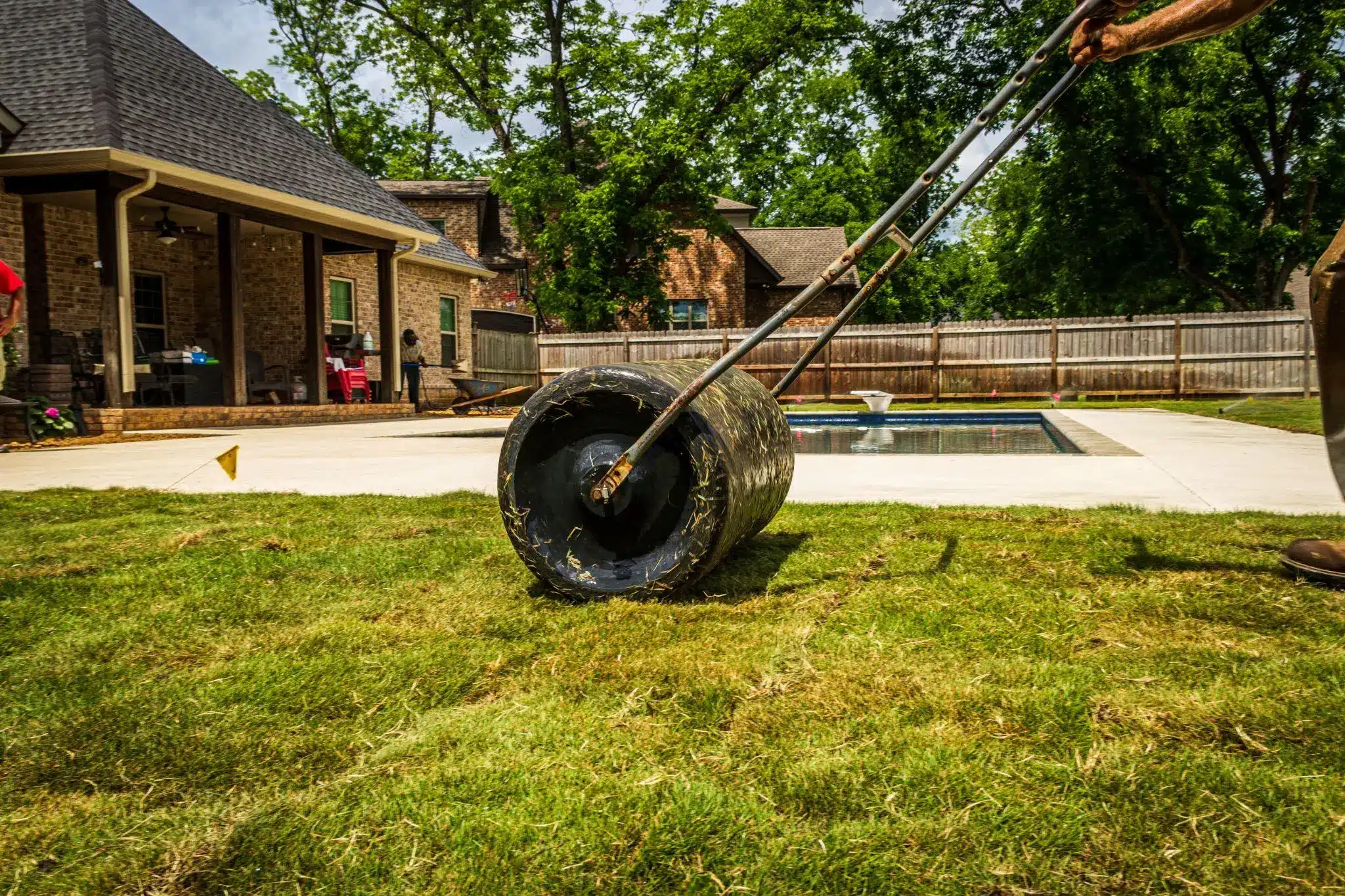
Foot traffic pushes turf fibers flat over time. This is called matting, and it is the single biggest reason synthetic lawns start looking worn before they should.
The fix is simple. Use a stiff-bristle broom (not a metal rake) and brush against the natural grain of the fibers. This lifts the blades back upright and redistributes infill material evenly across the surface.
A backyard used by kids and pets might need brushing every two to three weeks. A decorative front yard with light foot traffic can go a month or more. Focus extra attention on high-traffic zones: the path from the back door, around outdoor seating, and anywhere pets tend to run.
Spot Cleaning Stains and Spills
Most everyday messes rinse right off with water. But some stains need a little more attention.
For food or drink spills, blot the area with a cloth first. Then mix a small amount of mild dish soap with warm water and gently scrub with a soft-bristle brush. Rinse thoroughly. For sticky substances like gum or tree sap, press an ice cube against the spot and scrape gently once it hardens.
A few things to avoid: never use bleach or harsh chemical cleaners, as they break down turf fibers and discolor the surface. Skip metal scraping tools that can tear the backing. And stay away from pressure washers at close range, which can displace infill and damage the turf structure.
Pet Owners: Your Turf Needs Extra Attention
Artificial turf is one of the most pet-friendly outdoor surfaces available, but pet waste demands a consistent routine. Pick up solid waste promptly. For urine, rinse the area with water as soon as possible. In hotter months, odor can build quickly if left unattended.
An enzyme-based turf deodorizer applied weekly keeps odors in check without masking them. These products break down the bacteria that cause the smell rather than covering it with fragrance. If your pet has a favorite spot, give that zone an extra rinse and a deeper scrub with a mild soap solution.
Seasonal Deep Cleaning
Beyond weekly rinsing and regular brushing, plan for a deeper clean at least twice a year. Spring and fall are the natural checkpoints.
A seasonal deep clean involves clearing accumulated debris from edges and seams, cross-brushing the entire surface, rinsing thoroughly to flush fine particles, and inspecting drainage to confirm water is not pooling.
For larger properties, professional turf maintenance makes the process faster and more thorough. Commercial turf installation projects often include care guidance from the installer. Trimen Landscape, a Tampa Bay landscaping company with over 20 years of experience, builds maintenance recommendations into their commercial projects so facility managers can protect that investment from day one.
Turf that doubles as a play area should also be sanitized during seasonal cleaning. A diluted vinegar solution or a commercial antimicrobial spray works well for this.
A Simple Cleaning Schedule
Weekly: Light rinse with a garden hose to clear dust and surface debris.
Every 2 to 3 weeks: Brush against the grain in high-traffic areas.
As needed: Spot clean stains, pick up pet waste, apply enzyme cleaner for odors.
Twice a year: Full deep clean with debris removal, cross-brushing, full rinse, and drainage check.
Artificial turf is a long-term investment in your property’s appearance and function. Like any part of your landscape, consistent upkeep is what protects that value over time. A little routine care goes a long way.
If you are exploring your options for synthetic grass or looking to upgrade an existing outdoor space, Trimen Landscape provides professional installation with a design-first approach for families and property managers across Tampa Bay.