Home should make daily life easier, but fibromyalgia can expose dozens of small design problems that most people barely notice. A low sofa becomes difficult to leave. Heavy cookware makes dinner unnecessarily tiring. Clutter turns into another obstacle during a painful morning.
Even the bedroom can work against someone dealing with widespread tenderness and poor sleep. Fibromyalgia commonly involves pain, stiffness, fatigue, sleep problems, and difficulties with concentration. A useful home setup accounts for those symptoms without turning every room into a medical space.
Build the Bedroom Around Changing Pain Levels
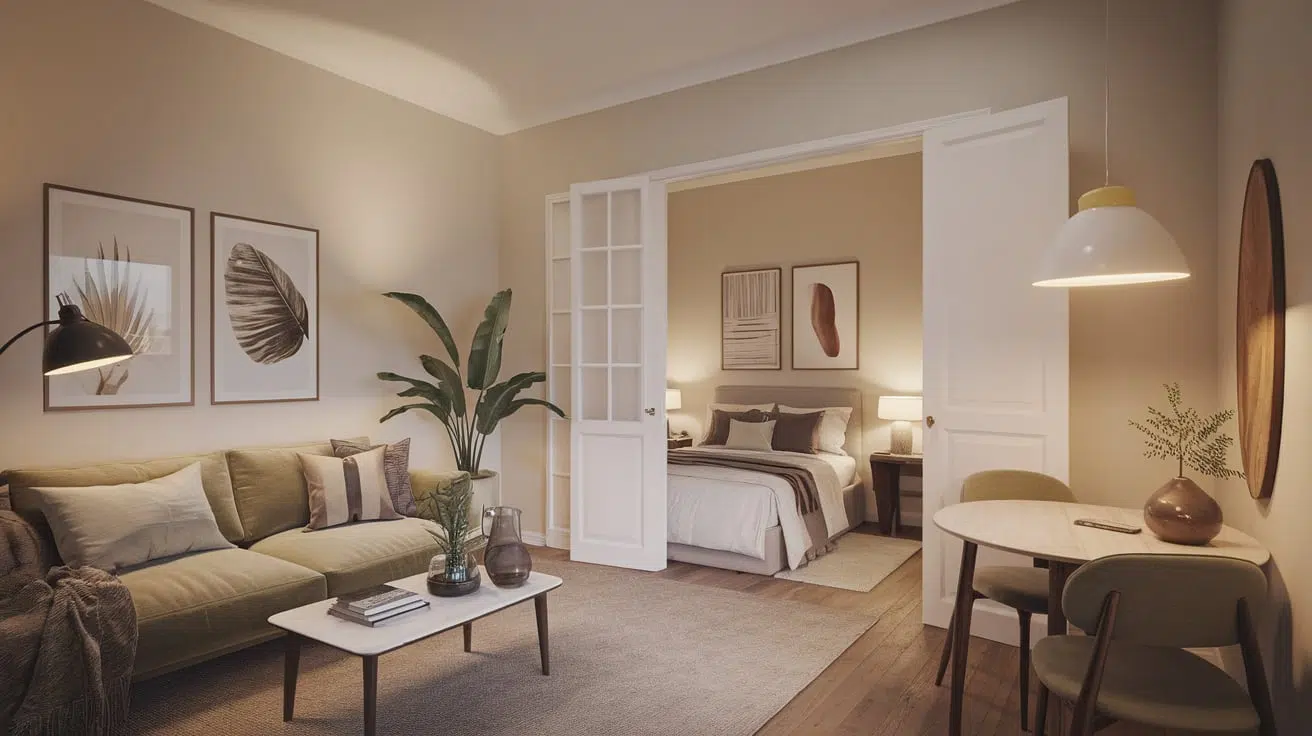
The bedroom deserves particular attention because poor sleep and fibromyalgia frequently occur together. A person may spend plenty of time in bed yet wake feeling tired, stiff, or sore.
That makes the bed more than a decorating decision. When buying a mattress for fibromyalgia sleep pain, you should think about how the surface handles pressure, body support, temperature, and movement rather than assuming that the firmest mattress will automatically be best.
Fibromyalgia symptoms are not necessarily identical every night. One evening, the shoulders may be particularly sensitive; another day, discomfort may be concentrated around the back or hips. A sleep surface should feel supportive without creating uncomfortable pressure against tender areas.
The rest of the bedroom matters too. Keep frequently used items within comfortable reach of the bed. A stable bedside table can hold water, medications when appropriate, glasses, or a phone without requiring repeated stretching or bending.
Light and temperature deserve attention as well. CDC sleep guidance recommends a bedroom that is dark, quiet, cool, and comfortable.
Choose Furniture That Is Easy to Get Into and Out Of
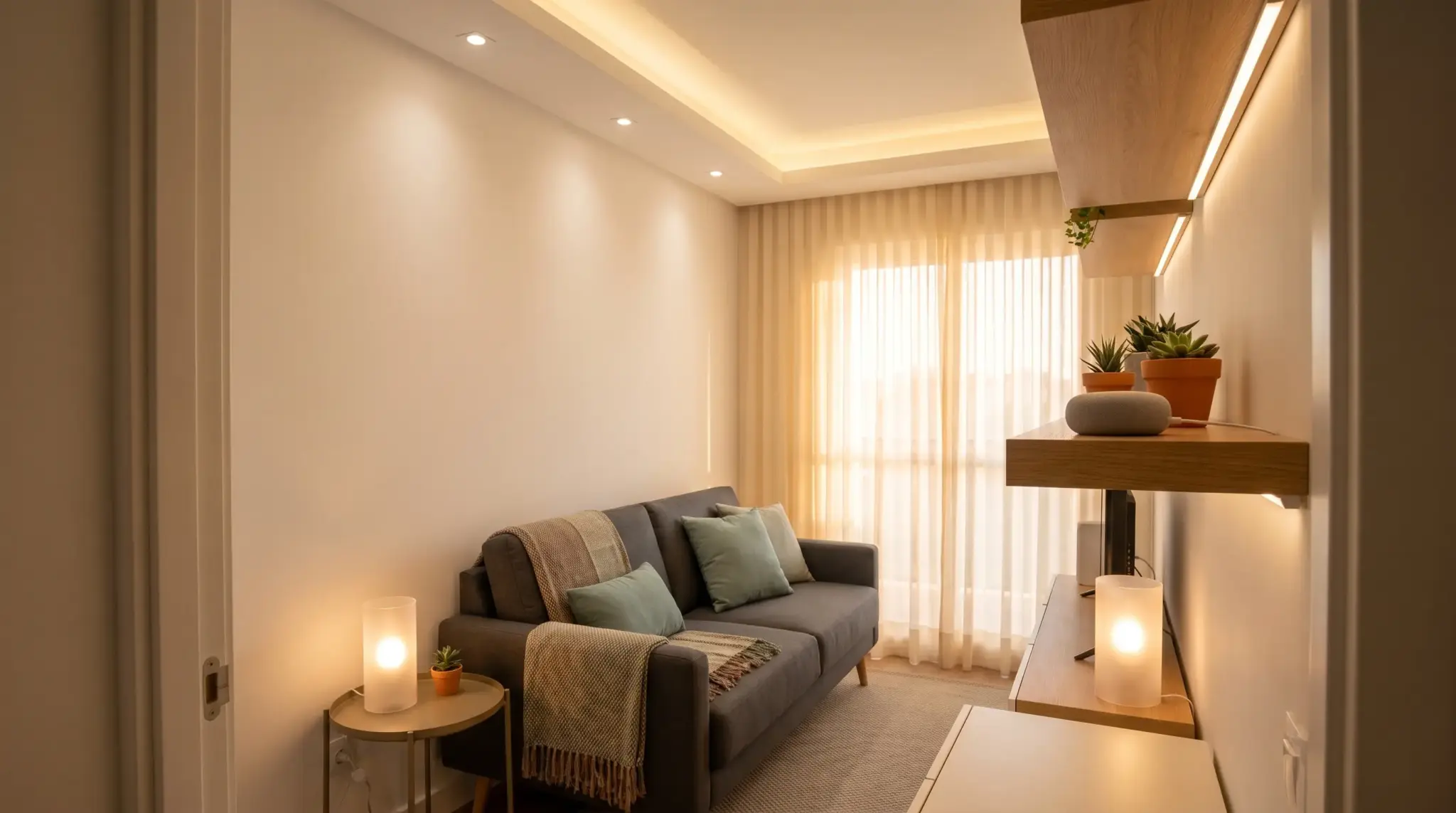
A giant, soft sofa can look inviting until standing up from it becomes an event.
Deep furniture may require considerably more effort from the hips, legs, and core. During a fibromyalgia flare, that extra work can feel disproportionate to something as ordinary as leaving the couch.
Consider seating with supportive backs, useful armrests, and heights that allow relatively easy transitions between sitting and standing. This does not mean every chair needs to look clinical.
Test furniture based on movement, not just how comfortable it feels while sitting still.
Can you stand without rocking forward several times? Can you reposition easily? Does the chair support your back without forcing you into an awkward posture?
The same thinking applies to beds. An extremely low bed may make standing difficult, while an excessively high one can create problems getting in.
Comfort includes the transition in and out.
Reduce Unnecessary Bending, Reaching, and Carrying
A well-organized fibromyalgia-friendly home saves movements.
Consider the kitchen. If the coffee mugs used every morning are on the highest shelf, accessing them requires repeated reaching. If heavy pans live in a low cabinet, cooking begins with bending and lifting.
Move frequently used objects into the easiest-to-reach areas.
Reserve awkward upper and lower storage for lightweight or rarely needed items. Keep commonly used cleaning supplies close to where they are actually used rather than carrying one large collection around the house.
Similar changes can work in wardrobes, bathrooms, laundry rooms, and home offices.
The idea resembles a basic ergonomic principle: design the environment around the capabilities of the person using it. NIOSH notes that ergonomics involves fitting tasks and demands to people’s capabilities, including attention to equipment and lighting.
Your kitchen cabinets are not an industrial workstation, but your shoulders do not know the difference.
Create Places to Rest Without Retreating to Bed
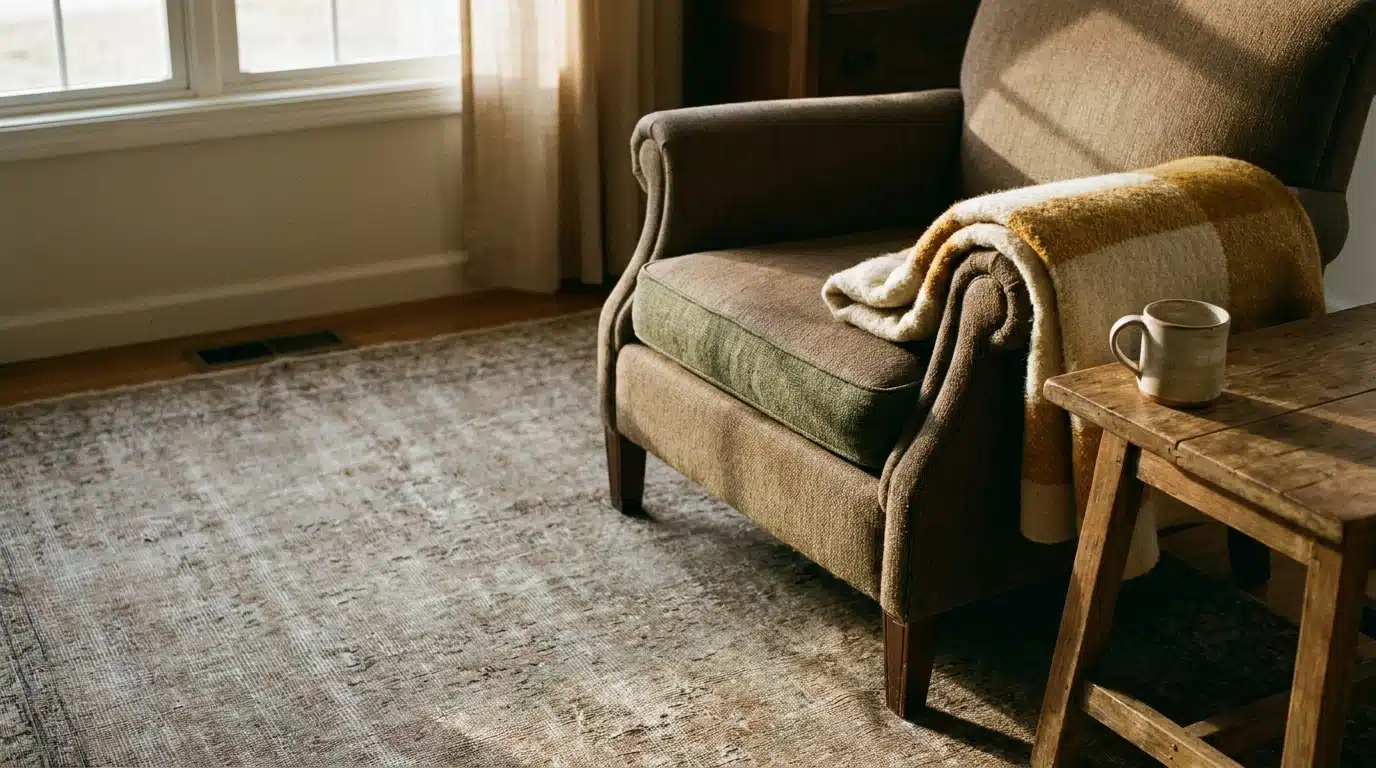
Fatigue can make rest necessary, but the bedroom does not have to become the only comfortable place in the house.
Create one or two supportive resting spots in areas where daily life happens.
A comfortable chair in the living room, for instance, allows someone to sit while talking with family instead of disappearing upstairs whenever energy drops. A stool in the kitchen can make certain food-preparation tasks possible while seated.
This can also make pacing easier.
Instead of completing a physically demanding task until exhaustion forces a long break, activities can be divided into shorter periods with convenient rest in between.
Resting does not have to mean remaining completely inactive for the rest of the day. CDC guidance for fibromyalgia includes physical activity among approaches that can help people manage symptoms and improve function.
The home should make both movement and recovery practical.
Make the Bathroom Less Physically Demanding
Bathrooms combine several things that can become troublesome during a painful or fatigued day: hard surfaces, water, bending, reaching, and getting up and down.
Start with the ordinary routines.
Are towels easy to reach? Does retrieving toiletries require crouching under a sink? Is the shower floor slippery? Does someone have to stand for a long time while completing grooming tasks?
Simple rearrangement can eliminate some of those difficulties.
Frequently used toiletries can remain between roughly waist and shoulder height. A shower caddy can reduce reaching. Nonslip surfaces can address obvious slipping hazards. Some people may find a shower seat useful when prolonged standing is tiring, although individual mobility needs vary.
Good lighting also matters, particularly during nighttime bathroom visits.
Clear the route between the bedroom and bathroom rather than relying on sleepy obstacle-course skills at 3 a.m.
Set Up the Kitchen for Low-Energy Days
Cooking can involve more physical work than it appears to.
There is standing, chopping, reaching, lifting, stirring, carrying, cleaning, and then discovering that the pan you need is underneath six other pans.
A fibromyalgia-friendly kitchen should make simple meals genuinely simple.
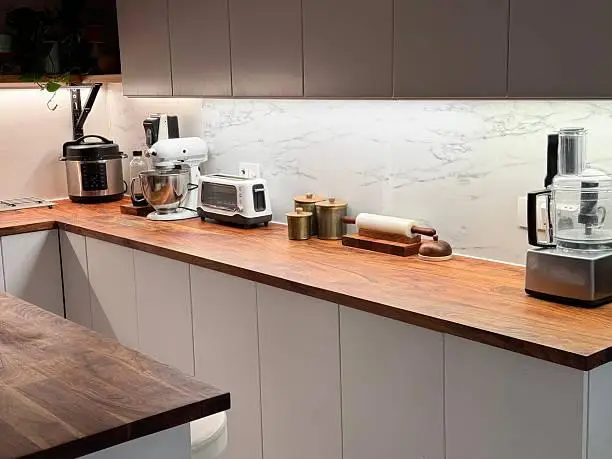
Keep a few lightweight pieces of cookware accessible. Store frequently used ingredients where they can be reached comfortably. Consider appliances that reduce repetitive preparation when those tasks are difficult.
A chair or stool can provide an alternative to standing throughout food preparation.
It also helps to design the kitchen around bad days rather than an imaginary week when energy is always abundant. Keeping straightforward meal options available can reduce the amount of preparation required during a flare.
Not every dinner needs to become a project.
Give the Home Office Proper Ergonomic Attention
Working from the sofa with a laptop may feel comfortable for ten minutes. Several hours is another matter.
For people who work from home, an adjustable setup can reduce unnecessary physical strain. NIOSH recommends seating that supports the body appropriately, keeping the feet supported, avoiding prolonged work from soft couches where possible, and varying posture regularly.
Place the screen where prolonged viewing does not require constantly looking downward. Keep the keyboard and mouse within easy reach. Support the lower back if the chair lacks adequate support.
Then change position.
Even a technically good posture can become uncomfortable when maintained for too long. NIOSH notes that prolonged static positioning can contribute to muscle fatigue.
A good workstation provides options rather than demanding that someone hold one supposedly perfect position all afternoon.
Organize the Entire Home Around Flare Days
The most useful fibromyalgia-friendly home may be one that remains manageable when symptoms are at their worst.
Think through a difficult day.
Can essential items be reached easily? Are walking routes clear? Can chores be divided into smaller pieces? Is there somewhere comfortable to sit in the rooms used most often? Can commonly needed objects be found without searching through crowded drawers?
Reducing clutter can be particularly useful when fatigue and concentration problems arrive together. Fibromyalgia can involve difficulties with memory and concentration in addition to physical symptoms. Simple storage systems, visible labels where helpful, and consistent locations for important objects can remove needless decisions.
The objective is not to redesign the entire house around an illness. Nor does every useful change require expensive equipment.
Often the biggest improvements are mundane: moving a saucepan, adding a chair, clearing a walkway, changing a pillow, improving lighting, or putting tomorrow’s clothes somewhere accessible.
Fibromyalgia symptoms can fluctuate, so flexibility matters more than creating a supposedly perfect setup. A home that offers several comfortable places to sit, easy access to everyday items, manageable work surfaces, and a bedroom designed around restful sleep gives someone options when pain or fatigue changes unexpectedly.
On a good day, many of those adjustments may barely be noticed. On a difficult one, having fewer unnecessary physical demands around the house can make ordinary life considerably easier.