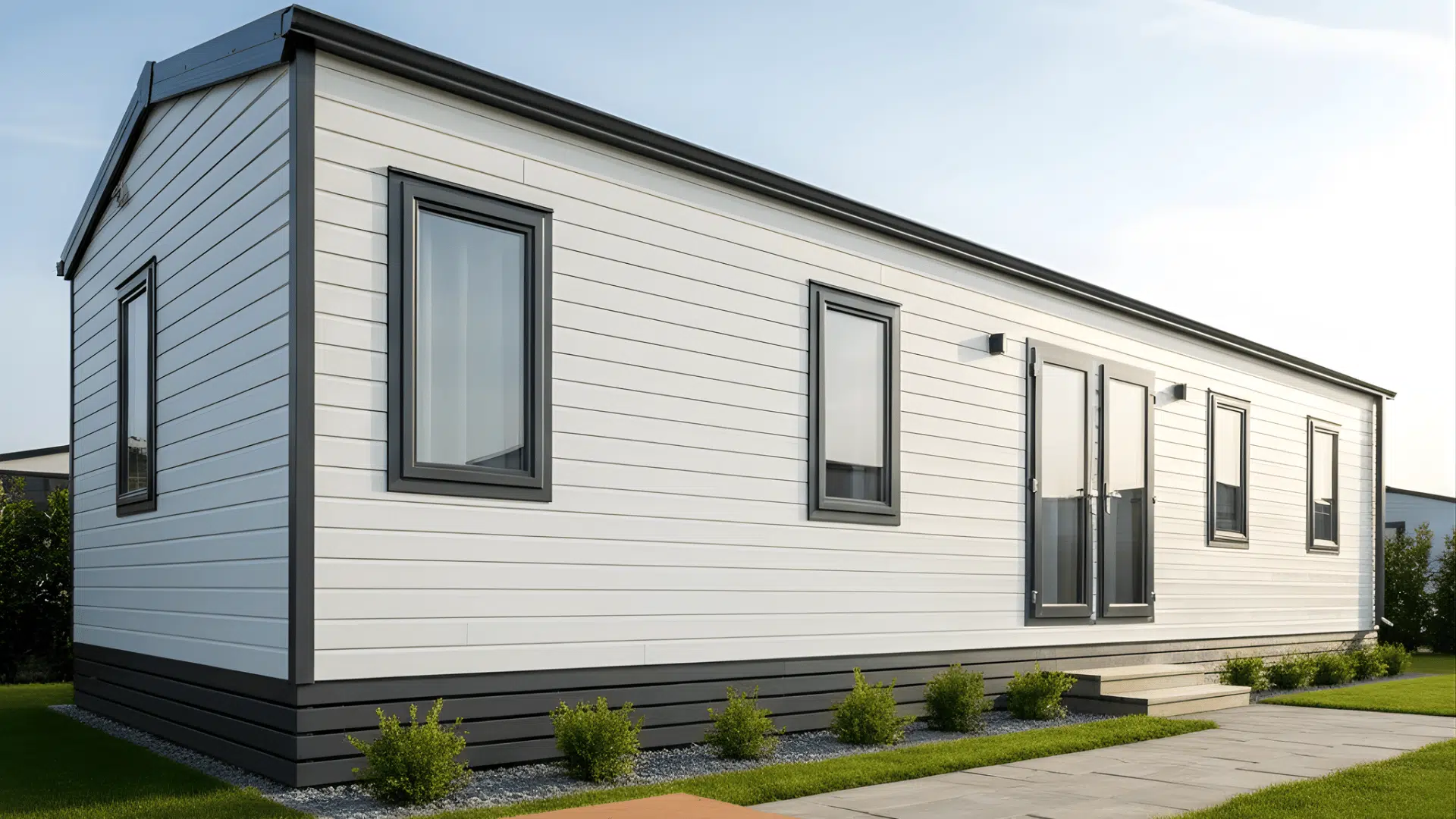
The modern home is shrinking. Whether by choice or necessity, more people are embracing smaller footprints, from apartments and condos to tiny homes and converted spaces. This shift has sparked genuine innovation in how we think about domestic comfort and functionality. The challenge isn’t just fitting furniture into less square footage; it’s about creating environments that feel spacious, organized, and genuinely livable despite physical constraints.
Smart home technology has emerged as a practical solution for maximizing smaller spaces. Automation systems, connected devices, and thoughtful integration can transform how a compact home functions, making it feel larger and more efficient without requiring renovation or major investment.
For homeowners and renters working with limited room, understanding how to layer smart solutions strategically can mean the difference between a cramped space and one that feels intentional and well-designed. Tools like a mini PC can serve as a central hub for managing multiple smart devices without consuming valuable desk or shelf space.
Understanding Your Space and Needs
Before purchasing any smart home devices, assess what your smaller space actually requires. Start by identifying pain points: Is storage the issue? Is temperature control inconsistent? Do you struggle with lighting? Is it difficult to manage multiple devices or systems? Smart home solutions work best when they address real problems rather than adding complexity for its own sake.
In smaller homes, every device and system should earn its place. This means prioritizing automation that genuinely improves daily life. For example, smart lighting that adjusts based on time of day or occupancy can make a space feel larger by eliminating harsh shadows and creating visual flow. Smart thermostats reduce the need for manual adjustments and free up mental energy. Motion-activated systems can eliminate the need for visible switches and controls, keeping walls cleaner and less cluttered.
Consider your lifestyle too. If you work from home, your smart setup will differ from someone who primarily uses the space for sleeping and entertaining. Renters face different constraints than owners. A young family has different priorities than a single professional. Your smart home strategy should reflect your actual daily patterns, not an idealized version of how you think you should live.
Choosing the Right Devices and Priorities
The smart home market is crowded with options, and it’s easy to get overwhelmed. Rather than trying to automate everything at once, start with one or two systems that address your most pressing needs. This approach prevents decision fatigue and allows you to understand how devices integrate before expanding.
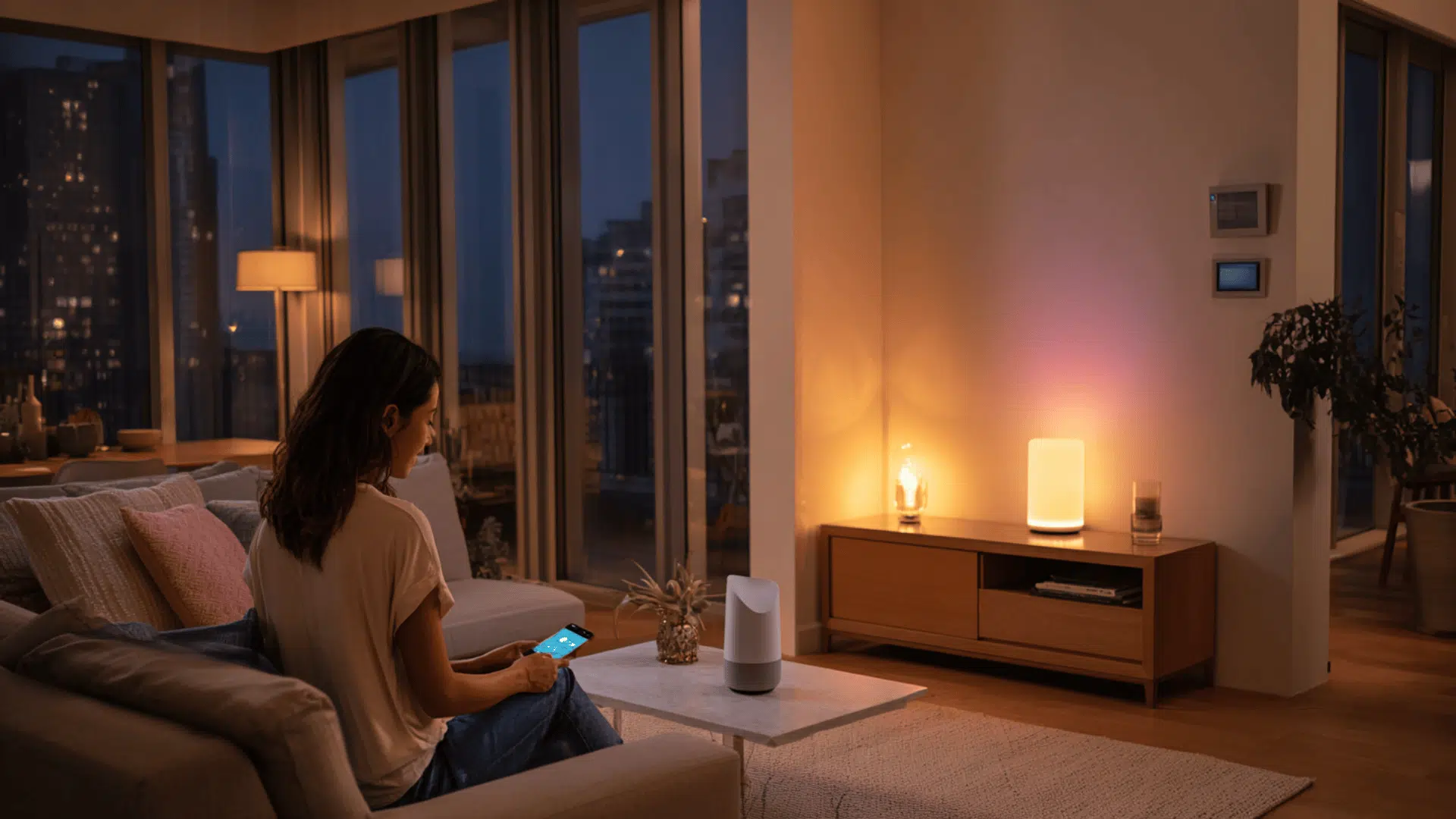
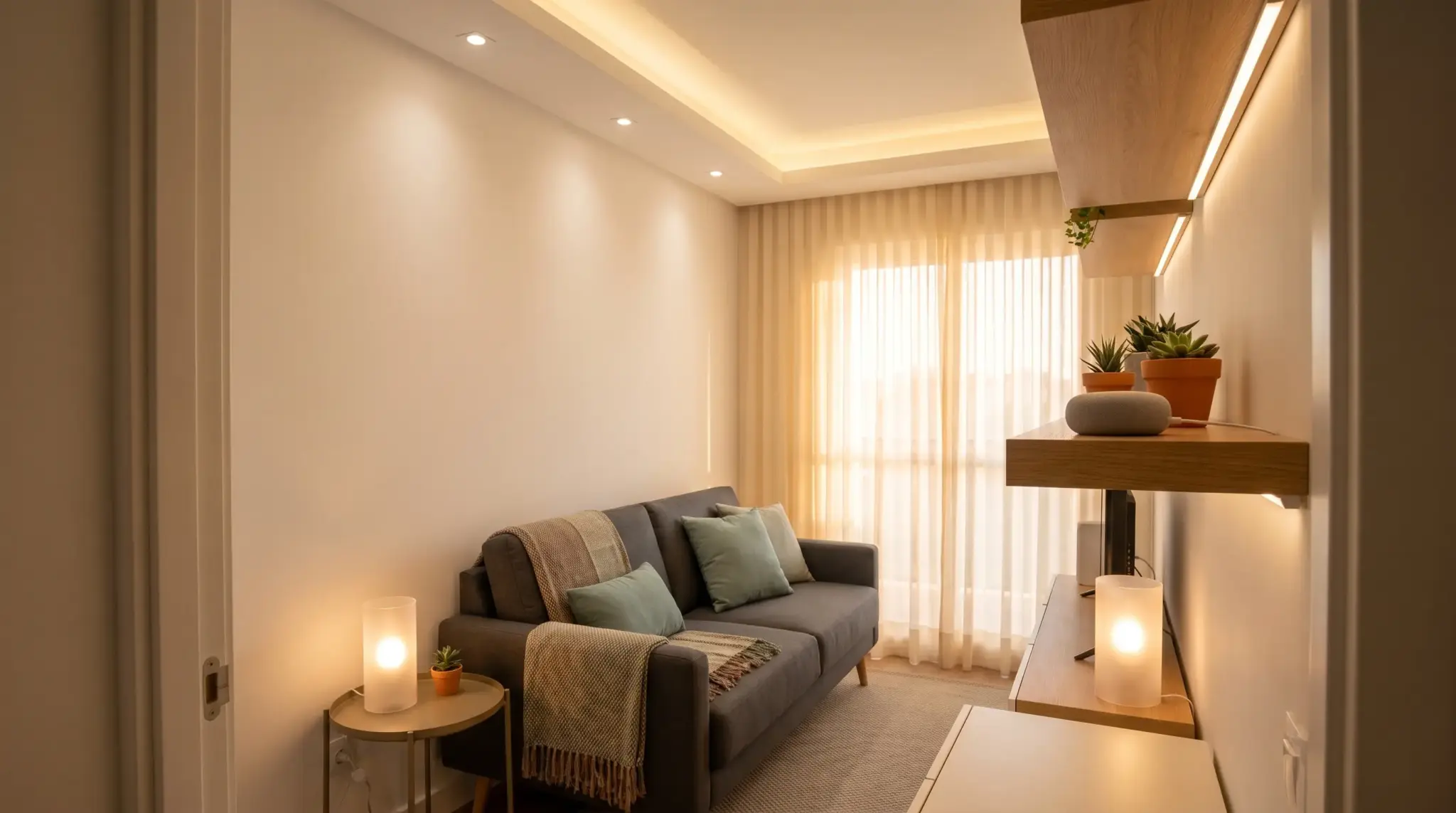
Lighting is often the best starting point. Smart bulbs and switches are relatively affordable, don’t require renovation, and have an immediate visual impact. They can be controlled remotely, scheduled automatically, and adjusted for color temperature to support better sleep and focus. In smaller spaces, good lighting can psychologically expand the room by eliminating dark corners and creating visual interest.
Climate control comes next for many people. Smart thermostats learn your patterns and adjust heating or cooling automatically, which is especially valuable in smaller spaces where temperature fluctuations are more noticeable. They also provide insights into energy consumption, helping you identify inefficiencies.
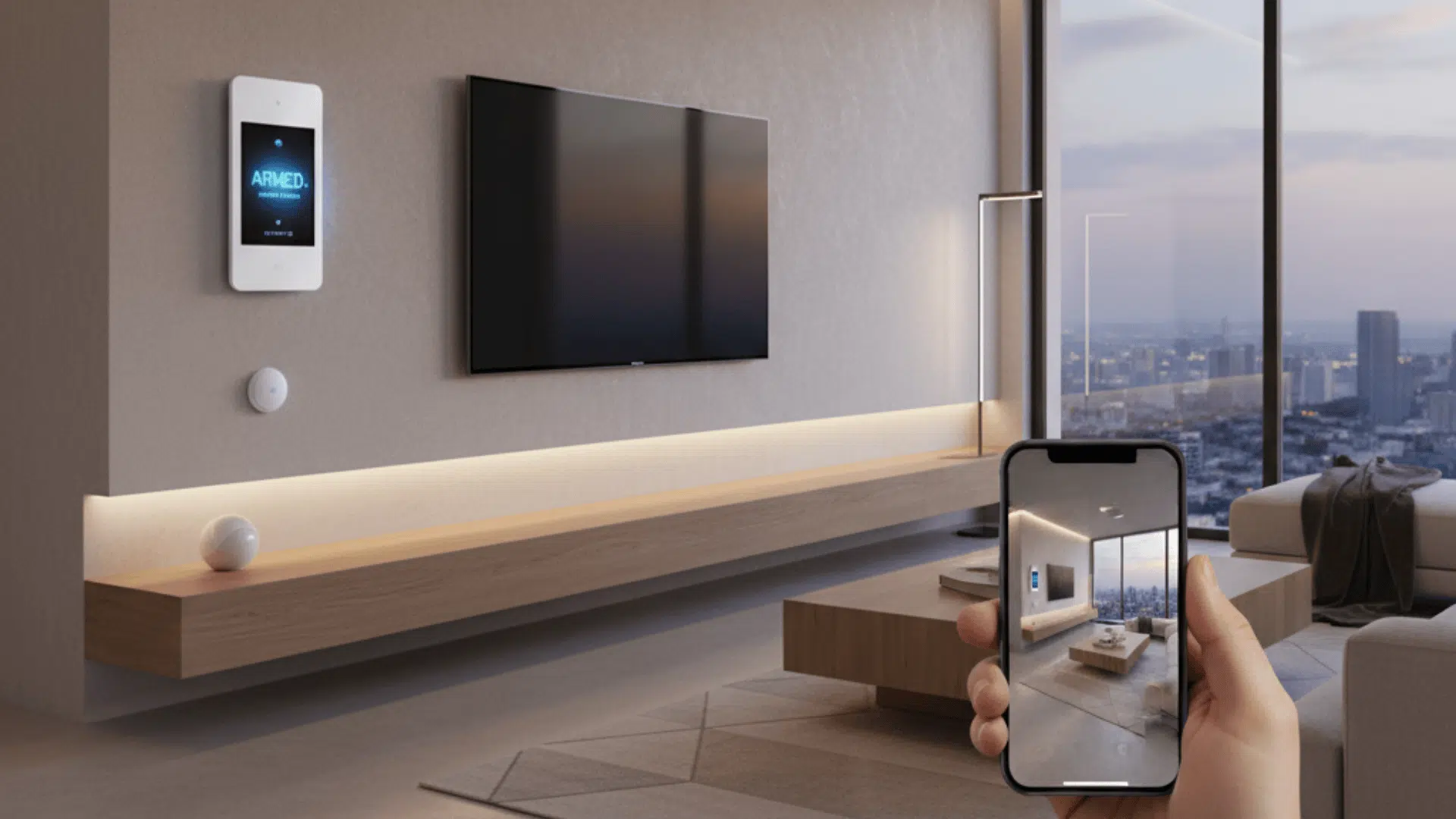
Security and access systems are another logical choice. Smart locks, cameras, and sensors provide peace of mind while eliminating the need for visible hardware like deadbolts or alarm system keypads. This is particularly useful in rental situations where you want security without permanent modifications.
Integration and Centralized Control
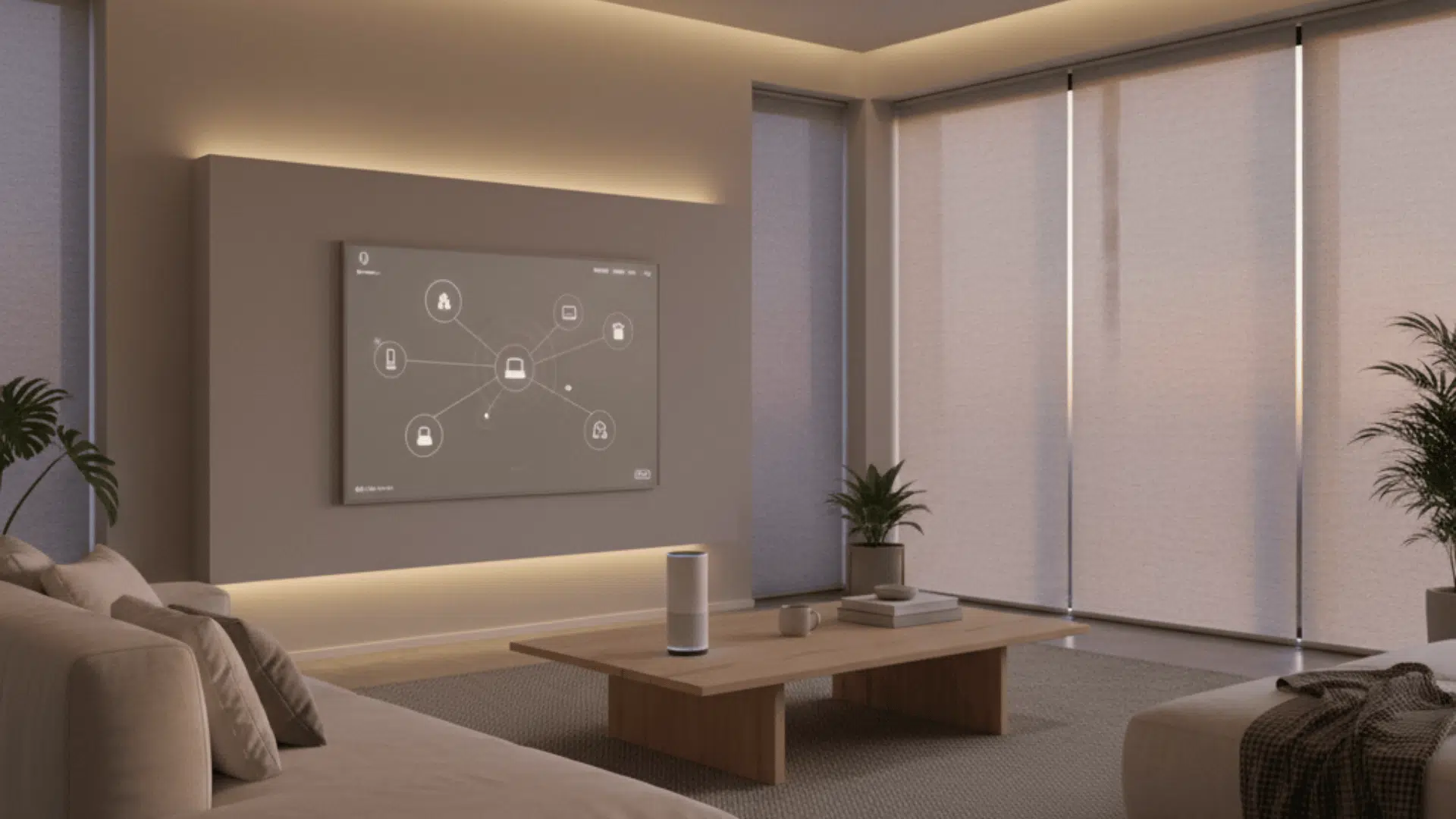
The real power of smart home technology emerges when devices communicate with each other and can be controlled from a single interface. Rather than managing separate apps for lighting, climate, security, and entertainment, a centralized system simplifies daily interaction and reduces the mental load of managing your environment.
Most smart home ecosystems operate through a central hub or controller that communicates with individual devices. This hub can be a dedicated device or software running on a computer or tablet. The hub allows you to create automation routines, such as having lights dim and temperature adjust when you leave for work, or having everything power down at night.
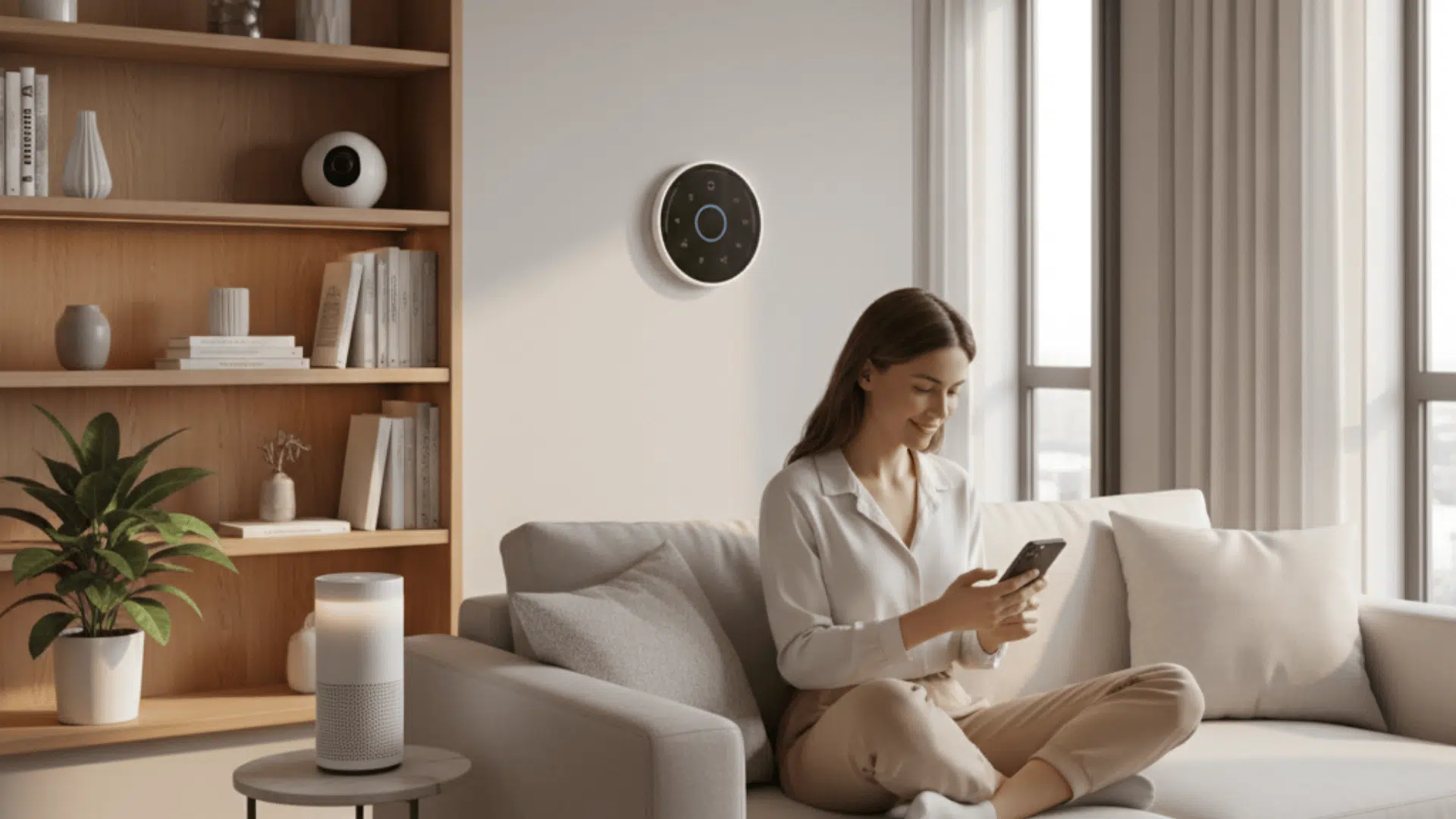
For smaller spaces, this centralization is particularly valuable because it reduces physical clutter. Instead of multiple remotes, switches, and control panels scattered throughout the room, everything operates through a phone app or a single control interface. This creates a cleaner visual environment and makes the space feel more organized.
Practical Implementation Without Overwhelming Your Space
Installing smart home technology in a smaller space requires thoughtfulness. You can’t hide wiring or devices behind furniture or in closets the way you might in a larger home. Every component should be visually considered.
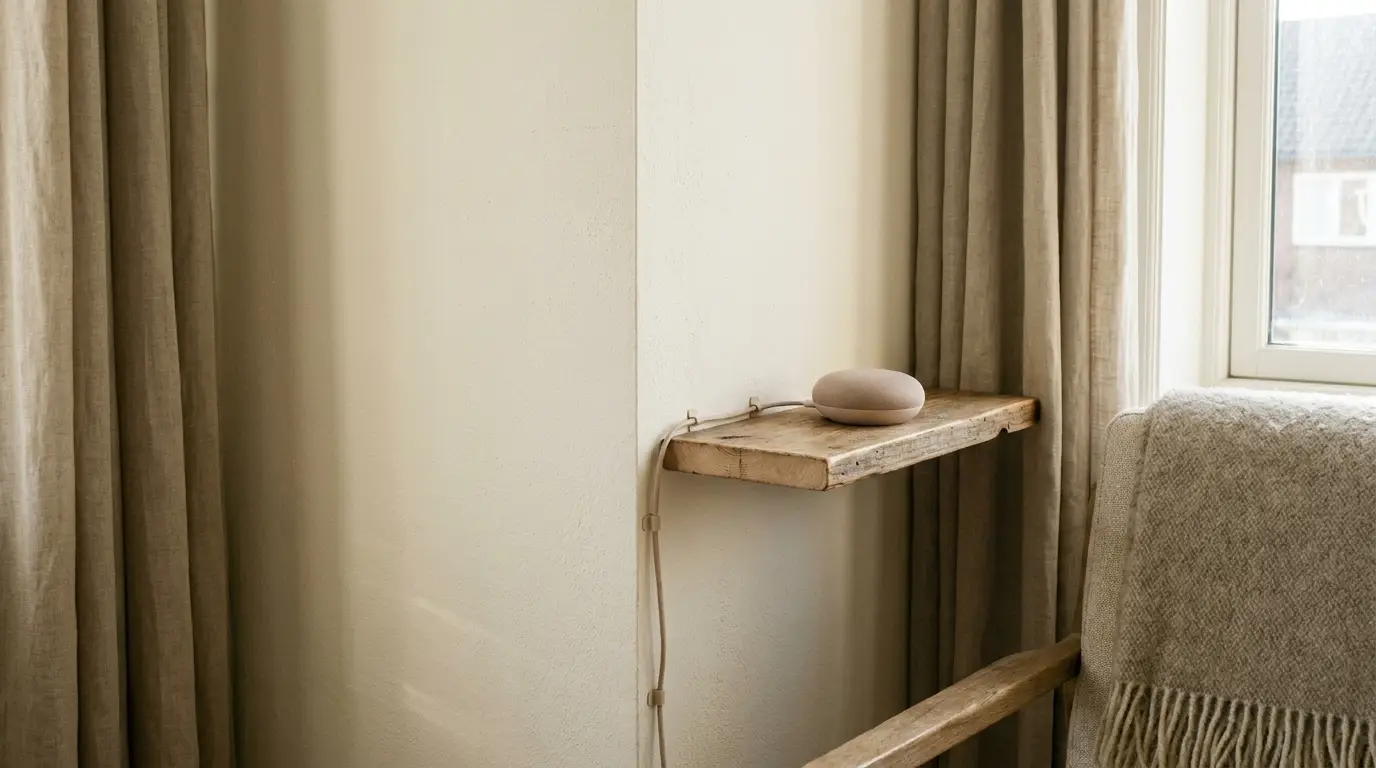
Start by identifying where devices will physically live. Smart speakers and hubs should be placed where they’re functional but not visually dominant. Wall-mounted tablets or control panels should be positioned logically, ideally near entry points or in central living areas. Wireless devices are preferable to wired ones in smaller spaces because they eliminate visible cables and offer more placement flexibility.
Cable management becomes critical. Use clips, conduit, or shelving solutions to keep charging cables and connections organized. This prevents the visual chaos that can make a small space feel even more cramped. Consider devices with built-in batteries or long battery life to reduce the number of permanent power connections needed.
Balancing Automation with Simplicity
There’s a tempting trap in smart home setup: automating everything just because you can. In smaller spaces, this approach backfires. Too many automated systems create complexity rather than convenience. They consume power, generate notifications, and can make a space feel overly technical rather than comfortable.
The best smart home setups for smaller spaces are actually quite simple. They focus on a few well-chosen automations that genuinely improve daily life. A lighting schedule that matches your natural rhythm. A thermostat that learns your preferences. A security system that provides peace of mind. These core systems work together seamlessly without requiring constant attention or adjustment.
Avoid the temptation to add devices just because they’re available. Each addition should solve a real problem or significantly improve your quality of life. This restraint keeps your space feeling calm and intentional rather than cluttered with gadgets.
Conclusion
Smart home technology offers genuine benefits for people living in smaller spaces, but only when implemented thoughtfully. The goal isn’t to automate everything; it’s to use technology strategically to make your compact home feel more spacious, comfortable, and efficient. Start by identifying your real needs, choose devices that address those needs directly, and prioritize integration and simplicity over quantity. When done well, smart home setup transforms a smaller space from feeling cramped into feeling intentionally designed and genuinely livable.