Electricity bills rarely spike without a reason, but the cause isn’t always obvious. Small habits, hidden energy drains, and inefficient systems often work together to push costs higher than expected.
If you’re trying to reduce your electricity bill at home, the key isn’t one big fix but knowing where your power goes and acting on the right areas first.
Today, I’ll break down the biggest energy users, simple habit shifts, low-cost upgrades, and smarter ways to pay less over time.
What Uses the Most Electricity in Your Home? Power Usage Breakdown
You can’t cut what you can’t see. Here’s where your power actually goes each month:
| Category | Share of Electricity Use | How It Uses Power |
|---|---|---|
| Heating and Cooling | 32% to 50% | Runs daily to maintain indoor temperature. Works harder in extreme weather and with poor maintenance. |
| Water Heater | Around 18% | Keeps water hot all day, even when nobody uses it. |
| Major Appliances | Around 25% combined | Fridge, dryer, washer, dishwasher, oven, stove. Each adds steady load. |
| Lighting and Electronics | Remaining share | Lights, TVs, computers, chargers, and standby devices. |
Just a few systems drive most of your bill. Heating and cooling lead by a wide margin because they run the longest hours. Water heaters follow, then appliances and electronics.
Focus your effort on these first. Small fixes in big-use areas save more than big fixes in small-use areas.
How to Check Where Your Electricity is Going
Guessing wastes effort. A quick check shows you exactly what’s driving your bill.
Start with your utility bill. Most providers now show a usage breakdown or compare your home to similar ones nearby. If your utility has an app, check it for hourly or daily patterns. Sharp spikes usually point to your AC, water heater, or dryer.
You can also track usage at home:
- Smart plugs show real-time power draw for single devices
- Energy monitors connect to your panel and track the whole home
- Manual check: note your meter reading once a week and compare
For a deeper look, book a home energy audit. Many utilities offer them free or at a low cost. An auditor can spot air leaks, insulation gaps, and old systems you’d miss on your own.
Once you know where the power goes, every fix after this pays back faster.
Quick Wins to Save on Electricity Today at Zero Cost
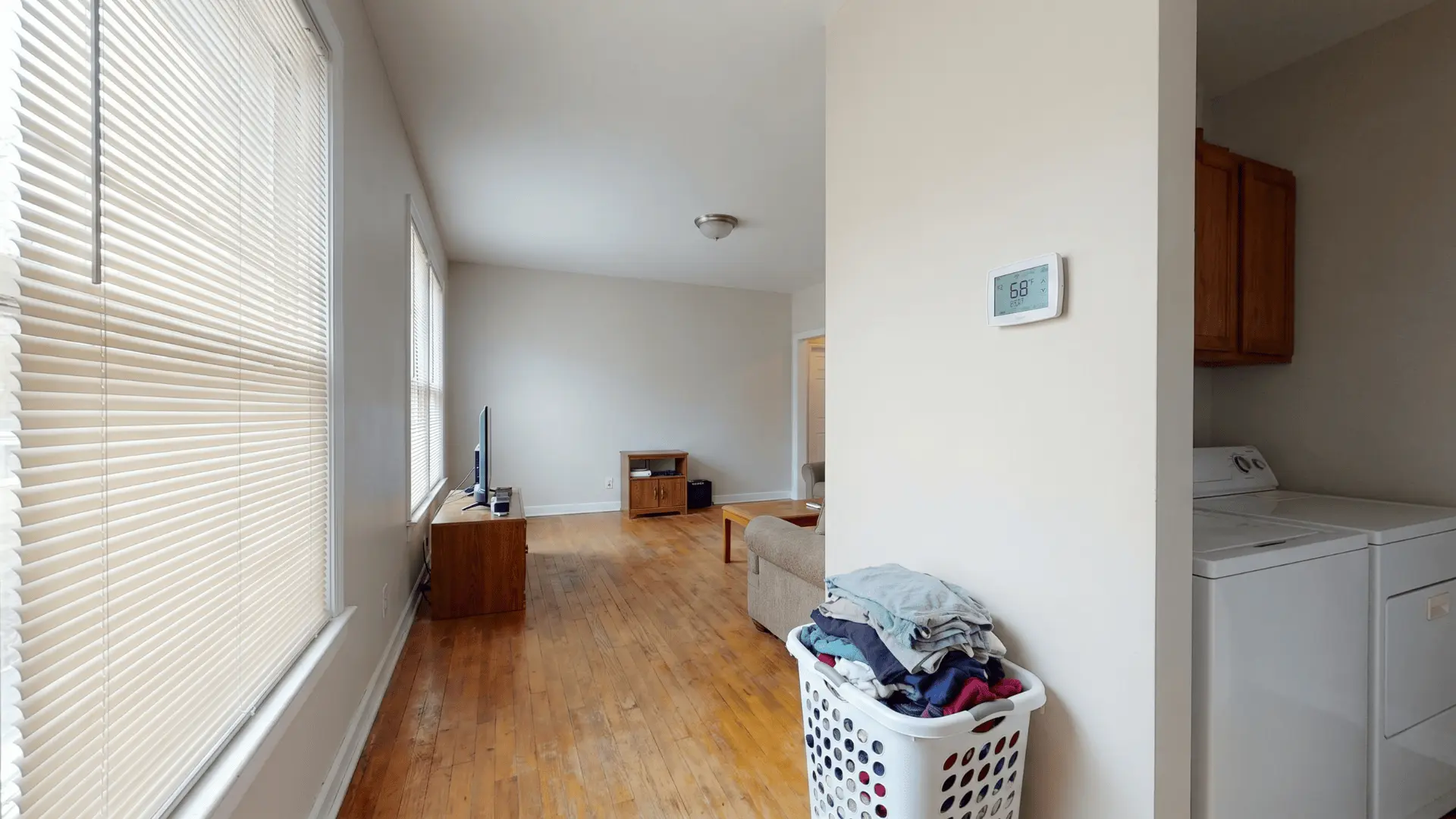
These tips don’t cost a dime. They just ask you to change a few habits. Most people see a drop in their next bill and save on electricity by doing these:
1. Adjust Your Thermostat
Your thermostat can lower your energy bill with small daily changes.
Set it back 7 to 10°F for 8 hours a day when you’re asleep or away. The U.S. Department of Energy says this can cut heating and cooling costs by up to 10%.
In summer, set it to 78°F when at home. In winter, keep it at 68°F. It may feel off at first, but most people adjust within a week.
2. Run Heavy Appliances Off-Peak
Electricity costs more when demand is high, typically between 4 PM and 9 PM on weekdays, though exact windows vary by utility.
Shift these tasks to early morning or late evening:
- Dishwasher cycles
- Laundry loads
- EV charging
- Pool pumps
Check your plan first. Many utilities offer time-of-use rates that reward off-peak use with lower prices.
3. Wash Clothes in Cold Water
Almost 90% of your washing machine’s energy goes to heating water.
Cold cycles clean just as well for most loads, and modern detergents are built for cold washes. Your clothes last longer, colors stay brighter, and your bill shrinks.
4. Only Run Full Loads
Half-loads waste water and power. Wait until your washer and dishwasher are full before starting a cycle.
If you must run a small load, use the quick wash or light cycle. It uses less water and less heat.
5. Use Your Blinds Smartly
Windows are the easiest way for heat to sneak in or out.
- Summer mornings: Close blinds on east-facing windows to block the rising sun.
- Summer afternoons: Close blinds on south- and west-facing windows to stop heat buildup when the sun is strongest.
- Winter days: Open south-facing blinds during the day to let free sunlight warm your rooms.
6. Air-Dry Clothes When You Can
Dryers use a lot of power. Every load you skip puts money back in your pocket.
Hang clothes on a line outside or use a drying rack indoors. Even air-drying half your loads makes a clear difference on your bill.
How to Reduce Standby Power: Phantom Load
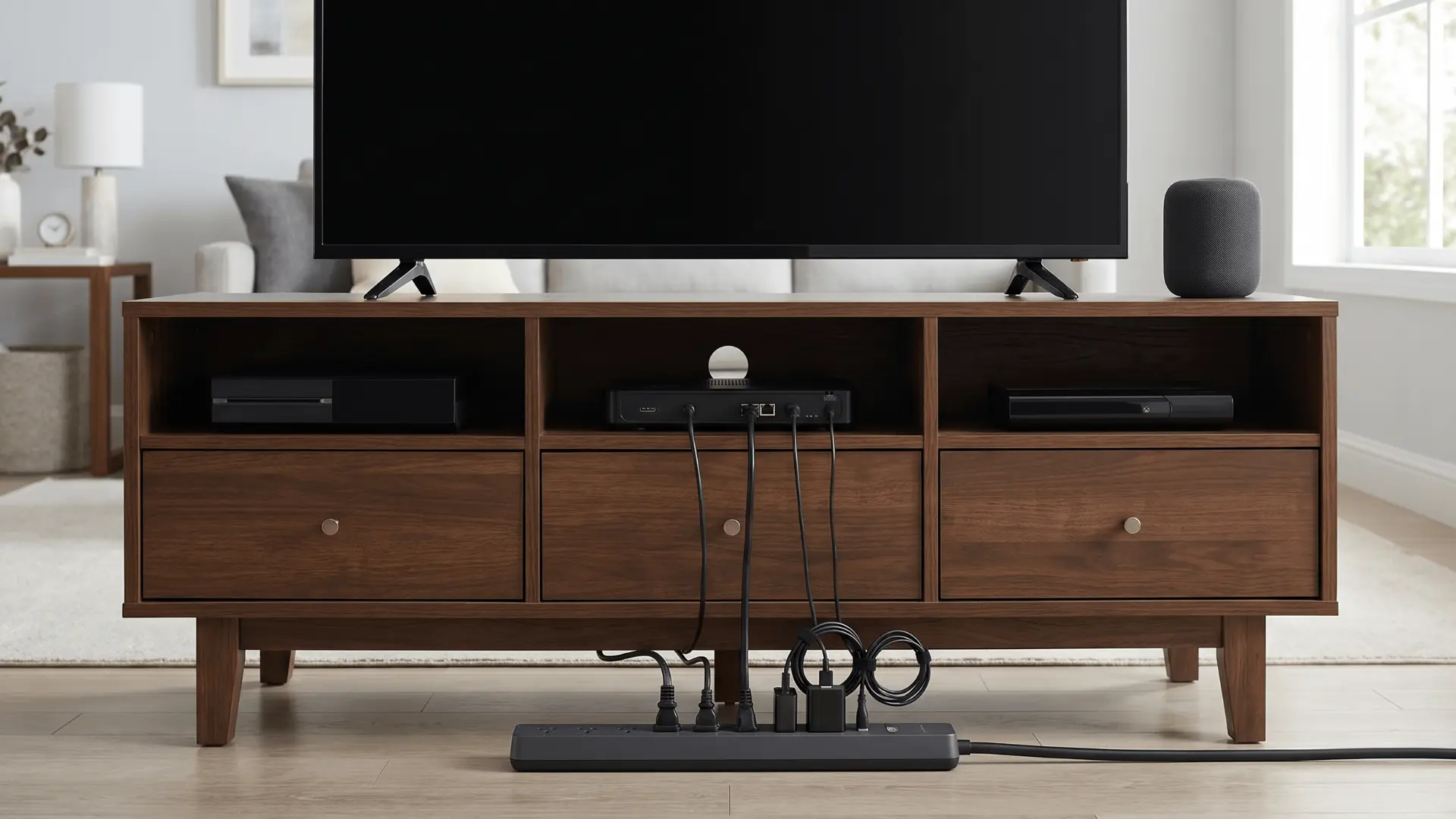
Many devices still use electricity even when turned off. This is called phantom load, and it quietly adds to your bill.
According to the U.S. Department of Energy, it can account for 5% to 10% of home energy use. That’s roughly up to $100 per year
This happens because devices stay ready for use. They wait for remote signals, keep displays lit, or stay connected to Wi-Fi 24/7.
The Worst Offenders
Some devices leak more power than others. target these first:
| Device Category | Why It Uses Standby Power | Risk Level for Phantom Load |
|---|---|---|
| TVs, Soundbars, Home Theater Systems | Stay ready for remote signals and quick start | High |
| Game Consoles (Instant-On Mode) | Maintain background updates and fast startup features | Very High |
| Cable Boxes and DVRs | Constantly update guides and record schedules | Very High |
| Computers, Monitors, Printers | Remain in sleep mode and maintain network connections | Medium to High |
| Phone, Tablet, Laptop Chargers | Draw small power even when not connected to a device | Low to Medium |
| Microwaves and Coffee Makers (Digital Clocks) | Power digital displays continuously | Low |
| Smart Speakers and Voice Assistants | Always listening for wake commands | Medium |
Note: Homes with 15 or more plugged-in electronics waste four times more standby power than homes with just 1 or 2 devices.
How to Stop the Drain
You don’t have to crawl behind the couch every night. A few smart tools make it easy.
- Smart power strips: These cut power to devices when a main device (like your TV) turns off. Great for entertainment centers and home offices.
- Unplug chargers: Pull phone and laptop chargers from outlets when nothing is connected.
- Set consoles to energy-saving mode: Switching an Xbox from Instant-On to Energy Saver mode can cut standby power by up to 98%.
- Use timers or smart plugs: Perfect for coffee makers, printers, and lamps.
- Kill-A-Watt meters: Plug one in to see exactly how much power any device pulls.
Set this up once, and the savings roll in on every bill going forward.
Low-Cost Upgrades with Fast Payback
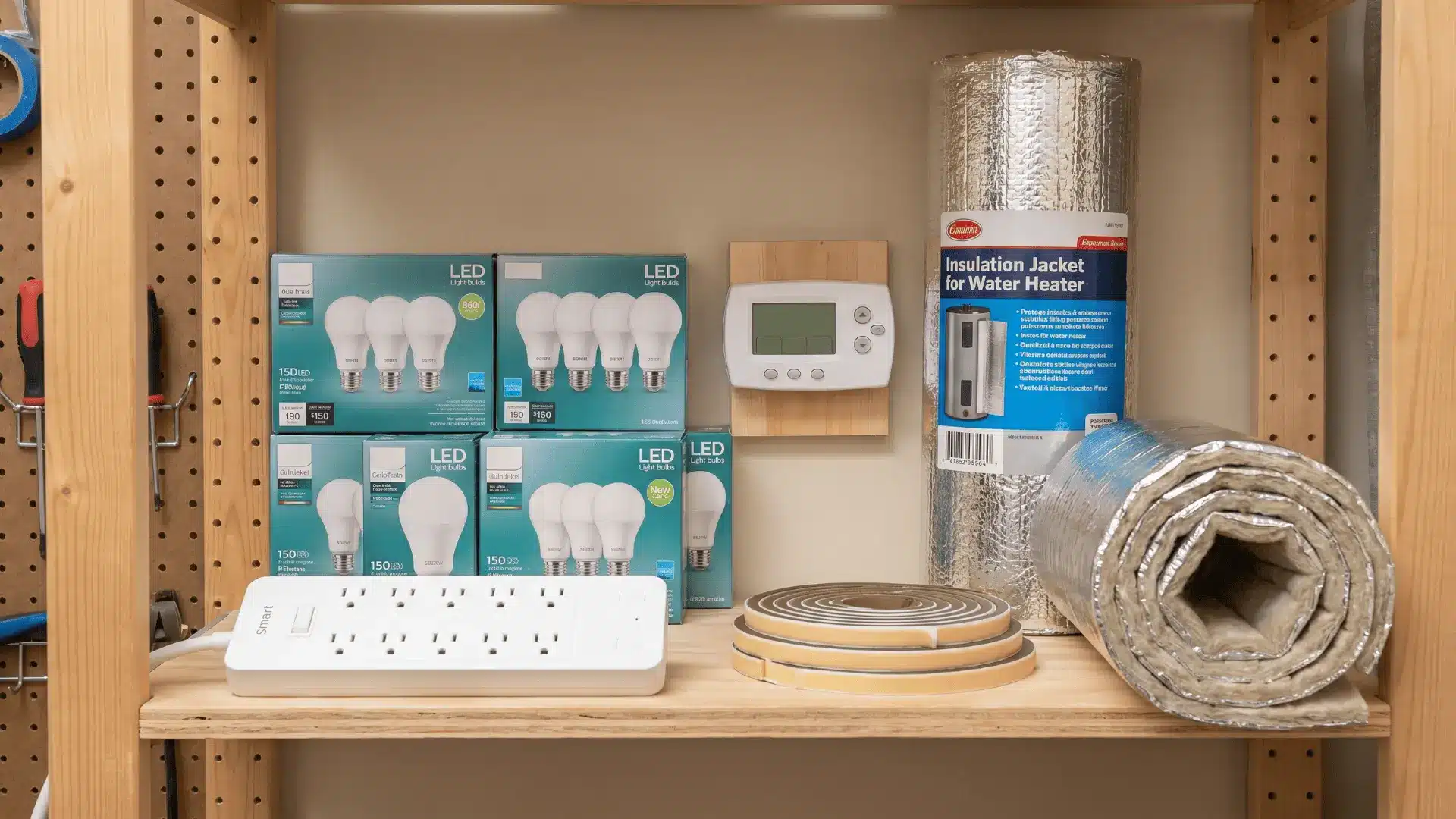
A few small upgrades can pay back in months, not years. These are the best bang-for-buck fixes for most homes.
1. Swap Old Bulbs for LEDs
If your home still runs on incandescent or CFL bulbs, this is the fastest win you can buy.
LEDs use up to 75% less energy than old bulbs. They also last up to 25 times longer. One pack of LEDs can pay for itself in a few months.
Start with the bulbs you use most: kitchen, living room, bathroom, and porch lights.
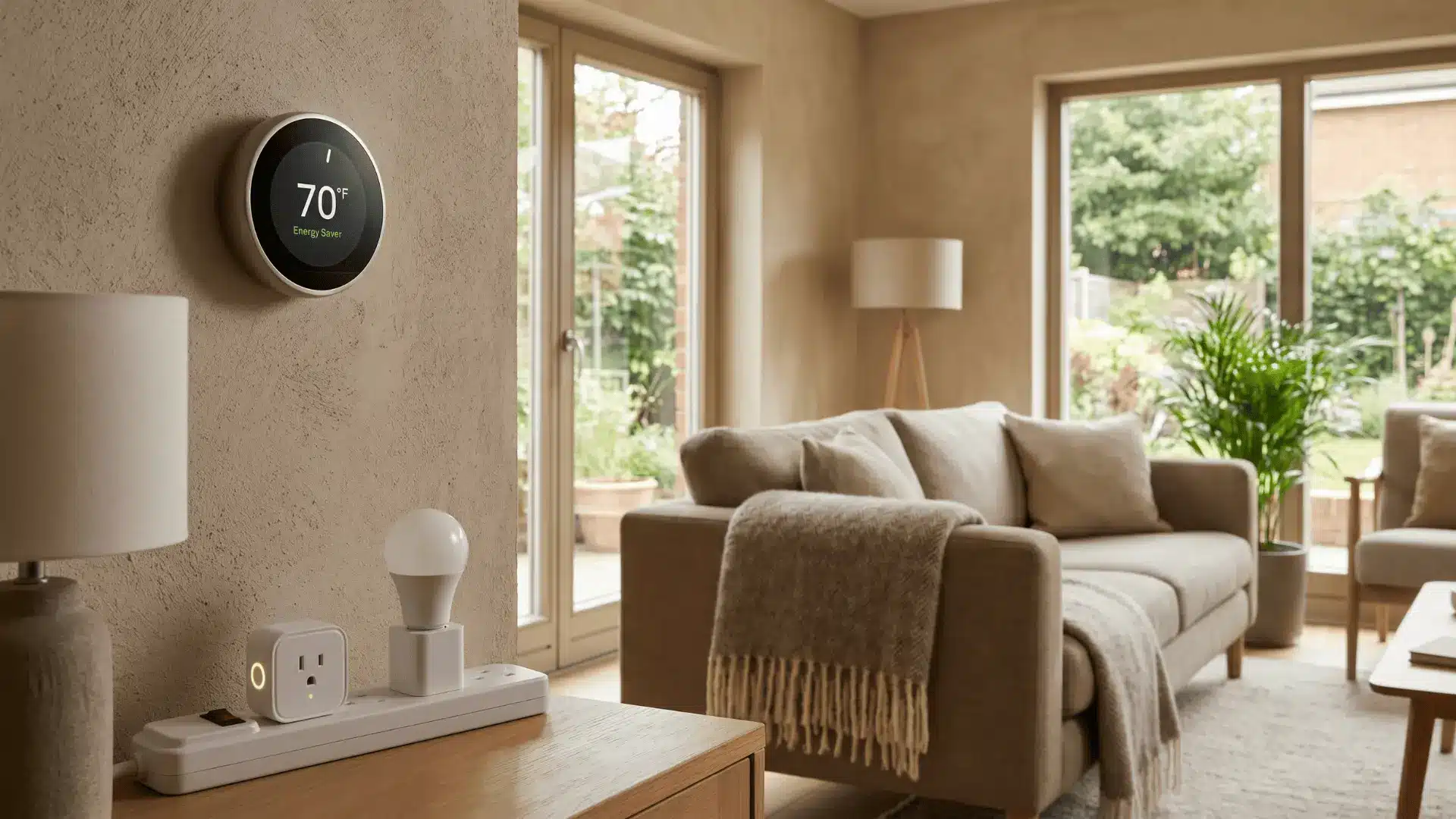
2. Install a Smart Thermostat
A smart thermostat learns your schedule. It turns the heat or AC down when you leave and back up before you return.
Most units cost $100 to $250. ENERGY STAR estimates savings of around $50 per year for average households, and up to$100 for homes that are empty most of the day.
Some utility companies even offer rebates, which can drop the price further. Look for ENERGY STAR-certified models with Wi-Fi and app control.
3. Add Smart Power Strips
Smart power strips kill phantom load in one move. Plug your TV, console, and soundbar into one strip. When the TV turns off, the strip cuts power to the rest.
Use them in these high-drain spots:
- Entertainment center
- Home office (computer, monitor, printer)
- Kitchen counter (coffee maker, toaster, microwave)
One $25 strip can pay for itself in under a year.
3. Seal Drafts Around Your Home
Air leaks force your HVAC to run longer. Sealing them keeps cool or warm air inside, where you want it.
Walk through your home on a windy day. Feel around:
- Window frames
- Door edges
- Outlets on exterior walls
- Attic hatches
- Vents and recessed lights
Weatherstripping, caulk, and foam gaskets cost a few dollars each. Homeowners can save an average of 15% on heating and cooling costs.
4. Insulate Your Water Heater and Turn It Down
Most water heaters come set to 140°F. That’s hotter than you need and costs more to maintain.
Drop it to 120°F. Then wrap the tank in an insulation blanket (about $20) and add foam sleeves to the first 6 feet of hot water pipes.
According to the U.S. Department of Energy, water heater insulation can reduce standby heat loss by 25% to 45% and cut water heating costs by 7% to 16%.
Stack all these upgrades, and you’ll see clear savings on every bill.
Bigger Heating and Cooling Moves that Pay Off
Heating and cooling are the biggest line on most electric bills. So, fixes here move the needle the most.
1. Schedule Twice-Yearly Tune-Ups
Book a tune-up every spring and every fall. A technician will clean the coils, check refrigerant levels, and catch small problems before they turn into expensive ones.
Regular HVAC maintenance can reduce energy consumption by 5-15%. Most tune-ups cost $75 to $150.
2. Replace Air Filters Often
A dirty filter chokes airflow. Your system works harder, uses more power, and wears out faster.
Swap your filter every 1 to 3 months. Check it monthly during peak summer and winter. If you have pets, allergies, or live in a dusty area, lean toward the shorter end.
3. Use Ceiling Fans to Lean Less on the AC
Ceiling fans cool people, not rooms. The breeze moves air across your skin, making you feel cooler even when the temperature stays the same.
Run fans only when you’re in the room, then shut them off when you leave. Set them to spin counterclockwise in summer to push cool air down, and clockwise in winter to circulate warm air.
4. Add Attic Insulation
Heat escapes through the attic in winter and sneaks in through it in summer. Most attics should have 10 to 14 inches of insulation.
Check yours. If you can see the floor joists or rafters, you need more. Adding insulation costs $1,500 to $3,000 for an average home, but it can trim a solid chunk off your annual heating and cooling bill.
5. Plant Shade Trees
Trees cool your home for free when placed right. Plant deciduous trees on the east and west sides, east trees block the morning sun, and west trees block the hottest afternoon sun.
Large deciduous trees planted on the east, west, and northwest sides of your home create soothing shade from the hot summer sun and reduce summer air conditioning costs by up to 35%.
Since they lose leaves in winter, deciduous trees still let warm sunlight through once the cold sets in.
Smart Ways to Pay Less Per Kilowatt-Hour
Saving energy is useful, but the rate you pay per unit makes a direct difference to your bill. Here are a few simple ways to bring that rate down.
- Compare Providers: Some states allow you to pick your electricity supplier. Use your state’s official comparison tool to check rates. Switching can cut your cost by around 10% to 20% and usually takes only a few minutes.
- Choose A Fixed-Rate Plan: A fixed plan locks your price for a set time, so sudden rate hikes don’t affect you. Always review contract length and any cancellation charges before signing.
- Try A Time-Of-Use Plan: These plans charge less during off-peak hours and more during peak times. You can save by running appliances like washing machines or chargers late evening or early morning.
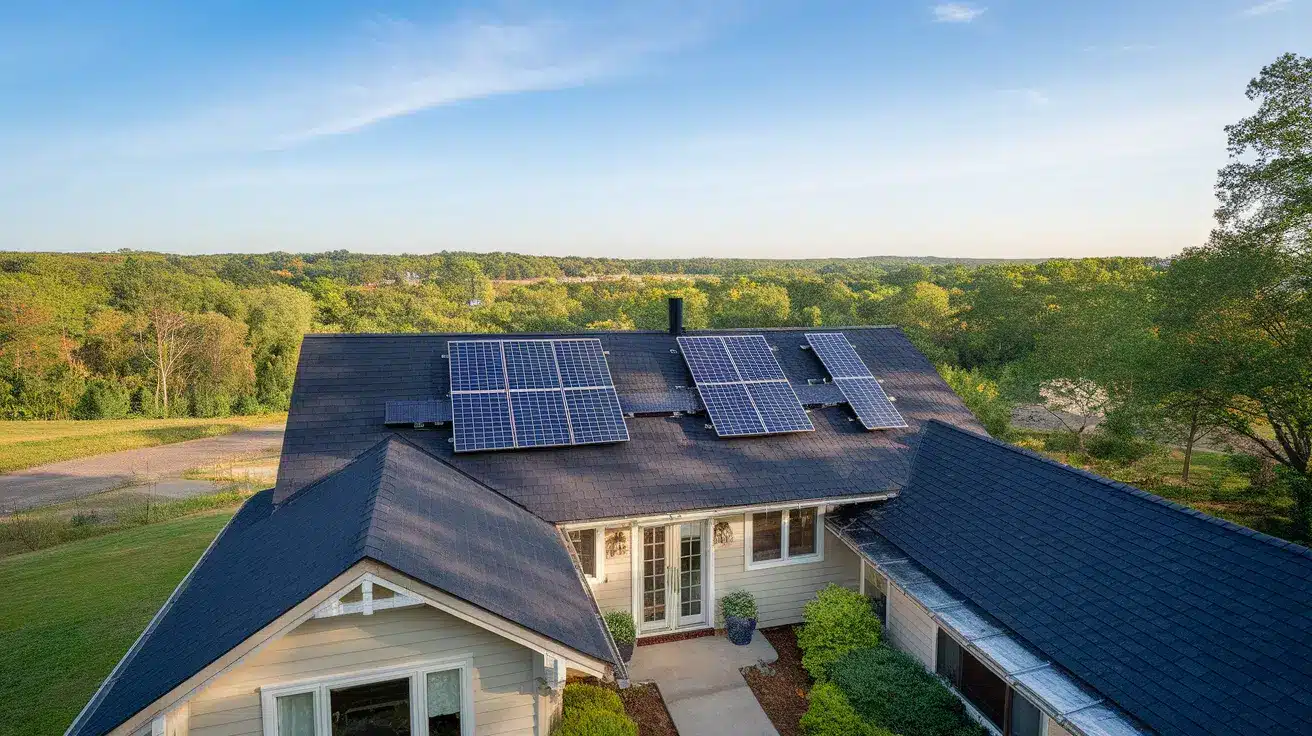
- Look into Community Solar: If rooftop solar is not possible, you can join a shared solar program. You get bill credits for the energy produced, often with no upfront cost and steady, small savings.
These steps don’t require big changes, but they can lower your cost per unit over time and make your energy bills easier to manage.
Rebates and Programs that Lower Your Costs
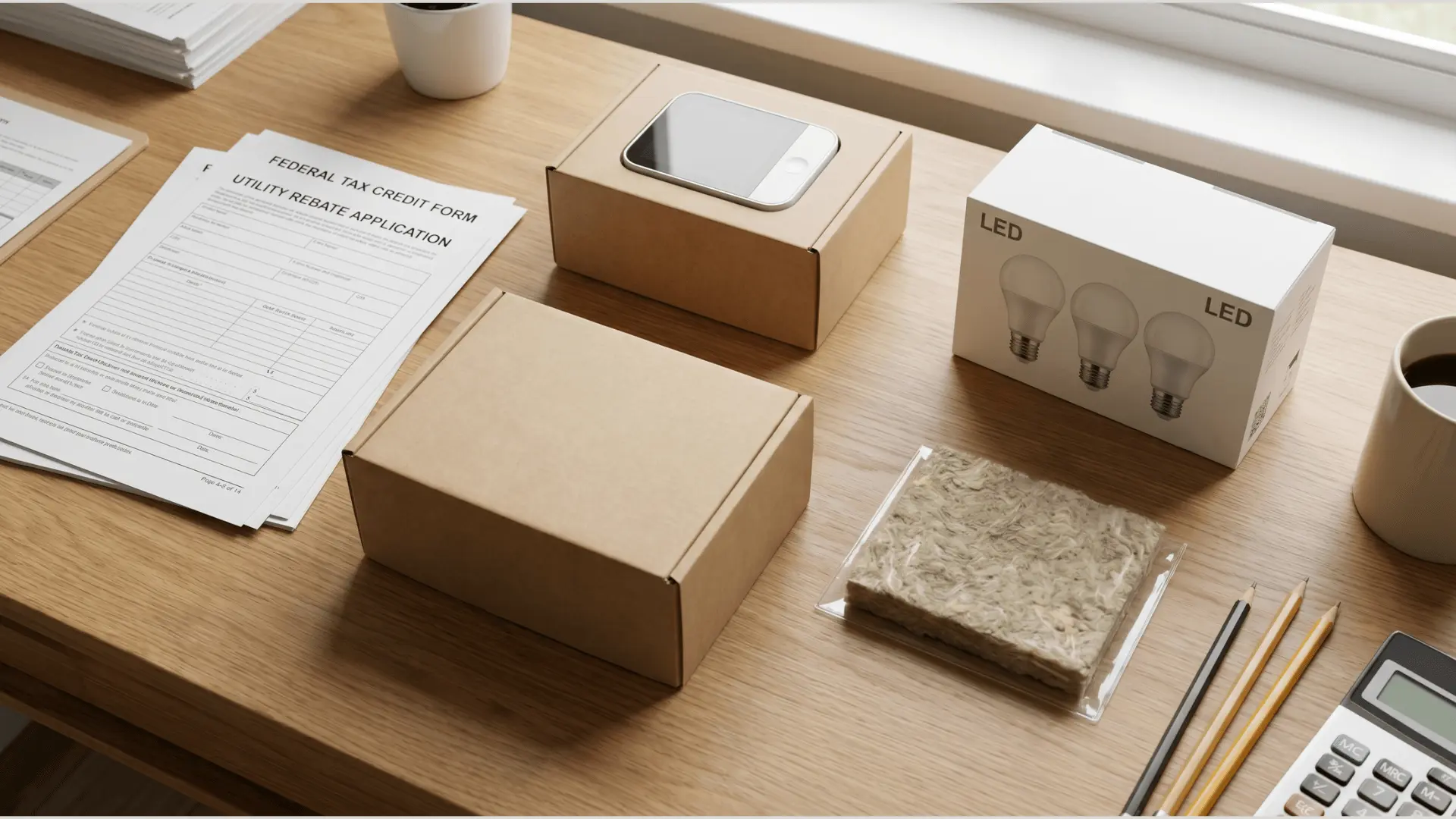
When a major appliance finally dies, fridge, washer, dryer, replace it with an ENERGY STAR model. These use 10% to 50% less energy than standard versions and often come with a rebate on top.
Start with your utility company. Many offer rebates for:
- Smart thermostats
- ENERGY STAR appliances
- Home insulation upgrades
- HVAC tune-ups or replacements
Some programs pay part of the cost upfront. Others give bill credits after installation.
Where to check:
- Your utility provider’s website
- ENERGY STAR Rebate Finder
- Your state energy office programs
Tip: Stack two or three rebates together, and a $500 upgrade can drop to $200 or less.
How Much Can You Actually Save?
Savings vary by home size, climate, and local rates. But here’s a realistic range for each type of change, based on DOE and ENERGY STAR estimates.
| Action Type | Typical Annual Savings |
|---|---|
| Habit changes (thermostat, full loads, cold wash) | $100 to $300 |
| LED lighting upgrade | $50 to $150 |
| Smart thermostat | $100 to $200 |
| Sealing drafts and air leaks | $100 to $300 |
| Reducing phantom load | $100 to $200 |
| Insulation improvements | $150 to $400 |
Stack three or four of these, and you’re looking at $400 to $800+ in yearly savings without touching the big-ticket upgrades.
Conclusion
Lowering your electricity bill comes down to knowing where your power goes and acting on the highest-impact areas first.
Adjust your thermostat, cut phantom load, switch to LEDs, seal air leaks, and review your rate plan. Most of these steps cost little or nothing upfront and pay back within the first year.
The goal isn’t a perfect home overhaul. It’s consistent, informed choices that compound over time. Start with one change this week, review your next bill, and build from there.
Frequently Asked Questions
How can I lower my electric bill fast?
Adjust your thermostat by 7–10°F when away, run appliances during off-peak hours, and unplug idle electronics. These quick changes can reduce your next bill.
What uses the most electricity in a home?
Heating and cooling systems use the most, often 32% to 50% of total energy. Water heaters follow, then major appliances like refrigerators, dryers, and washers.
Does unplugging devices really save electricity?
Yes. Standby power can account for 5% to 10% of your bill. Unplugging idle devices or using smart strips reduces this waste and lowers yearly costs.
What temperature should I set my thermostat to save energy?
Set it to 78°F in summer and 68°F in winter when at home. Adjust it 7–10°F higher or lower when away or asleep for better efficiency.
Is it cheaper to leave the AC on all day or turn it off?
It’s cheaper to raise the temperature when you leave, not keep it running at the same setting. A higher setpoint reduces energy use without overworking the system.