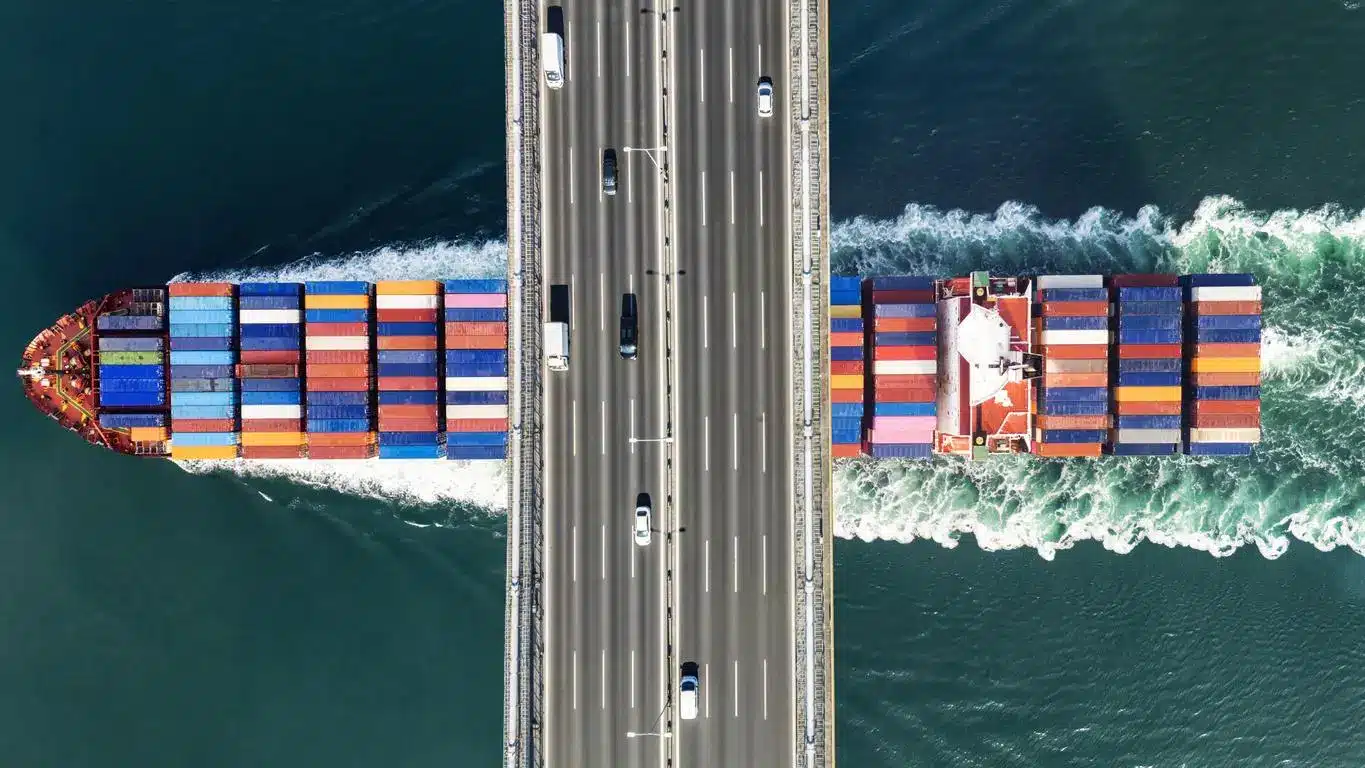
Freight forwarders reduce shipping costs by leveraging consolidated cargo volumes to negotiate lower carrier rates, catching classification and documentation errors before they generate penalty fees, and selecting the most cost-efficient routing for each shipment. Working with an experienced freight forwarder gives importers and exporters access to logistics infrastructure and carrier relationships that would take years to build independently.
Introduction
Shipping costs rarely stay predictable. Businesses that move goods across borders regularly face rate fluctuations, unexpected surcharges, and invoices that bear little resemblance to the original quote. For many importers and exporters, the gap between estimated and actual international shipping costs is where profitability quietly erodes.
A qualified freight forwarder in Calgary brings carrier relationships, regulatory knowledge, and routing expertise that translate directly into lower landed costs. Rather than treating each shipment as an isolated transaction, professionals approach every movement as part of a broader expense management strategy, one that accounts for documentation accuracy, consolidation opportunities, and customs compliance from the outset.
How Freight Forwarders Negotiate Better Carrier Rates
For most businesses shipping internationally, the published rate on a website is rarely the rate they should be paying. The gap between standard pricing and negotiated pricing can be substantial, and it widens considerably when you have a logistics partner with established volume commitments across multiple carriers.
Volume Leverage and Carrier Relationships
Forwarders aggregate shipments from dozens of clients simultaneously, which gives them the kind of consolidated buying power that a single importer or exporter cannot replicate independently. Carriers, whether ocean lines, air freight operators, or cross-border trucking companies, offer preferential rates to partners who guarantee consistent volume.
A business shipping ten containers per year has modest negotiating leverage. A freight company moving hundreds of containers across the same trade lanes has leverage that translates into measurable rate reductions for every client in that portfolio.
Rate Structures Worth Understanding
Not all carrier pricing works the same way, and understanding the basic architecture helps you ask better questions of your logistics partner. The following rate types appear most frequently in international freight shipping negotiations:
- FAK rates (Freight All Kinds): A flat rate applied regardless of cargo classification, which simplifies billing and reduces reclassification risk.
- Contract rates: Fixed pricing secured for a defined period, which protects against spot market volatility.
- Spot rates: Market-driven pricing for one-off shipments, useful when volumes are irregular but generally less favourable than contract pricing.
- Co-loading arrangements: Consolidation of smaller shipments into a shared container, which reduces the per-unit price for businesses moving less-than-container-load freight.
The result is a pricing environment where the freight forwarder Calgary functions as a buffer between your business and the full volatility of the open carrier market, keeping your landed expenses more stable and more competitive than self-managed shipping typically allows.
Logistics Planning That Cuts Hidden and Recurring Expenses
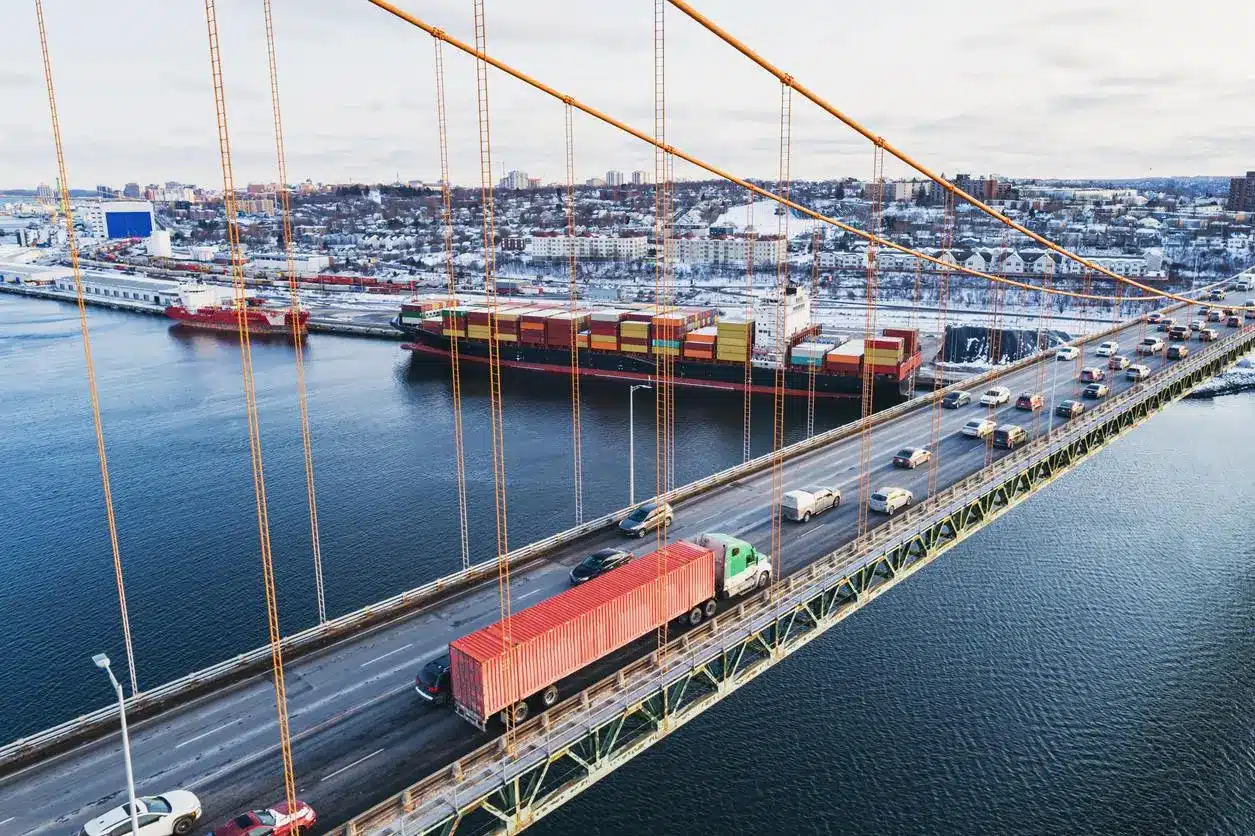
The negotiated carrier rate is only one part of what determines your final shipping invoice. In practice, a significant portion of avoidable costs originates not from the carrier but from documentation errors, poor Incoterms selection, and shipment data that does not accurately reflect the cargo being moved. These are the drivers that most businesses do not identify until the penalty fees have already accumulated.
The Real Cost of Incoterms Misuse
Incoterms (International Commercial Terms) define exactly where the seller’s responsibility ends and the buyer’s begins in any international transaction. Selecting the wrong term for your trade lane or your operational capacity does not just create legal ambiguity; it generates direct financial exposure.
A business operating under DDP (Delivered Duty Paid) without a clear understanding of the destination country’s import duty structure, for example, can absorb costs that were never factored into the original pricing model. An experienced freight logistics partner reviews Incoterms selection as a standard part of shipment planning, flagging mismatches between the chosen term and the client’s actual capacity to manage risk at each transfer point.
Classification and Weight Errors
Invoices are frequently adjusted after the fact due to errors in commodity classification or declared shipment weight. These adjustments, commonly called weight and inspection corrections or reclassification fees, are applied at the carrier’s discretion and are rarely favourable to the shipper.
The following are the most common sources of invoicing errors that a qualified forwarder identifies before a shipment moves:
- Incorrect Harmonized System (HS) codes applied to goods, which triggers customs delays and potential penalties
- Declared weights that do not account for packaging and dunnage, leading to dimensional weight recalculations
- Mislabelled cargo categories that place standard commercial goods into higher-rate freight classes
- Missing or incomplete commercial invoice details that stall clearance and generate storage fees at port
The table below outlines how Incoterms selection affects cost responsibility across a standard international shipment:
| Incoterm | Export Clearance | Main Carriage | Import Clearance | Duty and Tax |
|---|---|---|---|---|
| EXW | Buyer | Buyer | Buyer | Buyer |
| FOB | Seller | Buyer | Buyer | Buyer |
| CIF | Seller | Seller | Buyer | Buyer |
| DDP | Seller | Seller | Seller | Seller |
| DAP | Seller | Seller | Seller | Buyer |
Understanding where your obligation ends on this table is not a legal formality. It is a direct input into your international shipping cost calculation, and getting it wrong affects margin on every transaction where that Incoterm applies.
When to Reassess Your International Freight Shipping Strategy
Businesses tend to revisit their logistics arrangements only when something goes visibly wrong, such as a missed delivery window or a surprisingly large invoice. The more disciplined approach is to treat your shipping strategy as a living component of your cost structure, one that requires periodic review as your trade volumes, supplier base, and target markets evolve.
Signals That Your Current Setup Is Underperforming
A logistics arrangement that served your business well at lower volumes may introduce inefficiencies as your import and export activity scales. The following indicators suggest it is time to benchmark your current provider against the broader market:
- Your carrier rates have not been renegotiated in more than twelve months despite consistent or growing shipment volumes
- You are regularly absorbing customs delays that your logistics partner cannot explain or resolve efficiently
- Your invoices frequently include line items for storage, demurrage, or destination handling that were not quoted at origin
- You are managing multiple disconnected providers for trucking, customs brokerage, and ocean or air freight, with no single point of accountability
- Your current provider has limited experience with the specific trade lanes or commodity types central to your business
The result of ignoring these signals is gradual cost inflation that rarely appears dramatic in any single invoice but accumulates meaningfully across a fiscal year.
The Case for a Regionally Connected Provider
Beyond rate access, there is a practical argument for working with a logistics partner that has strong regional infrastructure and cross-border expertise. A provider with deep carrier relationships on North American trade lanes, combined with knowledge of Canadian customs requirements and border processing standards, can resolve clearance issues faster and route shipments more efficiently than a generalist provider operating without that regional fluency.
Smarter Freight Decisions Start With the Right Partner
Reducing shipping costs is rarely about finding a single discount. It requires carrier leverage, accurate documentation, sound Incoterms selection, and a logistics strategy that gets reviewed as your business evolves.
Businesses that treat these elements as connected rather than isolated consistently achieve more predictable landed costs and fewer invoice surprises. Partnering with experienced forwarders who bring regional expertise and carrier relationships to every shipment remains one of the most reliable ways to manage international shipping over the long term.