Moving looks simple from a distance. Pack the stuff, hire a company, pick a date, drive to the new place. Then you’re standing in the middle of it, and it turns out every one of those four steps splits into a dozen smaller ones, each with its own choices and deadlines and little details that quietly pile up until the whole thing feels like too much.
The difference between a move that wrecks you and one you can actually handle usually comes down to preparation. And underneath preparation, really, it’s research.
Doing the homework early lets people make the good decisions before the pressure shows up and starts making the decisions for them.
It buys time to compare options, get a handle on costs, notice the red flags, and brace for problems while they’re still just hypotheticals on a page. Mostly, it hands back a little control during a stretch of life that loves to take it away.
A smooth move almost never just happens on its own. It usually traces back to one person who sat down and asked the right questions before it was too late to matter.
Research Helps You Understand the Real Cost of Moving
One of the first questions out of anyone’s mouth is what the move is going to cost. The honest answer is “it depends,” which is nobody’s favorite answer and rarely satisfies anybody.
Moving costs swing with distance, the size of the home, how much is actually getting hauled, the time of year, the services involved, and how easy it is to get in and out of both places.
Stairs, elevators, a narrow street, a long haul from the front door to wherever the truck could park, every bit of it nudges the final number up.
Research paints a picture of what’s normal before the estimates ever start rolling in. It clears up the difference between an hourly rate, a flat rate, and a price based on weight or distance. It also helps a suspiciously low quote look suspicious instead of lucky.
A rock-bottom quote feels like a gift, especially when every other bill for the move is already climbing. But cheap quotes tend to be cheap for a reason.
Packing supplies, fuel fees, long carry fees, storage, an extra pair of hands, all the things that got left off the first number have a habit of showing back up on the final one.
Know the usual costs going in, and the ugly surprises mostly stop being surprises. The budget gets realistic. A little cushion gets set aside for whatever nobody saw coming, because something always does.
That kind of money clarity lifts a weight nobody realized they were carrying.
Research Makes It Easier to Find Reliable Movers
Picking a moving company is one of the biggest calls in the whole process. These are the people who’ll be carrying the couch, the keepsakes, the everyday essentials, and the one box of things that money can’t replace.
A slick website proves nothing on its own. Anybody can buy a nice homepage. Reviews, licensing, complaint histories, service terms, and what actual customers went through fill in the picture that a homepage will never show you.
Mayflower movers say that asking friends and family for recommendations for moving companies can help you avoid getting scammed. Friends and family will provide you with recommendations that you can trust based on their prior experience.
Personal recommendations tend to be gold because they include details that online ratings leave out. A friend can tell you whether the crew showed up on time, whether they treated the fragile stuff like it was fragile, whether they explained the extra charges, and how they handled it when something inevitably went a little sideways.
Online research still counts, though. Look for patterns instead of fixating on one glowing five-star or one furious rant. A couple of bad reviews don’t tell the whole story. A steady drumbeat of complaints about hidden fees, broken belongings, or blown delivery dates absolutely does.
Reliable companies should also be happy to answer questions straight. Pricing, services, insurance options, cancellation policy, how a claim actually gets processed, none of it should feel like pulling teeth.
Research Helps You Compare More Than Price
It’s tempting to grab the lowest estimate and be done with it. Price matters; of course it does. It just shouldn’t be the only thing behind the wheel.
Two companies can hand over nearly identical quotes and then deliver service that’s worlds apart. One folds in packing materials, furniture protection, and basic insurance without a second thought. The other charges à la carte for every single one, and the bill quietly balloons.
Research lets you weigh the whole offer instead of squinting at a single number and hoping for the best.
Read each estimate closely. What’s included, what’s quietly left out, what could trip an extra charge you never agreed to. Ask straight up whether the estimate is binding or free to climb on you later.
Find out how they handle delays, bad weather, and the schedule change that always seems to land at the worst moment, before it lands.
Communication earns a spot on the list too. A company that’s slow to reply or slippery about the details before the move gets a whole lot harder to reach once your belongings are somewhere out on a highway.
Good communication is part of good service, full stop. It builds trust, and it takes the sharp edge off the uncertainty.
Research Improves Your Moving Timeline
A move is so much more than transportation. There are utilities to line up, addresses to change, documents to wrangle, supplies to buy, and rooms full of stuff that stubbornly refuse to pack themselves.
Without a clear timeline, those little tasks breed. Fast.
Research shows when each one actually has to happen. Good moving companies book out weeks, sometimes months ahead. Utility providers usually want notice before they’ll flip anything on or off. Building managers tend to have their own rules about moving hours, elevators, parking, the whole thing.
Learn all that early, and suddenly there’s room to breathe.
Room for a schedule that spreads the work across a few weeks instead of cramming it into one brutal, sleepless push. It also surfaces the tasks that quietly depend on other tasks, like how you can’t reserve the elevator or line up childcare until the moving date is actually locked.
A thoughtful timeline kills off most of the frantic last-minute decisions. And it leaves a little slack for the changes that always seem to show up uninvited, right on cue.
Research Helps You Pack More Effectively
Packing is usually the single most time-consuming part of the whole ordeal. Rush it, and it does real damage, the kind you don’t discover until you’re unwrapping a shattered something in the new kitchen.
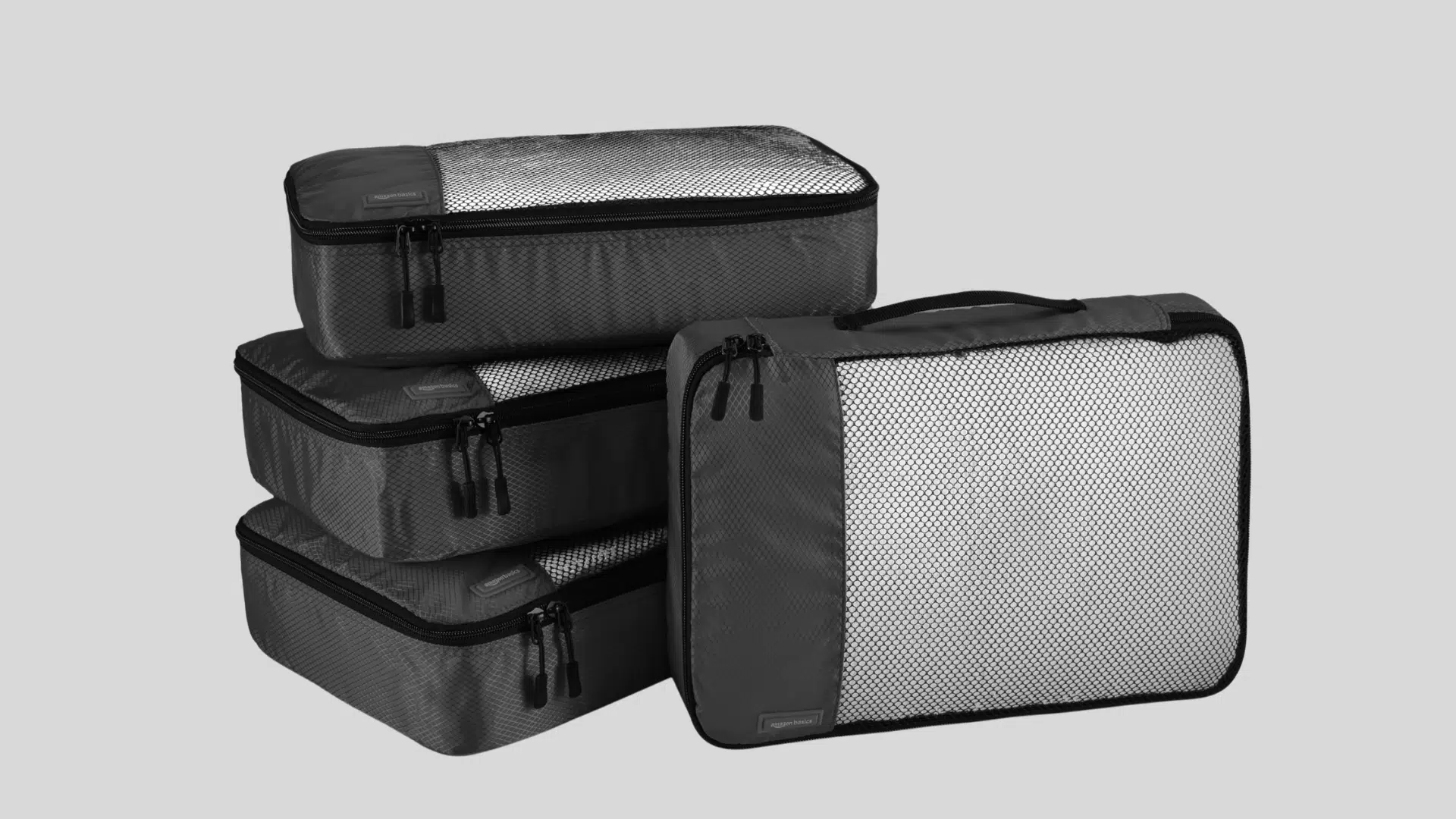
Reading up on packing methods protects belongings and stretches the space further. Fragile things need different materials than clothes or books.
Electronics do best in their original boxes, or wrapped in enough padding to survive a bad road. Important documents and valuables should stay with you, in the car, never buried in the back of a truck you can’t reach for a week.
It’s also worth finding out what movers flat-out won’t carry. Certain chemicals, fuels, plants, medications, and perishable food are usually off the truck entirely, and nobody wants to learn that as the crew is loading up.
Knowing the rules early saves a genuine scramble on the day.
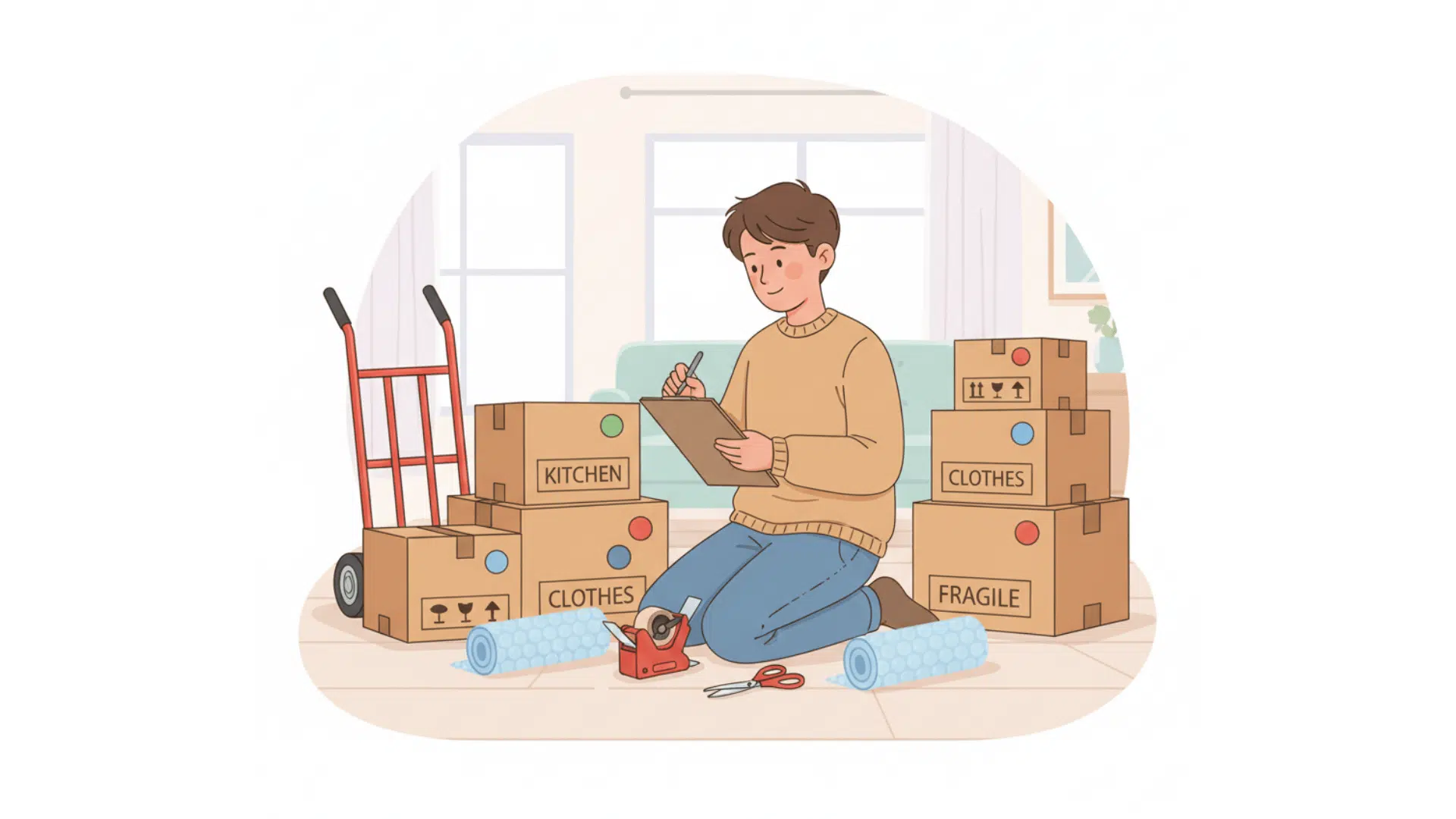
Research sharpens the labeling system too. Clear labels make unloading smoother and help the essentials surface fast when you need them most. Some people label by room. Others scribble a quick list of contents or run color-coded tape down the side.
The best system isn’t the fanciest one. It’s the one you’ll actually keep up with when you’re tired.
Research Prepares You for the New Location

Look into the transportation, the grocery stores, the medical care, the schools, the parking rules, the local regulations, the community resources. Figure out how long the everyday trips actually take, and how the traffic turns nasty at certain hours.
Moving into an apartment or a shared building? Read the rules before arrival, not after. There may be limits on pets, deliveries, noise, parking, or move-in hours that change the plan entirely.
Small details make those first few days a lot easier. Knowing where to grab groceries, how to reach the nearest pharmacy, or where the truck can legally park saves real time when everyone’s exhausted and boxed in on every side.
Familiarity is comfort. Even a little knowledge makes a strange new place feel a bit less strange.
Research Gives You a Backup Plan
No move goes off perfectly. Not one.
Weather turns. A truck runs late. A closing date slides. An elevator picks the worst possible morning to break. A box wanders off.
Research is what lets you think through the backups before you’re standing there needing one.
Maybe it’s a small emergency fund tucked aside. An overnight bag packed and ready. A hotel booking that can flex if the timeline slips. The name of a storage place nearby, just in case.
Maybe it’s copies of the important documents and contact numbers stashed in more than one spot, so losing one doesn’t mean losing all of them.
A backup plan isn’t pessimism. It’s just the difference between responding calmly and scrambling when the day decides to go off-script.
And that calm counts for a lot, especially when everyone’s already stretched thin and running on nerves.
Better Information Creates a Better Experience
Moving will always take work. There will still be boxes, still be decisions, still be those moments where nothing feels certain and everything feels heavy.
But better research turns the whole thing organized instead of reactive. It clears up the options, points toward help worth trusting, keeps the budget honest, and braces for the surprises before they get a chance to land.
The goal was never to control every last detail. That was never really on the table.
The goal is trading avoidable confusion for information you can actually use. When you have a rough sense of what’s coming, the decisions get easier and the surprises get fewer, and that’s most of the battle right there.
A smoother relocation starts long before the truck ever pulls up. It starts with careful questions, honest comparisons, and a willingness to do the homework while there’s still time for it to count.