Your power bill went up again, and you cannot explain why. I asked the same question about my own house before I looked into a home energy audit.
A home energy audit gives you facts, not guesswork. A report that shows exactly where your money is slipping out.
The whole process feels a lot less stressful than you expected, and you finally have proof instead of a hunch about where your house is losing money.
Why a Home Energy Audit Is Worth the Money
A home energy audit is worth the money for most homeowners, especially if your bills feel higher than they should, and it’s often the first step toward broader energy efficiency upgrades for your house.
The cost is small compared to what you can save once you know where heat and cooling are escaping.
Think of it as paying for direction instead of paying to guess. Without an audit, you might spend money on new windows when the real problem is an attic with almost no insulation.
With one, you get a ranked list of fixes, starting with the ones that pay back fastest.
A home energy audit usually earns back its cost within a few years, as long as you actually act on the report afterward instead of letting it sit in your inbox.
How Much Does a Home Energy Audit Cost?
The price of a home energy audit depends on your home size, your location, and how deep the inspection goes. A basic walkthrough costs less than a full audit with blower door testing and infrared scanning.
Audit Type | Average Cost | What It Covers |
|---|---|---|
DIY checklist audit | Free to $50 | Visual check of leaks, filters, and bulbs |
Basic professional audit | $150 to $300 | Bill review, walkthrough, and simple fixes |
Full professional audit | $300 to $600 | Blower door test, thermal imaging, full report |
Audit with utility rebate | $0 to $150 | Same as full audit, partly covered by your utility |
Tip: I saved almost half the cost of my own audit just by asking if a rebate program was available, and most homeowners never think to check.
How a Professional Home Energy Audit Works
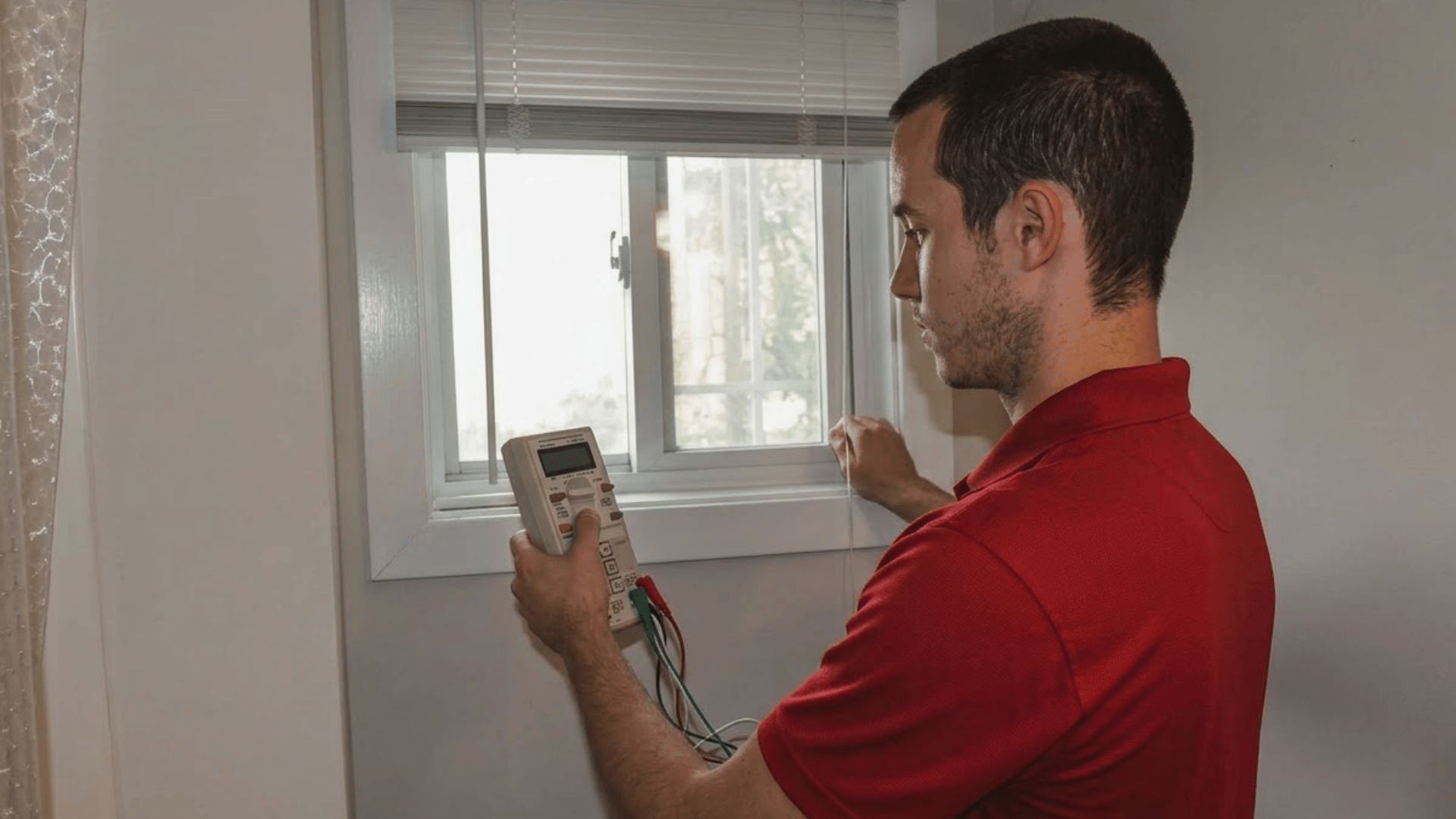
- Review of Your Energy Bills: The auditor checks 12 months of usage to spot patterns, since high summer or winter spikes often point to a specific problem.
- Inspection of the Home: The auditor checks every room, including the attic and basement, and assesses how well your energy-saving HVAC system is performing.
- Blower Door Testing: A powerful fan is fitted to your front door and pressurizes your home to measure exactly how much air leaks out.
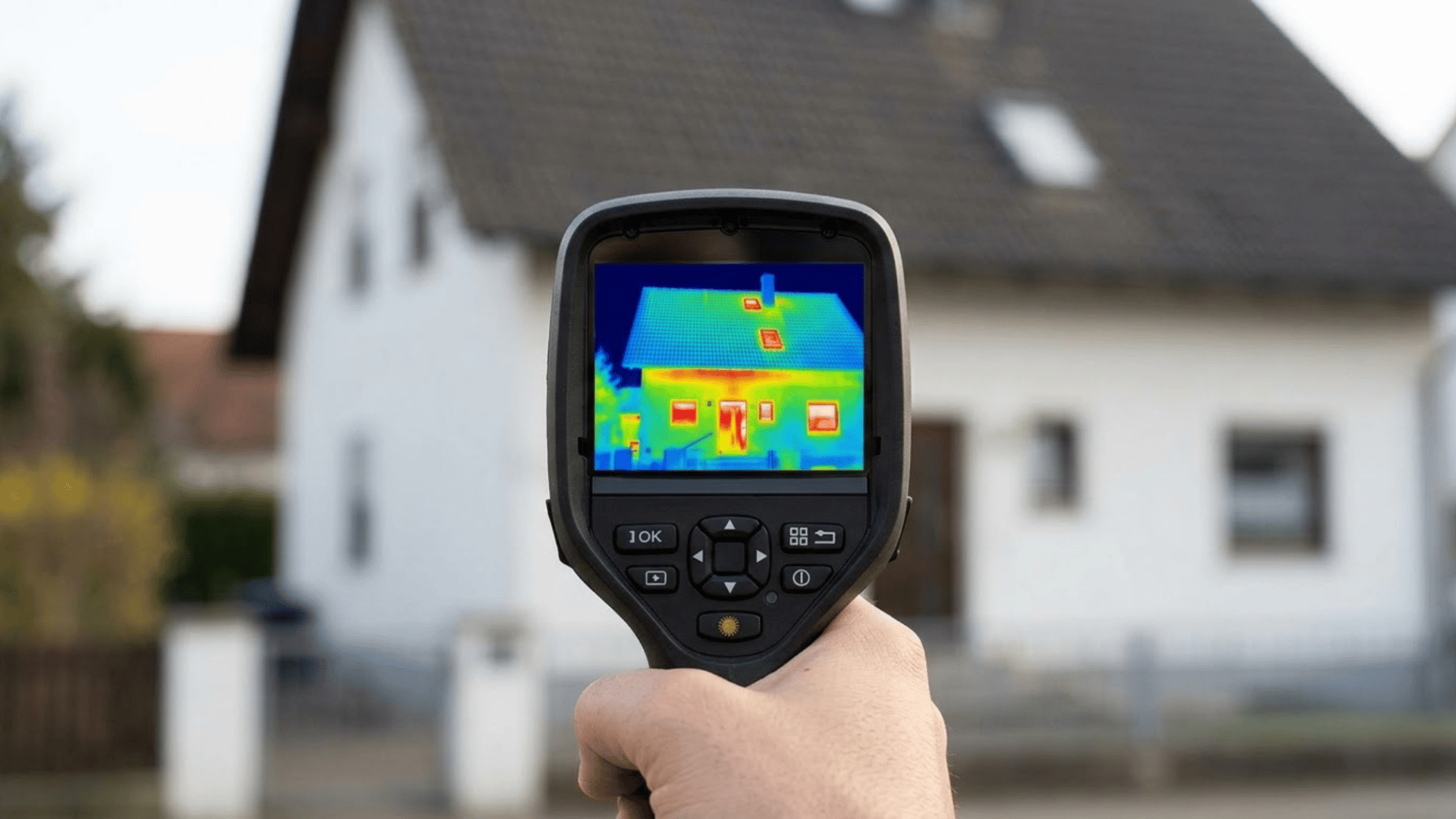
- Infrared Thermal Imaging: A thermal camera shows heat loss your eyes can’t see, with cold spots often pointing to missing or thin insulation.
- Written Recommendations: You get a ranked list of fixes based on cost and savings, along with rebate options you can apply for.
Homes Most Likely to Benefit From an Energy Audit
Not every home needs an audit right away, but some homes see bigger returns than others. If your house matches even a few of the signs below, an audit is likely to pay off fast and save you real money.
1. Your Home Is Older Than 20 Years
Older homes were often built before energy codes required much insulation or sealing at all. If yours has not been touched since it was built, heat and cooled air are likely escaping in far more places than you would expect.
- Built before current insulation and sealing standards were common
- Original windows and doors that have never been upgraded
- No record of any past energy improvements
- Heating and cooling systems that are also original to the house
2. Rooms Feel Drafty or Uneven In Temperature
Temperature swings between rooms or floors are one of the clearest signs of an air sealing problem in your home. Your system works harder to close the gap, which drives up your bill even when the thermostat setting stays the same.
- One room always feels colder or hotter than the rest
- Upstairs and downstairs temperatures never seem to match
- Cold air near windows, outlets, or baseboards
- The HVAC system runs constantly trying to keep up
3. Your Energy Bills Feel High Compared to Neighbors
Comparing your bill to a similar home nearby is one of the fastest ways to spot a problem. If your square footage and habits are close but your bill runs higher, something in your house is working overtime and costing you money.
- Similar square footage but a noticeably higher monthly bill
- Bills that spike hard every summer or winter
- No clear reason for a jump in usage over the past year
- A general sense that something is running less efficiently than it should
4. You Notice Ice Dams On the Roof
Ice dams form when heat escapes through your attic and melts snow on the roof, which then refreezes at the colder edge. It may look like a winter quirk, but it usually points to insulation or air sealing that needs attention.
- Icicles forming along the edge of your roofline
- Snow that melts unevenly across the roof
- Water stains appearing near the ceiling after winter
- Gutters that fill with ice rather than water
5. You Have Never Replaced Insulation
Insulation doesn’t last forever, even when it looks fine at a quick glance. Over the years, it settles, compresses, or absorbs moisture, and loses much of its ability to hold in heat, quietly pushing your energy bills higher each season.
- The attic insulation is original to the home
- You can see exposed joists or thin, patchy coverage
- Insulation looks compressed, damp, or discolored
- No upgrades made even after past renovations
The Simple Math for Deciding If An Audit Pays Off
The math behind a home energy audit is simple once you have real numbers. Add up your average monthly energy bill, then multiply it by 12 to get your yearly cost. Compare that number to the price of the audit plus any recommended fixes.
Payback period = Audit cost ÷ (Yearly energy cost × Expected savings percentage)
If sealing air leaks and adding insulation could cut your bill by 15 percent, and you spend $500 a year on energy, that is $75 back every year. A $300 audit divided by $75 in yearly savings pays for itself in about four years, then keeps saving you money.
Run this same math with your own bills before you decide. A home energy audit only pays off when the savings outlast the cost, so check your numbers first.
When a Home Energy Audit May Not Be Worth Paying For
- You Are Moving Soon: If you plan to sell or relocate within a year or two, you likely will not stick around long enough to see the savings.
- You Already Know the Fix: If a contractor has already pointed to one clear problem, you may not need a full audit to confirm it.
- Your Home Is Brand New: Homes built to current energy codes already meet strong insulation and sealing standards, so an audit may turn up little.
- Your Budget Is Tight Right Now: If you cannot cover even small recommended repairs yet, the report may just sit unused until your budget opens up.
Skipping an audit for now does not mean skipping it forever. Revisit the idea once your situation or your budget changes.
What Problems Can an Energy Audit Find
An audit catches problems you cannot see or feel on your own, and some of them affect more than your energy bill. The table below covers the most common findings and why each one matters.
Problem Found | Where It Usually Hides | Why It Matters |
|---|---|---|
Air leaks | Around windows, doors, and outlets | Lets in outside air, raising heating and cooling costs |
Poor insulation | Attic, walls, and crawl spaces | Forces your HVAC system to work harder year-round |
Duct leaks | Basements and attics | Sends heated or cooled air to unused spaces |
Moisture buildup | Basements and bathrooms | Can lead to mold and structural damage over time |
Old appliances | Kitchen, laundry room, and water heater | Uses more power than newer, efficient models |
Tip: Always ask the auditor to flag safety issues separately from comfort issues, so you know what to fix first if your budget is tight.
What to Do After a Home Energy Audit?
Getting the report is only half the job. What you do with it determines whether the audit saves you money or becomes another paper you never look at again. Acting on even two or three items from your report can make a real difference in your next few energy bills.
- Read the Full Report: Go through every page, not just the summary, so you understand the reasoning behind each recommendation.
- Sort Fixes by Payback Time: Start with the changes that pay for themselves fastest, then work toward the bigger projects.
- Check for Rebates or Tax Credits: Look into local and utility programs before you pay full price for any repair.
- Get Multiple Quotes: For bigger jobs, get quotes from at least two contractors so you know you are paying a fair price.
- Schedule a Follow-Up Audit: Book another audit in a few years to confirm your fixes are actually working as expected.
Conclusion
Spending money on your home should feel like a decision you can defend, not a guess you hope pays off.
A home energy audit gives you the numbers to back your next move, whether that means sealing a few leaks or planning bigger repairs later.
I trust my own numbers a lot more after going through the process myself, and you will likely feel the same once your report is in hand.
Small fixes add up faster than most people assume, and even one or two changes can noticeably shift your monthly bill.
Get your own audit booked, and see what your home has been hiding.
Frequently Asked Questions
How Long Does It Take to Get Audit Results Back?
Most auditors send your written report within three to seven days after the visit, depending on how detailed the inspection was.
Can Renters Request a Home Energy Audit?
Yes, renters can request one, but you will need permission from your landlord before any testing or physical inspection can take place.
Does a Home Energy Audit Affect Home Insurance Rates?
An audit itself does not change your insurance rate, though fixing issues like faulty wiring or moisture problems could lower certain risk factors.
Is a Home Energy Audit Required Before Selling a House?
No state requires an audit before selling, but some buyers request one during the offer or inspection period for added assurance.