Most drivers think about garage equipment mainly in terms of repairs or large automotive projects, but the right upgrades often save time in ways people do not initially expect. Small inefficiencies, awkward maintenance access, disorganized tools, unreliable power systems, or difficult storage setups, gradually turn routine vehicle care into tasks that feel far more time-consuming than they should. Over time, even simple maintenance becomes easier when the garage itself is designed to support efficiency instead of slowing work down.
This is one reason more vehicle owners are treating garages as functional workspaces rather than basic storage areas. Whether someone handles occasional maintenance at home, works on recreational vehicles, or simply wants easier organization, equipment upgrades increasingly focus on convenience, accessibility, and long-term practicality. Many drivers eventually discover that the biggest time savings often come from reducing frustration during routine tasks rather than dramatically changing the work itself.
Better Vehicle Access Changes Routine Maintenance
One of the most noticeable improvements in garage efficiency comes from making vehicles easier to access safely and comfortably. Tasks like tire rotation, brake inspection, fluid changes, or underbody maintenance become significantly more manageable when drivers no longer need to rely entirely on cramped positioning or improvised lifting methods.
This explains why more drivers are paying attention to practical upgrades available through My Garage Supplies. Accessible equipment often reduces both physical strain and maintenance time, making smaller repair and maintenance tasks feel far more manageable. Even occasional home mechanics quickly realize that improved access changes how willing they are to handle routine vehicle upkeep consistently instead of postponing it repeatedly.
Efficient repairs also depend on sourcing the correct component before work begins. Once diagnostics confirm module failure, owners can use Jeep Liberty computer replacement at Car Computer Exchange to find a unit programmed for their vehicle.
Reliable Power Systems Improve Garage Flexibility
Modern garages increasingly support more than basic automotive work alone. Charging systems, power tools, lighting, backup power setups, and outdoor equipment all contribute to rising electrical demands inside residential garages and workshops. As a result, dependable energy storage solutions have become more valuable for drivers who want greater flexibility and reliability.
Products like sok battery have become increasingly common in off-grid setups, mobile projects, workshops, and garage environments where consistent long-term power matters. Reliable battery systems help reduce interruptions during maintenance work while also supporting broader home and recreational vehicle applications that extend beyond automotive use alone.
Organization Often Saves More Time Than New Tools
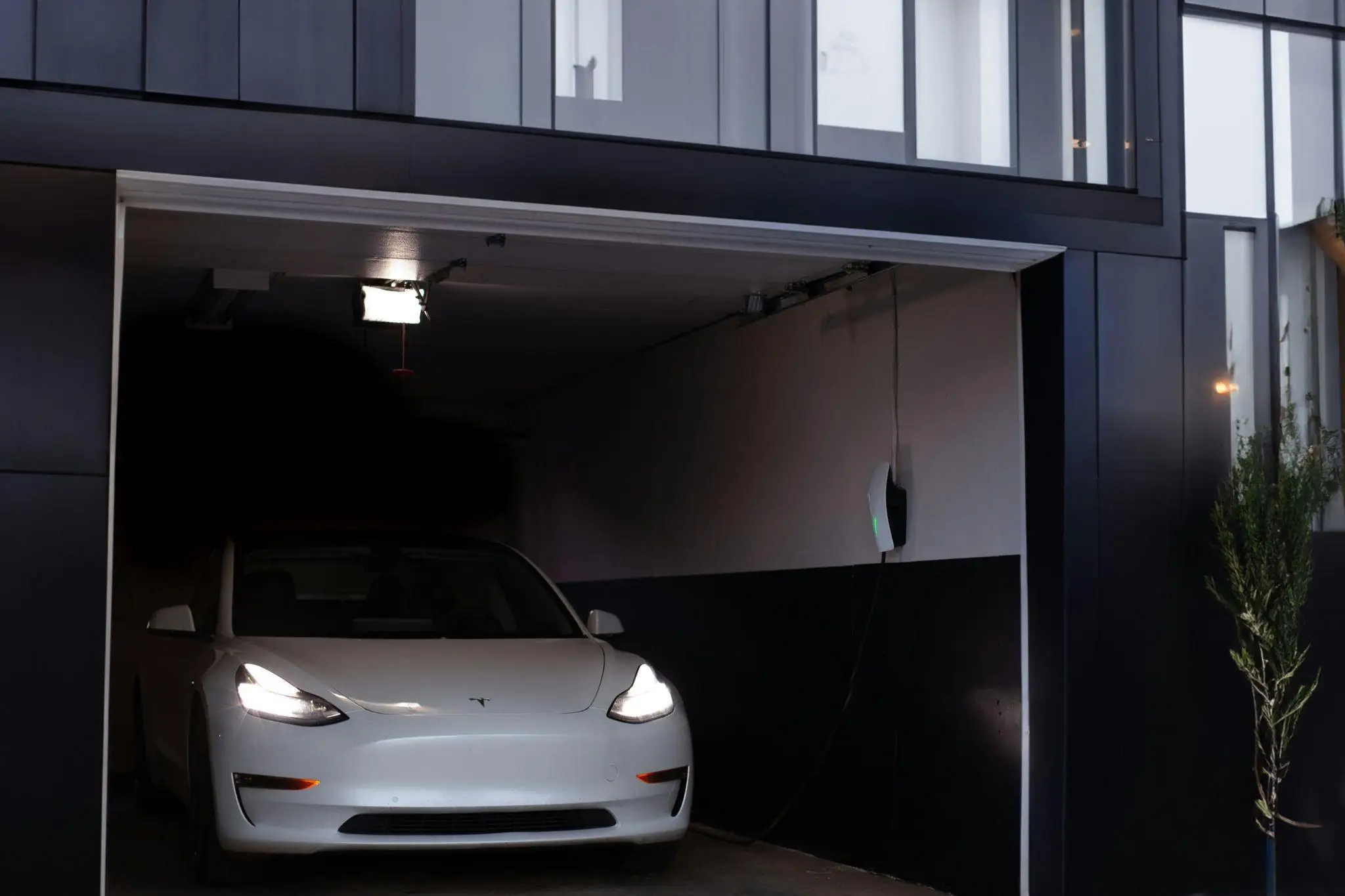
Many drivers assume efficiency comes primarily from buying additional tools, but organization usually creates a much larger practical difference. Poorly stored equipment, tangled extension cords, scattered hardware, and overcrowded workspaces often waste more time than the repair work itself.
Garages designed around accessibility and workflow naturally make maintenance feel faster and less mentally exhausting. Clearly organized storage, wall-mounted equipment, labeled hardware systems, and open workspace layouts help reduce repetitive searching and setup time during even basic projects. Drivers who improve organization often notice they become more consistent with preventative maintenance simply because the process feels easier to start.
Lighting and Visibility Reduce Mistakes
One of the most overlooked garage upgrades is proper lighting. Poor visibility slows almost every maintenance task because drivers spend extra time checking tools, inspecting components, or repositioning equipment repeatedly. Dim workspaces also increase the likelihood of small mistakes that eventually create additional repair time later.
According to Popular Mechanics, effective garage lighting and workspace design significantly improve both efficiency and safety during automotive work. Even relatively inexpensive lighting improvements often create noticeable differences in productivity because they reduce physical strain and improve precision during routine maintenance tasks.
Comfortable Workspaces Encourage Better Maintenance Habits
Many people delay garage projects not because the work itself is overly difficult, but because the environment feels inconvenient or uncomfortable. Cold floors, poor organization, weak lighting, and limited mobility inside the workspace gradually discourage even simple maintenance routines over time.
This is why practical upgrades often influence consistency more than complexity. A cleaner, more functional workspace encourages drivers to handle smaller problems earlier instead of waiting until repairs become urgent or expensive. Comfortable environments reduce the mental resistance associated with routine maintenance, making garage work feel less disruptive to everyday schedules.
Small Improvements Often Create the Biggest Long-Term Benefits
Most efficient garages are not necessarily filled with expensive specialty equipment. Instead, they are designed around reducing small frustrations that repeatedly slow work down. Easier vehicle access, organized storage, dependable power, and better lighting collectively save significant time because they improve every task performed inside the space.
That practical approach increasingly appeals to drivers who want maintenance and projects to feel manageable instead of overwhelming. Garage upgrades are often most valuable not because they make complex work possible, but because they simplify ordinary routines people repeat constantly over time. Small improvements tend to create lasting benefits precisely because they remove friction from the tasks drivers deal with most often.