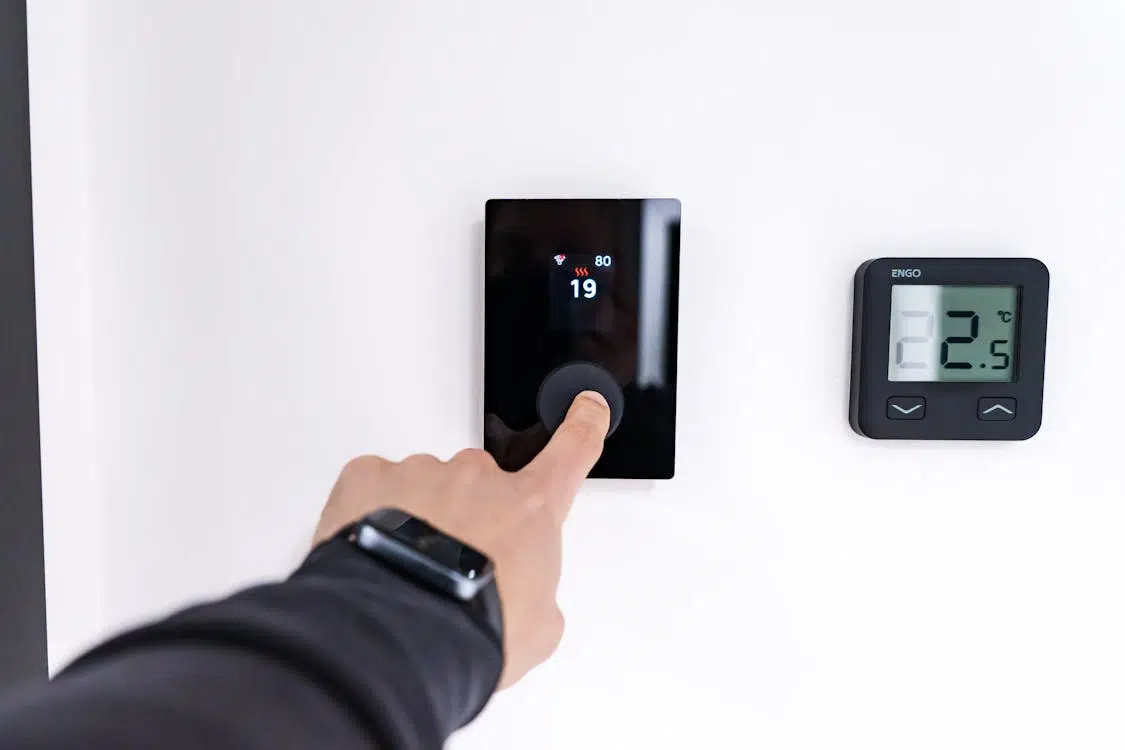
Cooling a large home is not about blasting cold air everywhere. It is about directing the right amount of cooling to the right rooms at the right time.
When square footage increases, so do airflow challenges, energy costs, and comfort complaints. A step-by-step strategy keeps temperatures balanced without pushing your system to its limits.
Assess Your Home’s Cooling Load First
Begin with a professional load calculation before upgrading your equipment. Cooling capacity should be based on measured heat gain, not guesswork.
Ceiling height, insulation quality, window size, and sun exposure all affect how much cooling your home needs.
Oversized systems cool air quickly but fail to remove humidity. Undersized systems run constantly, driving up utility bills while leaving hot spots behind.
In large homes with open staircases or vaulted ceilings, airflow patterns can shift dramatically between floors. A load calculation accounts for those differences and sets the foundation for every decision that follows.
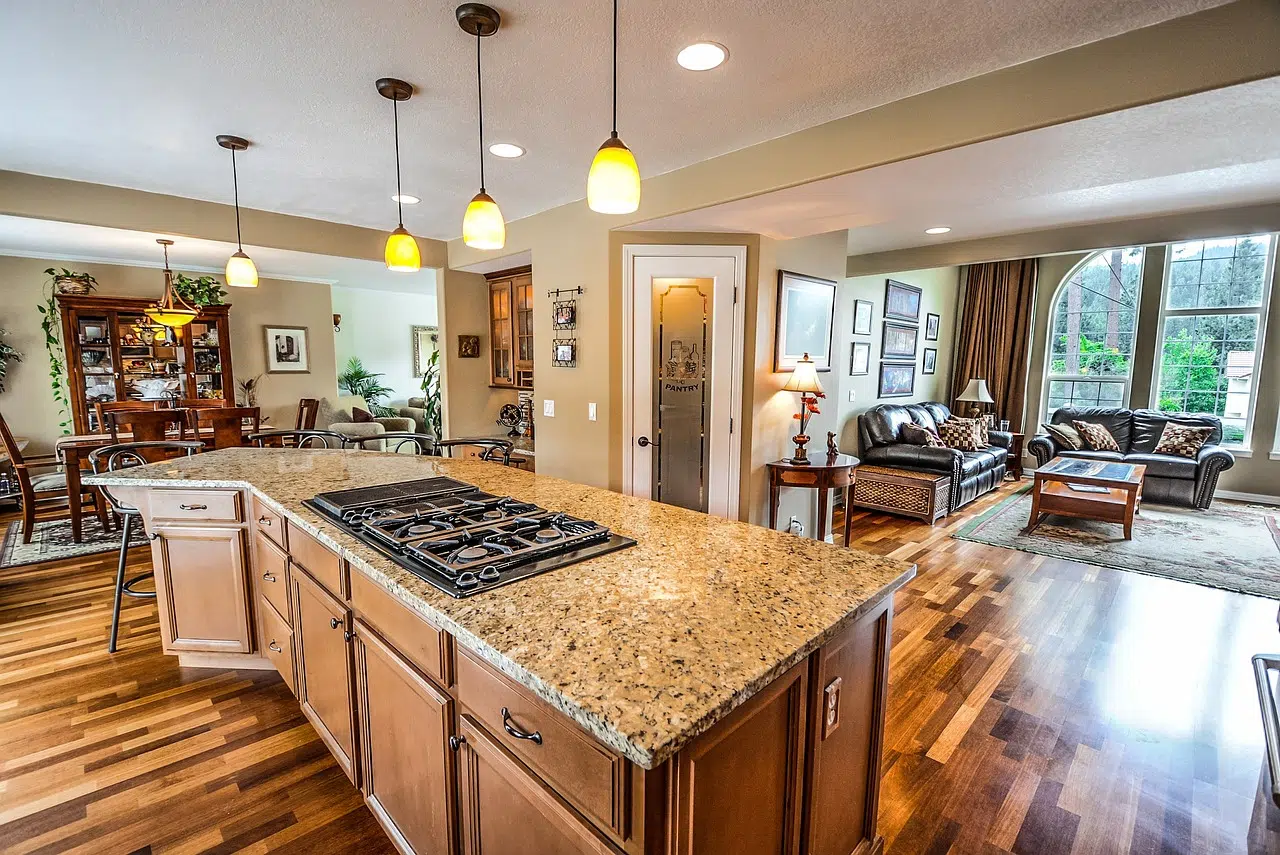
Divide Your Home Into Practical Cooling Zones
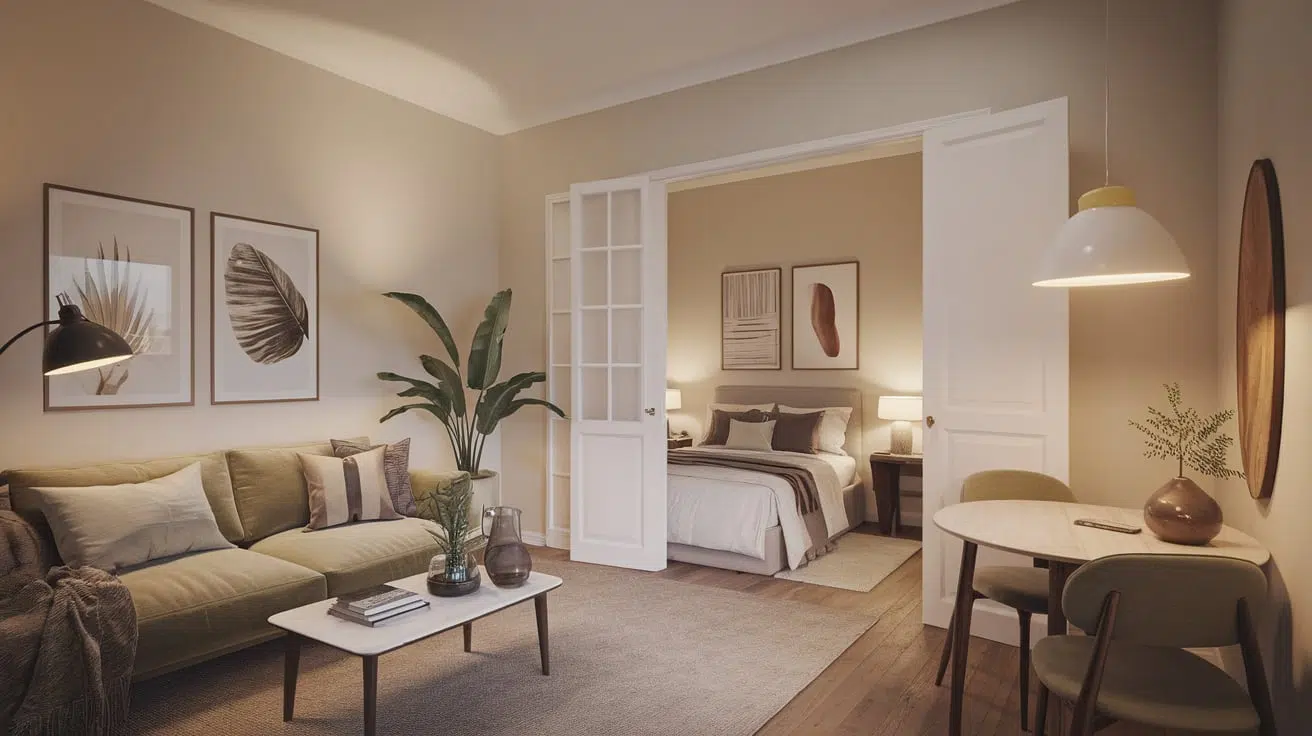
Once you understand your cooling requirements, break the home into functional zones. Group rooms by how often they are used and how much heat they gain during the day.
Bedrooms often need cooler nighttime settings. Kitchens and living areas generate more heat due to appliances and activity.
Choose a Multi-Zone System Designed for Large Homes
Multi-zone HVAC systems allow independent temperature control in individual rooms instead of cooling the entire house at once. For homeowners, that translates to targeted comfort and less wasted energy.
Zoning is especially valuable in multi-story homes. Upper floors typically trap heat, while basements remain naturally cooler. Creating separate zones reduces thermostat battles and prevents unnecessary cooling in unused areas.
So, after defining your zones, select equipment that supports independent control. Larger homes often require five or more zones to maintain even comfort. As home size increases, standard multi-zone systems often struggle to maintain consistent temperatures across multiple rooms, especially in properties with five or more actively used spaces. This leads to uneven cooling, higher energy usage, and constant thermostat adjustments. When homes reach this level of demand, systems designed for Whole-Home 7-Zone Efficiency become essential, allowing each room to be controlled independently without overloading the system.
Ductless configurations reduce energy loss associated with long duct runs. Air is delivered directly into each room, improving response time and temperature accuracy.
Larger homes benefit from systems that can scale. Choosing equipment designed for multiple zones today prevents limitations later if your cooling needs expand.
Upgrade or Balance Existing Ductwork When Necessary
Homes with central air should not ignore ductwork performance. Leaks, poor design, or uneven airflow can undermine even the best equipment.
Airflow design and energy management play a major role in cooling large homes effectively. Properly-sealed and balanced ducts distribute air evenly and prevent certain rooms from receiving too little airflow.
Adding zoning dampers can further improve control. Dampers regulate airflow to specific sections of the house, helping eliminate hot and cold spots.
Hybrid systems offer another option. A ducted system can serve main living spaces, while ductless units cool isolated rooms such as garages or home offices. Balancing airflow often resolves comfort complaints without replacing the entire system.
Optimize Thermostat Settings and Daily Habits
Smart operation enhances any cooling system. Adjusting settings based on occupancy reduces unnecessary runtime.
The Department of Energy recommends setting your thermostat as high as comfortably possible during summer and raising it by 7°F when away from home. In large houses, that small adjustment can significantly lower energy consumption.
Pair thermostat strategies with simple home improvements. These actions help your system operate efficiently:
- Close blinds during peak afternoon sunlight
- Use ceiling fans to circulate conditioned air
- Seal attic leaks to limit heat intrusion
Each measure reduces the cooling load placed on your equipment.
Smart thermostats add another layer of control. Scheduling zone temperatures throughout the day ensures bedrooms, offices, and living areas stay comfortable only when needed.
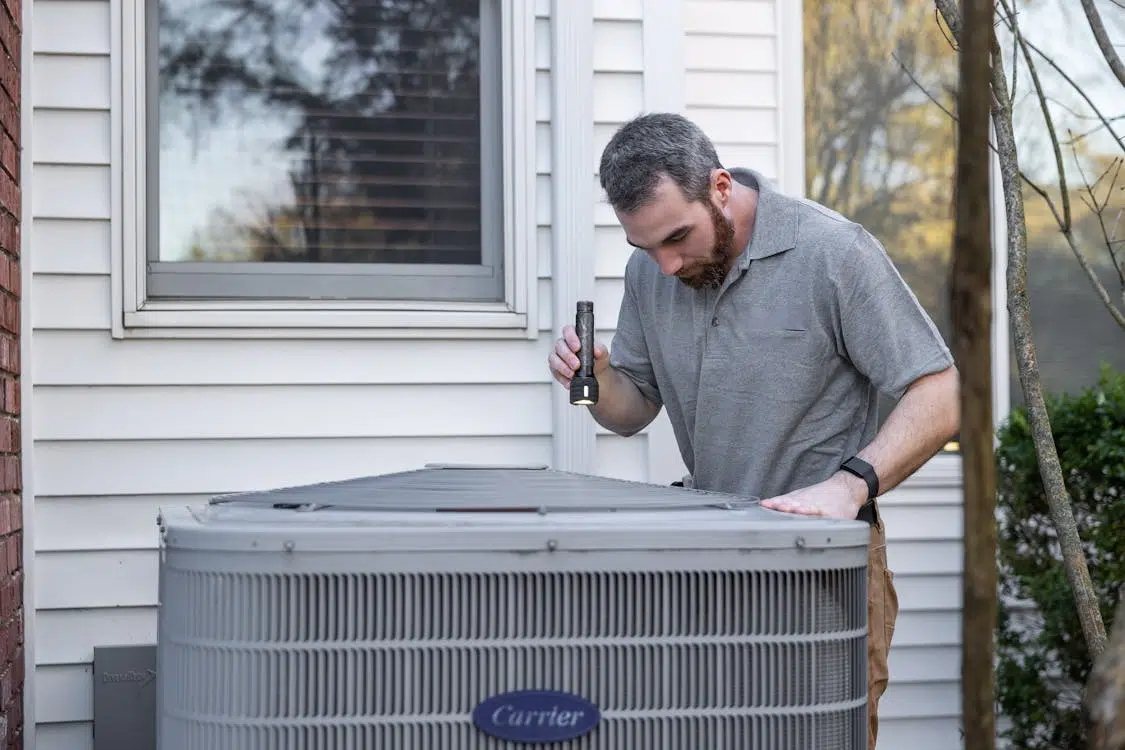
Maintain Your System to Protect Long-Term Efficiency
Even the best-designed setup requires regular maintenance. Large homes place greater demands on cooling systems, making upkeep essential.
Replace filters consistently to maintain airflow. Dirty filters restrict circulation and increase strain on the system.
Outdoor units should remain clear of debris and vegetation. Restricted airflow around the condenser reduces efficiency and can shorten equipment lifespan.
Annual professional inspections verify refrigerant levels, electrical connections, and overall system performance. Preventive service costs far less than emergency repairs during peak summer heat.
Monitoring zone performance throughout the season also helps identify minor issues early. Addressing small imbalances prevents larger comfort problems later.
Building Lasting Comfort
Efficiently cooling large homes with multiple rooms requires deliberate steps. Accurate load calculations, well-planned zoning, properly-sized multi-zone systems, and smart daily habits work together to create balanced comfort.
Homes built around whole-home zone efficiency maintain steady temperatures without overcooling unused areas. Look for equipment configurations specifically designed for larger properties that demand flexible control.
If uneven temperatures or rising utility bills are affecting your comfort, explore zoning solutions or review detailed system options through product pages. A structured approach today leads to reliable comfort all season long.
And if this article has been useful, explore some of our other informative content.