Major sporting events can shift a destination’s image among travelers. Tourists go to the location to watch the game, but their journey can extend beyond the event venue. They will be checking into a hotel, eating at local restaurants, using transportation services, and visiting various sights. Host destinations get an exposure boost from visitors who were not even aware of their existence.
Large-scale events like the cricket world championship can affect people’s decisions before they reach their destination. If a person is a cricket betting fan, such an event could make them want to watch a big cricket game live. In this way, the match will become the driving force behind the trip, with the destination enhancing the experience by offering good food, entertainment, and sights.
Sporting Events Turn Host Cities Into Travel Destinations
The first and foremost impact of tourism is related to visibility. Large-scale events make the host city visible to a global audience. Through television coverage, the picture will be much more informative than that of competing countries. Additionally, social networks provide images by athletes and spectators. Saudi Arabia’s exposure to this effect occurs through events organized in Jeddah and Riyadh, or at least in connection with sports matches in areas such as AlUla.
Fan culture also plays an important role in tourists’ preparations for the trip. Football fans can compare the list of games and sights in one evening; a user of MelBet Facebook Saudi Arabia can combine sports topics with travel planning into one digital activity. Attention and motion must be linked. A trip to a destination where competition is underway for a number of weeks makes the place feel familiar even before arriving.
Tourism area | How a major sporting event can influence it |
Accommodation | Fans drive increased demand for hotels and apartments. |
Food and retail | Visitors spend in restaurants, cafes, shopping malls, markets, and local stores. |
Transport | There is increased activity at airports, taxis, buses, trains, and car rentals. |
Attractions | Visitors may include museum visits, historic areas, beaches, deserts, and entertainment venues. |
Destination image | Worldwide reach allows viewers to associate the host city with special memories. |
The Trip Extends Beyond the Main Event
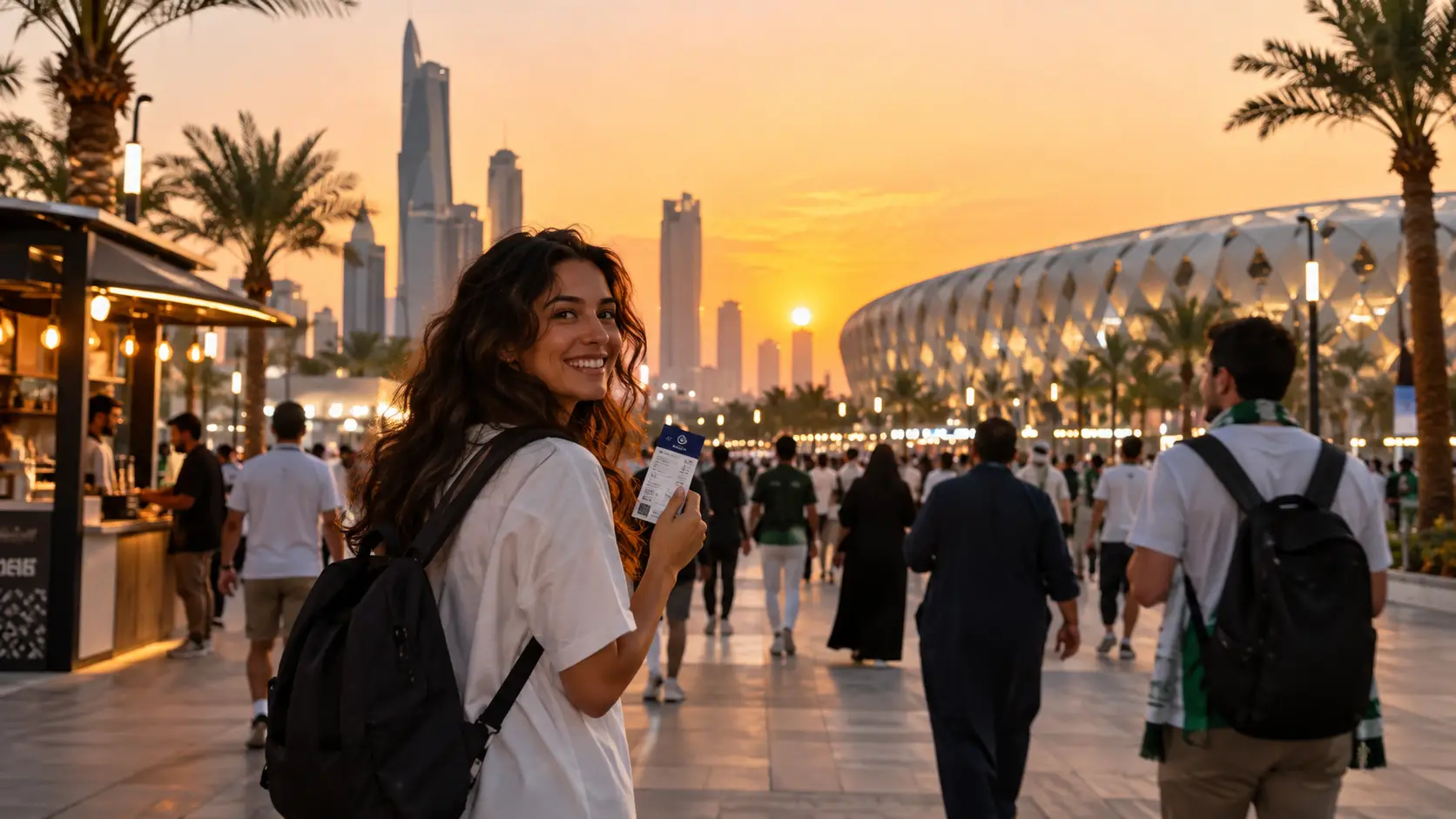
A ticket makes the trip purposeful for travelers, but there is some free time even when one is not engaged in the contest. However, the tour business can make use of these hours. The case of Jeddah is illustrative in this regard. Formula 1 attracts travelers to the Corniche, while the city also offers them the opportunity to see the Red Sea, Al-Balad, restaurants, and other waterfront areas.
Visitors may build a simple plan around the event:
- Take part in the principal competition and explore nearby fan zones.
- Make time to take in the culture or sightsee around town on an open day.
- Enjoy the local cuisine in another part of the city.
- Lengthen your visit with a beach, desert, or heritage vacation.
The value of tourism is derived from the entire stay period. If a person stays for a few days, they will use more local facilities than another individual who arrives and departs on the same day.
Tourism Benefits Reach More Than Hotels
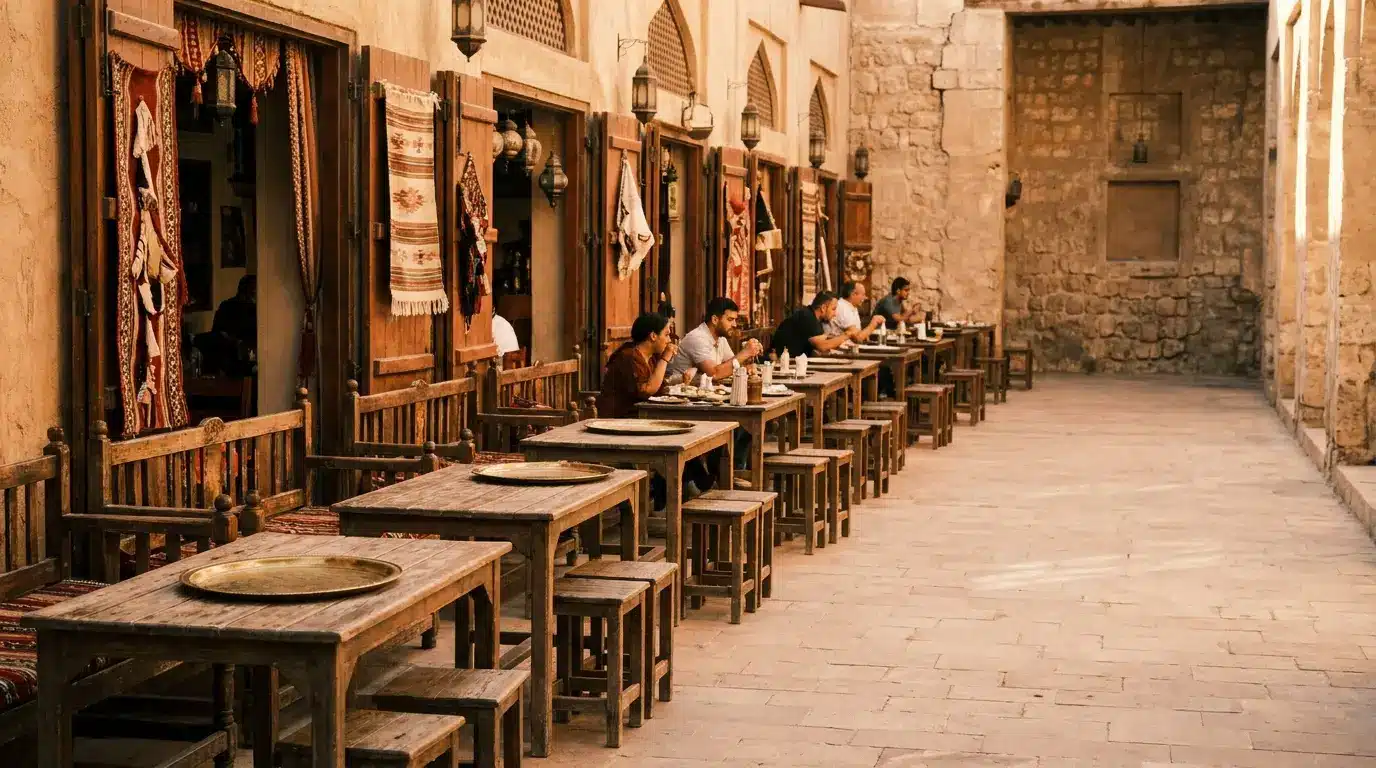
Accommodations certainly attract much of the spotlight at the big event, but many other companies operate within the visitor economy. Serving more guests can provide real benefits to restaurants. Transport providers shuttle people from airports to hotels, venues, and attractions. Shops take advantage of the customers who need gifts or regular items.
Local staff also acquire valuable experience from the international crowd. They learn how to cater to customers with varying travel styles. The event period helps motivate business organizations to enhance their bookings, multilingual information, payment methods, and customer service. Such improvements will remain valuable even after the last game or race is over.
Sports Tourism Can Support Regional Travel
The benefit for Saudi Arabia is that any major event can be held at various locations. For example, Riyadh offers a bigger-city experience, Jeddah presents both sports and Red Sea coastal opportunities, while AlUla provides something completely different for cycling and outdoor events. Connecting several cities on a single journey for visitors will expand the impact on tourism.
A well-planned trip can encourage guests to:
- Visit more than one Saudi city on the same trip.
- Combine a stadium event with heritage- or nature-related activities.
- Travel between cities using domestic air transport, trains, and roads.
- Come back for another event or vacation elsewhere in the future.
This movement ensures that the country appears as a series of destinations rather than a single destination where an event takes place. It also motivates return travelers to see other places in Saudi Arabia on their next visit.
Betting and Digital Sports Culture Add to Fan Engagement
The process of modern sport tourism begins well before the traveler arrives at his destination. They watch videos, review the odds and lineups of teams, participate in discussion groups about matches and bets, and receive updates on match results. Such betting can be considered an integral part of adult sports tourism if permitted by local law.
The same can be said about digital channels and platforms, which help to maintain the tourist’s engagement during his travels. He may review the schedule of the next occasion while staying at his hotel, monitor another game during free time between events, or exchange results with friends while watching a match.
For Saudi Arabia, the takeaway lesson is obvious – for sport tourism to be successful, the live possibility has to go hand in hand with the digital media component, destination content, hospitality, and entertainment. The visitor should have all the necessary tools before and after the event.
Major Contest Can Shape Future Travel Demand
A single successful show could be enough to inspire someone to visit years later. A first-time visitor who attended a race may return with their family someday. A viewer on TV would remember a town showcased during a football game and decide to visit that city in the future as his holiday destination.
International sporting performances have been used by Saudi Arabia as one of its strategies for developing its destinations. The Formula 1 Saudi Arabian Grand Prix is held in Jeddah, while Saudi Arabia will host the World Cup 2034. Vision 2030 documents showcase sports, entertainment, and tourism as interlinked aspects of development.
When the Crowd Goes Home, the Destination Remains
Events in sports provide an obvious entry point for tourism, since they create a clear motivation to visit during a particular period. It is possible to prolong their effect even after the last whistle or crossing the finish line. Visitors will recall the walk through the streets, the food they tasted, the places they visited, and the atmosphere of the show.
In the case of Saudi Arabia, the synergy of the two sectors becomes more necessary. International sports attract people’s attention globally, and tourism makes their interest more concrete. The link between sport and the region’s culture forms an energy cycle for the event. The stadium is just the beginning, but ігср destination will make the visitors come back again.