You don’t really notice your home’s exterior until you see it shake in the wind. The rain hits sideways, gutters overflow, and suddenly the outside of your home feels less solid than it did the day before.
In Portland, strong winds and long stretches of rain are not unusual. Moisture hangs in the air for days, and gusts can push water into seams you didn’t even know existed. Over time, that steady exposure wears down siding, roofing, and trim. Paint fades faster. Caulking cracks. The weather doesn’t need one dramatic event to cause trouble. It just keeps working at the surface until something gives.
Roofing That Holds Its Ground
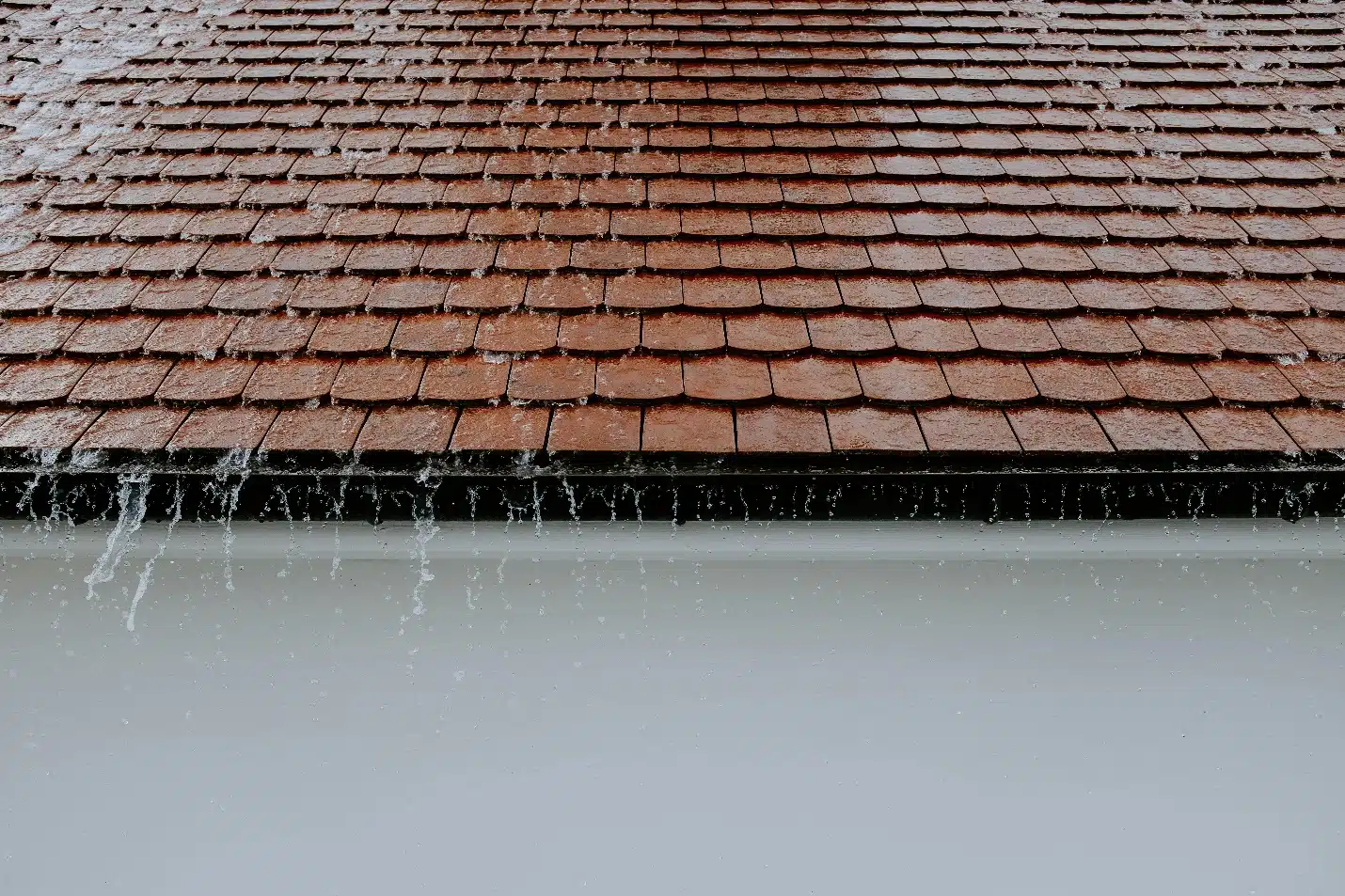
Roofing is the first line of defense. Wind lifts at the edges of shingles, testing their seal. Rain follows the path of least resistance, slipping under loose corners or worn flashing.
High-wind-rated shingles are designed with stronger adhesives that bond layers together. Metal roofing, when installed correctly, offers fewer seams for water to penetrate. Underlayment beneath the outer material adds another layer of protection, acting as a backup if shingles are damaged.
It’s also important to think about fastening methods. Nails placed too high or too low weaken the hold. Over time, repeated gusts can work loose poorly secured shingles. A roof doesn’t have to look damaged to be compromised. Sometimes the changes are subtle.
Siding That Breathes Without Leaking
Siding must strike a balance. It needs to block water from entering while allowing trapped moisture inside the walls to escape. If moisture gets sealed in, rot can begin behind the surface. Fiber cement siding handles moisture better than untreated wood. Vinyl siding, when properly installed with space for movement, resists cracking during temperature shifts. Engineered wood products are treated to resist swelling. A reliable Portland siding contractor can help you choose the right siding material for your home.
Behind the siding, house wrap acts as a barrier. It keeps rain out while allowing vapor to escape. If that layer is torn or improperly installed, water can seep in quietly. You might not notice until the paint peels or the drywall softens.
Windows and Doors
Wind-driven rain often targets windows and doors. Even small gaps in caulking can let water in. Over time, that moisture can weaken framing around the openings.
Modern window systems are designed with tighter seals and improved drainage channels. Doors with proper weather stripping and solid cores reduce drafts and water intrusion. Checking these areas regularly matters. If you see cracked caulk or peeling paint around frames, it’s a sign that water has been present. Reapplying sealant may seem minor, but it prevents larger repairs down the road.
Gutters That Actually Do Their Job
Gutters don’t get much attention until they fail. During heavy rain, clogged gutters overflow quickly. Water spills down the siding and pools near the foundation.
Strong brackets keep gutters attached during high winds. Seamless gutter systems reduce the risk of leaks along joints. Downspouts should direct water several feet away from the home. After storms, check for sagging sections or loose fasteners. Leaves and debris should be cleared regularly. It’s not glamorous work, but it protects everything beneath it.
The Importance of Proper Drainage
Rain doesn’t stop working once it hits the ground. After a storm, water spreads out, following the easiest path it can find. If the yard tilts even slightly toward the house, that water settles along the foundation. It may not look serious at first. A damp patch here, a little pooling there. But repeated exposure keeps the soil saturated, and over time that moisture presses against concrete walls and seeps into crawl spaces or basements.
Proper grading makes a quiet difference. The ground should slope away, not toward the structure. Simple downspout extensions can push runoff farther out into the yard. In some cases, a drain system beneath the surface helps redirect excess water. Exterior protection isn’t only about siding and shingles. It’s also about how efficiently water is guided away once it lands.
Paint and Sealants
Paint gets treated like decoration, but it’s really the outer skin of the house. Once it starts to blister, crack, or peel, the siding underneath is left open to rain and damp air. Wood absorbs moisture quickly. Even fiber cement can weaken over time if water keeps reaching the surface. Better-quality exterior paint holds its color longer and forms a tighter seal against moisture. Cheaper options may look fine at first, then fade or thin out after a few harsh seasons.
Sealants around windows, doors, and trim deserve the same attention. Caulk dries, shrinks, and pulls away little by little. Sun and temperature swings wear it down. Refreshing these areas early costs far less than repairing rot later.
Planning for the Long Term
Upgrades that truly handle wind and steady rain usually don’t look dramatic from the street. They aren’t trendy or eye-catching. They’re chosen for how they perform after five or ten rough seasons. It’s easy to get pulled toward a bold color or the lowest estimate, especially when budgets are tight. Still, materials are tested by pressure, moisture, and time—not by how good they look on install day. Solid fasteners, proper layering beneath shingles or siding, and careful sealing around joints quietly extend the life of an exterior more than most people realize.
It also helps to stay observant. After a storm, take a slow walk around the house. Notice anything shifted, loose, or stained. Small changes often signal bigger problems starting to form.
Building Confidence in Your Exterior
Wind and rain are not going away. In many regions, storms are becoming more intense. Homes need to handle those forces without constant repair. A well-designed exterior doesn’t rely on a single feature. Roofing, siding, windows, doors, and gutters work together. When one component weakens, the others feel it.
Exterior improvements that truly stand up to harsh weather are built on steady decisions. Strong materials. Careful installation. Regular upkeep. None of it is dramatic. But when the wind picks up and rain hits hard, that quiet preparation makes all the difference.