Nearshoring to Mexico stopped being a trend a while back. It’s now just how North American supply chains work, and the warehouses meant to support it are struggling to keep up. Companies scaling operations near the border are hitting a wall faster than most expected: their existing facilities are out of usable space, and throughput is starting to lag behind order volume. That leaves two real paths forward. Fix the space you already have, or find a partner who already has room to spare.
Why Border Warehouses Are Running Out of Room
Picture a mid-sized distributor near the Texas border that leased its facility three years ago, back when 20,000 square feet felt like plenty. Order volume has doubled since then, and the building hasn’t grown an inch. That’s the exact bind pushing more operators toward companies like storxsolutions.com, which designs, integrates, and installs turnkey storage and automation systems for distribution centers, manufacturers, cold storage operators, and 3PL providers that need more capacity without breaking ground on a new building. Bring in an automated shuttle system, reclaim the aisle space wasted on manual picking, and that same distributor can often absorb another two years of growth inside the walls it already has.
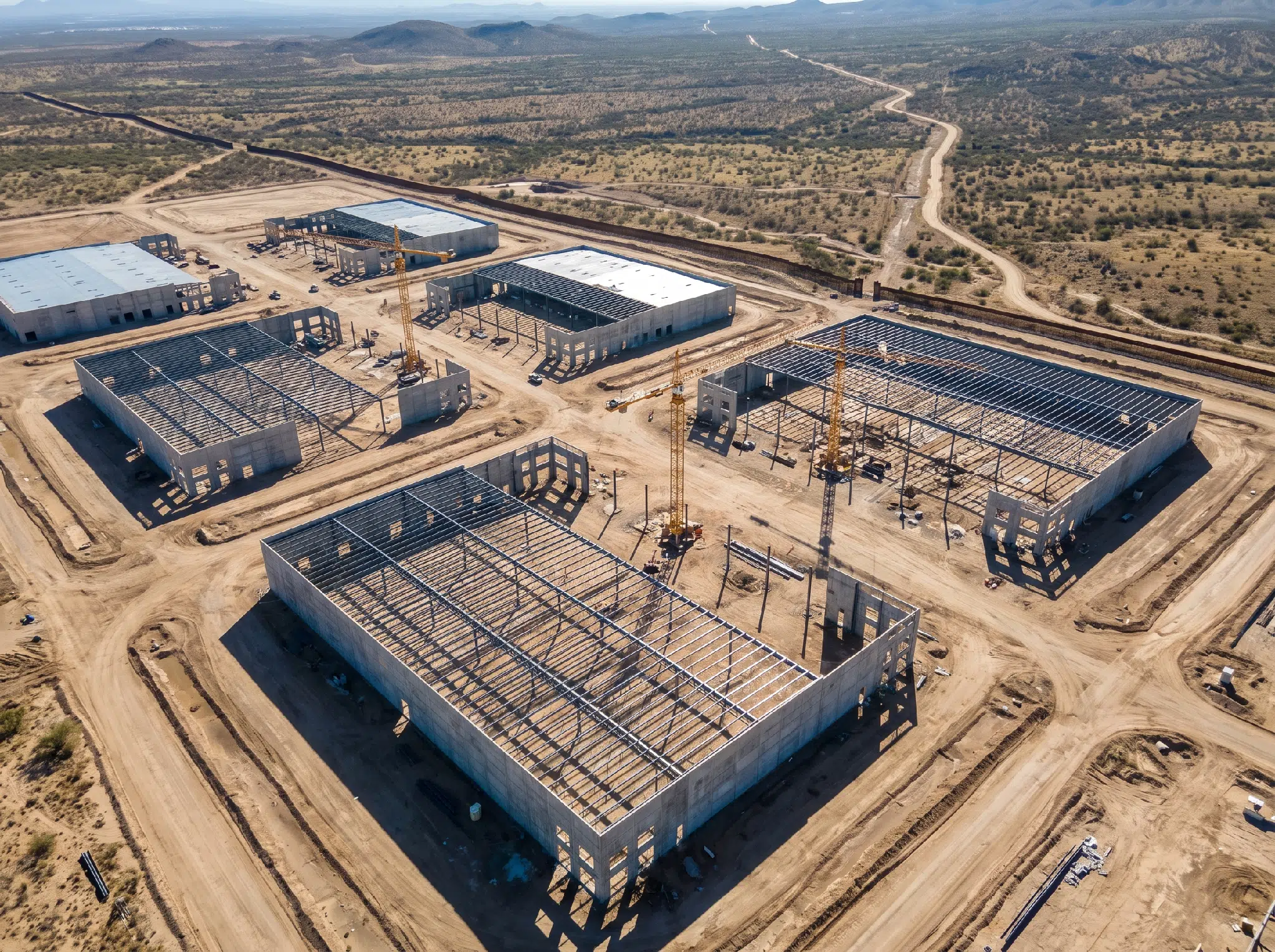
The numbers explain why this scramble is happening so fast. Mexico closed 2025 with a record $40.87 billion in foreign direct investment, up 10.8% year-over-year, and U.S. imports from Mexico rose 7.4% over the same period, according to Mexico Business News. That capital and cargo has to land somewhere, and it’s landing hard in specific corridors. Industrial absorption in Ciudad Juárez surged 63% year-over-year through the third quarter of 2025, while Querétaro’s quarterly absorption ran 74% higher than the prior period.
Warehouses along these corridors simply can’t be built fast enough to match demand. Landlords are leasing space before it’s finished, and companies that assumed they had a year or two of breathing room are discovering they don’t. The pressure isn’t limited to Mexican soil, either; U.S. facilities that feed cross-border supply chains are absorbing the same squeeze.
Rethinking Storage: Automated Systems Buy Back Space and Speed
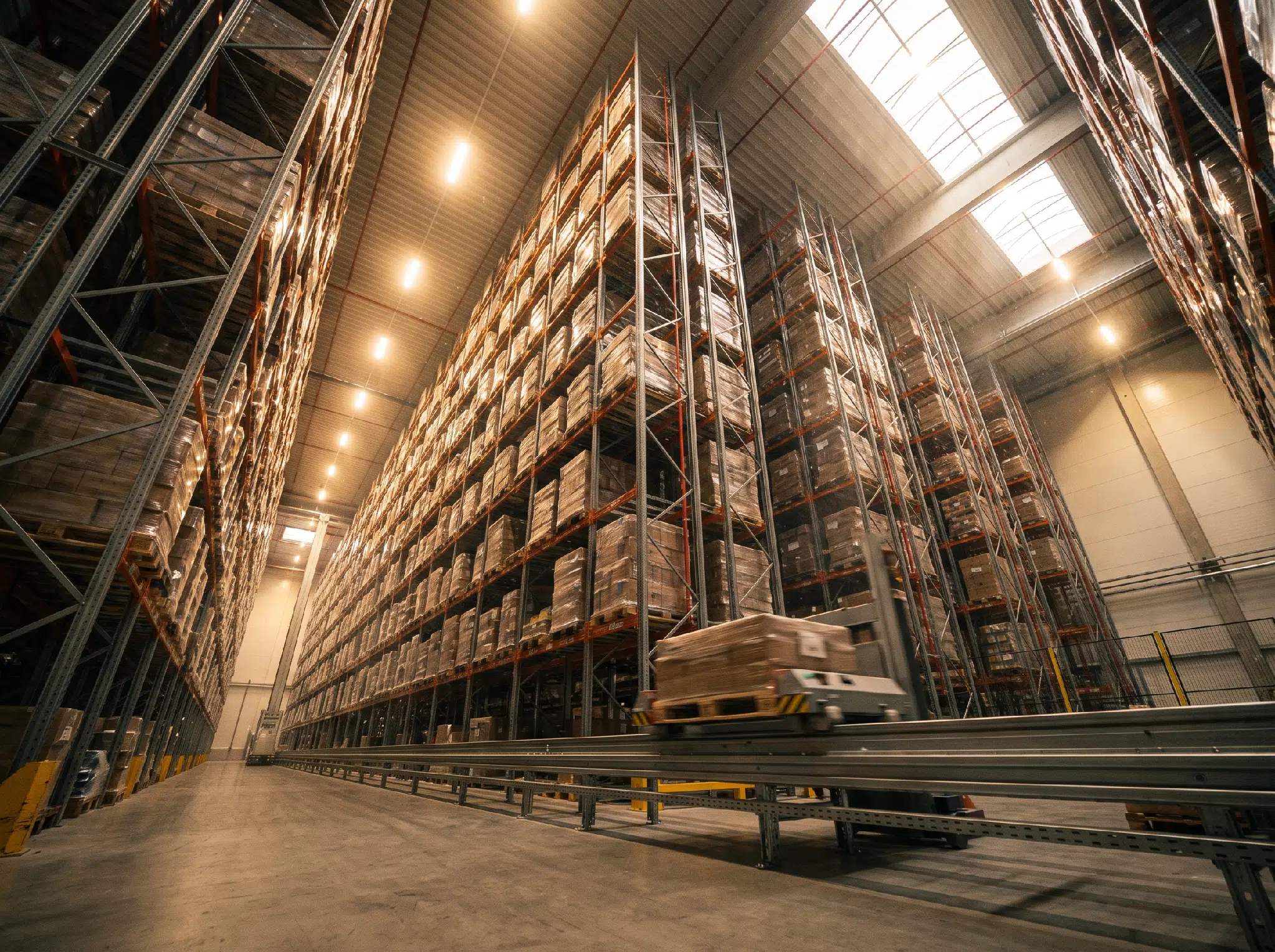
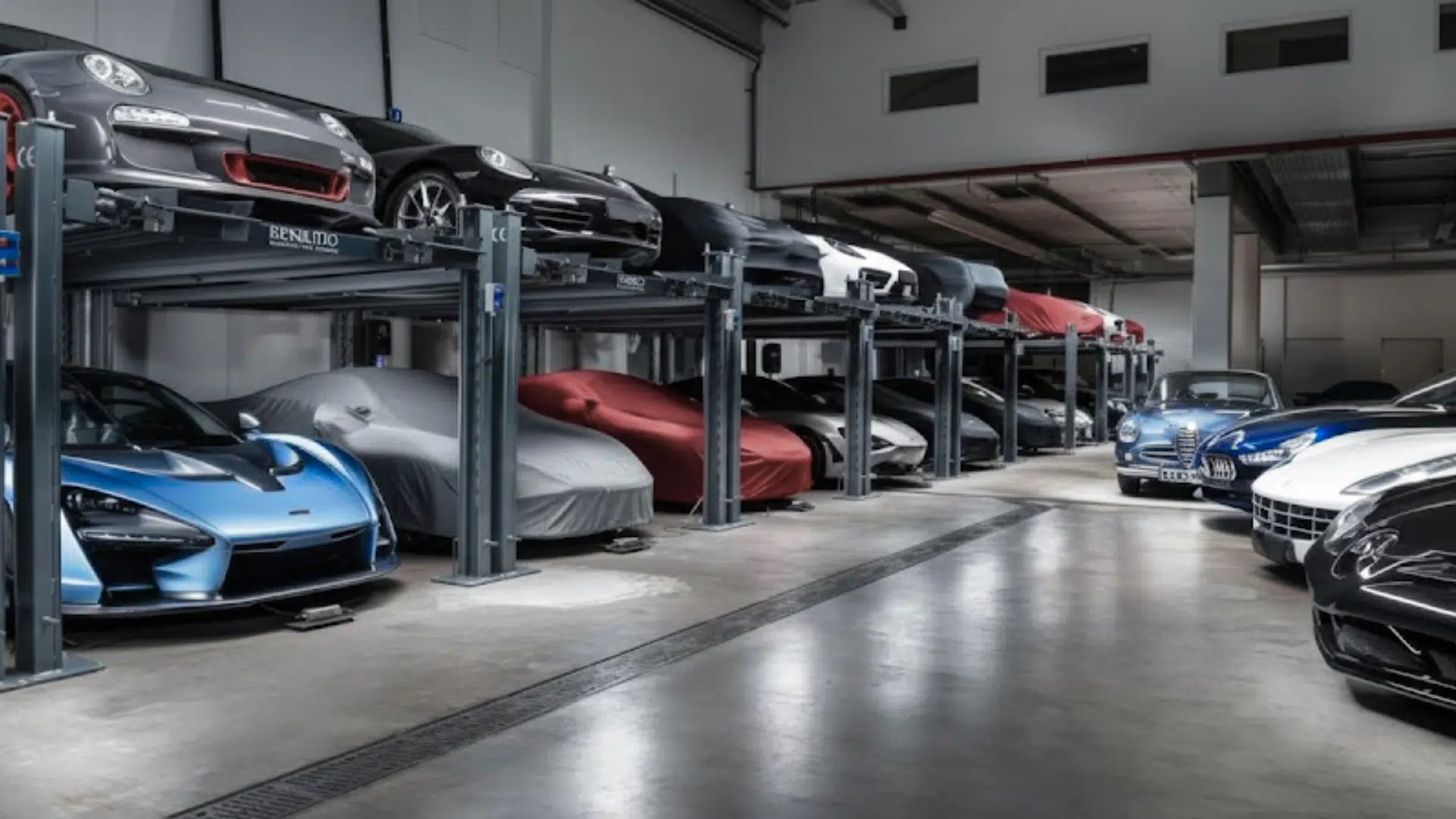
When a facility can’t expand its footprint, the next best option is to use the footprint it already has more intelligently. Automated storage and retrieval systems, high-density pallet shuttles, and properly engineered racking layouts can add substantial capacity to an existing building without adding a single square foot. A warehouse that once stored pallets three racks high can often go five or six racks high once the retrieval system is automated, and that’s before accounting for the throughput gains.
The catch is that automation isn’t free, and it isn’t instant. Supply chain leaders know this too; 45% plan to purchase automation equipment such as AGVs, ASRS, or robotics within the next three years, and 55% are increasing their overall technology investment, according to the 2025 MHI and Deloitte Annual Industry Report. The ones who move now, before their space runs out entirely, get to plan the rollout instead of scrambling through one.
The Trade Backdrop: Why Flexibility Matters Right Now
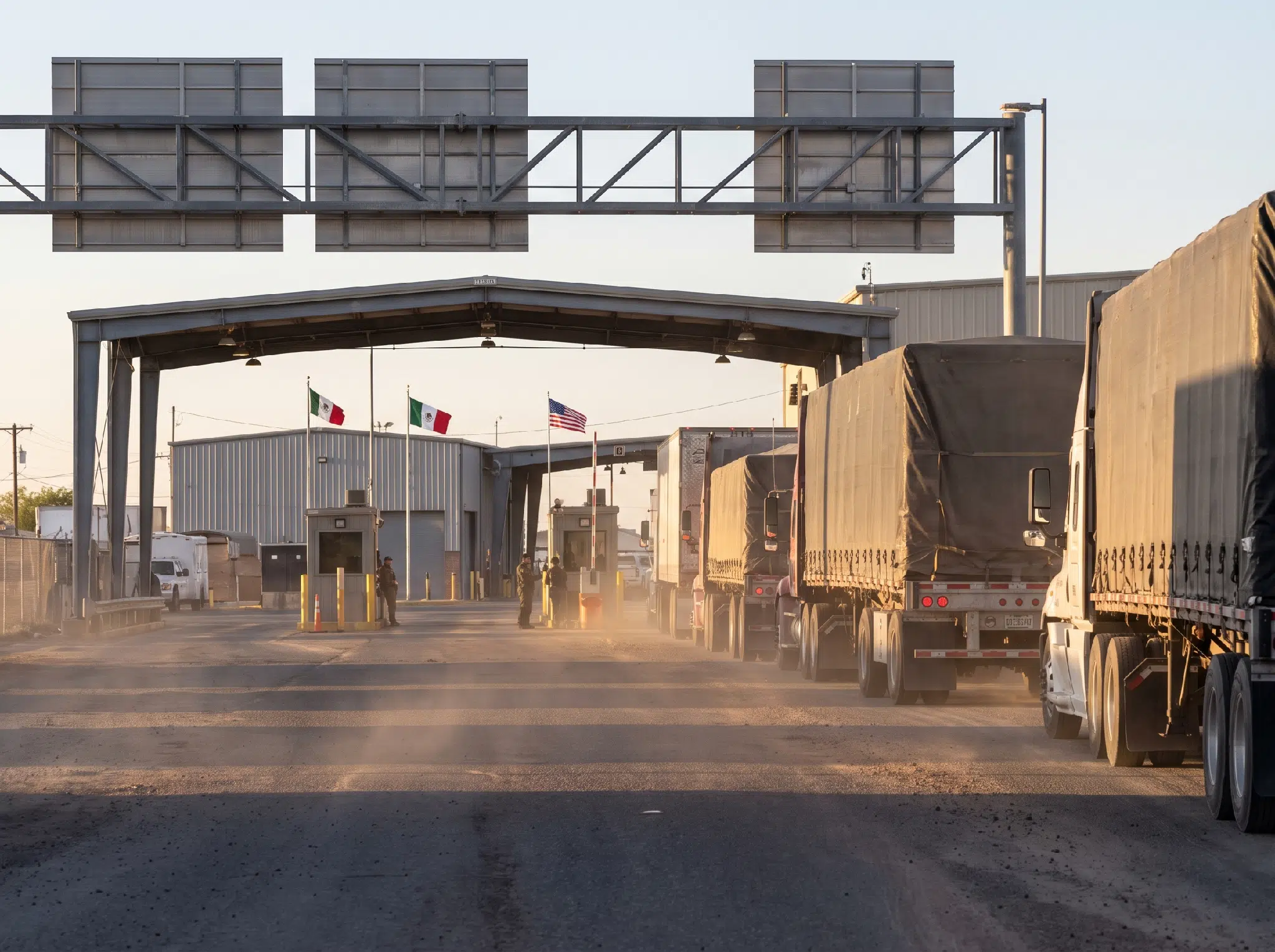
None of this is happening in a vacuum. The USMCA’s first mandatory Joint Review took place on July 1, 2026, and the U.S. declined to extend the agreement outright, kicking off a process of annual reviews instead. That kind of policy uncertainty tends to push companies toward flexible infrastructure rather than long, rigid commitments.
Researchers at EGADE Business School, part of Tecnológico de Monterrey, have made a similar point: logistics efficiency, not just cheaper labor, is now the primary driver behind nearshoring decisions. Companies aren’t just moving production closer to the U.S. market anymore; they’re rethinking how goods move once they get there, and that includes storage strategy, not only transportation routes.
Automation Momentum Meets a Tightening Border
The connection between automation adoption and border trade growth isn’t a coincidence. As more companies compete for the same limited warehouse space, the ones with automated, high-density storage can absorb growth that would otherwise require a second facility. This mirrors a broader pattern our team has covered before in the broader shift toward automation and data-driven operations, where warehouses increasingly treat software and hardware upgrades as core infrastructure rather than optional add-ons.
For companies still running manual pick paths and static racking, the math is getting harder to ignore. Every quarter of delay is another quarter of lost capacity in a market that isn’t waiting around.
The Other Option: Don’t Build, Partner Nearshore
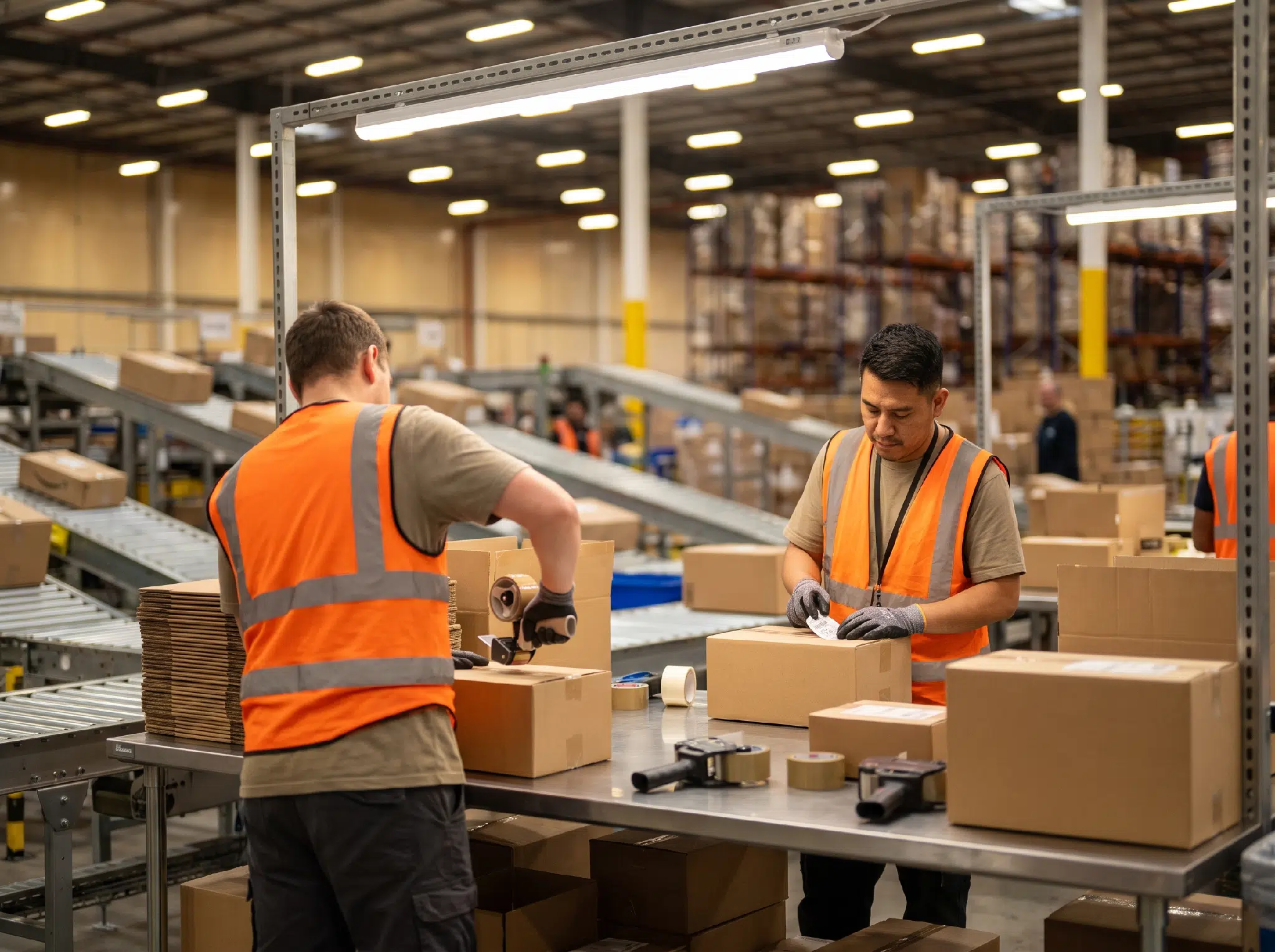
Not every company wants to sink capital into expanding or automating a facility, and that’s a reasonable call, especially for businesses still testing whether a Mexico-adjacent operation makes sense long-term. For them, a nearshore third-party logistics partner is usually the faster route.
Loginam, a 3PL company in Mexico, operates out of Tijuana and handles warehousing, order fulfillment, and cross-border customs clearance for companies that want a Mexico footprint without owning the real estate. It’s a practical example of the partner-instead-of-build path: a business can start shipping through an established facility within weeks rather than waiting out a construction timeline or an equipment installation. That speed matters more than ever with trade policy still in flux following the 2026 USMCA review.
Choosing the Right Strategy for Your Supply Chain
There’s no single right answer here, but there is a useful framework. Companies growing volume steadily, with capital available and an existing facility that still has bones worth investing in, tend to benefit most from automation upgrades. Companies scaling fast, testing a new market, or lacking the capital for a build-out usually do better leaning on an established partner instead.
The questions worth asking are straightforward: How fast is volume actually growing, and how much of that growth is durable versus seasonal? Is there capital available for equipment now, or does cash flow argue for a partner model in the short term? And does the business need a real, permanent Mexico presence, or does it just need reliable throughput?
Understanding how third-party warehousing and fulfillment actually works helps clarify which path fits. Some companies end up doing both eventually, automating their core U.S. facility while leaning on a nearshore partner for overflow or regional coverage near the border.
The Border Isn’t Waiting
The nearshoring boom isn’t pausing for anyone’s warehouse to catch up. Companies that modernize their existing storage infrastructure, plug into an established nearshore 3PL, or do a bit of both will be the ones keeping pace as the border’s industrial footprint keeps expanding through 2026 and beyond. The ones that wait to decide are the ones who’ll be renting overflow space at a premium next year.