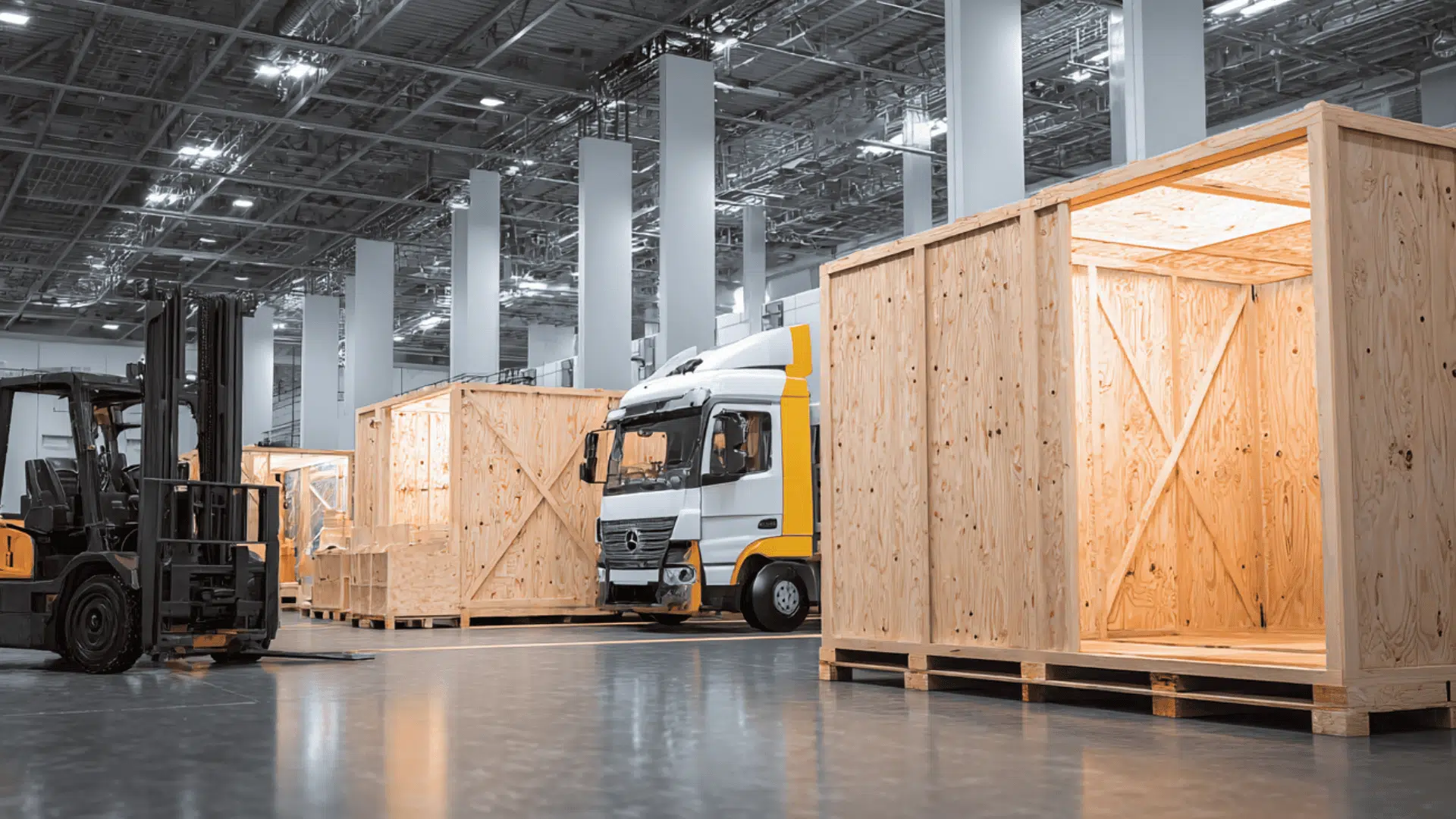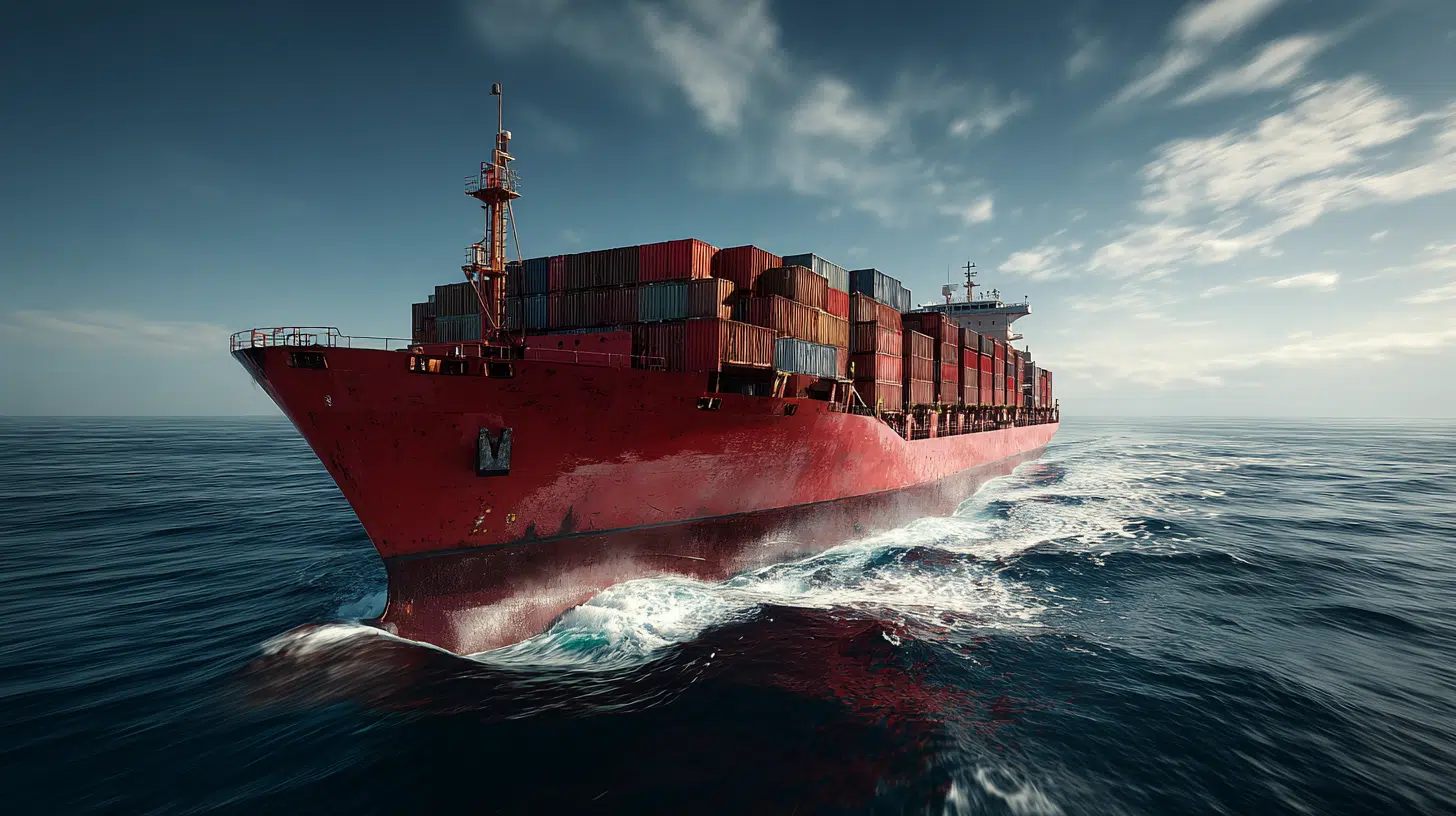
Long-haul transport plays a big role in how goods move from one place to another. Food, clothes, tools, and many everyday items travel long distances before they reach stores or homes. Without this system, it would be much harder to keep shelves full and businesses running.
But this kind of work is not simple. It comes with many risks. Drivers spend long hours on the road, vehicles carry heavy loads and the weather can change fast. Even a small mistake can lead to a serious problem.
In this article, we’ll look at the most common risks in long-distance freight transport and how they are reduced.
Driver Fatigue and Long Hours
One of the biggest concerns is driver fatigue. This happens when someone becomes very tired after being on the road for too long. A tired driver may react more slowly or miss important signs.
According to the Federal Motor Carrier Safety Administration, fatigue is involved in about 13% of large vehicle crashes. That shows how serious the issue is. To reduce this risk, there are rules that limit driving hours. These are known as hours-of-service rules and they make sure drivers take breaks and get enough rest between shifts.
Electronic logging devices, or ELDs, are often used to track driving time. These tools help make sure the rules are followed. Better planning also helps. Schedules are designed to allow enough time for rest. Some fleets also train drivers to notice early signs of fatigue, such as trouble focusing or frequent yawning.
Vehicle Maintenance and Equipment Failure
Heavy vehicles travel long distances and carry large loads. Over time, parts like brakes and tires wear down and if they are not checked often, they can fail. Reports say that about 10% of crashes involve mechanical problems, and brake issues are one of the most common causes.
To prevent this, regular inspections are carried out. Drivers often check their vehicles before and after trips and mechanics also perform routine maintenance.
Modern systems now help track vehicle health. These tools can warn about engine trouble, low tire pressure, or other issues. Fixing problems early helps avoid bigger risks later.
Road Conditions and Weather Hazards
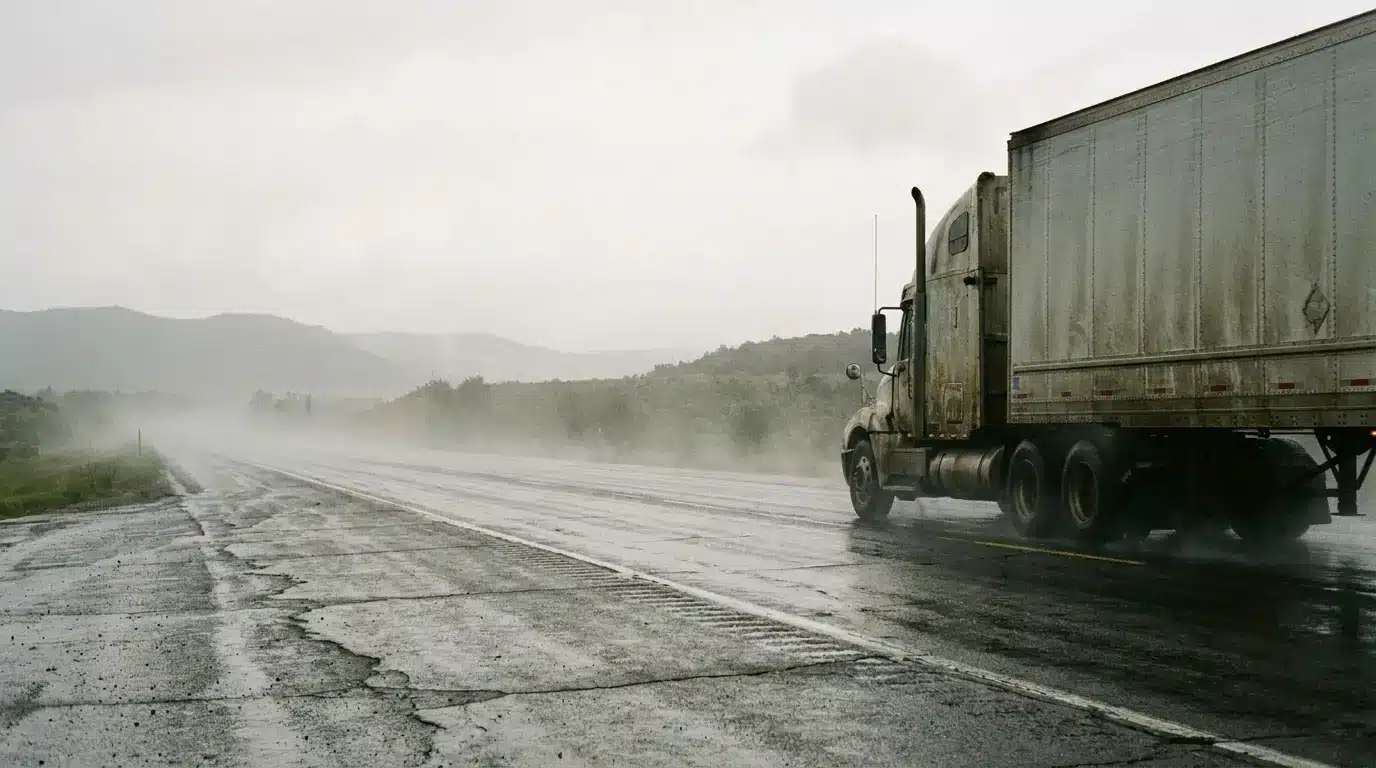
Road and weather conditions can change quickly. Rain, snow, ice, and fog all make driving more difficult. Poor road quality can also add to the danger.
The Federal Highway Administration states that around 21% of crashes are linked to weather conditions. For large vehicles, these situations can be even more dangerous due to longer stopping distances. To stay safe, routes are planned carefully and dangerous areas may be avoided when possible. Drivers also receive updates about the weather during their trips.
Training is important here. Drivers learn how to handle slippery roads and low visibility. Slowing down and keeping a safe distance from others can help prevent accidents.
When Accidents Happen
Even with strong safety steps, accidents can still happen, and when they do, the effects can be serious.
An incident may delay deliveries or damage goods and it can also affect other people on the road. In some cases, injuries may occur. The National Highway Traffic Safety Administration reports that large vehicles are involved in about 9% of fatal crashes. This shows how severe these situations can be.
After an accident, several steps usually follow. There may be an internal review to understand what happened, insurance claims are often filed and responsibility may also need to be determined.
In more serious cases, drivers and operators may have to work with a truck accident lawyer. These legal professionals help manage claims, sort out liability, and handle legal matters. This step is just one part of a larger process that also focuses on improving safety going forward.
Cargo-Related Risks
The load itself can create risks if it is not handled properly, because if items are not secured, they can move during the trip. This is known as shifting cargo.
When cargo shifts, it can affect balance and control. This makes the vehicle harder to handle and increases the chance of a rollover. Overloading is another issue. Carrying too much weight puts extra stress on brakes and tires.
To reduce these risks, strict loading rules are followed. Weight must be spread evenly, and cargo must be secured with proper equipment. Drivers often check their loads before leaving. In some cases, there are double checks to make sure everything is safe.
Technology as a Risk-Reduction Tool
Technology is making transport safer. Many fleets now use systems that track driving behavior and vehicle performance in real time. Telematics tools can record speed, braking, and route patterns. This helps identify risky habits early.
Some vehicles are also equipped with smart dashcams. These can alert drivers if they seem distracted or tired. Studies show that using these tools can reduce accidents by 20% to 30%. That is a strong improvement.
Technology also helps with planning and maintenance. GPS systems can suggest safer routes, while monitoring tools can signal when service is needed.
Ongoing Driver Training and Safety Culture
Drivers play a key role in safety and that is why training is so important. New drivers learn the basics before starting work. After that, many continue to receive training to improve their skills.
This may include defensive driving, hazard awareness, and safety rules. Some programs use simulators to practice difficult situations in a safe way.
Another important idea is safety culture. This means making safety a shared goal for everyone involved. When safety is taken seriously every day, better decisions are made. Over time, this leads to fewer accidents and smoother operations.
Final Words
Long-distance freight transport is something the world can’t function without, but it comes with real challenges. Fatigue, mechanical issues, weather, and cargo handling all play a role in safety. The good news is that these risks can be managed. With proper training, careful planning, and the use of modern tools, many problems can be prevented.
Accidents may still happen, but their impact can be reduced. A strong focus on safety helps protect drivers, goods, and everyone on the road.
In the end, safer transport means a more reliable system that benefits everyone.