Carbon monoxide is one of those household hazards that can be difficult to recognize because it provides no obvious warning before exposure becomes dangerous.
I’ve found that carbon monoxide detector placement is where many homeowners second-guess themselves. Having an alarm matters, but its location affects how well it protects your home.
Room layout, sleeping areas, appliances, and airflow all play a role. I’ll cover how to check coverage, choose practical mounting spots, avoid problem areas, and confirm whether your existing alarms are placed correctly.
How Many Carbon Monoxide Detectors Your Home Actually Needs
A good baseline is one detector on every level of the home, plus one near each sleeping area, including the basement, even if you barely use it.
The number you need depends more on your layout than your square footage. A compact home with bedrooms grouped together may need fewer alarms than a similar-sized home with separate sleeping areas.
I’ve been in homes where the only alarm sat in a hallway two floors away from the bedrooms. The house technically had a detector, but one device was being asked to cover far too much space.
You may need extra detectors for finished basements, distant bedrooms, separate sleeping areas, or converted living areas. I’d reassess coverage whenever your home’s layout changes.
Best Carbon Monoxide Detector Placement
Get these four locations right, then follow the manufacturer’s instructions for mounting height. For wall-mounted detectors, guidance has commonly placed them around 5 feet above the floor, or roughly eye level
1. Place Detectors Near Sleeping Areas
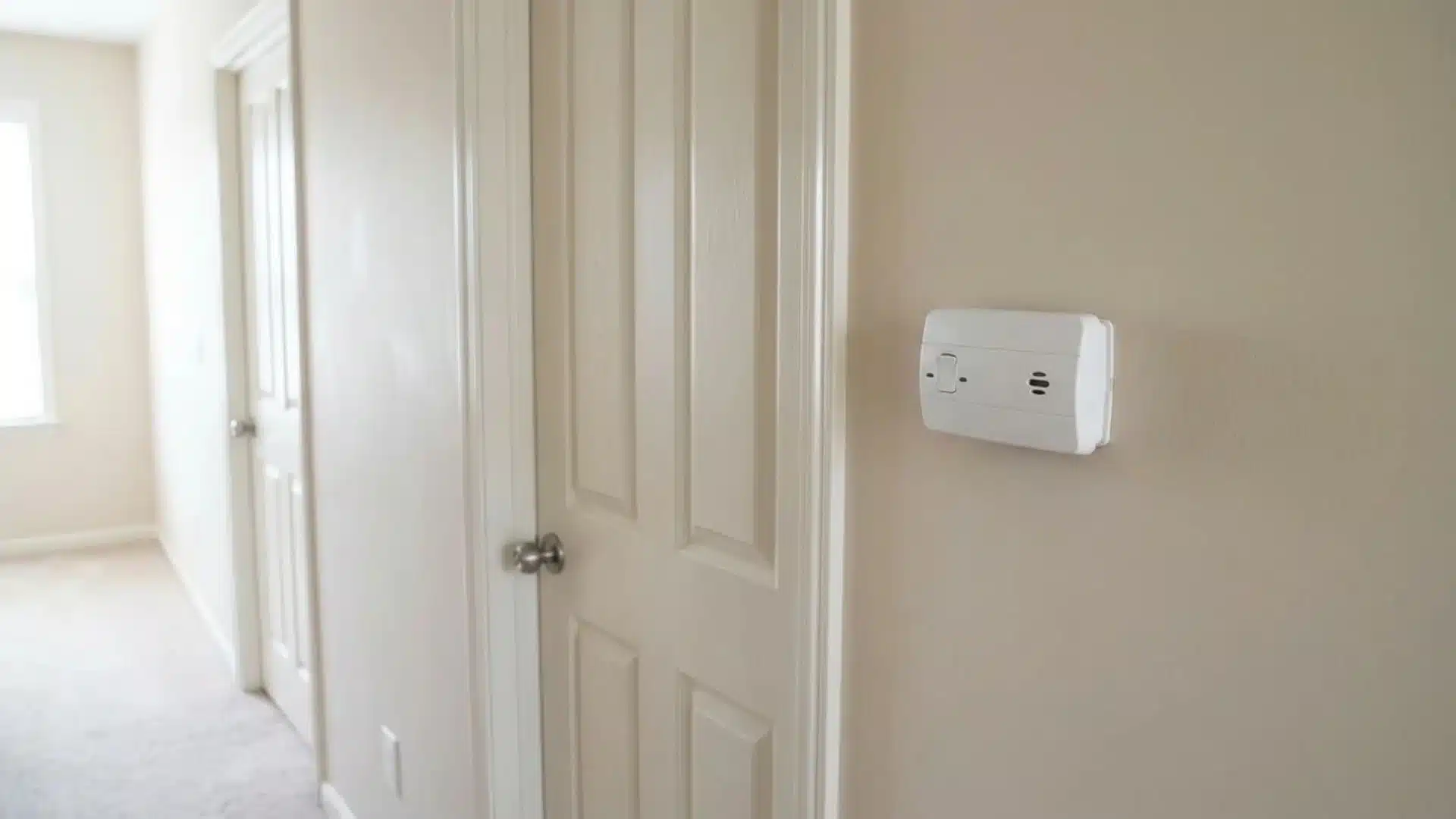
Keep a detector within 10 to 15 feet of each bedroom door. The point is simple: it needs to be close enough for the alarm to wake you while you’re sleeping.
I wouldn’t try to make one detector cover bedrooms at opposite ends of the house. If the bedrooms are split into separate areas, each group should have its own detector nearby.
2. CO Detector Placement Near Fuel-Burning Appliances
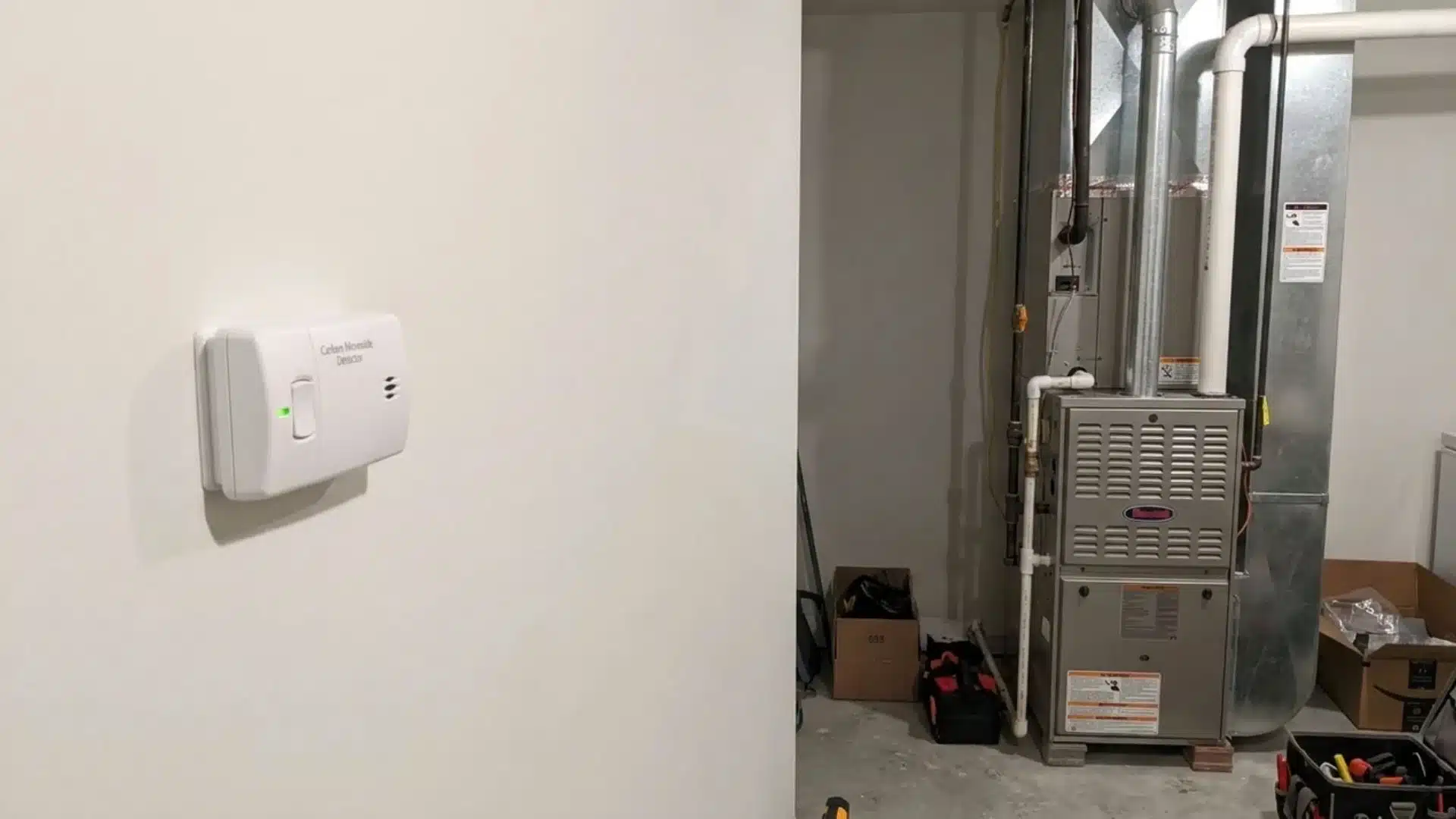
Carbon monoxide can be produced by several fuel-burning appliances, including gas furnaces, water heaters, fireplaces, stoves, and boilers.
Faulty combustion, blocked vents, or inadequate ventilation can allow CO to accumulate indoors.
| Common CO Source | Potential Cause |
|---|---|
| Gas furnace, gas water heater, boiler | Incomplete or poor combustion; blocked, restricted, or inadequate ventilation |
| Fireplace | Blocked or poorly functioning chimney or flue |
| Gas stove or oven | Incomplete combustion or poor ventilation |
| Gas clothes dryer | Faulty combustion or restricted exhaust |
Keep detectors at least 15 feet from fuel-burning appliances, including gas furnaces, water heaters, fireplaces, and stoves.
Placing one too close can expose the sensor to normal startup fumes and cause false alarms, while positioning it too far away may delay detection.
I’ve seen people mount detectors beside furnaces, assuming closer is safer. Repeated false alarms can lead to removed batteries, leaving the home unprotected.
3. Install Detectors Near Attached Garages
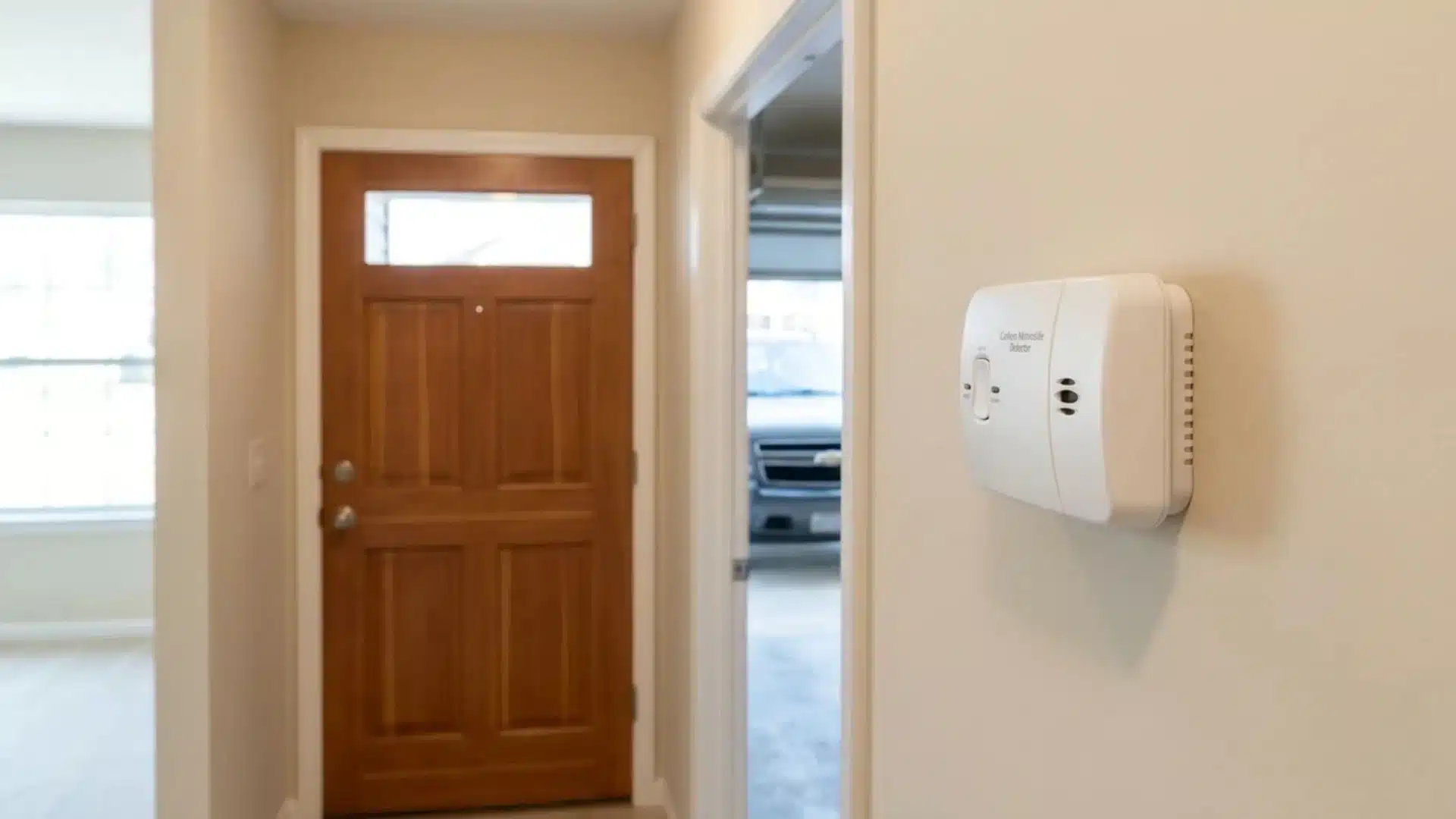
Install a detector inside your home near the area connecting to an attached garage. Avoid putting a standard household CO detector inside the garage itself unless its instructions specifically allow it.
Keep the detector 10 feet away from the garage entry where exhaust could cause nuisance alarms. Follow the manufacturer’s required distance for your specific model.
If there’s a living space directly above the garage, consider adding a detector there too. Carbon monoxide from vehicle exhaust can enter adjoining parts of the home.
4. Install a Detector in the Basement
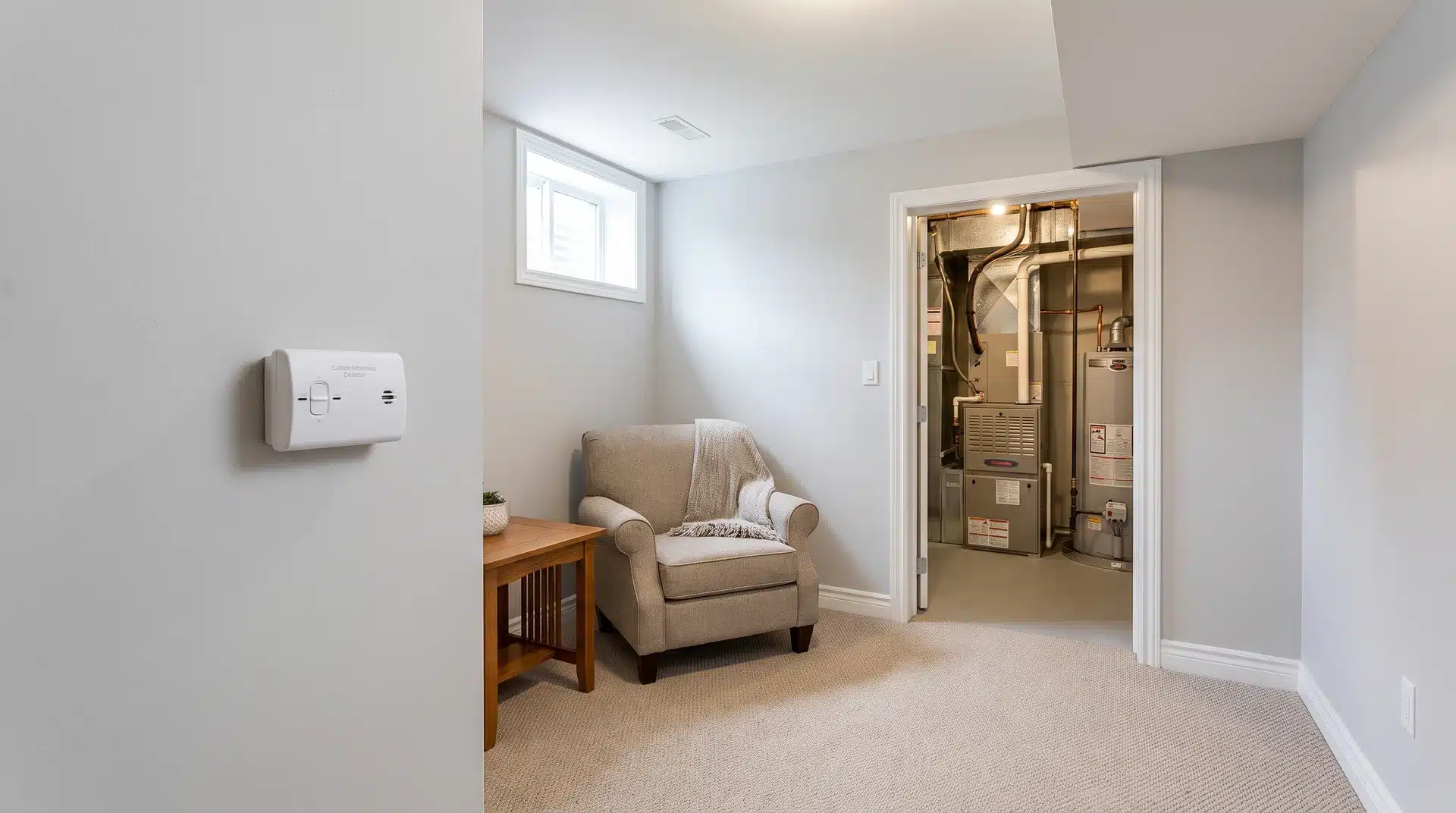
If your basement contains a fuel-burning appliance, place the detector according to the manufacturer’s required clearance, not directly beside the appliance.
A basement bedroom also needs a detector near the sleeping area.
If your furnace, water heater, or another fuel-burning appliance is in the basement, avoid mounting the detector directly beside it.
Follow the distance listed in your detector’s instructions to reduce nuisance alarms.
A basement bedroom also needs the same sleeping-area protection as an upstairs bedroom. Place a detector where someone sleeping there can clearly hear the alarm.
Best Height for Mounting a Carbon Monoxide Detector
Carbon monoxide doesn’t simply sink to the floor or stay up near the ceiling. It may rise at first because it comes off a combustion source warm, but once it cools, it mixes with the air in the room. That’s why both wall and ceiling mounting can work.
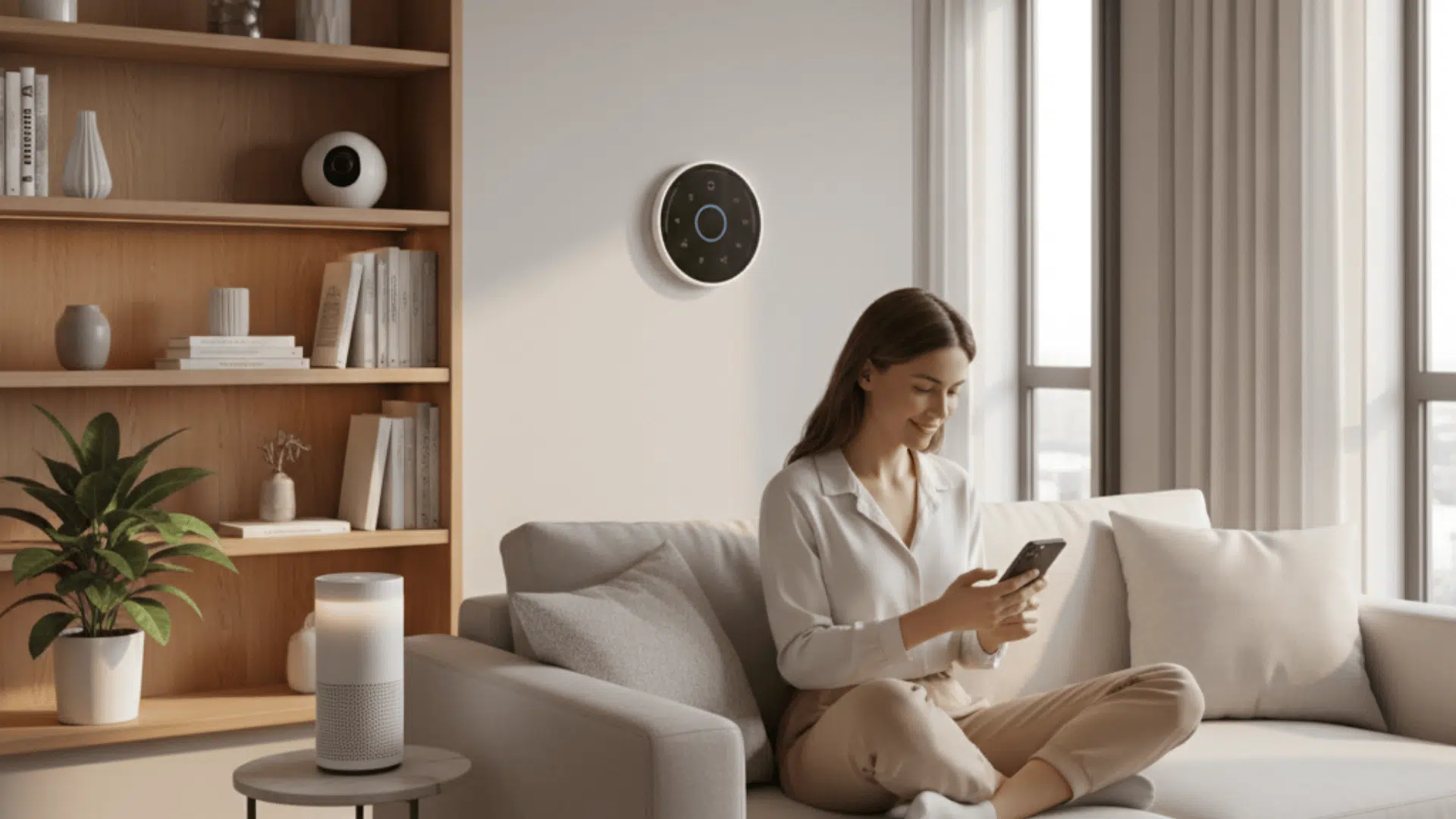
If you’re putting the detector on a wall, around 5 feet from the floor is a practical height. It’s easy to reach when you need to test it, but high enough to keep curious kids or pets away.
Ceiling mounting works too. Just keep the detector 6-12 inches away from the corner where the wall and ceiling meet. Air doesn’t move as well in those corners, so a detector tucked right into one can respond more slowly.
I wouldn’t get too caught up in the wall-versus-ceiling debate. Where the detector sits in relation to bedrooms, fuel-burning appliances, and the garage matters much more than choosing one mounting height over the other.
Where to Place CO Detectors and What to Avoid
A good detector location should be easy to hear, test, and keep clear of anything that affects airflow around the sensor. It should also follow the manufacturer’s approved mounting positions.
A few placement checks can help you avoid nuisance alarms and slower detection:
- Keep it easy to hear: Place the detector where its alarm can be clearly heard, especially from nearby sleeping areas.
- Keep it easy to test: Choose a spot you can reach without moving furniture or using awkward access.
- Stay away from cooking and heating sources: Avoid placing detectors too close to stoves, ovens, fireplaces, or furnaces. Normal combustion can sometimes trigger nuisance alarms.
- Avoid bathrooms and other humid areas: Steam and high humidity can interfere with some sensors over time.
- Keep it away from drafts: Avoid vents, ceiling fans, open windows, and other areas with strong airflow.
- Leave the detector exposed: Don’t hide it behind curtains, cabinets, shelving, or tall furniture that could restrict airflow or muffle the alarm.
- Follow the manual: Use only the wall or ceiling positions and clearances approved for your specific detector.
Most placement mistakes look harmless at first. A detector can still turn on and pass its test while sitting in a poor location, which is why checking the surrounding area matters too.
How to Check Your Carbon Monoxide Detector Placement?
A quick detector check can catch problems missed during installation. I like to start upstairs and work down, making sure every level and bedroom is covered.
Then press the test button on every unit to confirm the alarm sounds properly. If you use interconnected alarm monitoring, all connected alarms should sound together, not just the one you tested.
Check the battery while testing each detector. Replace low or depleted batteries promptly instead of waiting for the low-battery chirp; for sealed long-life batteries, follow the manufacturer’s replacement instructions.
Check the manufacturing or replacement date on each detector. Smoke and CO alarms have limited lifespans, so replace them according to the manufacturer’s schedule rather than relying on the test button.
I’d treat placement, testing, batteries, and replacement dates as one routine check. A detector needs to be positioned correctly, powered properly, and within its service life to do its job when you need it.
What to Do If Your Carbon Monoxide Alarm Sounds
If your carbon monoxide alarm sounds, leave the home immediately and move everyone outside to fresh air. Do not ignore the alarm or assume it is a false alarm, even if nobody is experiencing symptoms.
- Call Emergency Services: Once you are safely outside, call your local emergency services or fire department. Do not go back inside to investigate the CO source or troubleshoot the alarm.
- Report Symptoms: If anyone has a headache, dizziness, nausea, weakness, or confusion, tell emergency responders you suspect carbon monoxide exposure and seek prompt medical attention.
- Wait for the All-Clear: Do not re-enter the home until emergency responders have checked the property and confirmed that it is safe to return.
- Service Faulty Appliances: If a fuel-burning appliance is causing the CO, have it properly inspected and serviced before using it again.
Once everyone is safely outside, let emergency responders handle the situation. Don’t return inside until they say it’s safe. After you find the source, have the faulty appliance checked before using it again.
Taking these steps can help keep a CO alarm from becoming a preventable emergency.
Conclusion
After looking at carbon monoxide detector placement across the home, I think the biggest takeaway is that coverage should follow your household rather than a generic installation pattern.
I would walk through each floor and sleeping area, then consider nearby appliances, garages, airflow, and anything that could interfere with an alarm. That approach makes it easier to spot gaps that are easy to overlook during installation.
I also make testing and replacement part of the same routine. A detector can be correctly positioned and still provide little protection once its sensor has reached the end of its service life.
Frequently Asked Questions
Should carbon monoxide detectors be placed high or low in the home?
Neither position is required. Carbon monoxide mixes evenly with room air within minutes of leaving its source, so wall placement around 5 feet high and ceiling placement both work well. What matters more is keeping detectors within range of bedrooms and fuel-burning appliances, rather than hitting an exact height.
Where should you not place a carbon monoxide detector?
Avoid mounting within 5 feet of stoves, ovens, or furnaces, since normal combustion can trigger false alarms. Also skip high-humidity rooms like bathrooms, drafty spots near vents or fans, and hidden locations behind curtains or furniture where sound gets muffled.
How many carbon monoxide detectors do you need in a home?
Install one detector on every level of the home, including the basement, plus one near each sleeping area. Homes with a finished basement, a separate bedroom wing, or multiple staircases typically need extra units beyond that baseline to cover every bedroom.
What is the best height to mount a carbon monoxide detector?
About 5 feet above the floor, or eye level, is the standard wall-mounting height, though ceiling mounting works equally well since carbon monoxide mixes with air rather than staying low or high. If ceiling-mounted, keep it at least 12 inches from wall corners for better air circulation.