Moving across the country raises a practical question: what happens to the car? Driving may sound simple until you include fuel, hotels, meals, wear, and the time spent behind the wheel. Shipping can be more convenient, but quotes often vary by hundreds of dollars.
Vehicle transport is easier to manage once you understand what affects the price, which service options matter, and what paperwork protects you. From there, the process is mostly about choosing a provider, preparing the car, and allowing enough time.
How the Process Works
Most interstate vehicle shipments follow the same basic sequence, whether you book directly with a carrier or through a broker.
From Quote to Delivery
- Request quotes using the pickup and delivery ZIP codes, vehicle year, make, and model, operating condition, and earliest available pickup date.
- Compare the services and terms, then book a pickup window rather than expecting a fixed appointment time.
- At pickup, review the vehicle with the driver. Existing scratches, dents, and chips should be recorded on the bill of lading, which serves as the shipment and condition record.
- Take your own dated photos from every angle, including the roof, bumpers, wheels, and windshield.
- At delivery, inspect the car in good light and compare its condition with the pickup notes before signing.
What Cross-Country Car Transport Costs in 2026
Published averages provide a useful starting point, but the actual price depends on the route, vehicle, service type, and time of year.
Typical Price Ranges
Move.org’s 2026 analysis places the average open-carrier shipment at about $1,128, with estimated rates of roughly $1.89 per mile for open transport and $2.82 per mile for enclosed service. Extra Space reports that trips of 2,000 miles or more commonly cost about $1,200 to $2,500. ConsumerAffairs lists typical cross-country shipments at more than $1,700. Treat these figures as broad estimates rather than guaranteed prices.
What Changes the Price
Distance matters, but route demand can matter just as much. Shipping between major metro areas usually costs less per mile than delivering to a remote location far from an interstate. Large pickups and SUVs use more trailer space, while an inoperable vehicle requires a winch and additional handling.
Enclosed trailers cost more than open carriers, and strict pickup deadlines may raise the price. Seasonal demand, fuel costs, severe weather, and limited driver availability can also affect the final quote. Flexible dates often make it easier for a broker or carrier to find a suitable truck at a reasonable rate.
Choosing a Transport Type
Open or Enclosed Transport
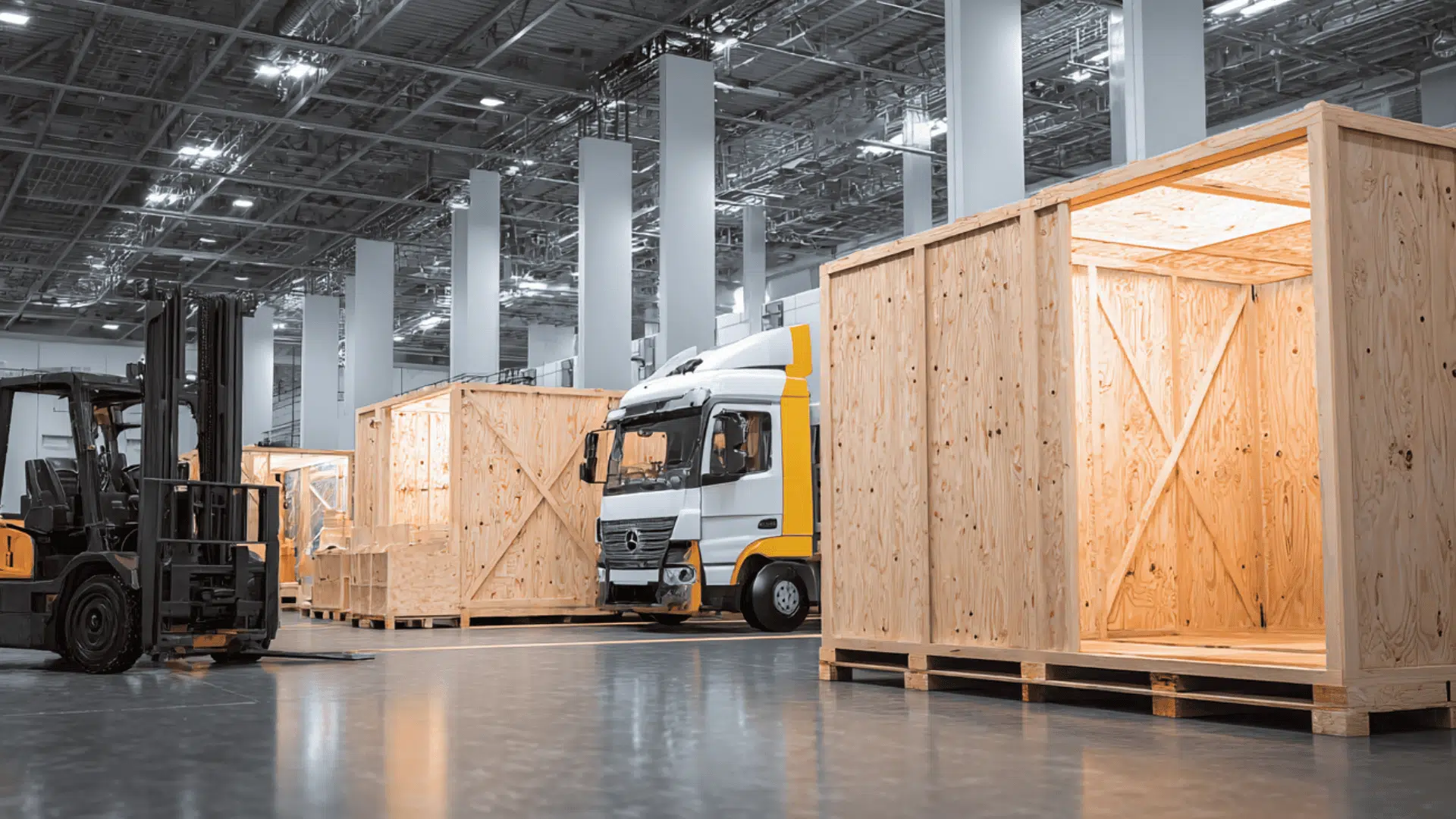
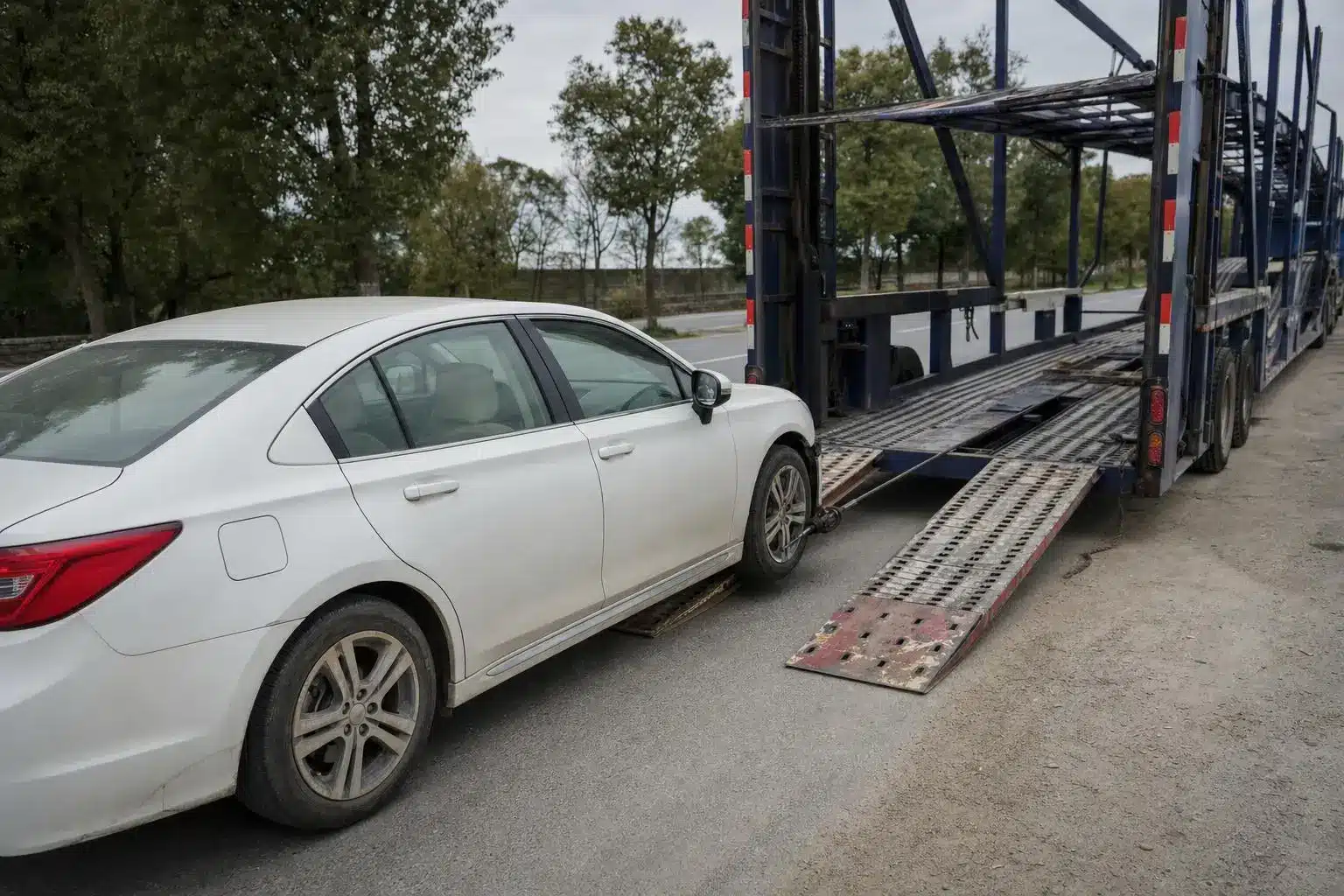
Open carriers are the standard option for most daily drivers. The vehicle is exposed to weather and road grime, but open service is widely available and usually costs less. Enclosed trailers offer more protection from debris and may be worth considering for classic, high-value, low-clearance, or freshly painted vehicles.
NerdWallet notes that enclosed transport can cost about 60% more than open service. Requests for a top-deck position, liftgate loading, or other special handling may also increase the price.
Door-to-Door or Terminal-to-Terminal Service
Door-to-door service means the carrier gets as close to the pickup and delivery addresses as safety and local rules allow. A large truck may still require meeting in a nearby parking lot if the street is narrow, restricted, or difficult to turn around on.
Terminal-to-terminal service may cost less because carriers can consolidate loads, but it requires additional driving and may involve storage fees. As uShip points out, the lower shipping rate should be weighed against the time and cost of traveling to each terminal. When comparing options, ask exactly where the vehicle will be accepted and released.
Timelines and Scheduling
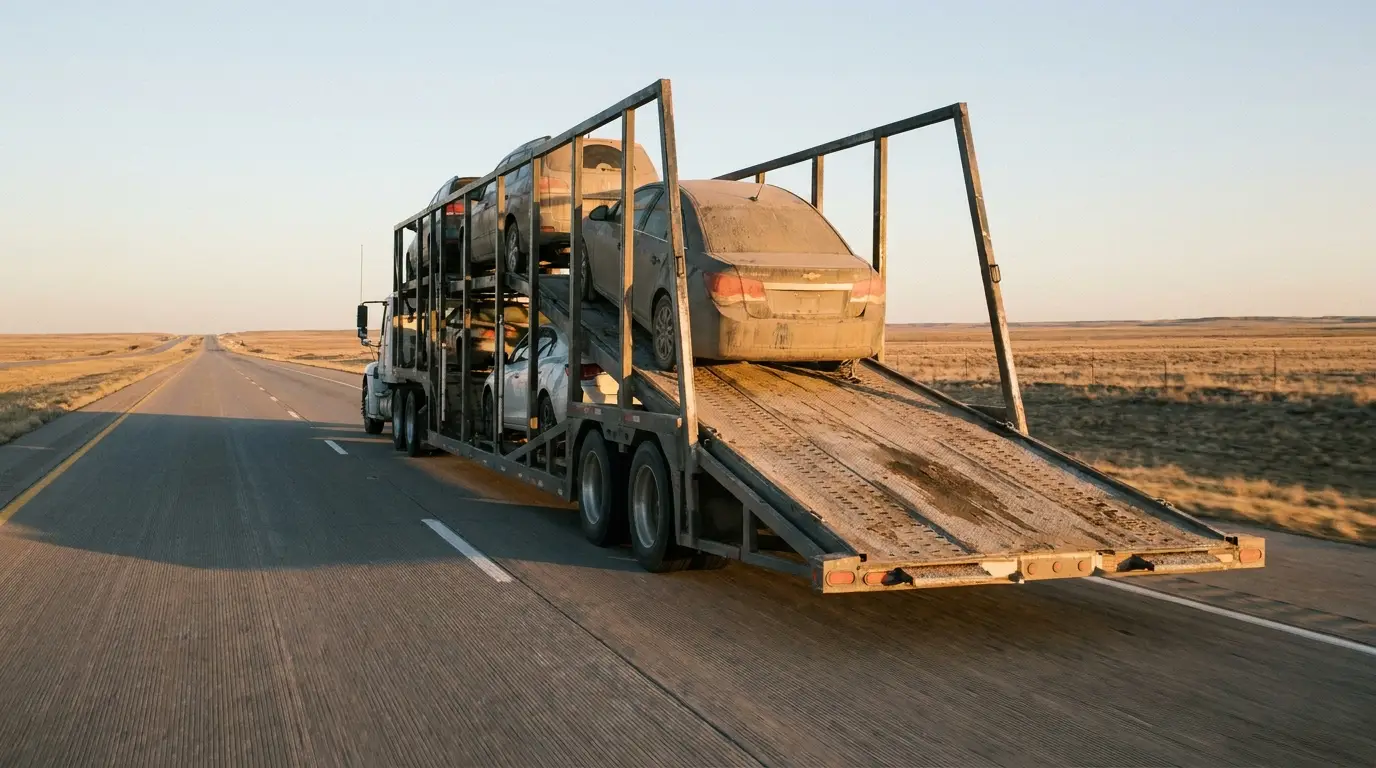
Transport schedules are estimates because each carrier moves several vehicles and conditions at one stop can affect the rest of the route.
Pickup Windows and Transit Times
Carriers usually provide a pickup window rather than a fixed hour. Many shipments within the continental United States spend about 6 to 12 days in transit, although the total can vary with distance, weather, traffic, road closures, and the number of stops.
Build a buffer into your moving plans. Avoid scheduling a flight, work start date, or other important event around the earliest possible delivery day. Keep essential medication, documents, and other necessities with you rather than in the vehicle.
Getting Quotes and Checking the Company
A useful comparison looks beyond the headline price. Review what each quote includes, when the rate can change, and which company will be responsible for the vehicle.
Compare Equivalent Quotes
Give each company the same route, dates, vehicle details and service requirements. Ask whether the quote includes door service, carrier cargo coverage, broker fees, cancellation terms and charges for an oversized or non-running vehicle.
Cross Auto Transport publishes its service options and sample route pricing openly, which gives you a reference point for judging whether a quote looks reasonable. The company lists open and enclosed transport, running and non-running vehicles, expedited pickup and door-to-door delivery with no payment required until a carrier is assigned. Its published examples run $900 to $1,200 for California to Texas and $1,100 to $1,500 for Illinois to California, though route examples are not guaranteed quotes.
Be cautious when one quote sits far below the others. A price that no carrier will accept may be raised later to secure a driver. Written estimates with clear terms are more useful than vague phone quotes.
Verify the Provider Before Paying
Look up the USDOT and MC numbers in the FMCSA database, review recent customer feedback, and check complaint history with the Better Business Bureau. Ask for proof of insurance and read the exclusions, limits, and claims process rather than relying on a verbal assurance.
Also confirm whether you are dealing with a broker or the carrier itself. FMCSA rules require brokers to maintain financial security, and the federal database can show whether their authority is active. Verify the company’s legal name against the name on your agreement before sending payment.
Preparing the Car and Accepting Delivery
A clean vehicle, complete condition record, and careful delivery inspection make it easier to identify and report damage.
Pre-Pickup Checklist
Wash the exterior so existing damage is easy to see. Remove valuables, toll transponders, electronics, and loose items from the cabin. Leave about a quarter tank of fuel, which is enough for loading and unloading without adding unnecessary weight.
Disable the alarm, fold in the mirrors, note any mechanical problems or leaks, and provide a working key. Check the carrier’s rules before leaving personal property in the vehicle because those items may not be allowed or covered by cargo insurance.
If the Car Does Not Run
Disclose the vehicle’s condition when requesting the quote. A non-running car usually needs a winch and a properly equipped trailer, which can increase the cost and limit carrier availability.
The provider states that it handles non-running vehicles and offers booking without upfront payment. Ask the company to explain in writing how the vehicle’s condition affects loading, pricing, and payment before confirming the shipment.
Signing at Delivery
Inspect the vehicle before signing the delivery paperwork. Compare it with the pickup photos and write any new damage directly on the bill of lading. Take close-up and wide-angle photos while the vehicle is still with the carrier.
If you book through a provider or another company, confirm the delivery contact, location, and accepted payment method a day ahead. If you find damage, notify the provider promptly and follow the written claims process while the records are easy to access. For a plain-language overview of how open transport works, review the loading and exposure trade-offs before you book.
The Takeaway
Cross-country car transport is manageable when you focus on a few essentials. Compare realistic quotes, choose open or enclosed service based on the vehicle, verify the broker and carrier through FMCSA, document the car at both ends, and allow extra time for scheduling changes. These steps reduce surprises and give you better records if a problem occurs.
FAQs
How Far in Advance Should I Book?
One to two weeks is a reasonable target for many interstate routes. Allow more time during the summer moving season or busy snowbird months. Earlier booking gives the provider more time to find a truck serving your route, but it does not guarantee an exact pickup time.
Can I Leave Personal Items in the Car?
It is generally discouraged. Household goods add weight, may violate the carrier’s rules, and are often excluded from cargo coverage. Remove valuables, electronics, toll transponders, and loose objects. If you need to leave anything in the vehicle, ask for the policy in writing.
How Long Does Cross-Country Shipping Take?
Many shipments within the continental United States take about 6 to 12 days in transit. Distance, weather, traffic, carrier stops, and the distance from major highways can change that estimate. Plan around a delivery range rather than a guaranteed date.
When Is Enclosed Transport Worth the Added Cost?
Consider enclosed service for a classic, high-value, low-clearance, or freshly painted vehicle, especially when replacement parts are difficult to find. For a typical daily driver, open transport is usually the more practical and affordable choice.