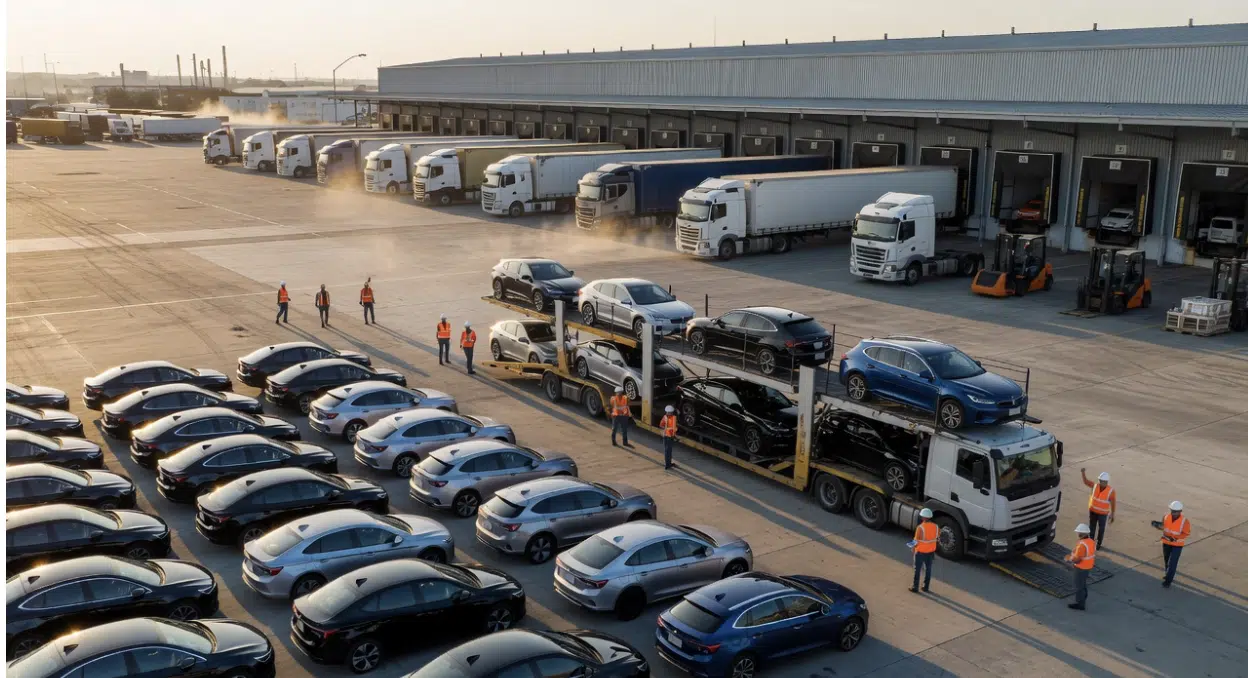
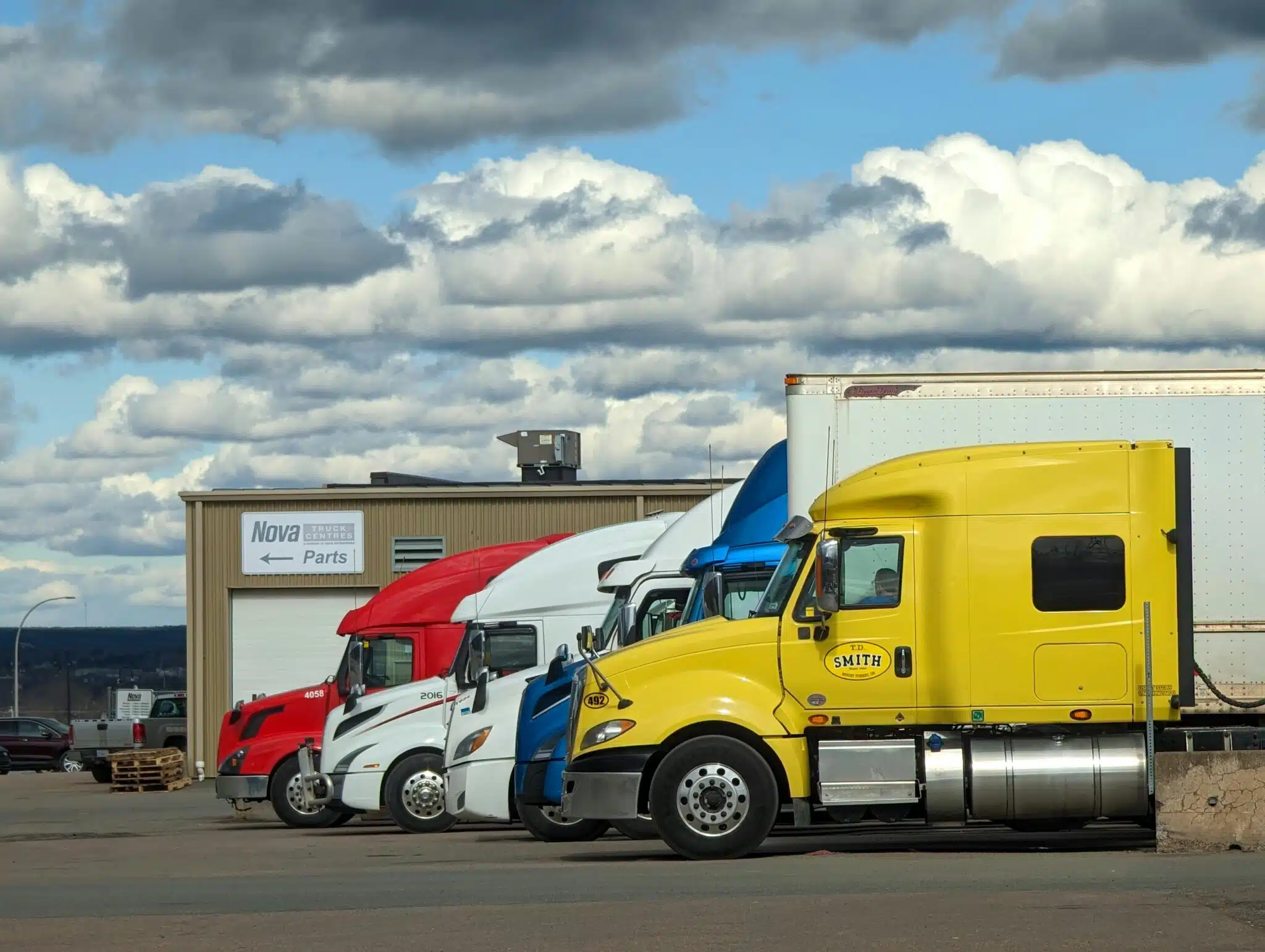
Finished vehicle logistics operates under strict capacity, weight, and delivery time constraints. As automotive production shifts toward electric vehicles and larger SUVs, the baseline requirements for auto transport equipment are changing. Higher average curb weights, larger vehicle dimensions, and more varied model mixes are forcing fleet managers to rethink load planning, procurement, and maintenance strategies.
For logistics providers, this is not a minor technical adjustment. The physical capabilities of the transporter fleet directly influence cost per unit, route efficiency, asset utilization, and the ability to meet OEM delivery schedules.
Weight Distribution and Payload Challenges
Battery electric vehicles are often considerably heavier than comparable internal combustion engine vehicles due to the mass of high-capacity battery packs. Larger SUVs and premium models add further pressure to payload planning. As a result, standard car transporters can reach highway gross vehicle weight limits faster than they would when loaded mainly with compact ICE vehicles.
This creates a direct challenge for fleet operators. Hauling multiple heavier vehicles requires more precise load calculation, careful axle weight management, and closer attention to legal limits. A configuration that previously allowed a full load may no longer be suitable for the same number of vehicles when the cargo mix changes.
The impact is especially visible in standard high-capacity stinger-steer configurations. When loaded primarily with heavier EVs or SUVs, these transporters may carry fewer units per trip. That reduction affects cost-per-unit metrics and can require adjustments to route planning, delivery sequencing, and fleet allocation.
Strategic Fleet Procurement and Capacity Management

To maintain margins in a restricted-weight environment, logistics providers need to adjust their physical assets continuously. This may involve adding transporters with higher payload capacity, optimized axle spacing, reinforced hydraulic systems, or configurations better suited to larger and heavier vehicles.
However, new custom-built equipment is not always available quickly. Long manufacturing lead times can make it difficult to respond to new OEM contracts, changing vehicle flows, or urgent replacement needs. For this reason, many procurement teams also monitor the used and stock equipment market.
International B2B platforms such as Truck1, where buyers can compare available equipment across different configurations, give fleet operators a broader view of the market. This can help procurement teams identify suitable units faster, reduce dependence on factory lead times, and limit operational downtime when capacity needs change.
Equipment Lifecycle and Telematics Integration
Payload capacity is only one part of the equation. Maintaining uptime is equally important, especially when heavier loads place additional stress on trailers, hydraulic systems, tires, brakes, and suspension components.
Modern transport equipment increasingly relies on telematics and sensor-based monitoring. Fleet managers can track route efficiency, tire pressure, brake temperature, hydraulic system performance, PTO usage, and driver behavior. This data helps operators identify wear patterns before they turn into costly failures.
For FVL operations, predictive maintenance is becoming essential. Replacing a worn hydraulic hose, deck cylinder, or braking component before failure can prevent stranded loads, emergency roadside repairs, delivery delays, and vehicle handover disruptions. In a sector where delivery windows are tight, equipment reliability directly affects service quality.
Fleet Adaptability as A Competitive Advantage
The efficiency of the finished vehicle supply chain is closely tied to the capabilities of the transport fleet. As vehicle weight and size continue to increase, logistics providers need equipment strategies based on real production data, not outdated assumptions about average vehicle dimensions.
Operators that adapt their fleet mix, procurement process, and maintenance systems are better positioned to protect margins and maintain delivery performance. In modern vehicle logistics, the right transporter is no longer just a carrying asset. It is a key part of operational resilience, cost control, and customer service.