Keyless entry is something most drivers use every day, often without thinking about it.
You walk up to your car, pull the handle, and the door unlocks. No key in the lock. No extra steps. But what is keyless entry, and how does it actually work behind the scenes?
If you’ve ever wondered how your car knows it’s you, you’re not alone. Many people use keyless entry but don’t fully understand what’s happening or why it matters.
This guide will cover what keyless entry is, how it works, the different types, and key safety considerations.
What is a Keyless Entry System?
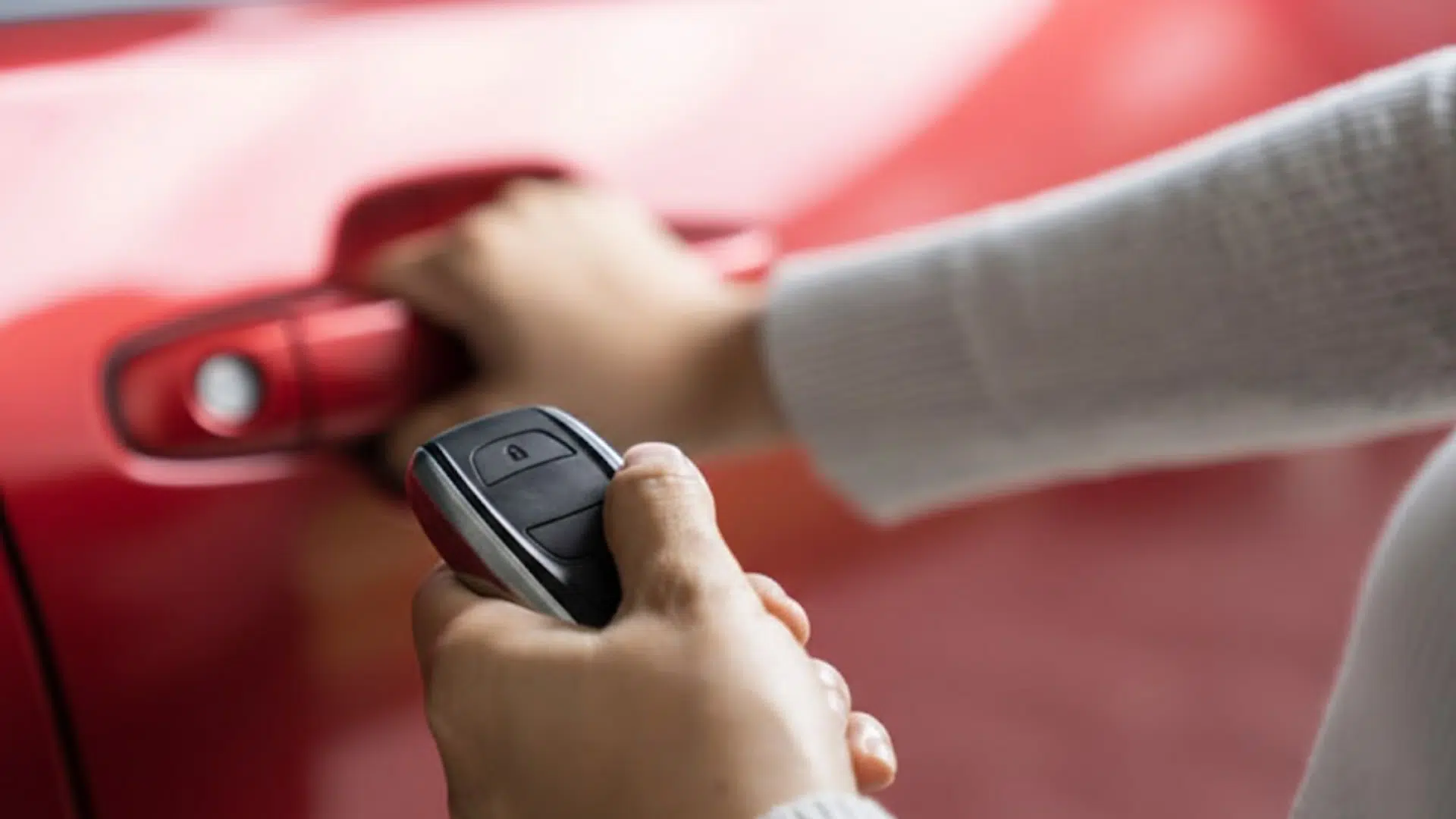
A keyless entry system lets you lock or unlock your car without using a metal key in the door. Instead, it uses a key fob or sometimes a phone to send a signal to the car.
When the car recognizes that signal, it unlocks the doors. Some systems also let you lock the car or open the trunk with a button press. Others work automatically when you get close.
The main goal of keyless entry is to make getting in and out of your car faster and easier.
How Keyless Entry Works
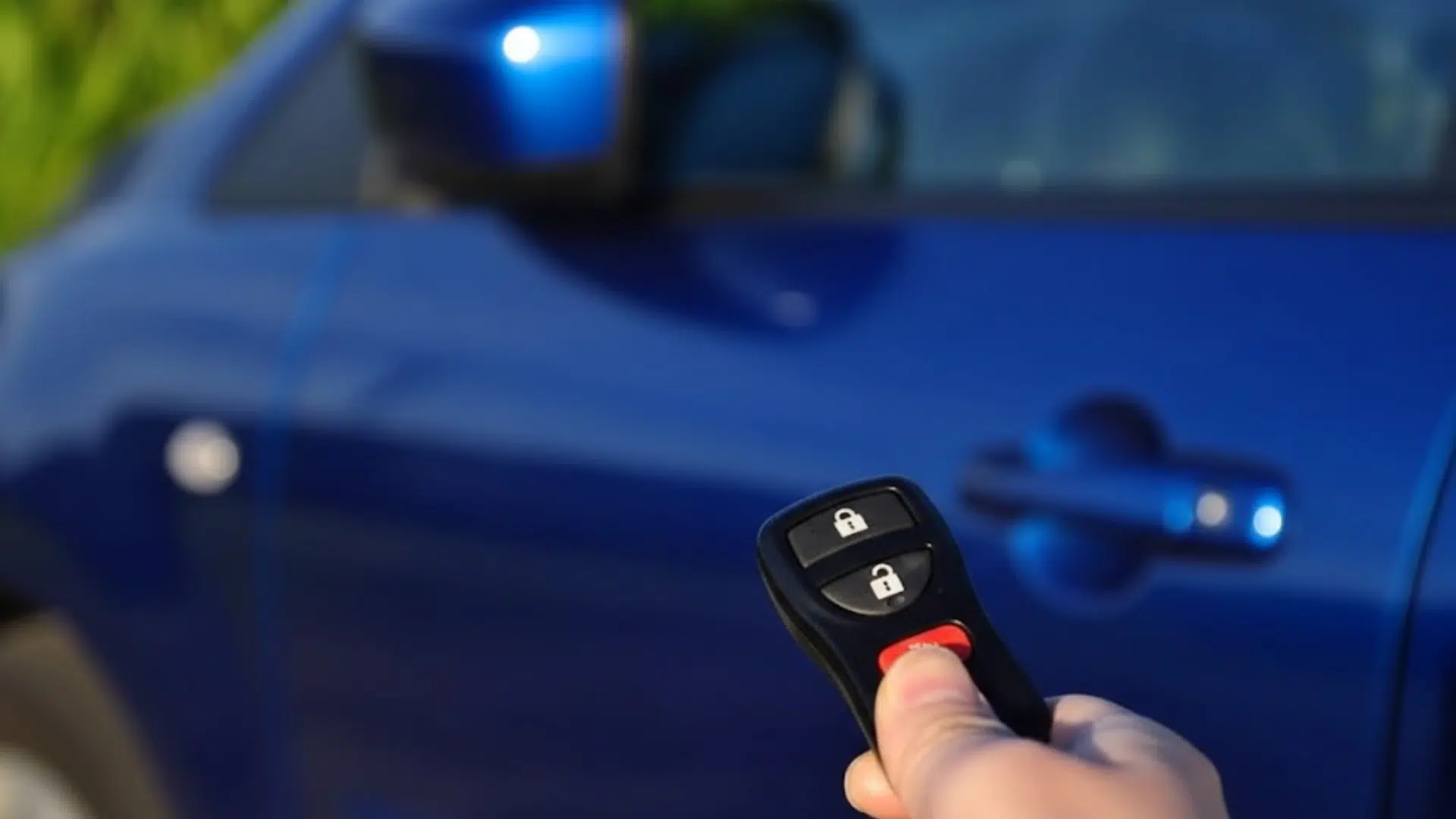
Keyless entry may feel simple on the outside, but a few smart steps happen in the background. Here’s a clear look at how the system works from start to finish.
Components of a Keyless Entry System
A keyless entry system has three main parts: the key fob, the car’s receiver, and sensors inside the vehicle.
The key fob sends out a signal when you press a button or move close to the car. The receiver inside the car listens for that signal. The sensors help confirm the signal is coming from nearby and not far away.
Unlocking Process
When you press the unlock button or touch the door handle, the key fob sends a coded signal. The car checks that code to see if it matches what it expects.
If the code is correct, the doors unlock. This whole process takes less than a second, which is why it feels instant to the driver.
Rolling Codes
Most modern systems use rolling codes for extra safety. This means the code changes every time you use the key fob.
Even if someone could capture a signal once, it would not work again. Rolling codes help protect your car from basic signal copying and make keyless entry harder to misuse.
Types of Keyless Entry Systems
Keyless entry systems are not all the same. The type you have depends on how your car unlocks and how much effort it takes from you.
| Type | How It Works | What You Do | Common Use |
|---|---|---|---|
| Remote Keyless Entry (RKE) | Uses a button on the key fob to lock or unlock the car | Press a button | Most standard cars |
| Passive Keyless Entry (PKE) | Unlocks the car when the fob is nearby | Touch the door handle | Many newer vehicles |
| Smartphone-Based Entry | Uses an app or phone signal to unlock the car | Use your phone or app | Select newer models |
Remote keyless entry is simple and reliable, while passive systems focus on hands-free convenience. Phone-based systems are newer and still changing, but they can be useful for shared access.
Knowing which type you have helps you understand how your car unlocks and what safety steps make the most sense.
Keyless Entry Range and Signal Types
Keyless entry works by sending signals between your key and your car. The type of signal used affects how far it works and how the system knows you are nearby.
- Short-Range Proximity Signals: Passive systems use short-range signals to check if the key fob is close to the car. This helps the car decide when to unlock as you approach.
- Radio Frequency Signals: Remote keyless entry uses radio signals that travel farther. This allows you to unlock the car from a distance using a button on the fob.
- Low-Frequency Signals: Many cars use low-frequency signals to confirm distance. These signals help reduce accidental unlocking from far away.
- Newer Signal Technologies: Some newer systems use advanced signal methods to better judge distance and improve security.
Understanding range and signal types helps explain why some cars unlock from far away while others need you to be right next to the door.
Pros and Cons of Keyless Entry
Keyless entry makes everyday driving easier, but it also comes with a few downsides.
| Pros | Cons |
|---|---|
| Faster and easier to unlock your car | Key fob batteries can die unexpectedly |
| No need to use a metal key | Some systems can be targeted by theft methods |
| Helpful when your hands are full | Repairs and replacements can cost more |
| Often includes extra features like trunk access | May unlock accidentally in rare cases |
Keyless entry is all about convenience, but it works best when you understand its limits. Knowing the pros and cons helps you use the system smarter and avoid common frustrations.
Is Keyless Entry Safe?
Yes, keyless entry is generally safe for everyday use, but it is not perfect.
Most systems use changing codes that make it hard for someone to copy your key signal. For daily driving, this level of security works well for most people.
That said, some newer theft methods target keyless systems by extending the key’s signal. This does not happen often, but it is possible.
When used with basic care, keyless entry remains a safe and convenient option for most drivers.
How to Protect a Keyless Entry System
Keyless entry is convenient, but a few small habits can make it much safer. These simple steps can help protect your car without adding extra stress.
- Keep Keys Away From Doors and Windows: Store your key fob inside your home, not near entry points. This helps reduce the chance of signal reach from outside.
- Use a Signal-Blocking Pouch: A signal-blocking pouch can stop your key from sending signals when it’s not in use. This is helpful at home and while traveling.
- Lock Your Car Manually: Always check that your car is locked before walking away. Do not rely only on auto-lock features.
- Add a Physical Lock: Steering wheel locks add a visible layer of protection. They can slow down or stop theft attempts.
These small steps work best when used together. A little extra effort can go a long way in keeping your car secure.
Conclusion
Keyless entry has changed the way many of us use our cars.
It saves time, removes the hassle of using a metal key, and makes everyday driving more convenient. At the same time, it helps to understand how the system works and where its limits are.
Knowing the type of keyless entry your car uses and how signals work can help you avoid common problems.
If your car has keyless entry, take a few minutes today to review your settings and add one extra safety step. Small actions now can help prevent bigger issues later.